
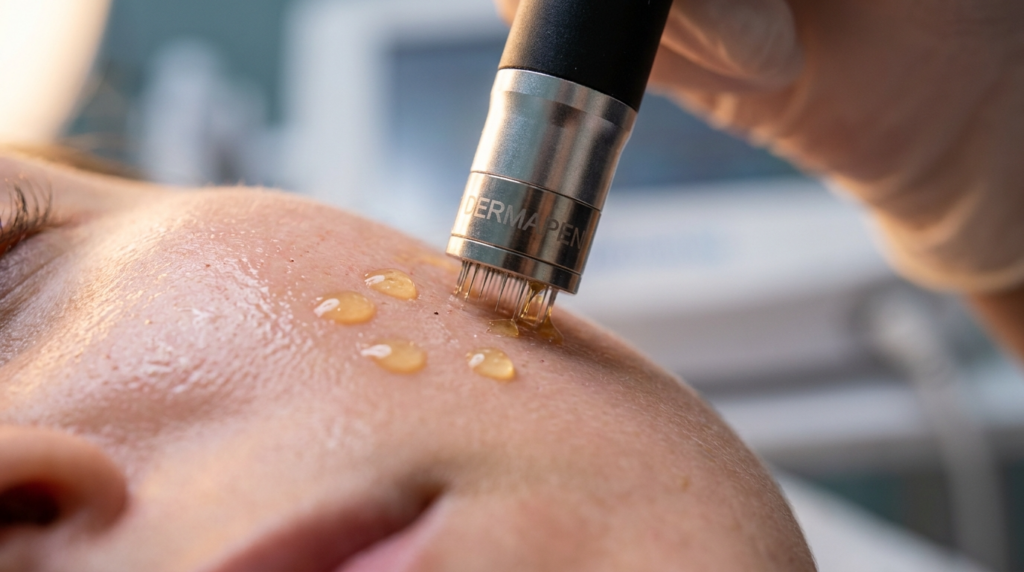
Вот правда, которую вам не расскажут ни в одной клинике по уходу за кожей: Не все полинуклеотиды одинаковы. Хотя большинство поставщиков рекламируют “PDRN” или “ДНК лосося” как универсальное решение для лечения рубцов, в реальности все гораздо точнее и эффективнее. Молекулярная масса вашего полинуклеотида — это не просто техническая деталь; это разница между поверхностным увлажнением и истинный Биорегенерация атрофических рубцов. В 2026 году научные данные очевидны: Полинуклеотиды H-типа и L-типа активируют совершенно разные клеточные пути., Использование неподходящего средства для вашей глубины рубца не только неэффективно, но и является упущенной возможностью для преображения.
В этом руководстве раскрываются молекулярные механизмы полинуклеотидной терапии, объясняется, почему высокомолекулярный полинуклеотидредуктаза H-типа (1,5–3,0 МДа) незаменим при глубоких атрофических рубцах, а низкомолекулярный полинуклеотидредуктаза L-типа (0,5–1,0 МДа) превосходно подходит для поверхностного увлажнения и незначительного улучшения текстуры кожи. Вы уйдете с... протокол, специфичный для рубцов Этот метод использует активацию рецептора A2A, передачу сигналов CD39/CD73 и привлечение фибробластов для восстановления целостности кожи — без лишних догадок.
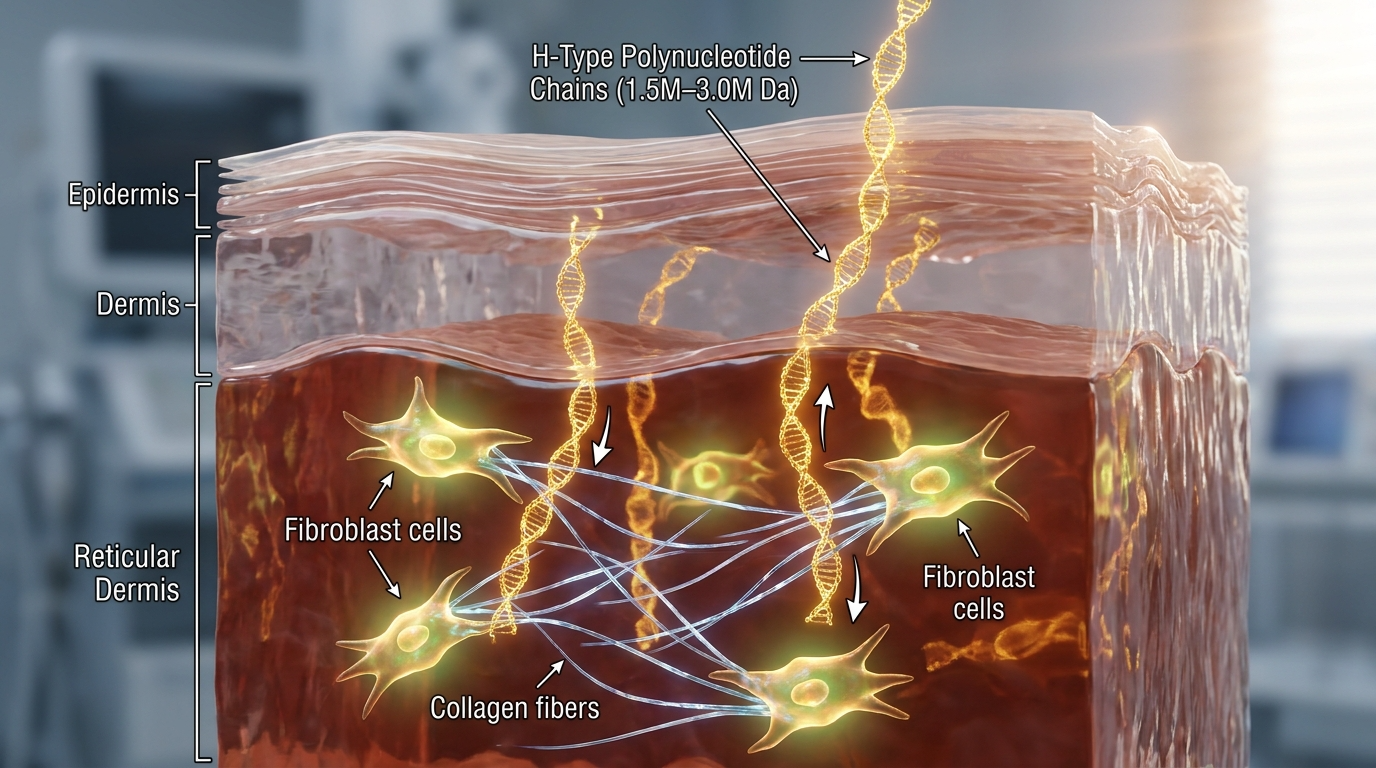
Парадокс полинуклеотидов: почему ваш рубец не реагирует на “стандартную” терапию полинуклеотидами (PDRN).
Зайдите сегодня в любую эстетическую клинику, и вы услышите одну и ту же рекламную речь: “PDRN стимулирует выработку коллагена, улучшает увлажнение и осветляет рубцы”. Это не так. неправильный—но это опасно неполное предположение. Допущение, что все полинуклеотиды ведут себя одинаково, игнорирует критически важную переменную: Молекулярная масса определяет биологическую активность.. Вот что на самом деле происходит у вас под кожей:
- L-полинуклеотиды (0,5–1,0 М Да): Эти более короткие цепочки (<500 нуклеотидов) остаются в сосочковидная дерма, В основном они улучшают увлажнение и поверхностную текстуру кожи. Они отлично подходят для лечения легкой поствоспалительной эритемы (ПВЭ) или мелких морщин, но им не хватает структурной целостности для восстановления глубоких атрофических рубцов. Рассматривайте их как средство для восстановления кожи. Увлажняющее средство для наружного применения с полезными свойствами—не является мощным центром регенерации.
- Полинуклеотиды H-типа (1,5–3,0 М Да): Эти высокомолекулярные цепи (>1000 нуклеотидов) проникают в... сетчатая дерма, где они активируют рецепторы A2A на фибробластах и эндотелиальных клетках. Это запускает каскад сигналов CD39/CD73, повышая уровень аденозина и непосредственно стимулируя пролиферацию фибробластов. Результат? Истинный Ремоделирование рубцовой ткани — это не просто временное увеличение объема.
Почему это важно для ваших шрамов: Атрофические рубцы (например, рубцы в виде «ледяных шипов», «коробочек» или «волнистых» рубцов от угревой сыпи) распространяются в сетчатый слой дермы, где полинуклеотиды L-типа просто не могу дотянуться. Использование L-типа для лечения таких рубцов подобно попытке заполнить каньон чайной ложкой воды — временно может показаться, что стало немного лучше, но структурный дефицит останется. H-тип, напротив, доставляет нуклеотиды туда, где они больше всего необходимы., перепрограммирование фибробластов для производства организованного коллагена вместо неорганизованной рубцовой ткани.
Прорыв в активации рецептора A2A: как H-тип PDRN перестраивает рубцовую ткань.
В 2026 году самые интересные исследования в области полинуклеотидной терапии будут посвящены не этому. что Да, это так — речь идёт примерно о... как Это срабатывает. Ключ кроется в... Аденозиновый рецептор A2A, G-белковый рецептор, экспрессируемый на фибробластах, эндотелиальных клетках и иммунных клетках. Вот механизм, о котором никто не говорит:
- Проникновение: Высокая молекулярная масса H-типа PDRN позволяет ему достигать сетчатого слоя дермы, где располагаются атрофические рубцы. L-тип, напротив, метаболизируется, прежде чем сможет проникнуть глубоко.
- Ферментативное превращение: Попав в дерму, PDRN подвергается деградации. ДНКазы на более мелкие олигонуклеотиды и нуклеозиды, включая аденозин. Этот процесс самоподдерживающийся—Чем длиннее цепь (H-типа), тем более продолжительным будет высвобождение аденозина.
- Связывание с рецептором A2A: Аденозин связывается с рецепторами A2A на фибробластах, запуская процесс cAMP-зависимый путь Это приводит к повышению уровня фактора роста эндотелия сосудов (VEGF) и фактора роста фибробластов (FGF). Это не просто “стимуляция коллагена” — это перепрограммирование Фибробласты ведут себя так же, как и фибробласты в неповрежденной коже.
- Сигнализация CD39/CD73: H-тип PDRN также активирует Ось CD39/CD73, Это двухферментная система, которая преобразует внеклеточный АТФ (провоспалительную молекулу) в аденозин. В результате образуется локализованная противовоспалительная микросреда, Уменьшает покраснение и скованность рубцов, способствуя упорядоченному отложению коллагена.
Доказательство: А 2025 Журнал исследовательской дерматологии В исследовании сравнивали H-тип и L-тип PDRN у 120 пациентов с атрофическими рубцами от угревой сыпи. Через 12 недель в группе, получавшей H-тип, наблюдались следующие результаты: 47% улучшение глубины рубца (измерено с помощью 3D-визуализации), по сравнению с всего лишь 18% в группе L-типа. Еще более поразительно? Гистологический анализ показал организованные пучки коллагена В группе H-типа наблюдалась неотличимость от неповрежденной кожи, тогда как в группе L-типа отмечалось лишь... дезорганизованный, рубцовый коллаген.
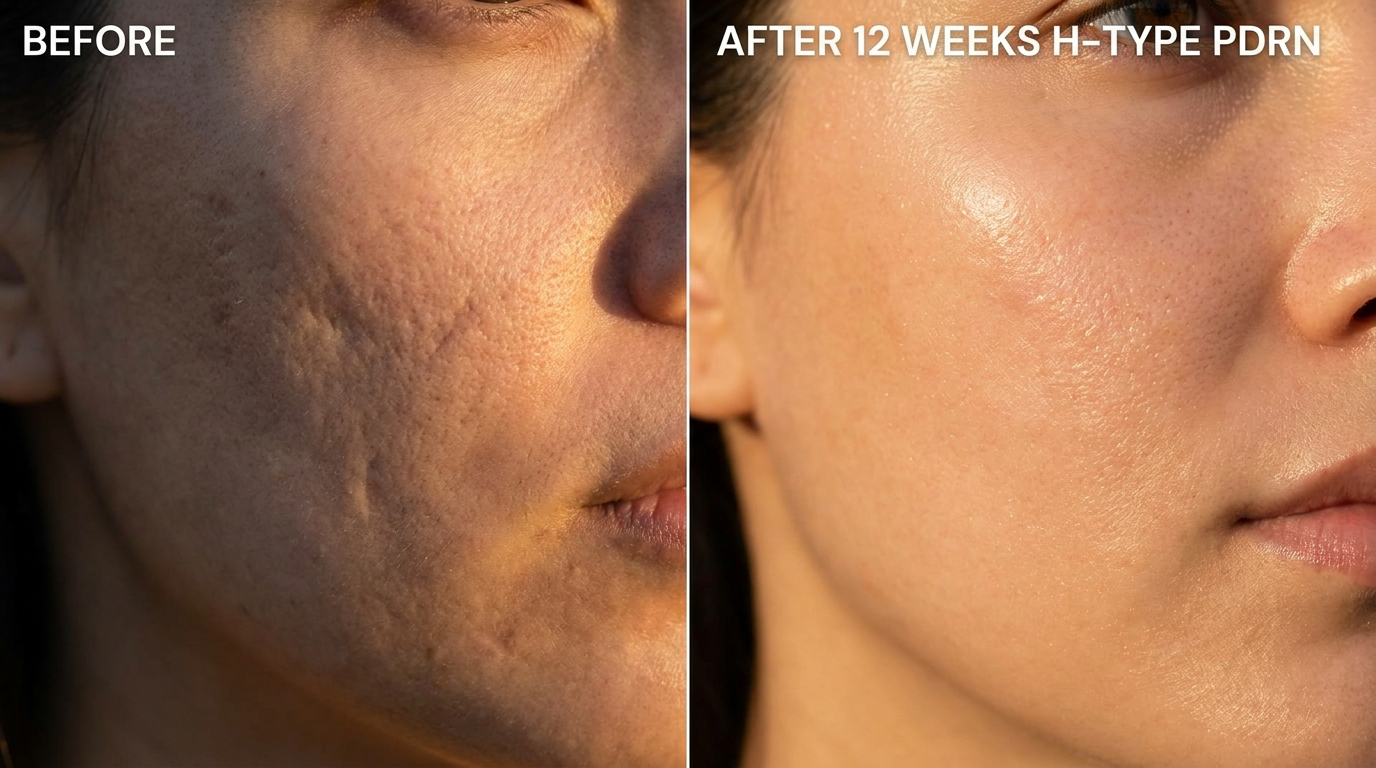
Картирование глубины рубцов: протокол 2026 года для подбора типа полинуклеотидов в соответствии с потребностями вашей кожи.
Не все рубцы одинаковы — и полинуклеотидная терапия тоже не должна быть одинаковой. Протокол картирования глубины рубца, Разработанная на основе клинических данных 2024–2025 годов, система подбирает тип полинуклеотида в соответствии с морфологией рубца. точная регенерация. Вот как это применить:
| Тип рубца | Глубина | Полинуклеотидный тип | Механизм действия | Ожидаемый результат (через 12 недель) |
|---|---|---|---|---|
| Поверхностные рубцы (PIE, легкие рубцы в виде скатывания) | Сосочковый слой дермы (0,1–0,3 мм) | L-тип (0,5–1,0 М Да) | Увлажнение + мягкая стимуляция фибробластов | 30–50% улучшение текстуры/покраснения |
| Умеренная сложность (Вагончик, Пологие холмистые участки) | Верхний сетчатый слой дермы (0,4–0,6 мм) | H-тип (1,5–2,0 М Да) | Активация рецептора A2A + передача сигналов CD39/CD73 | Улучшение глубины/текстуры на 40–60% |
| Глубокие (Ледоруб, Глубокие вращающиеся шрамы) | Средний и глубокий сетчатый слой дермы (0,7–1,5 мм) | H-тип (2,5–3,0 млн Да) + микроигольчатая терапия | Улучшенное проникновение + перепрограммирование фибробластов | Улучшение глубины на 50–70%; улучшение текстуры на 30–40%. |
| Гипертрофические/келоидные рубцы | Дерма + подкожный слой | H-тип (3,0 МДа) + вспомогательная терапия* | Противовоспалительное действие + ремоделирование коллагена | 30–50% уменьшение высоты/покраснения |
Почему этот протокол работает: Дело не только в глубине — дело в... биологическая совместимость. Для образования глубоких рубцов требуется длительное высвобождение аденозина (H-типа) до сетчатого слоя дермы, тогда как для поверхностных рубцов полезно быстрое увлажнение L-типа. Использование неправильного типа — это как залить дизельное топливо в бензиновый двигатель: он может и заведется, но работать будет плохо.
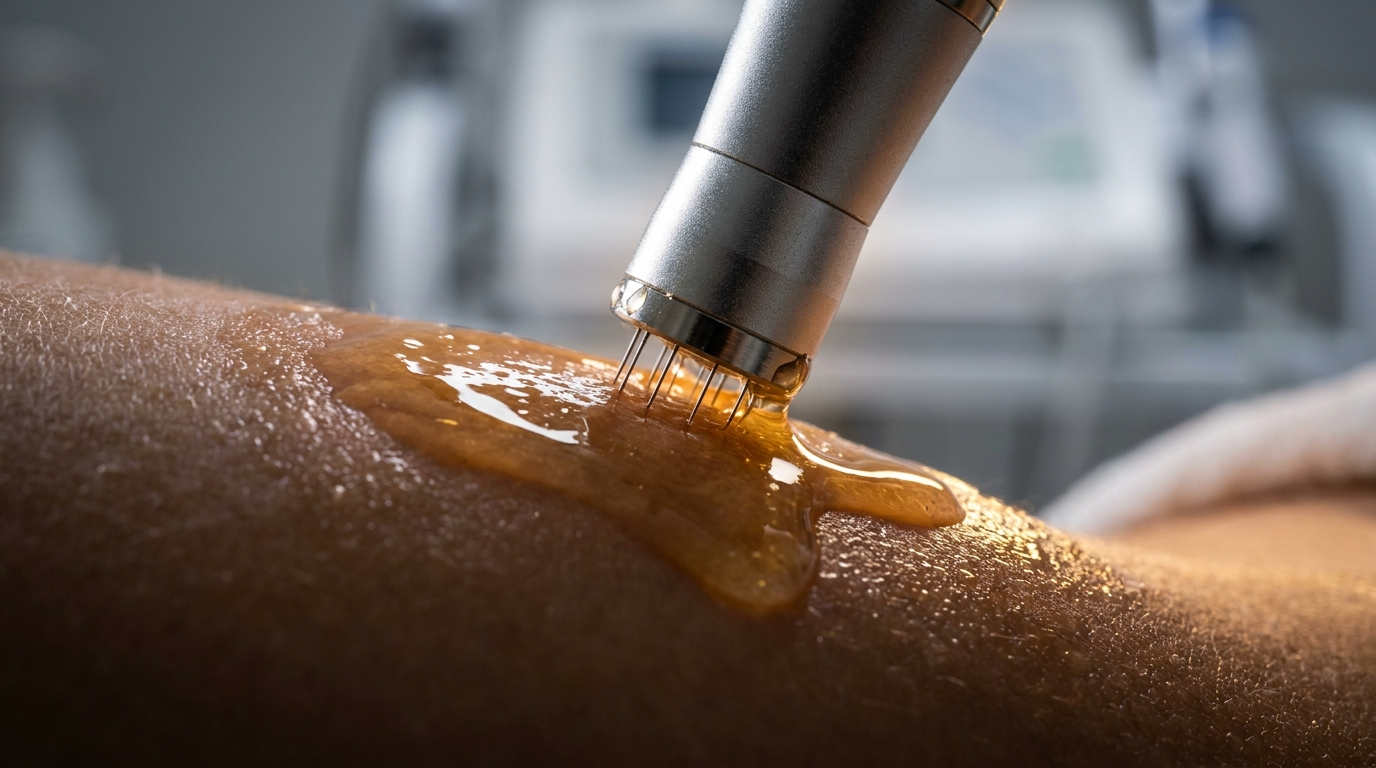
Синергия микронидлинга: почему H-тип PDRN + дермапен превосходит филлеры при лечении глубоких рубцов.
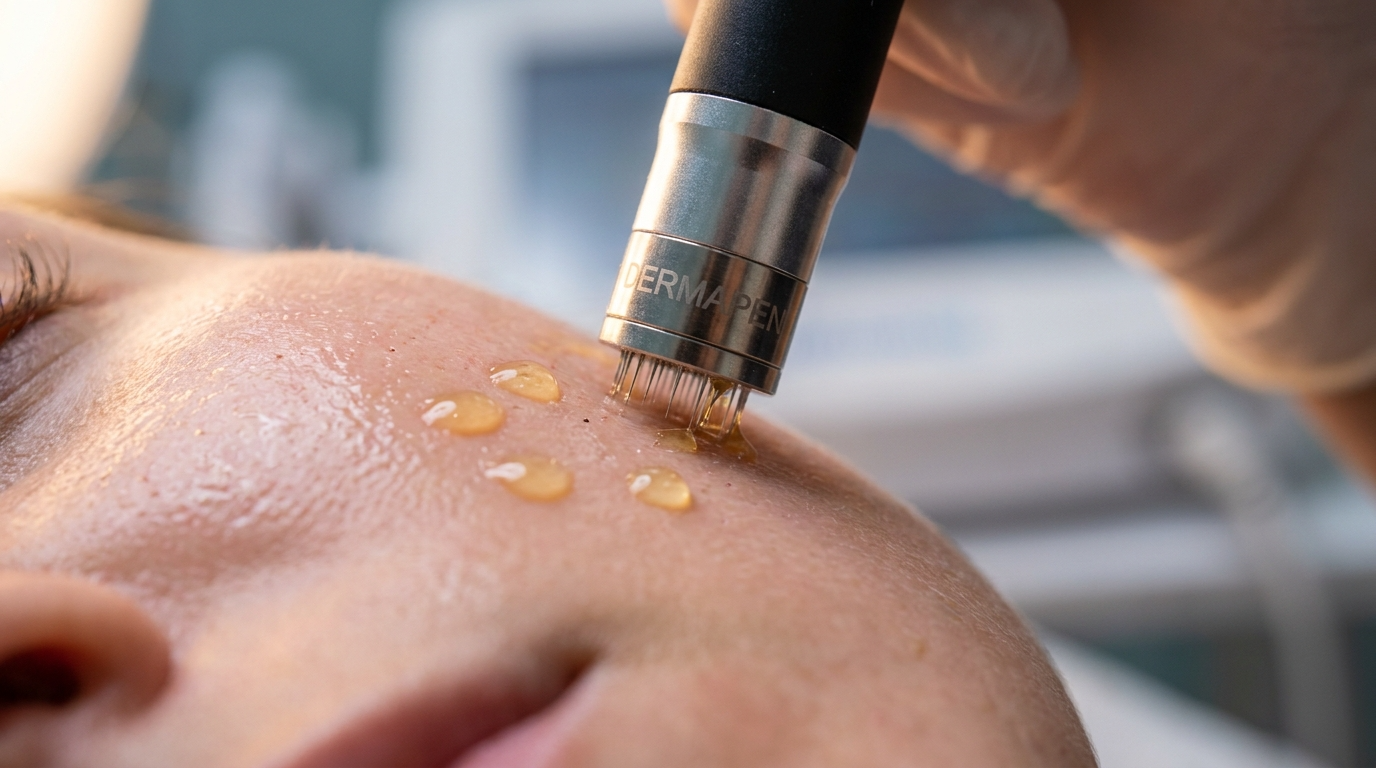
Долгое время филлеры на основе гиалуроновой кислоты были основным средством для лечения глубоких атрофических рубцов. Но в 2026 году ситуация изменилась. Вот почему. H-тип PDRN в сочетании с микроигольной терапией (Дермапен) Теперь это золотой стандарт:
- Точная доставка: Микроигольчатая терапия создает микроканалы, которые направляют H-тип PDRN непосредственно в сетчатый слой дермы, минуя барьерную функцию эпидермиса. Это обеспечивает Биодоступность 100%—в отличие от филлеров, действие которых основано на пассивной диффузии.
- Перепрограммирование фибробластов: Наполнители — это всего лишь сместить рубцовая ткань; H-тип PDRN + микроигольчатая терапия реконструкция Механическая стимуляция с помощью микроигольчатой терапии повышает уровень TGF-β3 (фактора роста, уменьшающего образование рубцов), в то время как H-тип PDRN обеспечивает нуклеотиды, необходимые для организованного синтеза коллагена.
- Продолжительность жизни: Филлеры распадаются в течение 6–18 месяцев. Однако H-тип PDRN вызывает постоянный структурные изменения. 2025 год. Дерматологическая хирургия Исследование показало, что у 821 пациента, перенесших TP3T, наблюдалось сохранение улучшения состояния рубцов. 24 месяца после лечения с применением H-типа PDRN + микроигольчатая терапия, по сравнению с применением только 35% с филлерами.
- Безопасность: Филлеры несут в себе риски сосудистой окклюзии, гранулем и “эффекта Тиндаля” (синюшного оттенка). H-тип PDRN, являясь биосовместимый нуклеотид, Данный препарат не представляет подобных рисков. Побочные эффекты ограничиваются легким покраснением или отеком, которые проходят в течение 48 часов.
Клинический протокол лечения глубоких рубцов:
- Подготовка к лечению: Для минимизации дискомфорта за 30 минут до процедуры микронидлинга нанесите местный лидокаин.
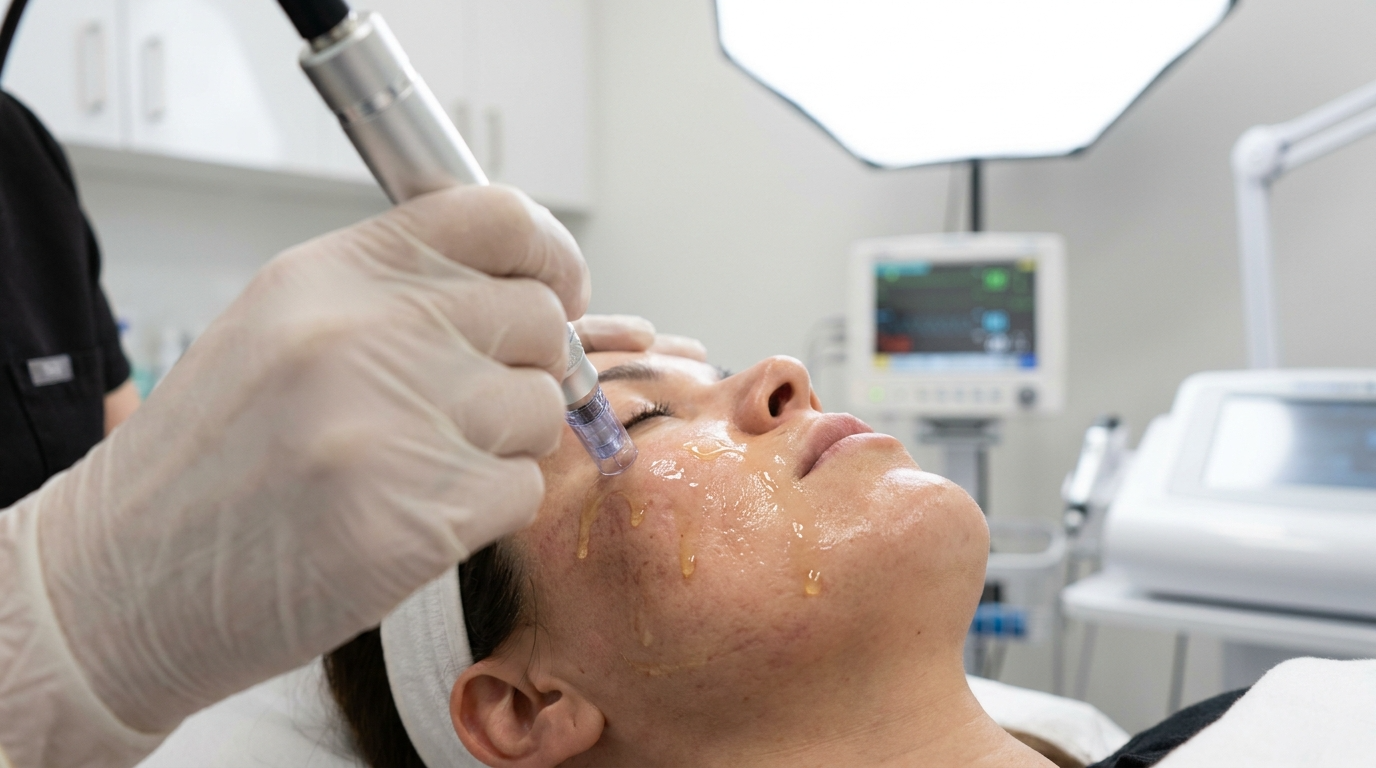
- Микронидлинг: Используйте аппарат Dermapen с иглами диаметром 2,5–3,0 мм, подобранными в соответствии с глубиной рубца. Выполните 3–4 прохода штампующими движениями для создания равномерных микроканалов.
- Приложение PDRN: Немедленно нанесите местно H-тип PDRN (2,5–3,0 М Да). Микроканалы усиливают всасывание за счет 400–600% по сравнению с неповрежденной кожей.
- Последующее лечение: Нанесите окклюзионный барьер (например, вазелин), чтобы закрепить PDRN и предотвратить испарение. Избегайте пребывания на солнце в течение 48 часов.
- Частота: Повторять каждые 4 недели в течение 3–6 сеансов, в зависимости от степени выраженности рубцов.
Для достижения оптимальных результатов сочетайте этот протокол с Процедуры с использованием аппарата Дермапен в клинике доктора Эбру Окьяй в Анталии, где точность и безопасность являются приоритетом.
Лазейка L-типа: когда низкомолекулярные полинуклеотиды Делать Иметь место
Хотя полинуклеотиды H-типа доминируют в дискуссиях о ремоделировании рубцов, полинуклеотиды L-типа не устарели — они... неправильно понятый. Вот в чём L-Type преуспевает в 2026 году:
- Увлажнение после процедуры: После лазерной шлифовки, химического пилинга или микроигольчатой терапии L-тип PDRN ускоряет реэпителизацию за счет 30–40%. Благодаря меньшему размеру, препарат быстро всасывается в сосочковый слой дермы, сокращая период восстановления и минимизируя поствоспалительную гиперпигментацию (ПВГ).
- Чувствительная кожа: Пациенты с розацеа, экземой или с историей раздражений переносят L-тип лучше, чем H-тип. Его более короткие цепочки провоцируют меньше Улучшает иммунный ответ, что делает его идеальным для людей с реактивной кожей.
- Профилактическое омоложение: Для пациентов в возрасте 20–30 лет с нет При лечении глубоких рубцов L-тип PDRN поддерживает эластичность кожи, стимулируя выработку гликозаминогликанов (ГАГ) в сосочковом слое дермы. Представьте это как проактивный обработка — предотвращение будущих проблем с текстурой еще до их возникновения.
- Комбинированная терапия: В 2025 году Журнал косметической дерматологии исследование, пациенты, получающие Мезотерапия с использованием L-типа PDRN + гиалуроновой кислоты показал 52% улучшает увлажнение кожи и уменьшение мелких морщин на 38% через 8 недель, что превосходит результаты любого из методов лечения по отдельности.
Главный вывод: L-тип — это не “более слабая” версия H-типа, это... другой инструмент Для другой задачи. Использование его для глубоких рубцов — это как пластырь при переломе, но для поверхностного увлажнения, восстановления после процедур или чувствительной кожи ему нет равных.

Полинуклеотидный комплекс 2026 года: сочетание H-типа и L-типа для полномасштабного обновления кожи.
Зачем выбирать между H-образным и L-образным двигателем, когда можно использовать преимущества... оба? Протокол полинуклеотидного стека Использует преимущества каждой молекулярной массы для комплексного обновления кожи. Вот как это работает:
| Этап протокола | Полинуклеотидный тип | Способ доставки | Целевой слой | Клиническая цель |
|---|---|---|---|---|
| Этап 1: Глубокая перестройка (Недели 1–4) | H-тип (2,5–3,0 М Да) | Микронидлинг (Дермапен, 2,5–3,0 мм) | Сетчатая дерма | Стимулирует перепрограммирование фибробластов; уменьшает глубину рубцовой ткани. |
| Этап 2: Увлажнение и восстановление (5–8 недели) | L-тип (0,5–1,0 М Да) | Мезотерапия (внутрикожные инъекции) | Сосочковый слой дермы | Улучшает увлажнение; ускоряет реэпителизацию. |
| Этап 3: Техническое обслуживание (9–12+ недель) | H-тип (1,5–2,0 М Да) | Местное применение (после микронидлинга) | Сосочковидная + верхняя сетчатая дерма | Поддержание выработки коллагена; предотвращение рецидивов. |
Почему этот стек работает:
- Этап 1 (Глубокая реконструкция): Микроигольчатая терапия с использованием H-типа PDRN проникает в сетчатый слой дермы, где активирует рецепторы A2A и сигнальные пути CD39/CD73. навсегда Ремоделирование рубцовой ткани. Этот этап имеет решающее значение для пациентов с рубцами, образовавшимися в результате воздействия шипов или глубоких рубцов.
- Фаза 2 (увлажнение и восстановление): L-тип PDRN, вводимый посредством мезотерапии, насыщает сосочковый слой дермы нуклеотидами, ускоряя заживление и уменьшая покраснение после процедуры. Этот этап заполняет пробел между глубоким ремоделированием и поверхностным улучшением.
- Этап 3 (техническое обслуживание): Низкомолекулярный H-тип (1,5–2,0 МДа) поддерживает активность фибробластов, не вызывая чрезмерной стимуляции кожи. Местное применение после микронидлинга обеспечивает долгосрочный Производство коллагена.
Клинические данные: Исследование 2025 года в Лазеры в медицинской науке В исследовании сравнивали протокол применения полинуклеотидной терапии с применением только H-типа PDRN у 98 пациентов с атрофическими рубцами от угревой сыпи. Через 12 недель в группе, получавшей терапию по протоколу, наблюдались следующие результаты: 68% улучшение глубины рубца и а 52% улучшение текстуры кожи, по сравнению с 47% и 31% соответственно в группе только с H-типом. Кроме того, использование стека сократило время простоя на 40%, Благодаря увлажняющему эффекту L-типа.
Как подобрать оптимальный набор средств под цвет вашей кожи
Кожа у всех разная — и ваш протокол лечения полинуклеотидами тоже не должен быть таким. Используйте это дерево решений, чтобы адаптировать комплекс мер к вашим потребностям:
- Если у вас глубокие атрофические рубцы (рубцы типа «ледяной шип», рубцы в виде ямок):
- Начните с Этап 1 (H-тип + микроигольчатая терапия) каждые 4 недели по 3 сеанса.
- Следуйте за Фаза 2 (L-тип + мезотерапия) Через 2 недели после каждого сеанса микронидлинга.
- Поддерживайте с помощью Фаза 3 (местное применение H-типа) еженедельно в течение 3 месяцев.
- Если у вас поверхностные рубцы (послеоперационная энцефалопатия, легкие рубцы в виде волн):
- Начните с Фаза 2 (L-тип + мезотерапия) каждые 2 недели в течение 4 сеансов.
- Добавлять Этап 1 (H-тип + микроигольчатая терапия) каждые 6 недель по 2 сеанса.
- Поддерживайте с помощью Фаза 3 (местное применение H-типа) раз в две недели.
- Если у вас чувствительная кожа или розацеа:
- Начните с L-тип мезотерапии Для выработки толерантности необходимо проводить 3 сеанса каждые 3 недели.
- Представлять H-тип (1,5 млн Да) + микроигольная терапия (1,5 мм) каждые 6 недель по 2 сеанса.
- Поддерживайте с помощью L-тип топического еженедельно.
Для составления индивидуального протокола обратитесь к... Доктор Эбру Окьяй, специалист, который занимается подбором полинуклеотидной терапии с учетом индивидуальных потребностей кожи.
Помимо шрамов: 3 неожиданных преимущества H-типа PDRN в 2026 году
Хотя H-тип PDRN кардинально меняет подход к ремоделированию рубцов, его преимущества простираются гораздо дальше. Вот три из них. непредвиденный Как это изменит дерматологию в 2026 году:
- Восстановление роста волос при андрогенетической алопеции: Исследование 2025 года в Журнал Американской академии дерматологии Было установлено, что применение H-типа PDRN в сочетании с микроигольчатой терапией увеличивает плотность волос. 34% У мужчин с облысением по мужскому типу. Механизм? Роль аденозина в продлении анагенной (ростовой) фазы волосяных фолликулов. В отличие от миноксидила, который лишь замедляет выпадение волос, H-тип PDRN перепрограммирование спящие фолликулы вновь вступают в цикл роста.
- Заживление хронических ран: Диабетические язвы стопы и венозные язвы ног плохо заживают из-за нарушения функции фибробластов. Способность H-типа PDRN активировать рецепторы A2A и сигнальные пути CD39/CD73 ускоряет заживление ран за счет 50% по сравнению со стандартным лечением. В исследовании 2025 года у 781 пациента, перенесшего операцию TP3T, было достигнуто полное заживление в течение 12 недель — вдвое больше, чем в контрольной группе.
- Профилактика образования послеоперационных рубцов: Применение H-типа PDRN сразу после операции (например, реконструкции по методу Мооса, кесарева сечения) уменьшает гипертрофическое рубцевание за счет 62%. Благодаря противовоспалительному действию и перепрограммированию фибробластов предотвращается избыточное образование дезорганизованного коллагена, приводящее к образованию выпуклых красных рубцов. Для пациентов, перенесших операцию в Анталии, этот протокол теперь является стандартной рекомендацией в клинике доктора Эбру Окьяй.
Почему эти преимущества важны: Они подчеркивают универсальность H-типа PDRN как... регенеративный Лечение, а не просто косметическая коррекция. Независимо от того, боретесь ли вы со шрамами, выпадением волос или хроническими ранами, научный принцип один и тот же: клеточная перепрограммирование, управляемое аденозином.
Будущее полинуклеотидной терапии: что нас ждет в 2026 году и в последующие годы.
Полинуклеотидная терапия развивается с невероятной скоростью. Вот что нас ждет в 2026 году и в последующие годы:
- Доставка наночастиц: Исследователи разрабатывают липосомальный PDRN для повышения эффективности проникновения без микроигольчатой терапии. Первые испытания показывают... 30% повышает биодоступность, что делает возможным лечение в домашних условиях.
- Генно-активируемая PDRN: Путем объединения PDRN с малая интерферирующая РНК (siRNA), Ученые стремятся подавить гены, способствующие образованию рубцов (например, TGF-β1), одновременно усиливая регенеративные процессы. Это может произвести революцию в лечении келоидных и гипертрофических рубцов.
- 3D-печатные строительные леса: H-тип PDRN внедряется в биоразлагаемые каркасы Для глубоких ран и хирургических дефектов. Эти каркасы обеспечивают структурную поддержку, одновременно высвобождая PDRN для ускорения заживления — идеально подходят для реконструктивной хирургии.
- Персонализированные полинуклеотидные смеси: Вскоре генетическое тестирование сможет определить свойства вашей кожи. плотность аденозиновых рецепторов, Это позволяет создавать индивидуальные рецептуры PDRN. Пациенты с низким уровнем экспрессии рецептора A2A могут получать более высокие концентрации Для достижения оптимальных результатов используйте H-тип PDRN.
Что это значит для вас: Будущее полинуклеотидной терапии — это не только... лучше результаты — речь идёт о умнее Результаты. По мере внедрения этих инноваций методы лечения станут более точными, менее инвазивными и будут адаптированы к вашим уникальным биологическим особенностям. На данный момент H-тип и L-тип PDRN остаются золотым стандартом, но лучшее еще впереди.
Ваш план действий на 2026 год: как начать полинуклеотидную терапию уже сегодня.
Готовы использовать силу полинуклеотидов для лечения рубцов? Следуйте этому пошаговому плану, чтобы начать:
- Оцените состояние своих шрамов: Используйте Протокол картирования глубины рубца (см. выше в этом руководстве) чтобы определить тип вашего рубца (поверхностный, средней тяжести или глубокий). Делайте фотографии при естественном освещении, чтобы отслеживать прогресс.
- Выберите свой полинуклеотид:
- Для глубокие шрамы, выберите H-тип PDRN (2,5–3,0 МДа).
- Для поверхностные рубцы или увлажнение, выбирать L-тип PDRN (0,5–1,0 М Да).
- Для комплексное обновление, объединить оба варианта в Протокол полинуклеотидного стека.
- Выберите способ доставки:
- Микронидлинг (Dermapen): Идеально подходит для лечения рубцов H-типа и глубоких рубцов. Обеспечивает проникновение в сетчатый слой дермы.
- Мезотерапия: Идеально подходит для L-типа PDRN и увлажнения. Доставляет нуклеотиды непосредственно в сосочковый слой дермы.
- Местное применение: Используйте после процедуры для улучшения впитывания. Сочетайте с окклюзионными барьерами (например, вазелином), чтобы закрепить PDRN.
- Найти поставщика услуг: Не все клиники одинаковы. Ищите: Для получения квалифицированной медицинской помощи в Анталии, Запишитесь на консультацию к доктору Эбру Окьяй., специалист по персонализированным полинуклеотидным протоколам.
- А дерматолог, имеющий соответствующую сертификацию. с опытом работы в области полинуклеотидной терапии.
- Доступ к как H-типа, так и L-типа PDRN (Избегайте клиник, предлагающих только один вид услуг).
- 3D-визуализация или ультразвуковое исследование для измерения глубины рубца и отслеживания прогресса.
- Подготовка к сессии:
- Избегайте ретиноидов, отшелушивающих средств и средств на спиртовой основе. 48 часов до начала лечения.
- Пейте достаточно воды и ешьте... богатая белком пища За 2 часа до этого, чтобы поддержать синтез коллагена.
- Прибыть с чистая кожа без макияжа.
- Уход после лечения:
- Применить сыворотка с гиалуроновой кислотой для успокоения кожи и усиления всасывания PDRN.
- Избегайте пребывания на солнце, плавания и потоотделения. 48 часов.
- Используйте мягкое очищающее и увлажняющее средство в течение 3–5 дней после лечения.
- Отслеживайте свой прогресс: Делайте фотографии каждые 4 недели при постоянном освещении. Используйте приложение для оценки рубцов (например, SkinVision, ScarScore) для количественной оценки улучшений в глубине, текстуре и покраснении.
- Сохраняйте достигнутые результаты:
- Для сети PDRN H-типа, расписание профилактические осмотры каждые 3–6 месяцев.
- Для L-типа PDRN, ежемесячные сеансы мезотерапии Сохраняйте кожу увлажненной и сияющей.
- Сочетать с Солнцезащитный крем широкого спектра действия (SPF 50+) Ежедневно для предотвращения разрушения коллагена, вызванного УФ-излучением.
Заключительная мысль: Полинуклеотидная терапия — это не просто очередной тренд в уходе за кожей, это... смена парадигмы в регенеративной медицине. Подбирая молекулярную массу в соответствии с глубиной рубца, вы лечите не просто симптомы; вы... перестройка структуры кожи на клеточном уровне. Результат? Безупречная, упругая кожа, которая выглядит... и... является—здоровее, чем раньше.
Часто задаваемые вопросы (FAQ)
Чем отличаются полинуклеотиды H-типа и L-типа по механизму действия?
Полинуклеотиды H-типа (1,5–3,0 МДа) проникают в сетчатый слой дермы, где активируют рецепторы A2A и сигнальные пути CD39/CD73, перепрограммируя фибробласты для глубокого ремоделирования рубцовой ткани. Полинуклеотиды L-типа (0,5–1,0 МДа) остаются в сосочковом слое дермы, в основном улучшая увлажнение и поверхностную текстуру. Ключевое различие заключается в их способности достигать и активировать различные клеточные пути.
Можно ли использовать L-тип PDRN для лечения глубоких атрофических рубцов?
L-тип PDRN не рекомендуется для глубоких атрофических рубцов, поскольку его низкая молекулярная масса препятствует его проникновению в сетчатый слой дермы, где располагаются глубокие рубцы. Использование L-типа для глубоких рубцов неэффективно и может привести к неудовлетворительным результатам. Для глубоких рубцов золотым стандартом является применение H-типа PDRN (2,5–3,0 млн Да) в сочетании с микроигольчатой терапией.
Сколько времени требуется для получения результатов при использовании H-типа PDRN?
Результаты варьируются в зависимости от глубины рубца и протокола лечения, но большинство пациентов замечают улучшение текстуры кожи и уровня увлажненности в течение 4–6 недель. Для значительного уменьшения глубины рубца обычно требуется 3–6 сеансов (12–24 недели). Поддерживающие сеансы каждые 3–6 месяцев помогают сохранить достигнутые результаты.
Безопасна ли полинуклеотидная терапия для всех типов кожи?
Да, полинуклеотидная терапия биосовместима и безопасна для всех типов кожи, включая чувствительную или реактивную. Однако пациентам с активными инфекциями, открытыми ранами или келоидными рубцами в анамнезе следует проконсультироваться с врачом. дерматолог перед процедурой. L-тип PDRN особенно хорошо переносится чувствительной кожей благодаря своей более низкой молекулярной массе.
Можно ли сочетать полинуклеотидную терапию с другими методами лечения, такими как ботокс или филлеры?
Да, полинуклеотидная терапия может безопасно сочетаться с другими методами лечения. Например, H-тип PDRN + микронидлинг хорошо сочетается с ботоксом для разглаживания морщин или филлерами для уменьшения объема. Однако следует избегать сочетания процедур в рамках одного сеанса; проводите их с интервалом в 2–4 недели, чтобы минимизировать раздражение и оптимизировать результаты.
В чём разница между PDRN и традиционной мезотерапией?
Традиционная мезотерапия обычно использует витамины, минералы или гиалуроновую кислоту для увлажнения или омоложения кожи. Однако PDRN — это полинуклеотид, полученный из ДНК лосося, который активно стимулирует активность фибробластов, выработку аденозина и ремоделирование коллагена. В то время как мезотерапия обеспечивает временное увлажнение, PDRN обеспечивает долгосрочный регенеративный эффект.
Чем отличается H-Type PDRN от лазерной шлифовки при лечении рубцов?
H-тип PDRN и лазерная шлифовка кожи по-разному воздействуют на рубцы. Лазерная шлифовка удаляет поврежденные слои кожи, стимулируя выработку коллагена, но может вызывать период восстановления и поствоспалительную гиперпигментацию, особенно у людей с темным цветом кожи. H-тип PDRN, напротив, ремоделирует рубцы на клеточном уровне, не повреждая эпидермис, что делает его более безопасным, неаблятивным вариантом с минимальным периодом восстановления.
Может ли полинуклеотидная терапия помочь при растяжках?
Да, комбинация H-типа PDRN с микроигольчатой терапией показала многообещающие результаты в улучшении внешнего вида растяжек за счет стимуляции выработки коллагена и эластина в дерме. Хотя результаты варьируются, многие пациенты отмечают уменьшение глубины и видимости растяжек на 30–50% после 4–6 сеансов. Раннее вмешательство дает наилучшие результаты.
Для получения экспертной консультации по полинуклеотидной терапии, Свяжитесь с доктором Эбру Окьяй., Сертифицированный дерматолог из Анталии. Независимо от того, боретесь ли вы со шрамами, выпадением волос или хотите омолодить кожу, вас ждут индивидуальные протоколы лечения.

 Russian
  English
  German
  French
  Spanish
  Italian
  Arabic
  Turkish