
Tratar la hiperpigmentación en regiones con alta radiación UV, como Antalya, sin un protocolo clínico preciso, es arriesgar la salud de tu piel. La mayoría de los pacientes llegan a la clínica frustrados, tras haber usado cremas aclaradoras que no dieron resultado o, peor aún, provocaron un efecto rebote que convirtió una pequeña mancha en una máscara permanente. La realidad es que tratar el melasma como si fuera hiperpigmentación postinflamatoria (HPI) —o viceversa— no solo es un error, sino que desencadena una reactividad de los melanocitos que puede tardar años en revertirse.
Esta guía de 2026 presenta un enfoque sofisticado. Diagnóstico de melasma frente a hiperpigmentación postinflamatoria Protocolo diseñado específicamente para el intenso sol del Mediterráneo. Al integrar el análisis con lámpara de Wood y la dermatoscopia, superamos las limitaciones de la observación a simple vista que provocan fracasos en el turismo médico. Obtendrá el marco de referencia exacto que utilizan los dermatólogos certificados para diferenciar estas dos afecciones, garantizando que su camino hacia una piel sana se base en evidencia celular y no en conjeturas.
La paradoja del diagnóstico: ¿Por qué fallan los controles visuales en Antalya?
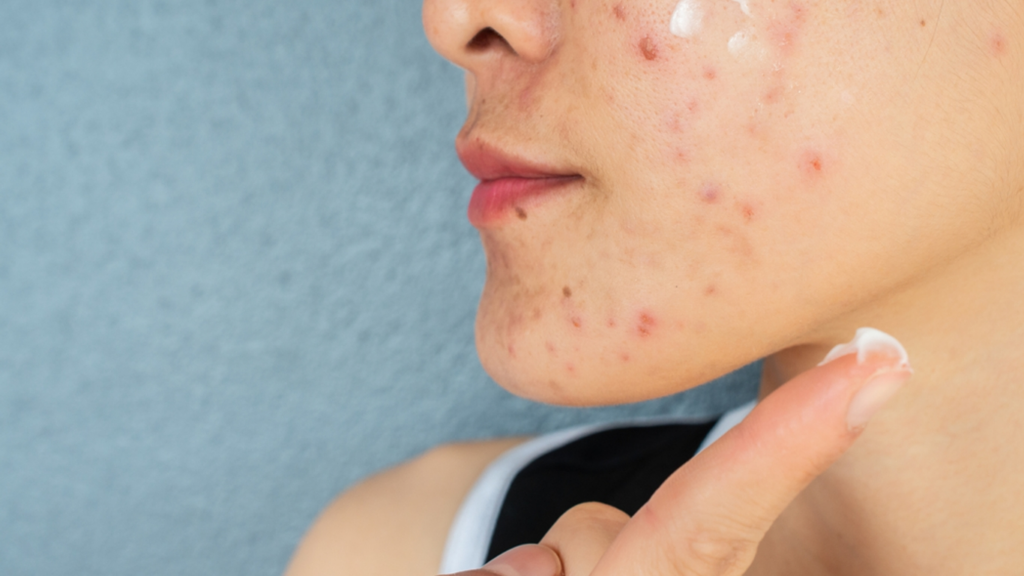
En regiones donde el índice UV suele alcanzar valores de dos dígitos, los mecanismos de defensa de la piel se encuentran constantemente en estado de alerta. Este estado de hipersensibilidad dificulta el diagnóstico. El melasma y la hiperpigmentación postinflamatoria (HPI) pueden parecer idénticos a simple vista —ambos se presentan como manchas marrones o grisáceas—, pero sus orígenes biológicos son muy diferentes. El melasma es una disfunción crónica de las células productoras de pigmento, sensible a las hormonas, mientras que la HPI es una respuesta localizada a lesiones o inflamación, como el acné o los peelings químicos agresivos.
La inspección visual estándar falla porque no puede determinar la profundidad del pigmento. El pigmento que se encuentra en la epidermis (la capa superior) responde bien a los tratamientos tópicos y Dermapen protocolos. Sin embargo, la pigmentación dérmica (en capas más profundas de la piel) requiere una longitud de onda y un enfoque completamente diferentes. Confundir el melasma dérmico con una hiperpigmentación postinflamatoria simple y aplicar el láser incorrecto puede dañar los melanocitos, provocando un oscurecimiento permanente, un fenómeno que observamos con demasiada frecuencia en pacientes que buscan tratamientos correctivos.
Lámpara de Wood y dermatoscopia: el método de referencia para el diagnóstico de melasma frente a hiperpigmentación postinflamatoria (HPI)
Para lograr la precisión 95%+, el protocolo 2026 se basa en dos pilares principales de la tecnología clínica. No se trata de mirar la piel; se trata de mirar a través de eso. Nuestro Diagnóstico de melasma frente a hiperpigmentación postinflamatoria Depende de estas métricas objetivas:
| Herramienta de diagnóstico | Presentación sobre melasma | Presentación de PIH |
|---|---|---|
| Lámpara de Wood (365 nm) | El pigmento se intensifica (epidermis) o se desvanece (dermis). | La pigmentación permanece inalterada o carece de márgenes definidos. |
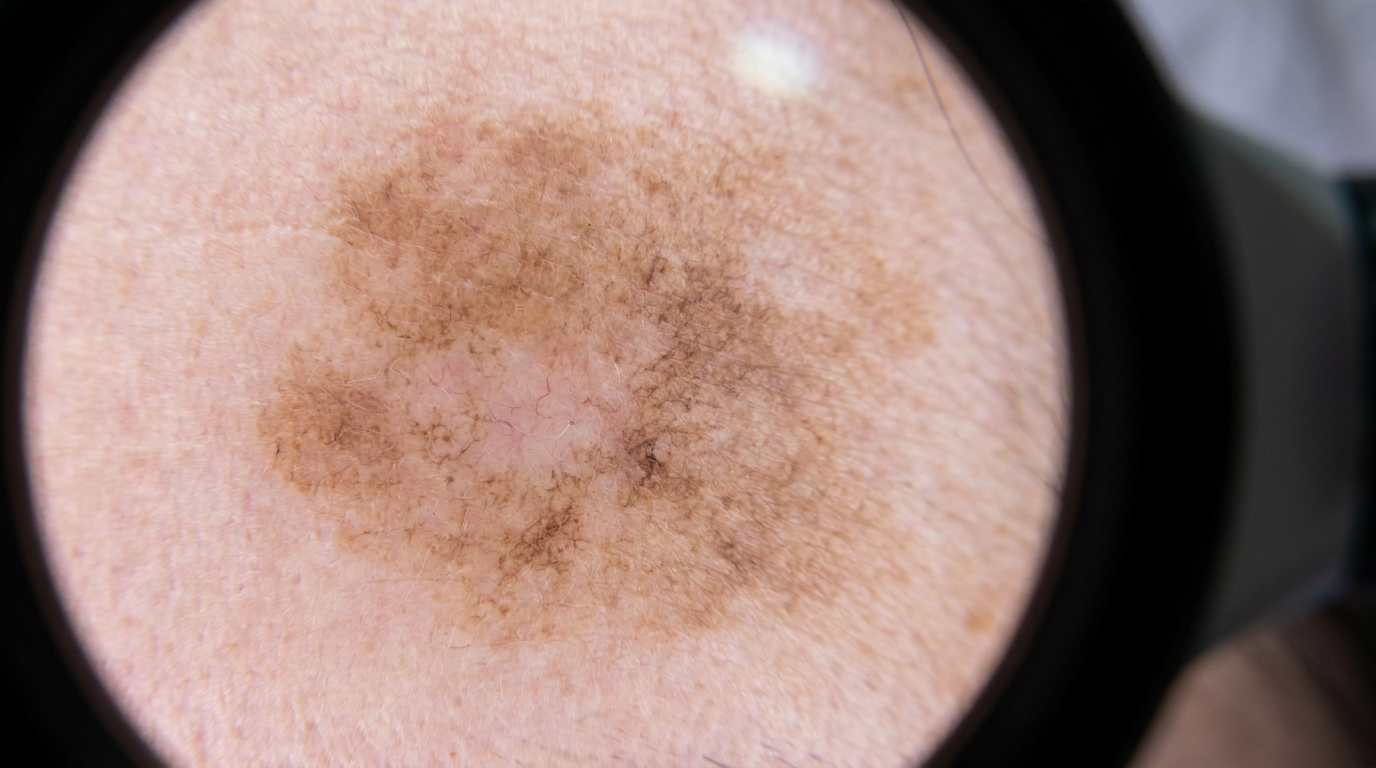
| Dermatoscopia | Patrones vasculares característicos, en forma de "medusa" o reticulares. | Agrupaciones de pigmentos en forma de pseudored o granular. |
| Historial de activación | Fluctuaciones hormonales, embarazo o exposición crónica al calor. | Traumatismo reciente, brote de acné o lesión durante un procedimiento. |
| Simetría | Casi siempre bilateral y simétrico. | Localizada y asimétrica (coincide con el lugar de la lesión). |
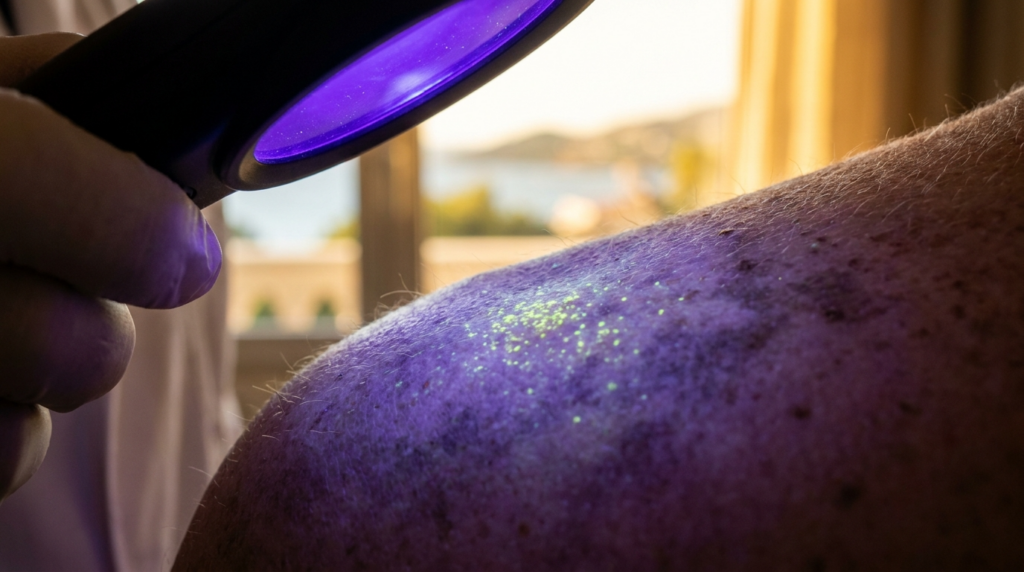
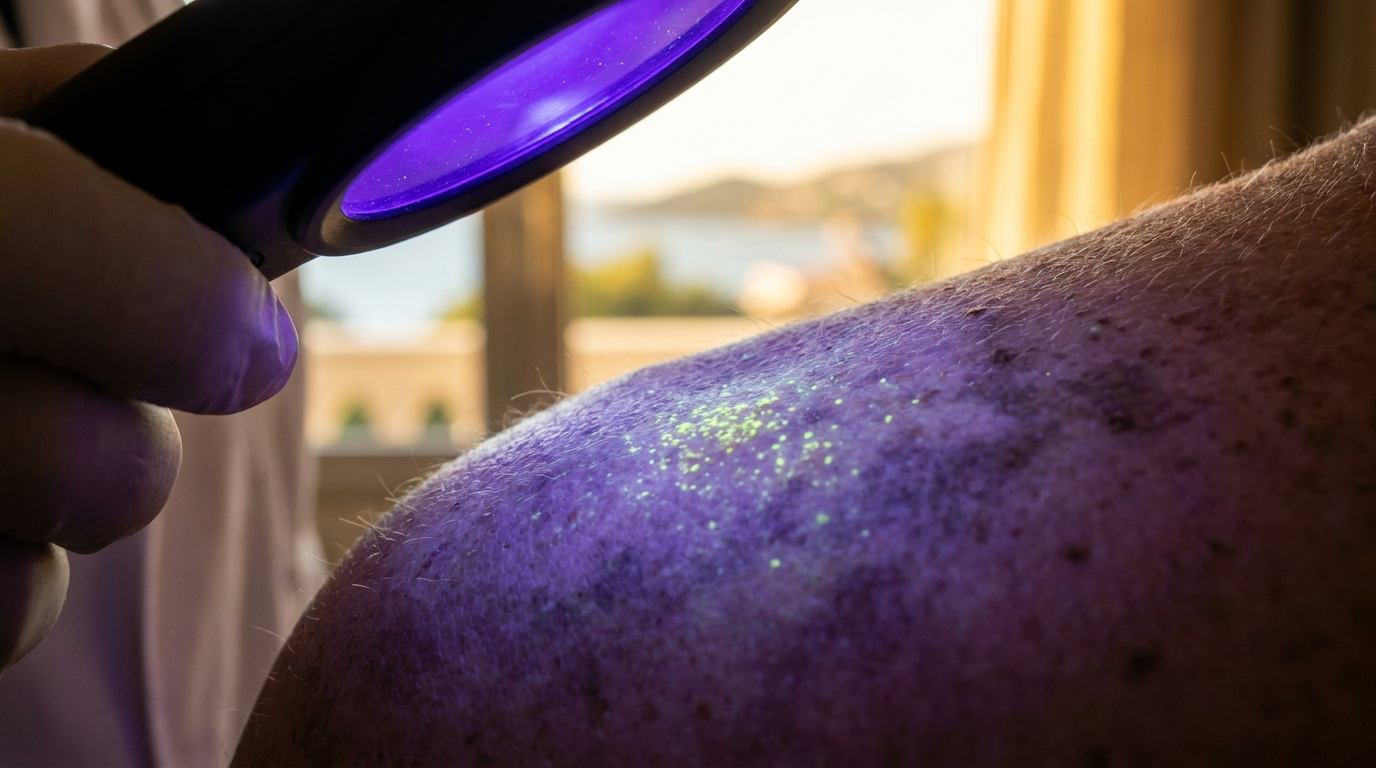
En la Clínica de Dermatología de la Dra. Ebru Okyay, utilizamos la lámpara de Wood para mapear instantáneamente el "Mapa de Profundidad" de su pigmentación. Si las manchas se vuelven más pronunciadas bajo la luz UV, el pigmento es superficial y altamente tratable. Si desaparecen, el pigmento está en la dermis profunda, lo que requiere un plan de manejo a largo plazo más cuidadoso que priorice antienvejecimiento avanzado Estabilización celular frente a exfoliación agresiva.
La biología de la reactividad: cómo el tratamiento puede resultar contraproducente.
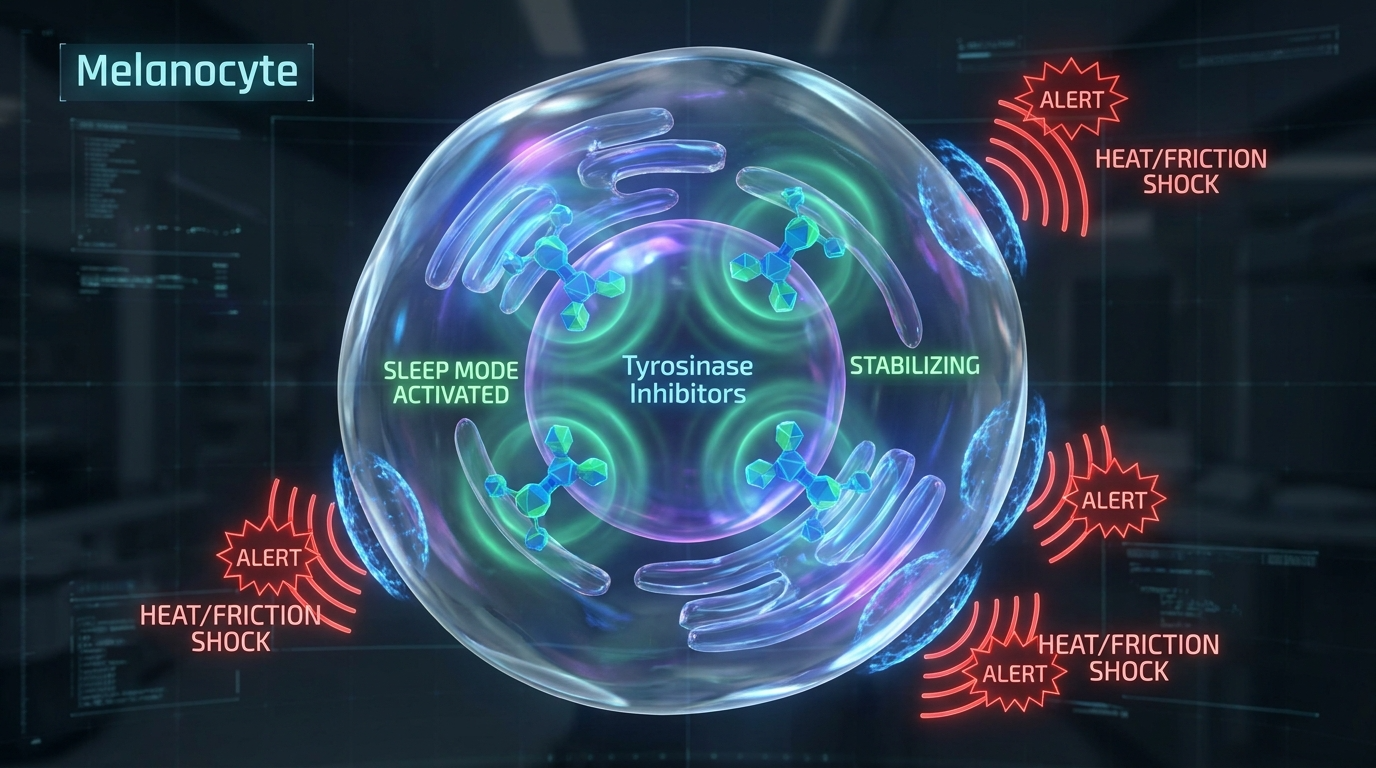
El peligro principal en Diagnóstico de melasma frente a hiperpigmentación postinflamatoria El error radica en la sensibilidad de los melanocitos. Las células del melasma son hiperreactivas; perciben el calor y la fricción como amenazas. Si un médico trata una presunta hiperpigmentación postinflamatoria con un láser de alta temperatura, pero el paciente en realidad tiene melasma, el calor provocará una liberación masiva de pigmento. Esto da como resultado un oscurecimiento posterior al láser, una afección mucho más difícil de tratar que la mancha original.
Comprender esta diferencia biológica es la razón por la que nuestro protocolo exige una fase de “Estabilización Previa al Tratamiento”. No solo tratamos la zona afectada; inactivamos la célula. Esto implica el uso de inhibidores de la tirosinasa para inactivar la “fábrica de pigmento” antes de cualquier intervención. Este nivel de atención clínica es lo que distingue la dermatología médica de los servicios estéticos de salón.
Tu protocolo de 3 pasos para la verificación de pigmentos
Si está luchando contra manchas oscuras persistentes, siga este camino clínico para asegurarse de que su Diagnóstico de melasma frente a hiperpigmentación postinflamatoria es preciso antes de comenzar cualquier tratamiento activo:
- La prueba de simetría: Comprueba si las manchas en tus mejillas, frente o labio superior son simétricas. Los patrones simétricos indican claramente melasma, mientras que la distribución aleatoria sugiere hiperpigmentación postinflamatoria (HPI).
- Revisión vascular: Utilice un espejo de aumento. ¿Ve pequeños vasos sanguíneos rojos, como arañas vasculares, dentro de la mancha marrón? Este componente vascular es característico del melasma y requiere tratamientos específicos que combatan el enrojecimiento, no solo la pigmentación.
- Mapeo de profundidad clínica: Solicite una consulta para un examen profesional con lámpara de Wood. No acepte un plan de tratamiento basado únicamente en una simple mirada de 30 segundos.
Siguiendo estos pasos, evitará el ciclo de “ensayo y error” que adelgaza la piel y agrava la hiperpigmentación. Para una evaluación precisa, puede Contacta con nuestra clínica en Antalya. Hablar con un especialista que comprenda los desafíos únicos de la piel mediterránea.
Más allá del punto de venta: una filosofía de gestión a largo plazo
El diagnóstico es solo el comienzo. Una vez que tengamos un diagnóstico confirmado Diagnóstico de melasma frente a hiperpigmentación postinflamatoria, El protocolo de 2026 se centra en la protección. En Antalya, el simple uso de protector solar no es suficiente. Prescribimos protección contra la luz visible (protectores solares con color que contienen óxidos de hierro) porque ahora sabemos que la luz azul del sol es tan dañina para los pacientes con melasma como los rayos UV.
La verdadera salud de la piel se logra cuando dejamos de tratar solo las imperfecciones y comenzamos a cuidar el entorno. Ya sea mediante mesoterapia personalizada o tratamientos tópicos de grado médico, nuestro objetivo es restaurar la barrera natural de la piel. Para obtener más información sobre cómo mantener los resultados, explore nuestra Blog de dermatología Para obtener las últimas novedades sobre la ciencia de los pigmentos.
Preguntas frecuentes
¿Cómo puedo diferenciar en casa entre melasma e hiperpigmentación postinflamatoria?
Si bien la simetría es un indicador importante (el melasma suele ser simétrico, la hiperpigmentación postinflamatoria no), para un diagnóstico definitivo de melasma o hiperpigmentación postinflamatoria se requiere una lámpara de Wood. Si la mancha oscura apareció justo donde había un grano o rasguño, probablemente se trate de hiperpigmentación postinflamatoria. Si apareció gradualmente sin ninguna lesión, probablemente se trate de melasma.
¿El tratamiento para el melasma y la hiperpigmentación postinflamatoria es el mismo?
No, y usar el tratamiento incorrecto puede ser peligroso. La hiperpigmentación postinflamatoria suele responder bien a tratamientos de rejuvenecimiento como Dermapen. Sin embargo, un rejuvenecimiento agresivo puede empeorar el melasma. El melasma requiere estabilización de la pigmentación y control vascular, que a menudo implica el uso de láseres con menor potencia y energía o bloqueos químicos.
¿El sol de Antalya hace que el melasma sea permanente?
El melasma es una afección crónica, pero no incurable. En zonas con alta radiación UV, como Antalya, su tratamiento requiere una estricta protección contra la luz visible. Con el protocolo 2026 adecuado, podemos lograr una remisión a largo plazo, aunque se requiere mantenimiento para prevenir brotes inducidos por el calor.
¿Puedo tener melasma y hiperpigmentación postinflamatoria simultáneamente?
Sí, esto es común en pacientes con piel propensa al acné que también presentan factores hormonales desencadenantes. Esta complejidad justifica la importancia de un examen dermatoscópico profesional. Debemos identificar qué pigmento es reactivo y cuál es secundario para asegurar que el plan de tratamiento sea coherente.
El cuidado experto de la piel comienza con la experiencia certificada. La Dra. Ebru Okyay, graduada de la Facultad de Medicina de Cerrahpaşa, combina años de especialización clínica con un enfoque refinado de la salud estética. Si está lista para un Diagnóstico de melasma frente a hiperpigmentación postinflamatoria Si buscas algo que vaya más allá de la superficie, visítanos en Antalya para un protocolo personalizado que respete la biología única de tu piel.

 Spanish
  English
  German
  French
  Italian
  Russian
  Arabic
  Turkish