
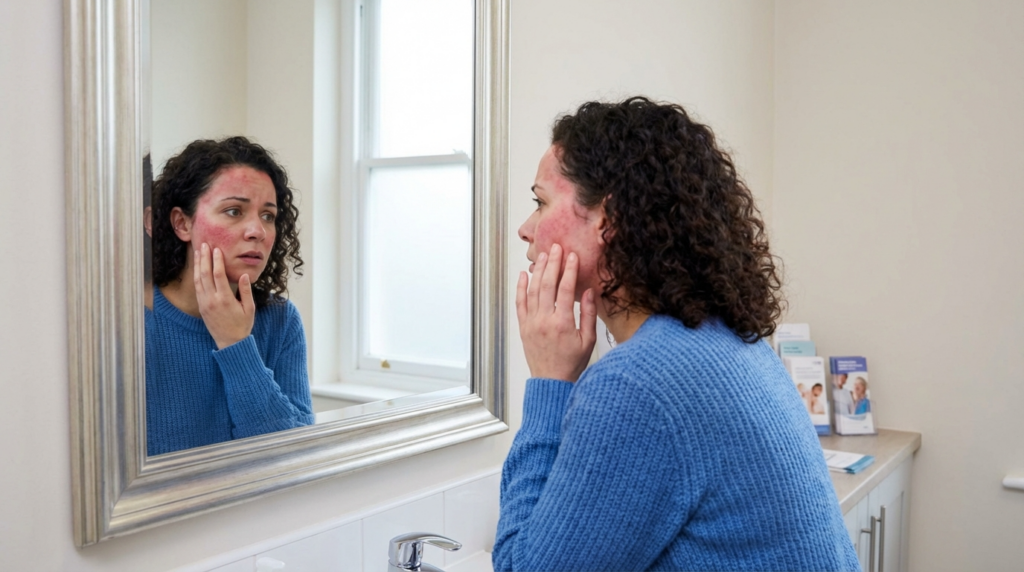
Imagine waking up to a persistent rash on your face or scalp, one that refuses to fade despite creams and ointments. For many, this isn’t just a fleeting irritation—it’s the first sign of cutaneous lupus erythematosus (CLE), a form of lupus that targets the skin. Unlike its systemic counterpart, CLE often spares internal organs but demands equal vigilance. Left unmanaged, it can lead to permanent scarring, hair loss, and even signal a risk of systemic involvement. The good news? With the right knowledge and treatment, you can regain control of your skin—and your confidence.
This 2026 guide cuts through the medical jargon to deliver clear, actionable insights on CLE—from recognizing its varied presentations (like discoid lupus erythematosus o subacute cutaneous lupus) to mastering management strategies. Whether you’re newly diagnosed or seeking to refine your approach, this guide empowers you with the latest dermatological expertise.
Understanding Cutaneous Lupus Erythematosus: More Than Just a Rash
Cutaneous lupus erythematosus (CLE) is an autoimmune condition where the immune system mistakenly attacks healthy skin cells. It manifests in distinct forms, each with unique triggers and symptoms:
- Discoid Lupus Erythematosus (DLE): The most common type, characterized by scarring lesions on the face, scalp, or ears. These lesions often leave permanent marks if untreated.
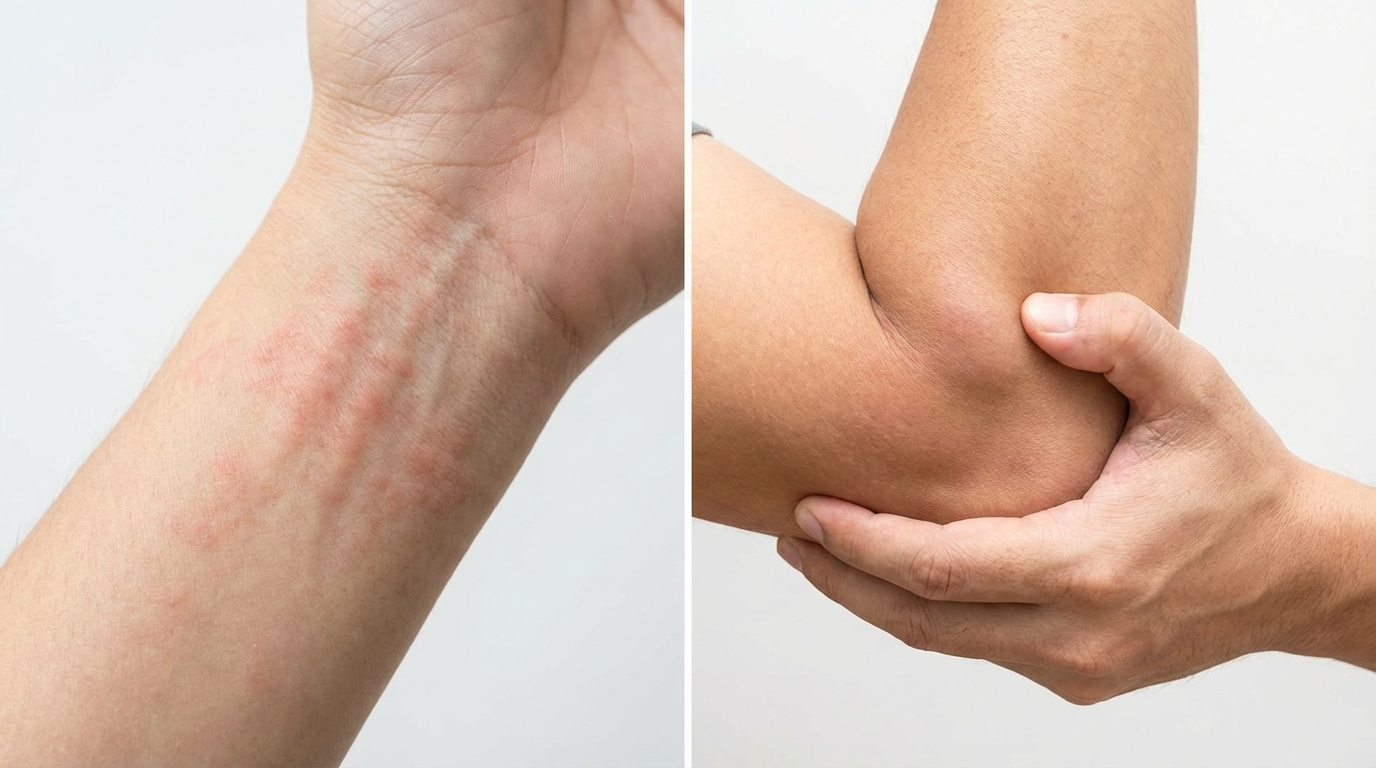
- Subacute Cutaneous Lupus (SCLE): Presents as non-scarring, red, scaly patches or ring-shaped rashes, often triggered by photosensitivity.
- Acute Cutaneous Lupus: Typically linked to systemic lupus, it includes the classic malar rash (butterfly rash) across the cheeks and nose.
While CLE primarily affects the skin, it’s crucial to monitor for signs of systemic involvement risk. Early diagnosis and tailored treatment can prevent complications and improve quality of life.
The CLE Trigger Trifecta: Sunlight, Stress, and Skin Trauma
Three major triggers exacerbate CLE symptoms:
- Fotosensibilidad: UV exposure is the #1 trigger for CLE flares. Even minimal sun can provoke rashes or worsen existing lesions. Sun protection isn’t optional—it’s a lifeline.
- Estrés: Emotional or physical stress weakens immune regulation, making skin more vulnerable to CLE outbreaks.
- Skin Trauma: Cuts, burns, or even aggressive skincare can trigger the Koebner phenomenon, where CLE lesions form at injury sites.
Understanding these triggers empowers you to take proactive steps. For instance, integrating broad-spectrum sunscreen into your daily routine isn’t just about anti-aging—it’s a critical CLE management strategy.

Diagnosis: How Dermatologists Confirm CLE
Diagnosing CLE requires a multi-step approach:
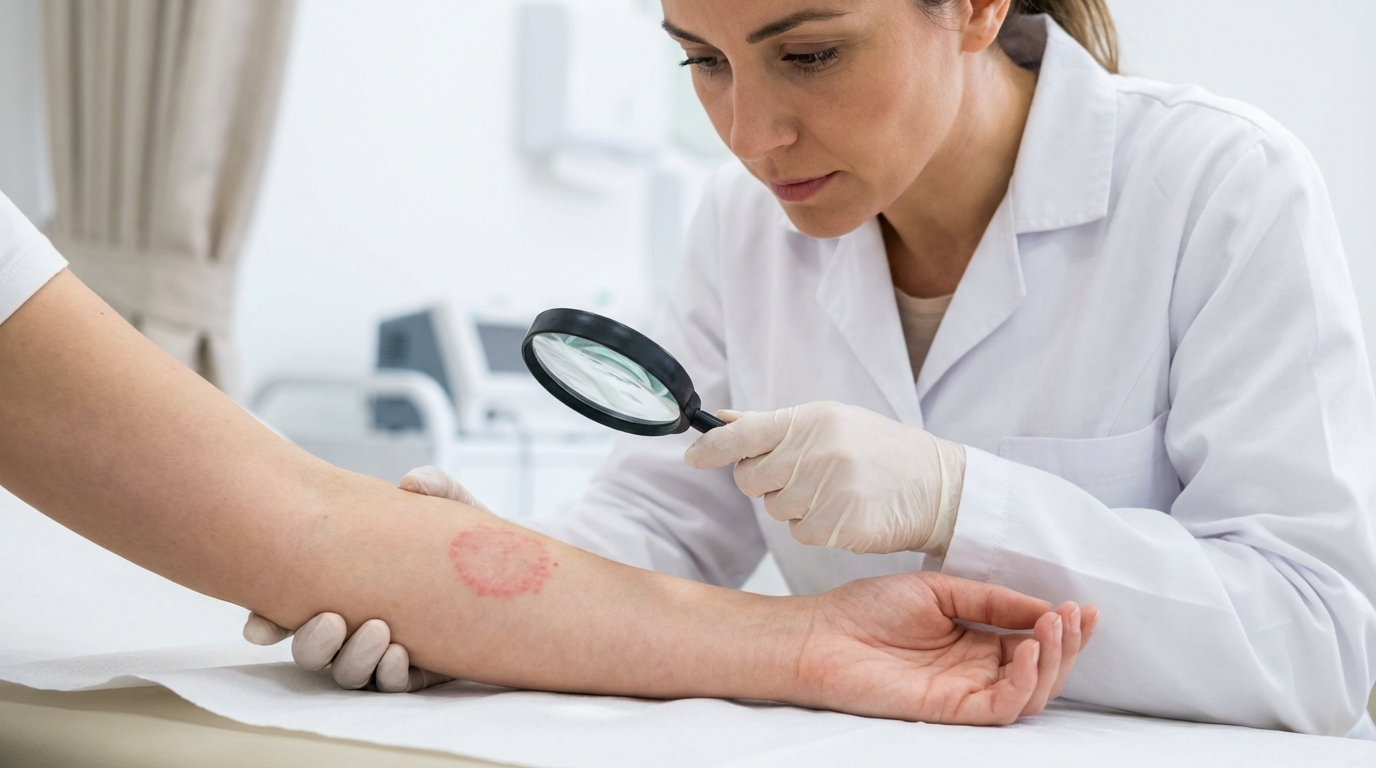
- Examen clínico: A dermatologist assesses the rash’s location, shape, and scarring potential. Scalp involvement, for example, often points to DLE.
- Biopsia de piel: A small tissue sample confirms CLE by revealing immune cell activity and other microscopic changes.
- Análisis de sangre: While not definitive for CLE, tests like ANA or anti-Ro/SSA antibodies help rule out systemic lupus.
Early diagnosis is key. If you notice persistent rashes—especially in sun-exposed areas—consult a dermatólogo promptly. Delaying treatment increases the risk of permanent scarring.
Tailored Treatment: From Topical Solutions to Systemic Support
CLE treatment focuses on controlling symptoms, preventing flares, and minimizing scarring. The approach depends on the severity and type of CLE:
First-Line Defenses: Topical Therapies
- Corticosteroides tópicos: High-potency creams or ointments reduce inflammation and speed healing. Ideal for mild to moderate DLE lesions.
- Calcineurin Inhibitors: Non-steroidal options like tacrolimus or pimecrolimus for sensitive areas (e.g., face).
- Retinoides: Help manage hyperkeratosis (thickened skin) in chronic DLE lesions.
Systemic Solutions for Severe or Resistant CLE
- Antimalarial Drugs: Hydroxychloroquine is the gold standard for CLE, reducing flares by up to 70%. It also provides sun protection benefits.
- Corticosteroides orales: Short-term use for severe flares, but long-term reliance risks side effects.
- Inmunosupresores: Methotrexate or mycophenolate mofetil for refractory cases.
Your dermatologist will tailor treatment based on your CLE subtype, symptom severity, and medical history. For example, scalp involvement in DLE may require aggressive therapy to prevent permanent hair loss.
CLE vs. Systemic Lupus: Key Differences You Need to Know
One of the most common concerns is whether CLE will progress to systemic lupus erythematosus (SLE). Here’s what the latest research says:
| Característica | Cutaneous Lupus (CLE) | Systemic Lupus (SLE) |
|---|---|---|
| Primary Target | Skin only | Multiple organs (kidneys, joints, brain) |
| Systemic Involvement Risk | Low (~5–10% progress to SLE) | Always present |
| Síntomas comunes | Rashes, scarring, hair loss | Fatigue, joint pain, fever, organ damage |
| Diagnóstico | Skin biopsy + clinical exam | Blood tests (ANA, anti-dsDNA) + clinical criteria |
| Treatment Focus | Topical/antimalarials | Immunosuppressants, biologics |
While CLE primarily affects the skin, regular monitoring for systemic symptoms (e.g., joint pain, fatigue) is essential. Early intervention can prevent progression.
Living with CLE: Practical Tips for Daily Management
Managing CLE extends beyond medication. These lifestyle adjustments can significantly reduce flares:
- Protección solar: Use broad-spectrum SPF 50+ daily, even indoors (UVA penetrates windows). Reapply every 2 hours. Wear protective clothing and wide-brimmed hats.
- Manejo del estrés: Practice mindfulness, yoga, or therapy to mitigate stress-induced flares.
- Cuidado suave de la piel: Avoid harsh exfoliants or fragrances. Opt for hypoallergenic, non-comedogenic products.
- Dietary Support: Anti-inflammatory foods (omega-3s, turmeric) may complement treatment. Consult your dermatologist before starting supplements.
For personalized skincare recommendations, explore our Blog de dermatología, where we dive deeper into CLE-friendly routines.
When to See a Dermatologist: Red Flags You Shouldn’t Ignore
Schedule an appointment if you experience:
- New or worsening rashes, especially on the face or scalp.
- Lesions that don’t heal within 2–3 weeks.
- Signs of infection (pus, excessive pain, or swelling).
- Systemic symptoms like fever, fatigue, or joint pain (potential SLE warning signs).
Early intervention prevents complications. If you’re in Antalya, Contacte con la Dra. Ebru Okyay for a comprehensive evaluation.
Conclusion: Taking Control of Your CLE Journey
Cutaneous lupus erythematosus presents unique challenges, but with the right knowledge and support, you can manage symptoms effectively. Remember:
- Early diagnosis minimizes scarring and systemic risks.
- Sun protection is non-negotiable—UV exposure is the #1 trigger.
- Tailored treatment (topical corticosteroids, antimalarials) can control flares and improve quality of life.
- Regular monitoring ensures any systemic involvement is caught early.
You’re not alone in this journey. With advancements in dermatology and a proactive approach, CLE can be managed successfully. For further guidance, explore our expert resources o Programar una consulta hoy.
Conclusiones clave
- CLE primarily affects the skin but requires vigilance for systemic involvement risk.
- Discoid lupus erythematosus (DLE) y subacute cutaneous lupus (SCLE) are the most common subtypes.
- Photosensitivity is the leading trigger—prioritize sun protection.
- Antimalarial drugs like hydroxychloroquine are first-line treatments for most CLE cases.
- Early intervention prevents scarring lesions and improves long-term outcomes.
Próximos pasos
- Consult a dermatologist for a personalized CLE management plan.
- Adopt strict sun protection to prevent flares.
- Monitor for systemic symptoms and report changes promptly.
Preguntas frecuentes (FAQ)
Can cutaneous lupus erythematosus turn into systemic lupus?
While CLE primarily affects the skin, about 5–10% of cases may progress to systemic lupus erythematosus (SLE). Regular monitoring helps detect early signs of systemic involvement.
What’s the best sunscreen for CLE?
Opt for broad-spectrum SPF 50+ sunscreens with UVA/UVB protection. Physical blockers (zinc oxide, titanium dioxide) are ideal for sensitive skin. Reapply every 2 hours, even on cloudy days.
How do I know if my rash is CLE or something else?
CLE rashes are often persistent, scaly, and located in sun-exposed areas. A dermatologist can confirm diagnosis via skin biopsy and clinical examination.
Are there natural remedies for CLE?
While no natural remedy replaces medical treatment, anti-inflammatory diets (rich in omega-3s) and stress management techniques may support overall skin health. Always consult your dermatologist first.
For expert care in Antalya, trust Dra. Ebru Okyay, a leading dermatologist specializing in autoimmune skin conditions. Whether you’re managing CLE or exploring cosmetic treatments like Botox o rellenos dérmicos, personalized solutions await.
 Spanish
  English
  German
  French
  Italian
  Russian
  Arabic
  Turkish