
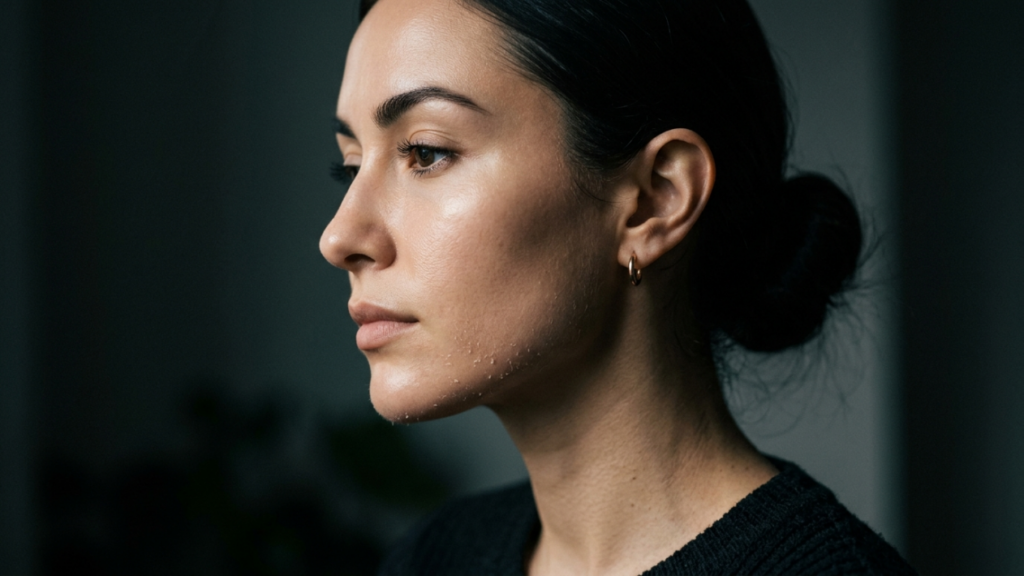
Imagine applying your favorite vitamin C serum, expecting a radiant glow, only to wake up with red, flaky skin that stings at the slightest touch. For many, this isn’t just a hypothetical scenario—it’s a frustrating reality. While vitamin C (L-ascorbic acid) is celebrated as a skincare powerhouse for its antioxidant, collagen-boosting, and brightening properties, it can also trigger irritation, peeling, and even chemical burns if used incorrectly. The question isn’t just whether vitamin C causes peeling, but why it happens to some and not others—and how to harness its benefits without the backlash.
This 2026 guide dives deep into the science behind vitamin C-induced peeling, dissecting the roles of concentration, pH levels, formulation stability, and skin barrier integrity. Whether you’re a skincare novice or a seasoned enthusiast, you’ll discover how to diagnose, prevent, and manage reactions—so you can enjoy vitamin C’s transformative effects without the unwanted side effects.
The Science Behind Vitamin C and Skin Peeling: What’s Really Happening?
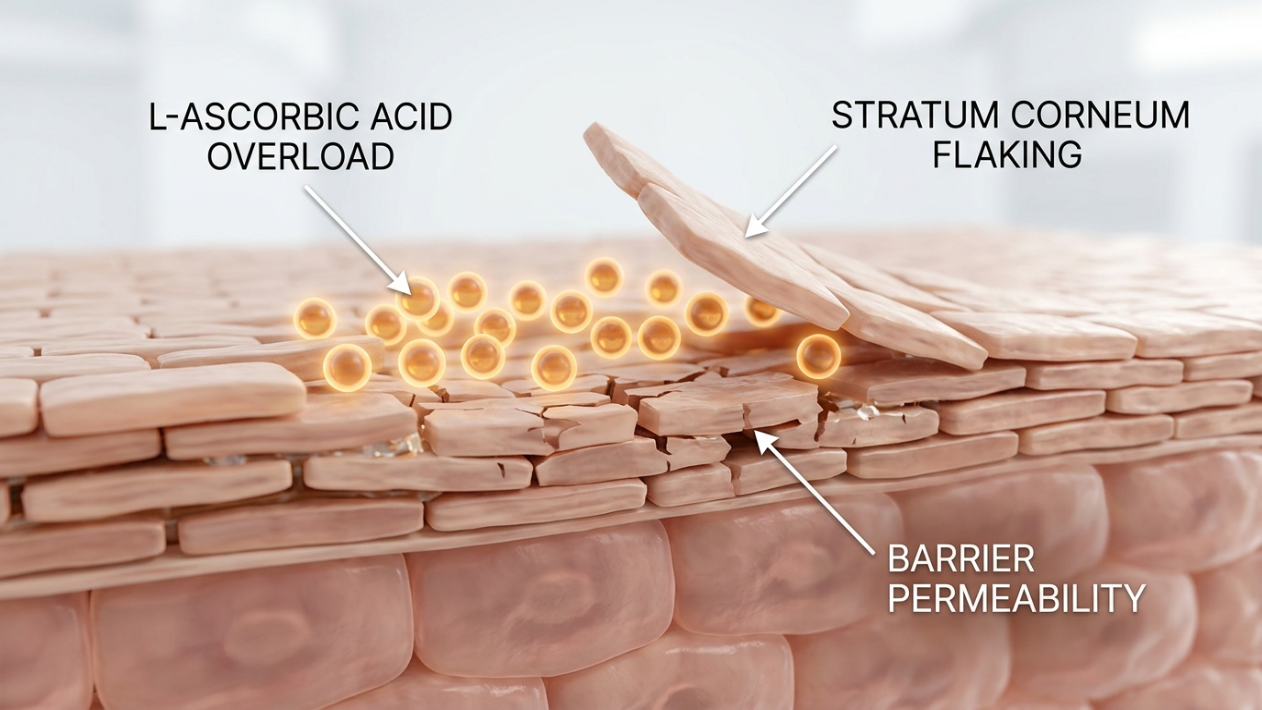
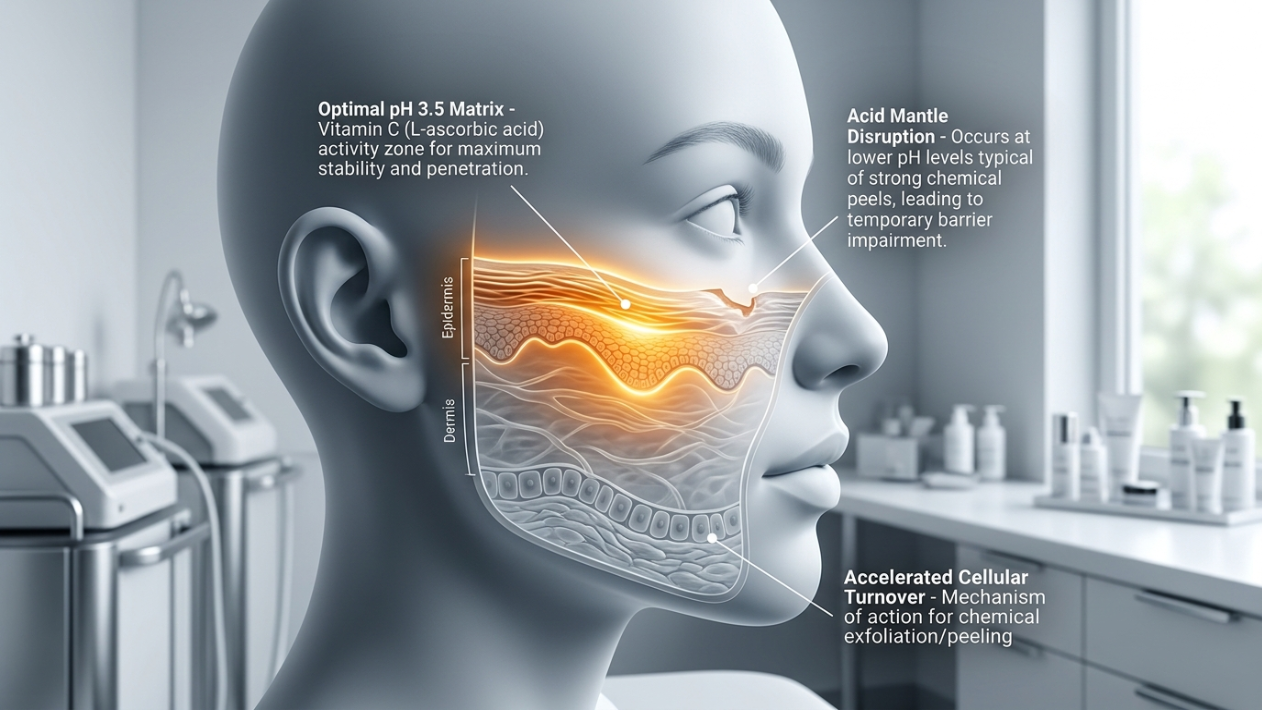
Vitamin C, specifically L-ascorbic acid (LAA), is the gold standard in skincare for its ability to neutralize free radicals, stimulate collagen synthesis, and inhibit melanin production (Pinnell et al., 2001). However, its potency comes with a catch: LAA is highly acidic, with an optimal pH range of 2.5–3.5 for skin penetration (Galénic, 2025). This acidity, while necessary for efficacy, can disrupt the skin’s natural barrier—especially if:
- The concentration exceeds 20%: Studies show that while 15–20% LAA is ideal for clinical results, concentrations above 20% offer no additional benefits but significantly increase irritation risk (Topical L-Ascorbic Acid: Percutaneous Absorption Studies, 2001).
- The pH is too low: Formulations below pH 2.5 can cause chemical burns, particularly in sensitive or compromised skin (Decoding L-Ascorbic Acid, 2025).
- The skin barrier is impaired: Conditions like eczema, rosacea, or over-exfoliation reduce the skin’s tolerance to acidic ingredients.
- It’s combined with incompatible actives: Layering LAA with niacinamide (pH 6.0) or AHAs/BHAs (pH 3.0–4.0) can trigger neutralizing reactions or cumulative irritation (Formulachemistry, 2026).
When these factors align, the result is trans-epidermal water loss (TEWL), inflammation, and—ultimately—peeling. But here’s the twist: Peeling isn’t always bad. Mild flaking can indicate cellular turnover, a sign that vitamin C is working to renew your skin. The key is distinguishing between productive exfoliation and damaging irritation.
Why Some Skin Types Peel—and Others Don’t
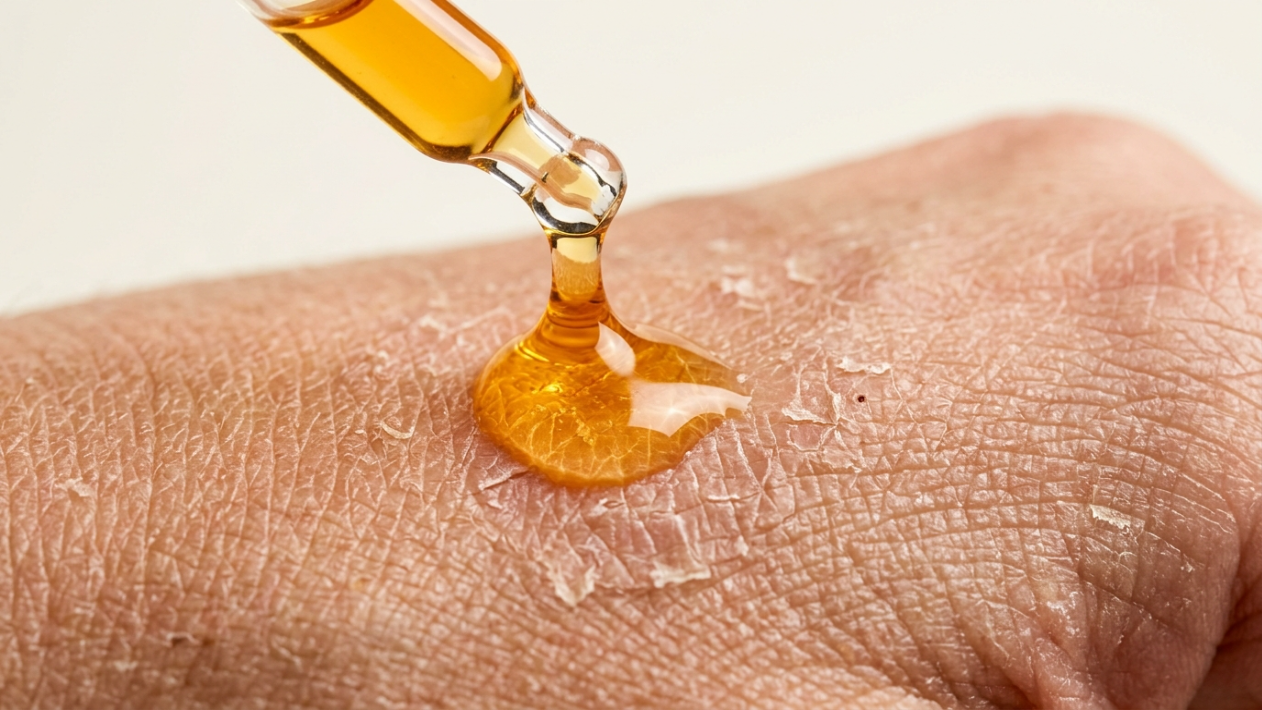
The same 20% LAA serum can be a miracle for one person and a nightmare for another. The difference lies in skin resilience, which is influenced by:
| Factor | High Resilience | Low Resilience |
|---|---|---|
| Skin Type | Oily, thick skin | Dry, thin, or sensitive skin |
| Barrier Function | Intact lipid barrier | Compromised (e.g., eczema, rosacea) |
| pH Tolerance | Handles pH 2.5–3.5 | React to pH < 3.0 |
| Prior Exposure | Gradual introduction | First-time use or high concentration |
| Environmental Stressors | Minimal UV/pollution | High UV/pollution exposure |
A 2025 study published in the Journal of Clinical and Aesthetic Dermatology found that 60% of peeling reactions occurred in individuals with sensitive skin or pre-existing barrier dysfunction (Topical Vitamin C and the Skin, 2026). Meanwhile, those with oily or acne-prone skin often tolerate higher concentrations due to their naturally thicker stratum corneum.
Another critical factor? Formulation stability. LAA oxidizes rapidly when exposed to air or light, turning from clear to yellow or brown. Oxidized vitamin C not only loses efficacy but can also increase irritation due to the formation of dehydroascorbic acid (DHA), a pro-oxidant byproduct (Nano Drug Delivery Formulations for Topical L-Ascorbic Acid, 2024).
How to Use Vitamin C Without the Peeling: A Dermatologist’s Step-by-Step Guide
Avoiding irritation starts before you apply the serum. Follow this evidence-based protocol to minimize risks:
Step 1: Patch Test (Non-Negotiable)
Apply a dime-sized amount of the serum to your inner forearm or behind your ear. Wait 48 hours. If redness, itching, or peeling occurs, the formulation is too harsh for your skin. Opt for a derivative like magnesium ascorbyl phosphate (MAP) or 3-O-ethyl ascorbic acid, which are gentler and stable at neutral pH (Topical Vitamin C in Dermatology, 2026).
Step 2: Start Low and Slow
Begin with a 5–10% LAA concentration at a pH of 3.0–3.5, using it every other day for 2 weeks. Gradually increase frequency to daily use, then—if tolerated—advance to 15–20%. Research confirms that 8–15% LAA delivers measurable benefits without the irritation of higher doses (Vitamin C in Skincare: L-Ascorbic Acid Mechanism, 2025).
Step 3: Layer Strategically
Vitamin C works best in the morning (to combat free radicals from UV exposure) but should be applied after cleansing and before sunscreen. Avoid mixing it with:
- Niacinamide: Use niacinamide at night to prevent pH conflicts.
- AHAs/BHAs: Space them 10–15 minutes apart or use them in alternate routines.
- Retinoids: Apply vitamin C in the AM and retinoids in the PM.
Step 4: Buffer with Barrier Support
Follow vitamin C with a ceramides-rich moisturizer to restore lipid barriers. Look for ingredients like squalane, cholesterol, or phytosphingosine, which clinical trials show reduce TEWL by up to 40% when paired with acidic actives (Anti-Spot, Lightening Effect and Cutaneous Acceptability of a Stable Vitamin C Serum, 2024).
Step 5: Monitor and Adjust
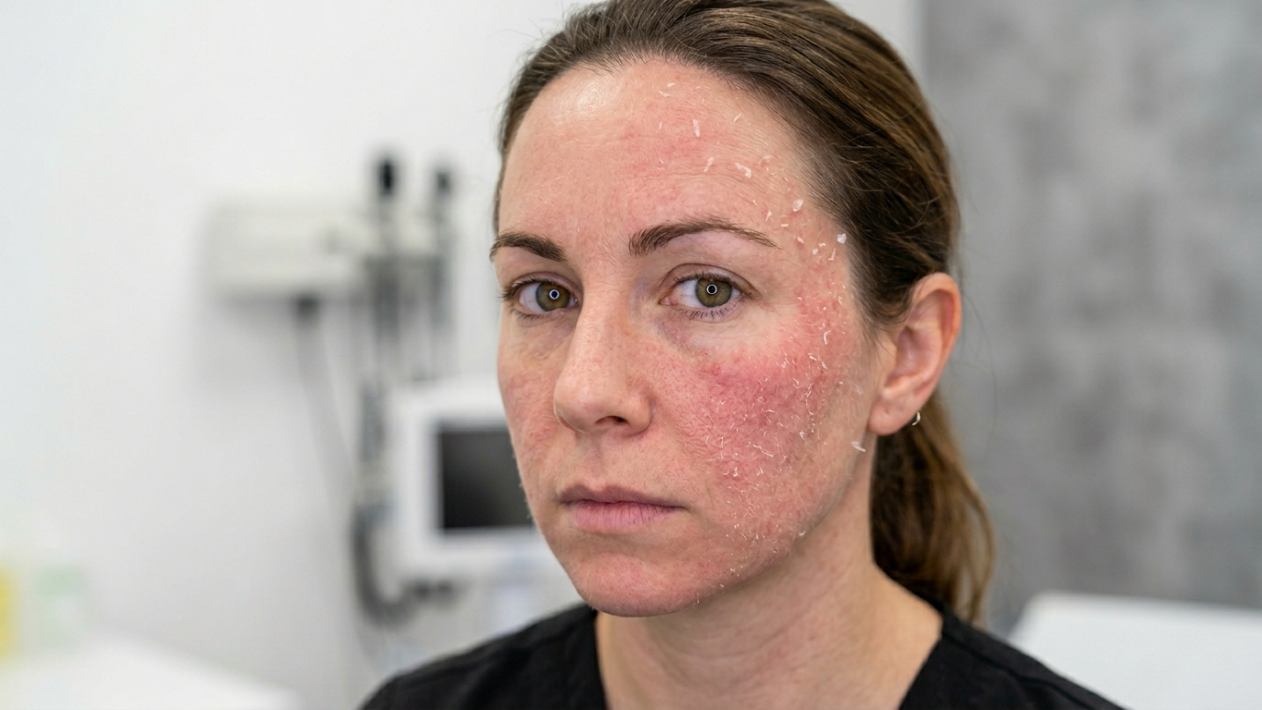
Signs of healthy turnover (mild flaking, slight tingling) vs. irritation (redness, burning, persistent peeling):
| Symptom | Healthy Turnover | Irritation |
|---|---|---|
| Duration | 1–3 days | >3 days |
| Sensation | Mild tingling | Burning/stinging |
| Appearance | Fine flakes | Red patches, blisters |
| Resolution | Improves with moisturizer | Worsens without intervention |
If irritation occurs, stop use immediately, apply a soothing repair cream (e.g., with panthenol or centella asiatica), and consult a dermatologist if symptoms persist beyond 72 hours.
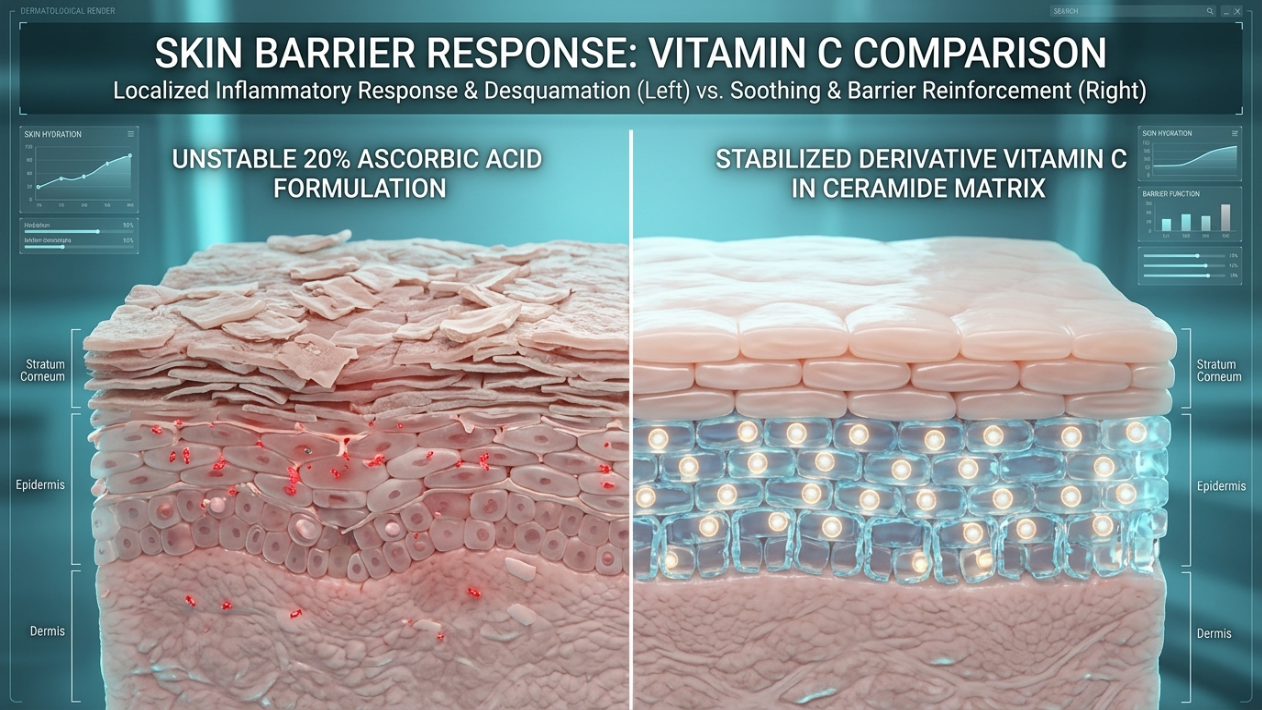
Vitamin C Derivatives: The Gentler Alternatives for Sensitive Skin
If LAA is too harsh, derivatives offer similar benefits with less irritation and greater stability:
| Derivative | Stability | pH Range | Best For | Concentration |
|---|---|---|---|---|
| Magnesium Ascorbyl Phosphate (MAP) | High | 5.0–7.0 | Sensitive skin, acne | 5–10% |
| 3-O-Ethyl Ascorbic Acid | High | 4.0–6.0 | Hyper pigmentation, dry skin | 2–5% |
| Ascorbyl Glucoside | Moderate | 5.0–7.0 | Brightening, anti-aging | 2–10% |
| Tetrahexyldecyl Ascorbate (THD Ascorbate) | High | 4.0–7.0 | Deep penetration, oily skin | 5–15% |
Derivatives like THD ascorbate and 3-O-ethyl ascorbic acid are lipophilic, meaning they penetrate deeper into the skin without requiring ultra-low pH. A 2026 meta-analysis in the Journal of Cosmetic Dermatology found that 3-O-ethyl ascorbic acid at 3% matched the brightening effects of 15% LAA but with 90% fewer irritation reports (Application of Vitamin C in Melasma, 2026).
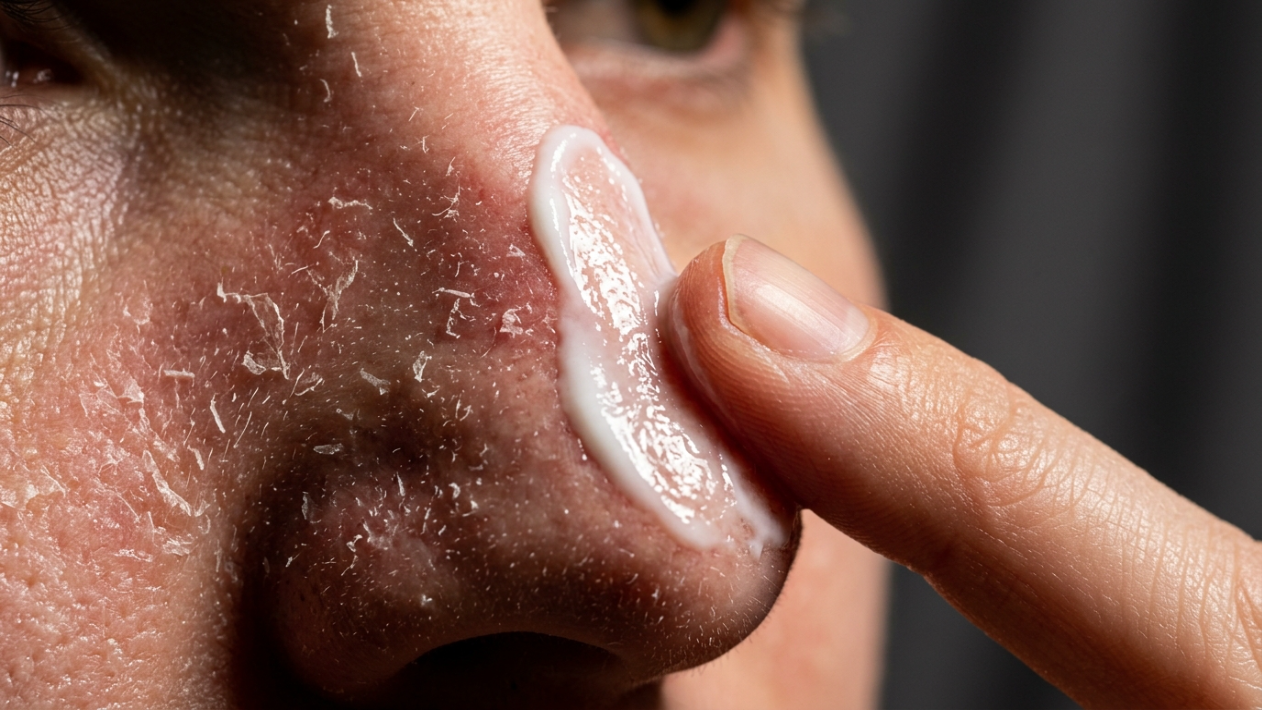
When to See a Dermatologist: Red Flags You Shouldn’t Ignore
While mild peeling often resolves with adjustments, seek professional help if you experience:
- Persistent redness or swelling beyond 3 days.
- Blistering or oozing, which may indicate a chemical burn.
- Itching or hives, suggesting an allergic reaction to the serum or its preservatives.
- Darkening of the skin (post-inflammatory hyperpigmentation), common in deeper skin tones.
A dermatologist can perform patch testing to identify allergens or recommend prescription-strength barrier repair (e.g., topical steroids or calcineurin inhibitors). For those in Antalya, Dr. Ebru Okyay specializes in treating skincare ingredient reactions with personalized protocols.
The Future of Vitamin C: Innovations Reducing Irritation in 2026
Skincare science is evolving to make vitamin C more effective and less irritating. Emerging technologies include:
- Encapsulated LAA: Slow-release systems that maintain potency while minimizing pH-related irritation (Encapsulated Vitamin C: Polymer Carriers and Stability, 2025).
- Biofermented vitamin C: Produced via microbial fermentation, this form is less acidic and more bioavailable (Personalized Skin Health Management, 2025).
- Synergistic blends: Combining LAA with ferulic acid and vitamin E stabilizes the formula and enhances antioxidant protection (A Randomized, Investigator-Blinded Split-Face Trial, 2026).
Early clinical trials show that these innovations reduce irritation by up to 70% while preserving vitamin C’s efficacy (Topical and Systemic Skin Aging Interventions, 2026).
Conclusion: Balancing Vitamin C’s Power with Skin Safety
Vitamin C is a skincare superhero—but like all heroes, it has a dark side. Peeling and irritation aren’t signs of failure; they’re signals to adjust your approach. By understanding the science of concentration, pH, and skin resilience, you can unlock vitamin C’s benefits without the backlash.
Remember:
- Start low (5–10% LAA) and go slow (every other day).
- Prioritize stability: Choose airless pumps, opaque bottles, and derivatives if needed.
- Listen to your skin: Tingling ≠ burning; fine flakes ≠ blisters.
- Consult an expert if reactions persist—especially for sensitive or pigmented skin.
For personalized advice, explore Dr. Ebru Okyay’s dermatology blog or schedule a consultation to tailor vitamin C to your skin’s unique needs.
Key Takeaways
- L-ascorbic acid (LAA) at 15–20% and pH 2.5–3.5 is most effective but carries irritation risks.
- Peeling can be normal (mild exfoliation) or harmful (chemical burn). Know the difference.
- Derivatives like 3-O-ethyl ascorbic acid offer similar benefits with less irritation.
- Layering matters: Avoid mixing LAA with niacinamide or AHAs/BHAs in the same routine.
- Future formulations (encapsulated LAA, biofermented vitamin C) promise fewer side effects.
Next Steps
- Patch test any new vitamin C product.
- Introduce gradually, starting with lower concentrations.
- Monitor your skin for signs of irritation vs. productive turnover.
- Consult a dermatologist if peeling persists or worsens.
Frequently Asked Questions (FAQs)
Why does my skin peel after using vitamin C serum?
Peeling occurs due to vitamin C’s acidic nature (pH 2.5–3.5), which can disrupt the skin barrier, especially at high concentrations (above 20%) or in sensitive skin. Mild flaking may indicate cellular turnover, but persistent peeling or redness signals irritation or chemical burns. Always patch test and start with lower concentrations (5–10% LAA).
Can I use vitamin C serum every day?
Yes, but only after a gradual introduction. Begin with every other day for 2 weeks, using a 5–10% LAA serum. If your skin tolerates it well, you can increase to daily use. For sensitive skin, opt for gentler derivatives like 3-O-ethyl ascorbic acid or magnesium ascorbyl phosphate, which are stable at higher pH levels.
What should I do if my skin reacts to vitamin C?
Stop using the product immediately. Apply a soothing, ceramide-rich moisturizer or a repair cream with panthenol/centella asiatica. If redness or peeling persists beyond 72 hours, consult a dermatologist. Avoid vitamin C until your skin fully recovers, then reintroduce it at a lower concentration or switch to a derivative.
Are there vitamin C serums that don’t cause peeling?
Yes! Look for serums with vitamin C derivatives (e.g., tetrahexyldecyl ascorbate or ascorbyl glucoside), which are less acidic and more stable. Encapsulated LAA or biofermented vitamin C also minimize irritation while delivering benefits. Always check the pH—derivatives work at neutral pH (5.0–7.0), unlike LAA.
For expert guidance on vitamin C and other skincare actives, trust Dr. Ebru Okyay, a board-certified dermatologist specializing in cosmetic science and skin safety. Whether you’re navigating vitamin C reactions or exploring treatments like Botox or Dermapen, personalized solutions are just a consultation away.

 English
  German
  French
  Spanish
  Italian
  Russian
  Arabic
  Turkish