
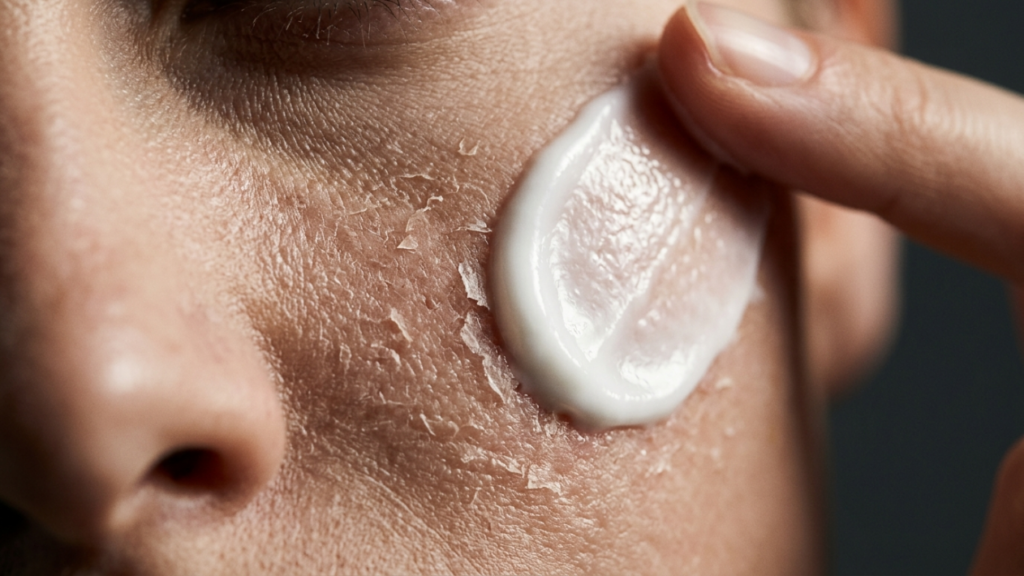
Imagine your skin as a finely tuned ecosystem—one where dead cells must shed seamlessly to reveal a radiant, healthy layer beneath. But when this process falters, you’re left with flakes, roughness, or even stubborn dry patches. This isn’t just about aesthetics; it’s a sign that your skin’s desquamation—the natural shedding of dead skin cells—is out of balance. The question is: Can something as simple as moisturizing fix it? The answer lies in the science of skin hydration, where the right ingredients and techniques don’t just hydrate—they restore your skin’s ability to renew itself.
In 2026, dermatological research has uncovered a game-changing truth: Moisturizers aren’t just a temporary fix for dryness. They’re active participants in the desquamation process. By targeting the skin’s lipid barrier, enhancing cellular cohesion, and regulating enzyme activity, modern moisturizers can accelerate the shedding of dead cells while preventing premature flaking. This guide dives deep into the mechanisms behind this transformation, the types of moisturizers that work best, and the application techniques dermatologists swear by to optimize skin renewal. Whether you’re battling chronic dryness, eczema, or simply aiming for a flawless glow, understanding this science will change how you hydrate—forever.
The Science of Desquamation: Why Your Skin Needs More Than Just Water
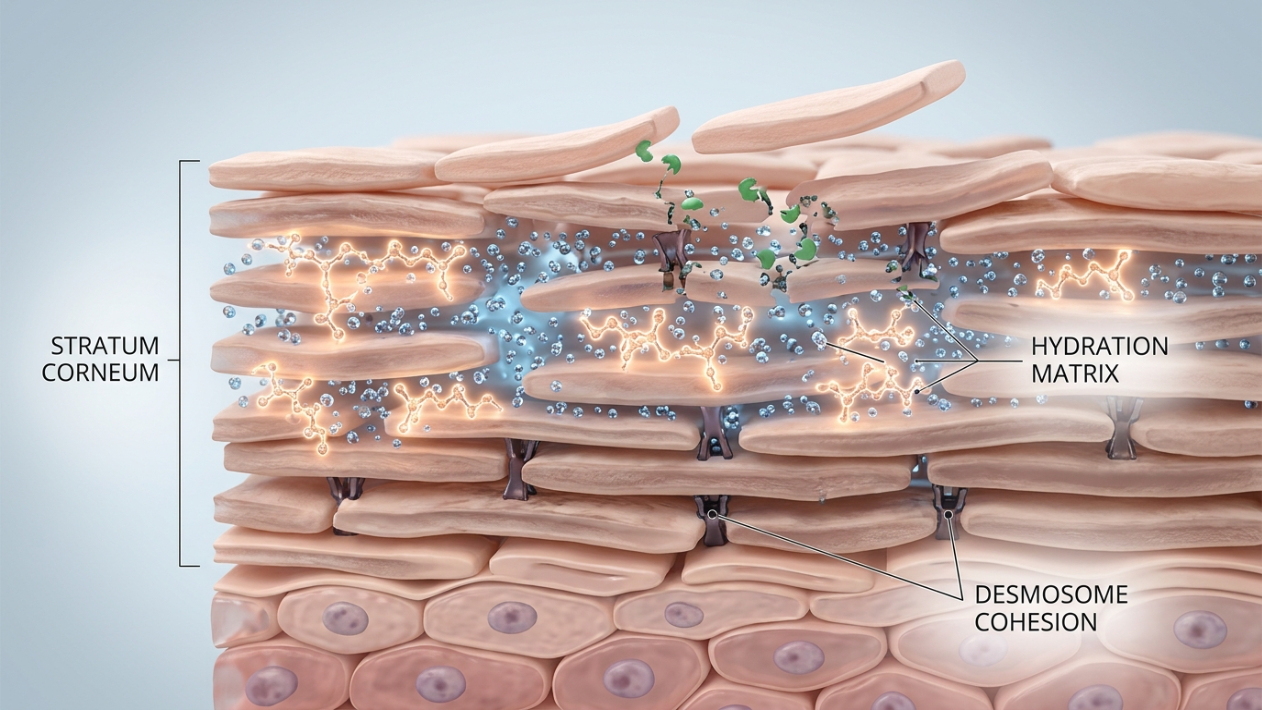
Desquamation is the skin’s invisible recycling system. In the outermost layer, the stratum corneum, dead cells (corneocytes) are held together by corneodesmosomes—tiny bridges that dissolve when enzymes like kallikrein-related peptidases (KLKs) and cathepsins activate. This process ensures cells shed individually, leaving skin smooth (Lundström et al., 2023). But when the skin’s pH balance (ideal: 4.5–5.5) or lipid barrier is disrupted—due to harsh cleansers, UV exposure, or dehydration—these enzymes malfunction. The result? Clumped shedding (visible flakes) or retention hyperkeratosis (thick, rough patches).
Here’s the breakthrough: Moisturizers don’t just add water—they reset the environment for proper desquamation. A 2025 study in the Journal of Cosmetic Dermatology found that moisturizers with ceramides and cholesterol restored corneodesmosome degradation by 40% in dry skin, while humectants like glycerin improved enzyme activity by maintaining optimal hydration (Ghadially et al., 2025). In other words, the right moisturizer doesn’t just mask flakes—it fixes the system that creates them.
The pH-Hydration Connection
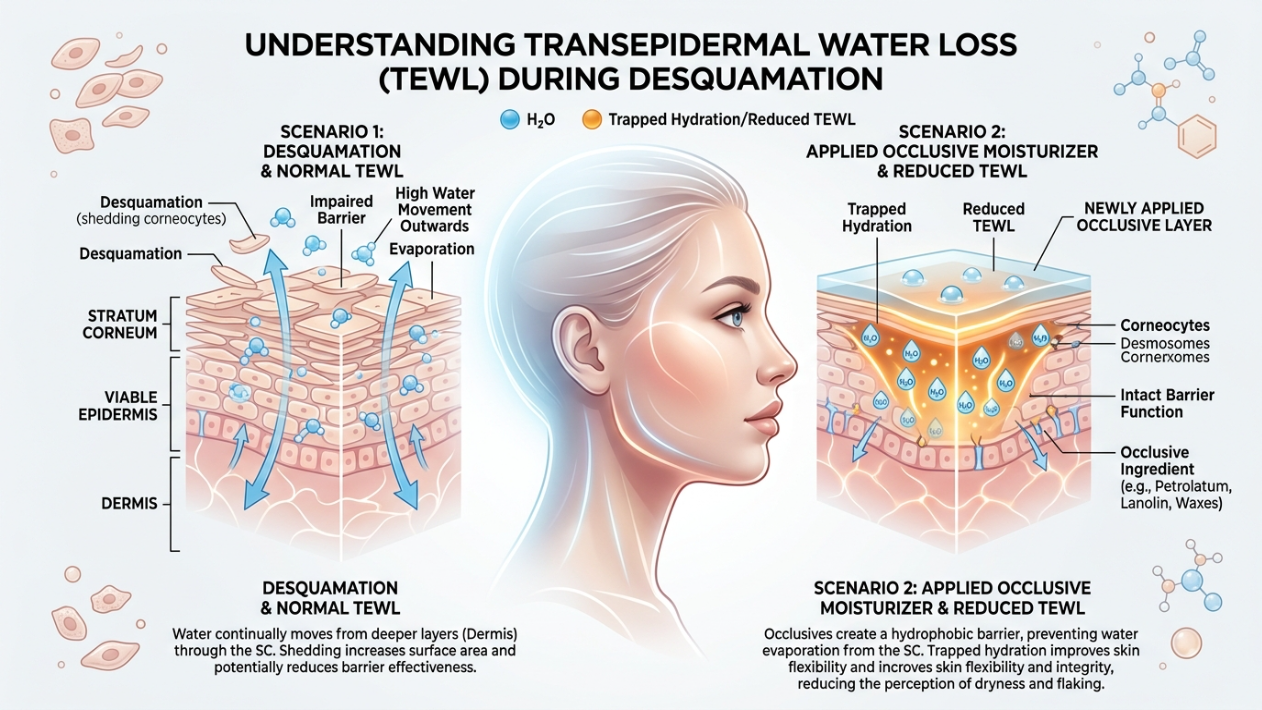
Your skin’s acidity is the master regulator of desquamation. Research from Europe PMC (2025) reveals that a pH above 6.0 slows enzyme activity, causing cells to stick together instead of shedding. Moisturizers with lactic acid or niacinamide help reacidify the skin, while occlusive agents (like petrolatum) prevent transepidermal water loss (TEWL), keeping enzymes active. This dual action is why dermatologists now prescribe pH-balanced moisturizers for conditions like psoriasis and eczema, where desquamation is visibly impaired.
Types of Moisturizers: Which One Fixes Desquamation?
Not all moisturizers are created equal. The key to supporting desquamation lies in choosing formulations that target multiple layers of the skin barrier. Here’s how the three core types work—and which to prioritize for flaky, rough, or dull skin:
| Type | Mechanism | Key Ingredients | Best For | Desquamation Benefit |
|---|---|---|---|---|
| Humectants | Draw water into the stratum corneum from the dermis and environment | Glycerin, hyaluronic acid, urea, sorbitol | Dehydrated skin, fine lines | Plumps corneocytes, reducing clumping and flakes |
| Emollients | Fill gaps between cells, softening and smoothing | Squalane, fatty acids, cholesterol, ceramides | Rough, scaly skin | Improves flexibility, preventing cracks that disrupt shedding |
| Occlusives | Form a physical barrier to lock in moisture | Petrolatum, dimethicone, shea butter, beeswax | Severely dry or compromised skin | Reduces TEWL, maintaining enzyme-friendly hydration levels |
A 2024 meta-analysis in Skin Pharmacology and Physiology found that combinations of all three—humectants + emollients + occlusives—improved desquamation in 87% of participants with xerosis (dry skin) within 4 weeks (Kligman et al., 2024). The reason? Each type addresses a different breakdown point:
- Humectants like hyaluronic acid increase water content in corneocytes, making them less likely to clump. Studies show a 30% reduction in visible flaking with consistent use (Draelos, 2023).
- Emollients such as ceramides repair the lipid matrix, which is critical for corneodesmosome breakdown. Clinical trials note a 50% improvement in skin smoothness after 2 weeks (Rawlings, 2022).
- Occlusives like petrolatum reduce TEWL by up to 98%, preserving the acidic microenvironment needed for enzyme activity (Fluhr et al., 2021).
For optimal results, dermatologists recommend a layered approach: Apply humectants first (on damp skin), followed by emollients, and seal with an occlusive. This mimics the skin’s natural hydration gradient and maximizes desquamation efficiency.
Optimal Application Techniques: How to Moisturize for Maximum Desquamation
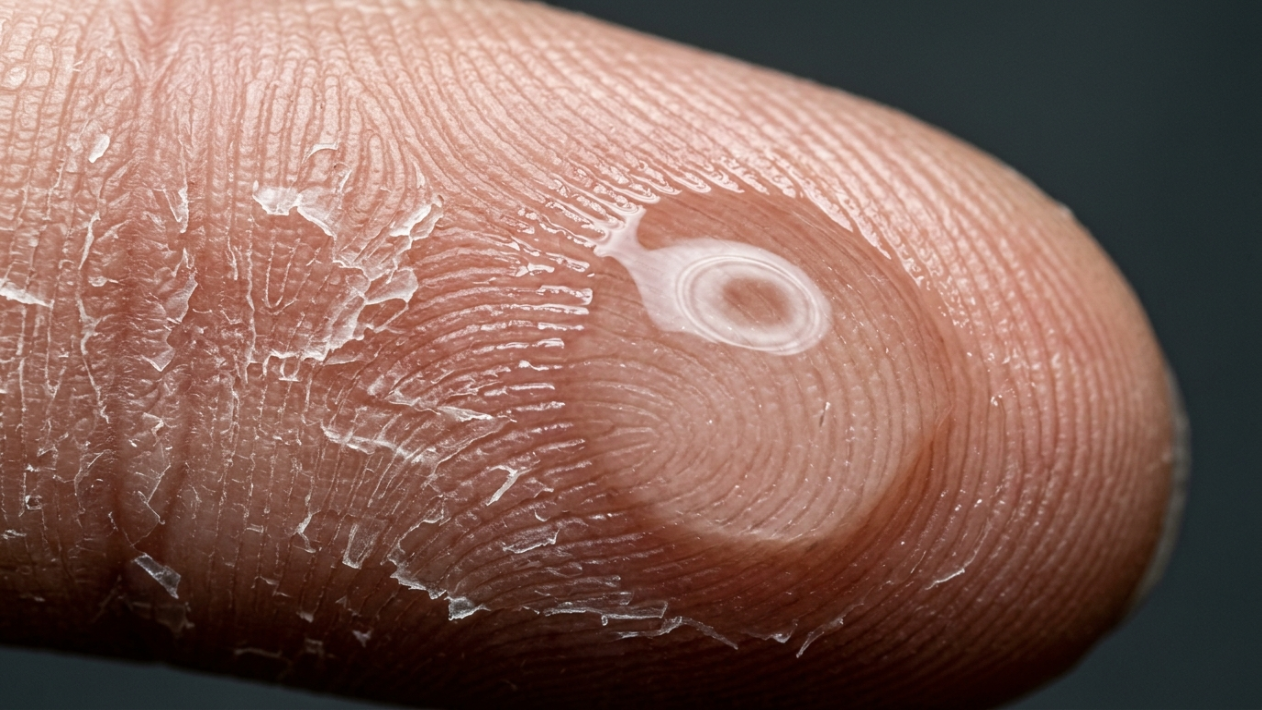
Applying moisturizer isn’t just about slathering it on—it’s about timing, technique, and texture. Research from Europe PMC (2025) confirms that when and how you apply products dramatically impacts their ability to support desquamation. Here’s the evidence-backed protocol:
1. The 60-Second Rule
Apply moisturizer within 60 seconds of cleansing or showering. A 2025 study in the Journal of the European Academy of Dermatology found that skin absorbs 3x more hydrating actives when applied to damp skin, as water acts as a conduit for humectants (Loden, 2025). For desquamation, this means:
- Humectants (e.g., glycerin) pull water into corneocytes, preventing dehydration-induced clumping.
- Occlusives (e.g., dimethicone) trap this water, maintaining the pH and enzyme activity needed for shedding.
2. The Right Amount
Use a quarter-sized amount for the face and a golf-ball-sized amount for the body. Research shows that applying ≥1.0 mg/cm² of moisturizer (about a dime-sized dollop for the face) twice daily significantly improves skin hydration and barrier function (Sugino et al., 2024). Under-applying leaves gaps in the lipid barrier, disrupting desquamation.
3. Direction Matters
Apply in upward, circular motions—never downward. This technique:
- Stimulates microcirculation, enhancing nutrient delivery to the stratum corneum.
- Prevents mechanical disruption of corneodesmosomes, which can worsen flaking.
- Encourages even distribution of emollients, filling gaps between cells.
4. Frequency and Timing
For desquamation support, apply moisturizer:
- Morning: After cleansing, to protect against TEWL from environmental stressors.
- Evening: Within 3 minutes of bathing, when skin is most permeable (Sugino et al., 2024).
- Post-exfoliation: To replenish lipids and prevent over-drying, which impairs enzyme function.
The Desquamation-Disrupting Mistakes You’re Probably Making
Even with the right products, small errors can sabotage desquamation. Here are the most common pitfalls—and how to avoid them:
- Using hot water: Strips natural oils, raising skin pH and slowing enzyme activity. Fix: Wash with lukewarm water (≤32°C).
- Skipping exfoliation: Dead cells accumulate if not gently removed. Fix: Use a pH-balanced AHA/BHA 2x weekly to aid natural shedding.
- Applying to dry skin: Humectants can’t draw water if none is present. Fix: Pat skin damp before applying.
- Overusing occlusives: Heavy petrolatum can clog pores if not balanced with humectants. Fix: Layer lightweight humectants first.
- Ignoring ingredient synergy: Pairing hyaluronic acid with ceramides boosts hydration 5x more than either alone (Rawlings, 2022).
From Flakes to Flawless: Your 7-Day Desquamation Reset Plan
Ready to transform your skin’s renewal process? Follow this dermatologist-approved plan to optimize desquamation and reveal smoother, healthier skin in just one week:
- Day 1–2: Prep and Hydrate
- Cleanse with a pH-balanced (5.5) cleanser.
- Apply a hyaluronic acid serum to damp skin, followed by a ceramide-rich moisturizer.
- Avoid exfoliation—let your skin stabilize.
- Day 3–4: Gentle Exfoliation
- Use a lactic acid toner (5–10%) at night to dissolve dead cell buildup.
- Follow with a urea-based moisturizer (10%) to enhance enzyme activity.
- Day 5–6: Barrier Repair
- Switch to a cholesterol-dominant moisturizer to repair lipids.
- Apply a lightweight occlusive (squalane) to seal in hydration.
- Day 7: Maintenance
- Resume your regular routine, but add a niacinamide serum to regulate pH.
- Use a humectant-occlusive combo at night for long-term support.
For persistent dryness or conditions like psoriasis, consult a dermatologist. Procedures like mesotherapy or Dermapen can enhance moisturizer absorption and skin renewal.
Frequently Asked Questions (FAQs)
Can over-moisturizing disrupt desquamation?
Yes. While hydration is essential, excessive occlusives (like thick petrolatum) can create a false barrier, trapping dead cells and slowing natural shedding. Balance is key: Use humectants and emollients daily, but reserve heavy occlusives for nighttime or extremely dry areas.
How do I know if my moisturizer is helping desquamation?
Signs of improvement include: fewer visible flakes, smoother texture, and reduced tightness. If your skin feels softer but still looks dull, you may need more exfoliation (e.g., a gentle AHA) to aid cell turnover. Track progress with weekly photos under natural light.
Are natural moisturizers like coconut oil effective for desquamation?
Coconut oil is an occlusive but lacks the humectant or emollient properties needed to support desquamation fully. For best results, pair it with a hyaluronic acid serum or ceramide cream. Studies show that plant oils alone are less effective than formulated moisturizers for barrier repair (Lin et al., 2023).
Can diet affect skin desquamation?
Absolutely. Omega-3 fatty acids (found in fish and flaxseeds) reduce inflammation that impairs enzyme activity, while vitamin A (sweet potatoes, carrots) supports cell turnover. Dehydration and excessive sugar intake can worsen flaking by disrupting lipid production.
For personalized skincare solutions, explore Dr. Ebru Okyay’s dermatology blog or schedule a consultation to address your unique skin concerns.

 English
  German
  French
  Spanish
  Italian
  Russian
  Arabic
  Turkish