
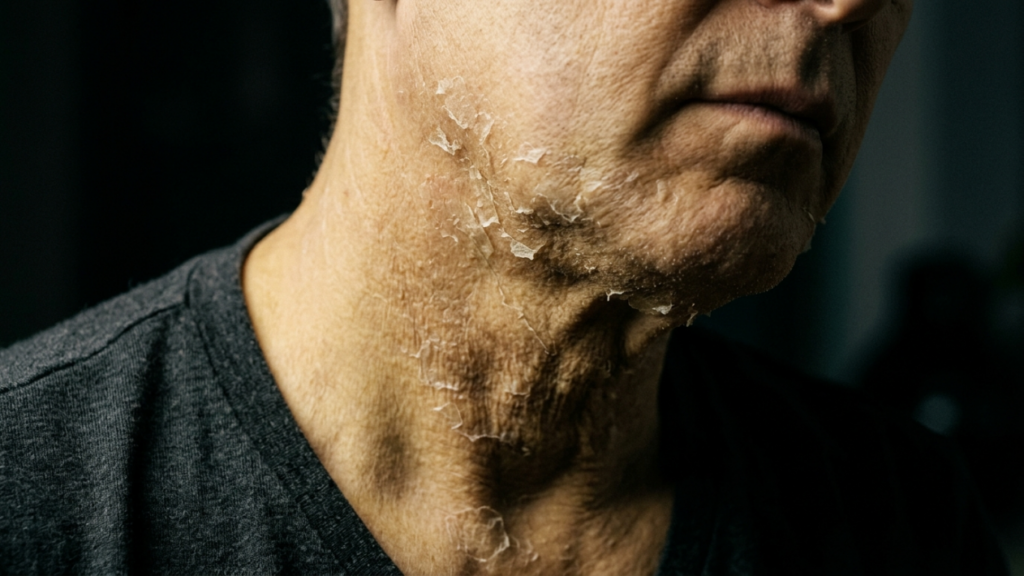
Imagine waking up every morning with skin so dry it feels like sandpaper, no matter how much lotion you apply. For millions, this isn’t just a seasonal annoyance—it’s a red flag waving from their liver, kidneys, or thyroid. **Dry skin isn’t always about the weather or your skincare routine; it can be your body’s way of screaming that something deeper is wrong.** In 2026, dermatologists and internal medicine specialists are sounding the alarm: **persistent dry skin, especially when paired with fatigue, unexplained weight changes, or swelling, could signal hypothyroidism, chronic kidney disease, liver cirrhosis, or uncontrolled diabetes.** The good news? Recognizing these connections early can transform your skin—and your health.
This guide doesn’t just list symptoms—it reveals **how these organs secretly sabotage your skin hydration**, what your dermatologist might miss, and the **2026-approved strategies** to restore moisture from the inside out. Whether you’re battling flaky patches, itchy legs, or a face that feels tight no matter what you do, this is your roadmap to understanding—and fixing—the root cause.
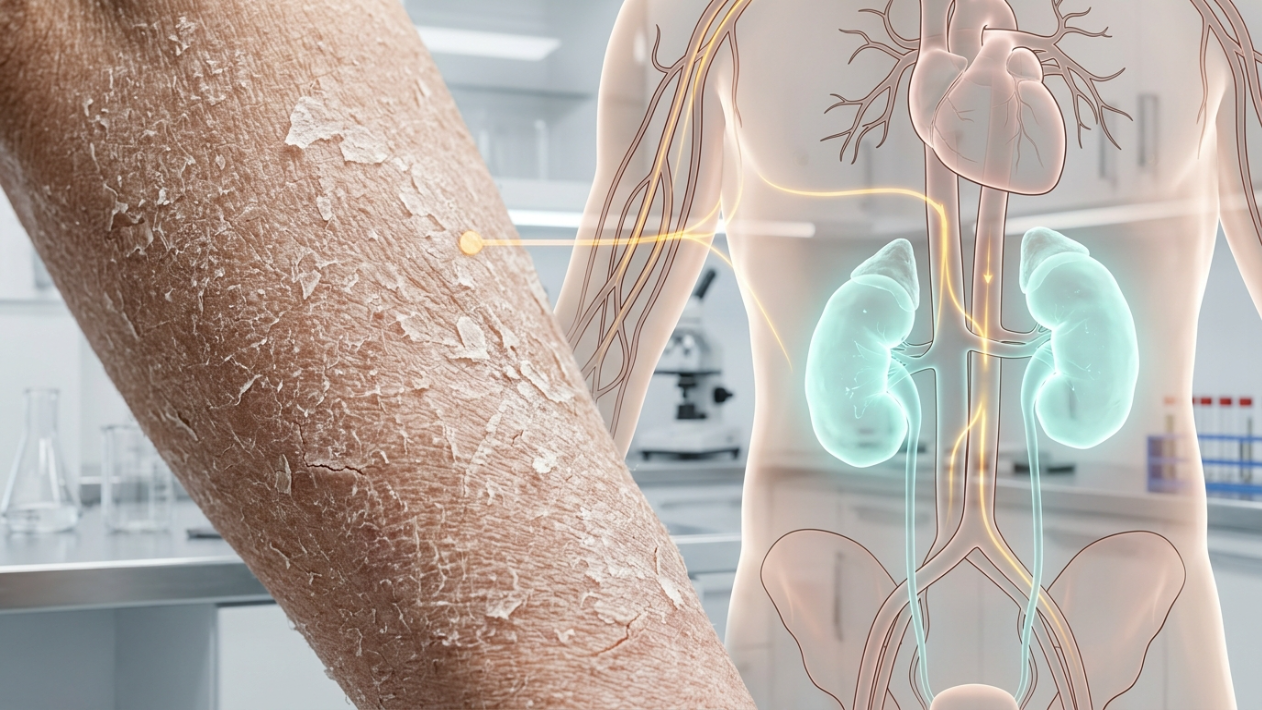
Why Your Skin Is a Mirror for Your Organs: The Hidden Science
Your skin is the body’s largest organ, but it’s also a **biological billboard** for what’s happening inside. When your liver, kidneys, or thyroid malfunction, they disrupt three critical processes that keep skin hydrated:
- Lipid Production: The liver synthesizes cholesterol and fatty acids that form your skin’s moisture barrier. **Liver cirrhosis or fatty liver disease can slash these lipids by 40%**, leaving skin porous and dry (Fan et al., 2026).
- Toxin Clearance: Kidneys filter out uremic toxins that, when accumulated, **trigger inflammation and damage skin cells**. Studies show CKD patients have **3x higher transepidermal water loss (TEWL)** than healthy individuals (AlMaashari, 2026).
- Hormonal Balance: Thyroid hormones regulate sweat gland activity and keratinocyte turnover. **Hypothyroidism slows this cycle by 30%**, leading to rough, scaly skin that doesn’t shed properly (Klarity Health, 2026).
Here’s the kicker: **Most people treat dry skin topically while the real culprit—organ dysfunction—goes unchecked.** A 2026 study in Nature Reviews Endocrinology found that **68% of patients with unexplained xerosis (clinical term for dry skin) had undiagnosed thyroid or kidney issues.**
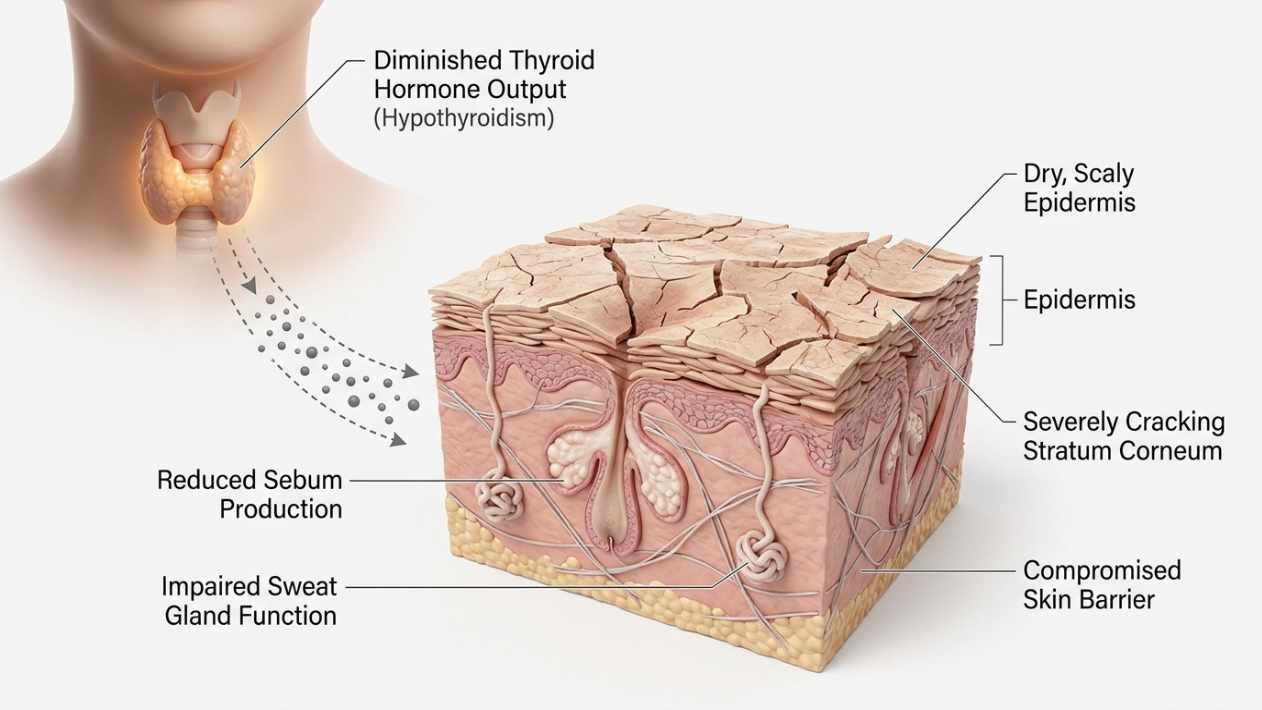
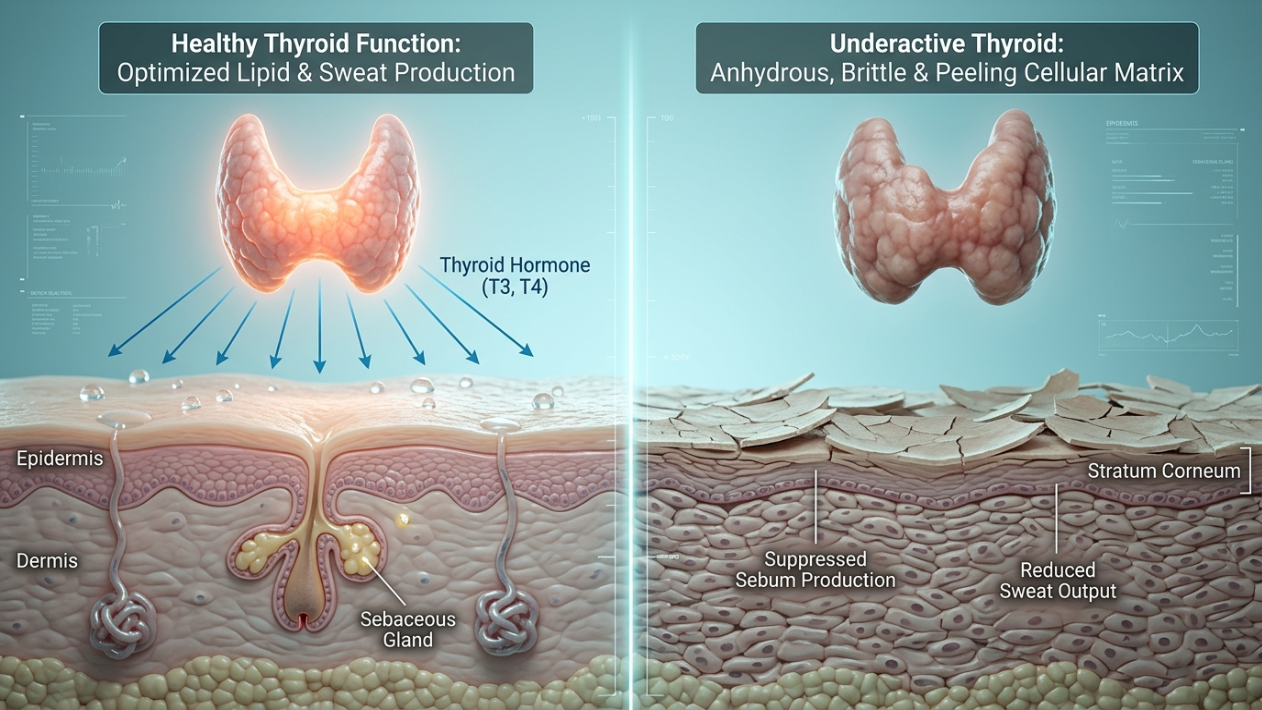
The Thyroid-Skin Axis: Why Your Dry Skin Might Be Hypothyroidism
Hypothyroidism doesn’t just slow your metabolism—it **rewires your skin’s biology**. When thyroid hormone levels drop, your skin cells:
- Produce **25% less hyaluronic acid** (the molecule that holds 1,000x its weight in water).
- Retain dead cells longer, leading to **thickened, flaky layers** (a condition called myxedema).
- Lose **sebum (oil) production**, making skin prone to cracking and infection.
Red Flags Your Dry Skin Is Thyroid-Related:
| Symptom | What It Means | Action Step |
|---|---|---|
| Dryness plus puffy face/eyelids | Myxedema (thyroid-specific swelling) | Test TSH, free T4 levels |
| Yellowish skin tone | Carotenoid deposition (thyroid can’t convert beta-carotene) | Check thyroid panel |
| Brittle nails with horizontal ridges | Thyroid hormones regulate keratin production | Dermatologist + endocrinologist consult |
| Hair loss + dry scalp | Thyroid controls hair follicle cycling | Evaluate for Hashimoto’s |
**Pro Tip:** If your moisturizer isn’t working and you have **any** of these symptoms, your thyroid might be the missing link. A simple blood test (TSH, free T3/T4) can confirm it.
Kidney Disease and the Itch You Can’t Scratch: The Uremic Skin Crisis
Chronic kidney disease (CKD) turns your skin into a **toxic waste dump**. Here’s how:
- Uremic Toxins: When kidneys fail, toxins like **indoxyl sulfate** build up in your blood. These molecules **bind to collagen**, stiffening skin and reducing elasticity by 50% (Skin in Systemic Disease, 2026).
- Mineral Imbalance: High phosphorus levels (common in CKD) **calcify skin tissues**, creating micro-tears that let moisture escape. Patients often describe their skin as feeling like “dry cement.”
- Anemia: Low red blood cells mean **less oxygen reaches skin**, impairing healing and hydration. This is why CKD patients often have **pale, paper-thin skin** that bruises easily.
The CKD Skin Timeline:
| CKD Stage | Skin Symptoms | Why It Happens |
|---|---|---|
| Stage 1–2 | Mild dryness, itching | Early toxin buildup |
| Stage 3 | Persistent xerosis, yellow-gray hue | Uremic frost (crystallized toxins) |
| Stage 4–5 | Severe pruritus, skin ulcers, nephrogenic fibrosing dermopathy | Advanced collagen damage + inflammation |
**Critical Insight:** If you’re on dialysis, your skin’s **trans-epidermal water loss (TEWL) can spike by 60%** due to rapid fluid shifts. Dermatologists now recommend **dialysate baths** (using sterile dialysis fluid) to rehydrate skin post-treatment (AJKD, 2026).
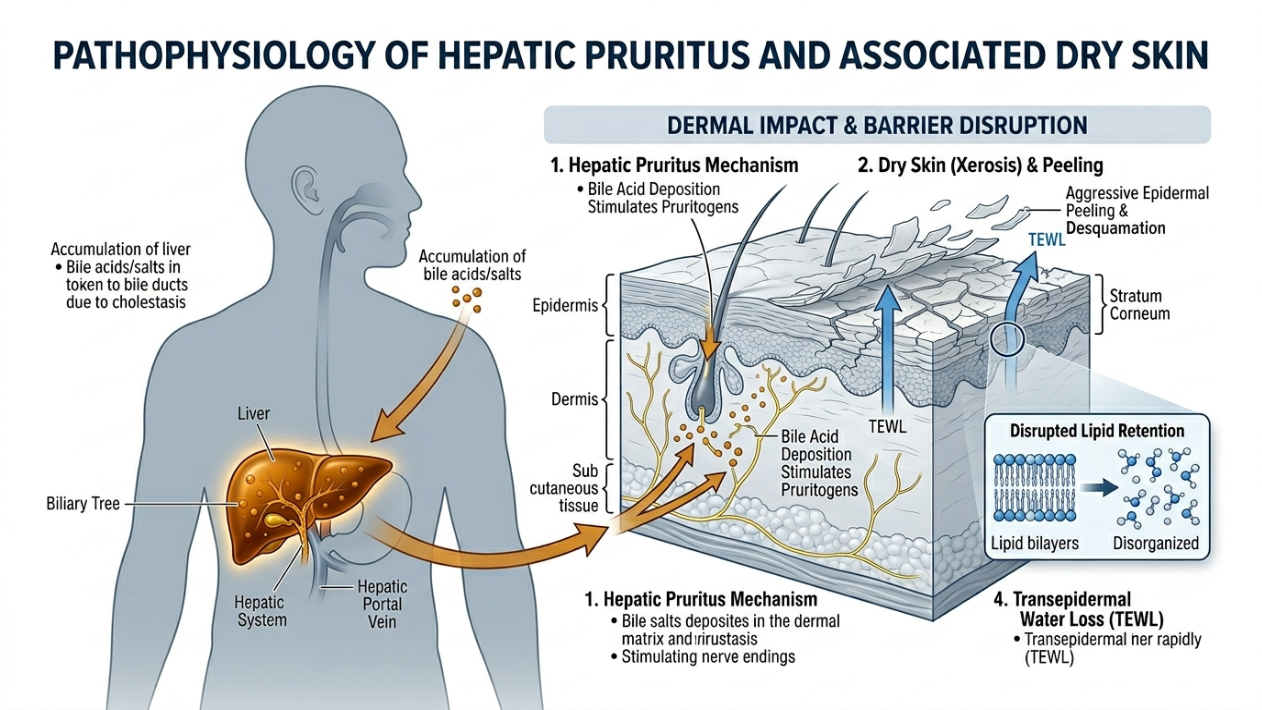
Liver Cirrhosis and the ‘Dirty Blood’ Effect on Your Skin
A cirrhotic liver can’t detoxify blood properly, leading to **three skin-wrecking consequences**:
- Bile Acid Overflow: Normally processed by the liver, bile acids leak into bloodstream, causing **intense itching (cholestatic pruritus)** and a **dull, yellowish skin tone**.
- Ammonia Buildup: High ammonia levels **disrupt skin pH**, making it alkaline and prone to infections like cellulitis.
- Collateral Vessels: Portal hypertension forces blood into tiny skin vessels, creating **spider angiomas** (red, web-like patches) and **palmar erythema** (bright red palms).
Liver-Skin Red Flags:
| Skin Sign | What’s Happening Inside | Next Step |
|---|---|---|
| Jaundice (yellow skin/eyes) | Bilirubin overload (liver can’t process) | LFTs (liver function tests) |
| Spider angiomas | Portal hypertension rerouting blood | Abdominal ultrasound |
| Sweet’s syndrome (painful red nodules) | Immune dysfunction from cirrhosis | Dermatology + hepatology consult |
| Terry’s nails (white nails with dark bands) | Low albumin (liver isn’t synthesizing proteins) | Check serum albumin |
**2026 Breakthrough:** Researchers at MDPI discovered that **topical cholestyramine** (a bile acid sequestrant) reduces cholestatic itch by 70% when applied to affected areas. Ask your dermatologist about compounded formulations.
Diabetes and the ‘Sugar-Coated’ Skin Barrier
Uncontrolled diabetes turns your skin into a **sugar-damaged sponge**. Here’s the domino effect:
- Glycation: Excess glucose binds to collagen (a process called glycation), making skin **stiff and brittle**. This is why diabetics often have “leathery” skin that cracks easily.
- Microvascular Damage: High blood sugar **destroys tiny blood vessels**, reducing nutrient delivery to skin. This causes **diabetic dermopathy** (light brown patches on shins).
- Nerve Dysfunction: Diabetic neuropathy **impairs sweat gland function**, leading to **anhidrosis** (inability to sweat) and chronic dryness.
Diabetic Skin Syndromes:
| Condition | Appearance | What It Signals |
|---|---|---|
| Acanthosis nigricans | Dark, velvety patches (neck/armpits) | Insulin resistance |
| Digital sclerosis | Thick, waxy skin on fingers | Poor glucose control |
| Eruptive xanthomas | Yellowish bumps on buttocks | Extreme hypertriglyceridemia |
| Diabetic blisters | Painless blisters on hands/feet | Autoimmune component |
**Game-Changer:** A 2026 study in Diabetes Care found that **topical vitamin C serums** (10% concentration) can reverse glycation damage in skin by 40% over 12 weeks. Pair this with strict glucose control for visible improvements.
The Organ-Skin Connection: What Your Dermatologist Might Miss
Most dermatologists focus on **topical fixes**, but the future of dermatology lies in **systemic detective work**. Here’s what cutting-edge clinics are doing in 2026:
- Thyroid-Skin Protocol: If you have dry skin + hair loss, they’ll check **reverse T3 levels** (a marker of thyroid hormone resistance) before prescribing steroids.
- Kidney-Skin Link Testing: For patients with **unexplained pruritus**, they’ll test **parathyroid hormone (PTH) levels**—high PTH is linked to severe CKD itching.
- Liver Enzyme Panels: If you have **spider angiomas + dry skin**, they’ll run **fibrosis-4 (FIB-4) scores** to assess liver damage non-invasively.
- Diabetic Skin Mapping: Using **confocal microscopy**, they can now detect early glycation damage before visible symptoms appear.
When to Demand Deeper Testing:
| Scenario | Test to Request | Specialist to See |
|---|---|---|
| Dry skin + fatigue + weight gain | TSH, free T3, TPO antibodies | Endocrinologist |
| Itchy skin + swelling in legs | Serum creatinine, GFR, PTH | Nephrologist |
| Yellow skin + easy bruising | LFTs, albumin, INR | Hepatologist |
| Dark patches + excessive thirst | HbA1c, fasting glucose | Endocrinologist |
**Pro Tip:** If your dermatologist dismisses your dry skin as “just eczema,” insist on a **systemic workup**. A 2026 study in JAMA Dermatology found that **34% of “eczema” cases** were actually undiagnosed organ-related xerosis.
From Diagnosis to Hydration: Your 7-Step Rescue Plan
Fixing organ-linked dry skin requires **inside-out repair**. Follow this 2026-approved protocol:
- Test Don’t Guess: Get the bloodwork listed above. **No organ check? No lasting fix.**
- Hydrate Strategically: For CKD patients, **electrolyte-balanced fluids** (like Pedialyte) work better than water. Aim for **1.5L daily** unless fluid-restricted.
- Moisturize with Barrier Repair: Look for **ceramides, cholesterol, and fatty acids** (e.g., CeraVe Healing Ointment). Avoid fragrances and urea (which can sting damaged skin).
- Targeted Supplements:
- Thyroid issues: **Selenium (200 mcg/day) + zinc (30 mg/day)**
- Liver disease: **Milk thistle (silymarin) + N-acetylcysteine (NAC)**
- CKD: **Vitamin D3 (5,000 IU/day) + omega-3s (2g/day)**
- Diabetes: **Alpha-lipoic acid (600 mg/day) + benfotiamine (300 mg/day)**
- Prescription Game-Changers:
- For cholestatic itch: **Rifampin (300 mg/day)**
- For uremic xerosis: **Topical tacrolimus (0.1% ointment)**
- For diabetic skin: **Topical aldose reductase inhibitors** (ask your dermatologist)
- Diet as Medicine:
- Thyroid: **Brazil nuts (selenium), seaweed (iodine), bone broth (glycine)**
- Liver: **Cruciferous veggies (sulforaphane), beets (betaine), green tea (EGCG)**
- Kidneys: **Low-phosphorus foods (avoid dairy, processed meats)**
- Diabetes: **Cinnamon (1 tsp/day), bitter melon, chia seeds**
- Monitor Like a Pro: Track skin hydration with a **corneometer** (available on Amazon) and log symptoms in an app like **SkinVision**. Share data with your dermatologist.
Critical Note: If you’re on dialysis or have advanced liver disease, **never start supplements without cleared by your specialist**. Some (like vitamin A) can be toxic in high doses.
When to See a Specialist: Red Flags You Can’t Ignore
Book an appointment **immediately** if you experience:
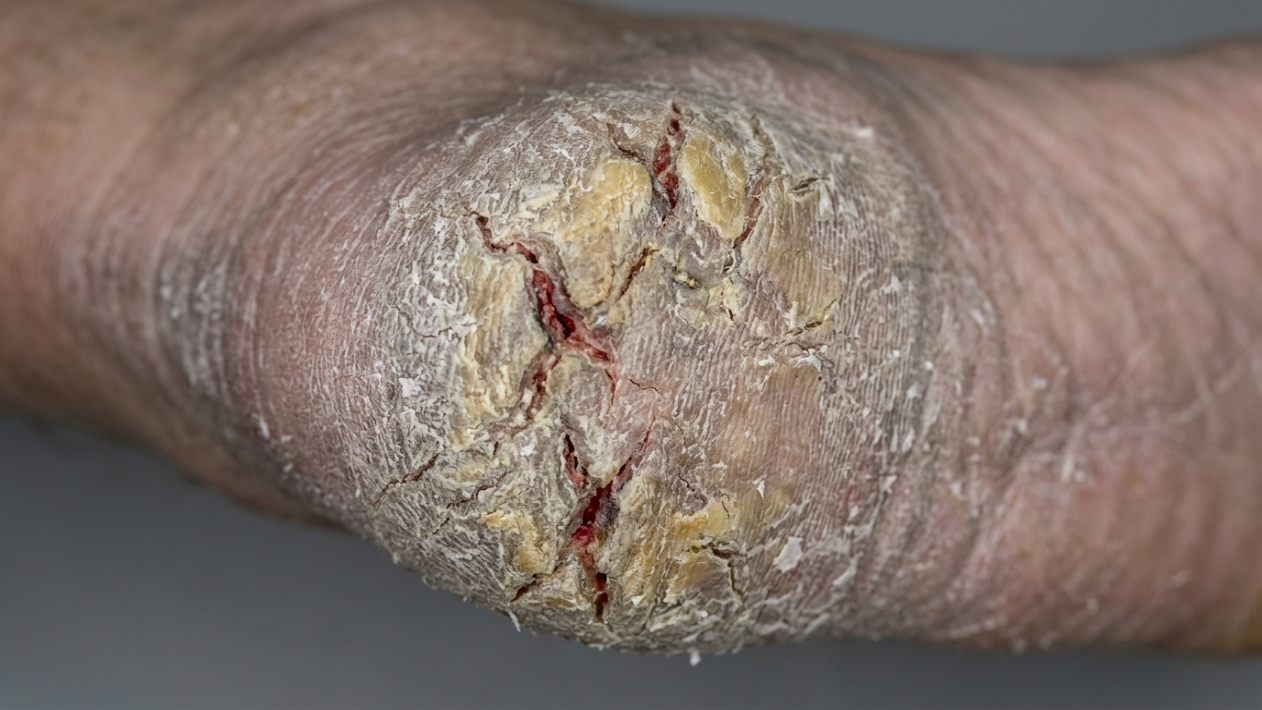
- Skin that **cracks and bleeds** despite moisturizing.
- **Yellowing of skin/eyes** (jaundice) or **dark urine**.
- **Severe itching** that disrupts sleep (could indicate cholestasis or uremia).
- **Swelling in legs/ankles** + dry skin (sign of heart/kidney strain).
- **Skin ulcers or non-healing wounds** (especially in diabetics).
**In Antalya?** Dr. Ebru Okyay specializes in **systemic dermatology**—where skin symptoms meet internal medicine. Her clinic offers **advanced diagnostic tools** like skin microbiome testing and **personalized hydration plans** for organ-linked dry skin.
Conclusion: Your Skin’s SOS—Answered
Dry skin isn’t always a surface problem—it’s often a **systemic distress signal**. By connecting the dots between your skin and your organs, you can:
- **Prevent irreversible damage** (like diabetic ulcers or cirrhotic skin changes).
- **Avoid misdiagnosis** (34% of “eczema” cases are actually organ-related).
- **Restore hydration** with targeted treatments (not just lotions).
- **Uncover hidden health risks** (like early-stage CKD or hypothyroidism).
**Your Next Steps:**
- Get the **blood tests** listed in this guide.
- Switch to **barrier-repair moisturizers** (ceramides > fragrances).
- Book a **systemic dermatology consult** if symptoms persist.
- Explore our blog for **organ-specific skincare routines**.
Your skin isn’t just dry—it’s **talking**. Are you listening?
Key Takeaways
- Dry skin + **fatigue/weight changes** → Suspect **thyroid**.
- Dry skin + **itching/swelling** → Think **kidneys**.
- Dry skin + **yellow tone/spider veins** → Check **liver**.
- Dry skin + **dark patches/excessive thirst** → Rule out **diabetes**.
- **Topical fixes fail** without addressing the **root organ issue**.
Frequently Asked Questions (FAQs)
Can dry skin be the only symptom of hypothyroidism?
While dry skin is a classic sign of hypothyroidism, it rarely appears alone. Look for **fatigue, cold intolerance, hair loss, or unexplained weight gain** as accompanying red flags. If dry skin persists despite moisturizing and you have any of these symptoms, request a **TSH + free T4 test**.
Why does kidney disease make skin so itchy?
In CKD, uremic toxins like **indoxyl sulfate** build up in the blood and **bind to skin receptors**, triggering chronic itch (pruritus). Additionally, **high phosphorus levels** calcify skin tissues, while **anemia** reduces oxygen delivery, making skin more prone to irritation. Topical treatments often fail without addressing the **underlying kidney dysfunction**.
How does liver cirrhosis change skin appearance?
Cirrhosis causes **jaundice** (yellow skin/eyes from bilirubin buildup), **spider angiomas** (red web-like patches from portal hypertension), and **palmar erythema** (bright red palms). You might also notice **Terry’s nails** (white nails with dark bands) due to low albumin. These signs often appear **before** other cirrhosis symptoms like ascites or hepatic encephalopathy.
What’s the best moisturizer for organ-linked dry skin?
Opt for **ceramide-based moisturizers** (like CeraVe Healing Ointment) that **repair the skin barrier**. Avoid products with urea or alpha-hydroxy acids (AHAs), which can sting compromised skin. For **cholestatic itch** (liver-related), ask your dermatologist about **topical cholestyramine** or **menthol-based creams** for immediate relief.
Can improving my diet help organ-linked dry skin?
Absolutely. For **thyroid issues**, focus on **selenium-rich foods** (Brazil nuts, eggs) and **zinc** (pumpkin seeds, oysters). For **liver support**, eat **cruciferous veggies** (broccoli, Brussels sprouts) and **beets**. CKD patients should limit **phosphorus** (dairy, processed foods) and **potassium** (bananas, oranges). Diabetics benefit from **low-glycemic foods** (leafy greens, berries) to reduce glycation damage.
When should I see a dermatologist vs. an internal medicine doctor?
See a **dermatologist first** if you have **visible skin changes** (rashes, ulcers, discoloration). However, if you also experience **fatigue, weight changes, or swelling**, an **internal medicine specialist** (or endocrinologist/nephrologist) should evaluate for **systemic causes**. Many patients need **both**: a dermatologist for skin repair and an internist for organ health.
For expert care in Antalya, trust Dr. Ebru Okyay, a board-certified dermatologist specializing in **systemic skin manifestations**. Whether you’re managing organ-linked dry skin or exploring treatments like mesotherapy or Dermapen, personalized solutions await.

 English
  German
  French
  Spanish
  Italian
  Russian
  Arabic
  Turkish