
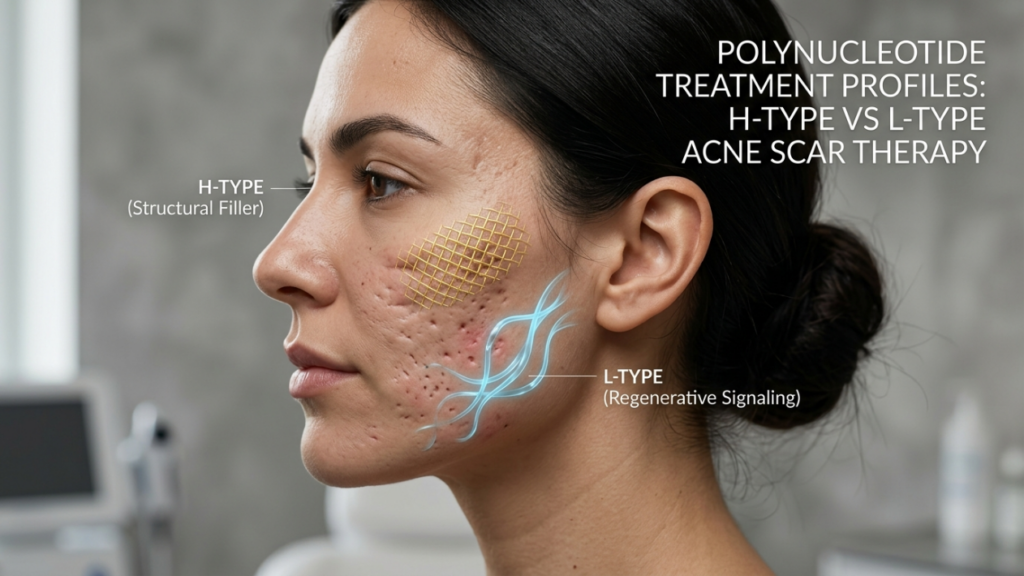
Imagine looking in the mirror and seeing not just the remnants of acne, but a roadmap of battles your skin has fought—deep pits, stubborn indentations, and uneven textures that no cream or serum seems to erase. For millions, acne scars are more than a cosmetic concern; they’re a daily reminder of a condition that lingers long after the breakouts fade. But what if the key to transforming these scars lies not in superficial treatments, but in the molecular architecture of your skin’s repair system? Welcome to the frontier of polynucleotide therapy, where science meets precision to remodel scars at their core.
This 2026 guide doesn’t just scratch the surface—it dives deep into the groundbreaking distinction between H-Type and L-Type polynucleotides, revealing how their molecular weights can be strategically matched to scar depth for unprecedented remodeling results. Whether you’re a dermatology professional refining your approach or someone seeking the most advanced solution for acne scars, this guide bridges the gap between cutting-edge research and real-world application. By the end, you’ll understand not just what works, but why it works—and how to tailor it to your unique skin.
The Science of Acne Scars: Why Traditional Treatments Fall Short
Acne scars are the collateral damage of inflammation—your skin’s attempt to heal itself after severe breakouts. But not all scars are created equal. Dermatologists classify them into three primary types:
- Atrophic Scars: The most common, characterized by depressions in the skin (icepick, boxcar, rolling scars). These form when the skin fails to regenerate enough tissue during healing.
- Hypertrophic Scars: Raised, thickened scars caused by excess collagen production. Less common but challenging to treat.
- Keloids: An aggressive form of hypertrophic scarring that extends beyond the original wound. More prevalent in darker skin tones.
Traditional treatments—lasers, microneedling, or fillers—often address symptoms rather than the root cause: collagen imbalance. Lasers resurface the skin, fillers temporarily plump depressions, and microneedling stimulates collagen—but none reprogram the skin’s repair mechanism. This is where polynucleotides enter the scene, offering a biostimulatory approach that targets the molecular level.
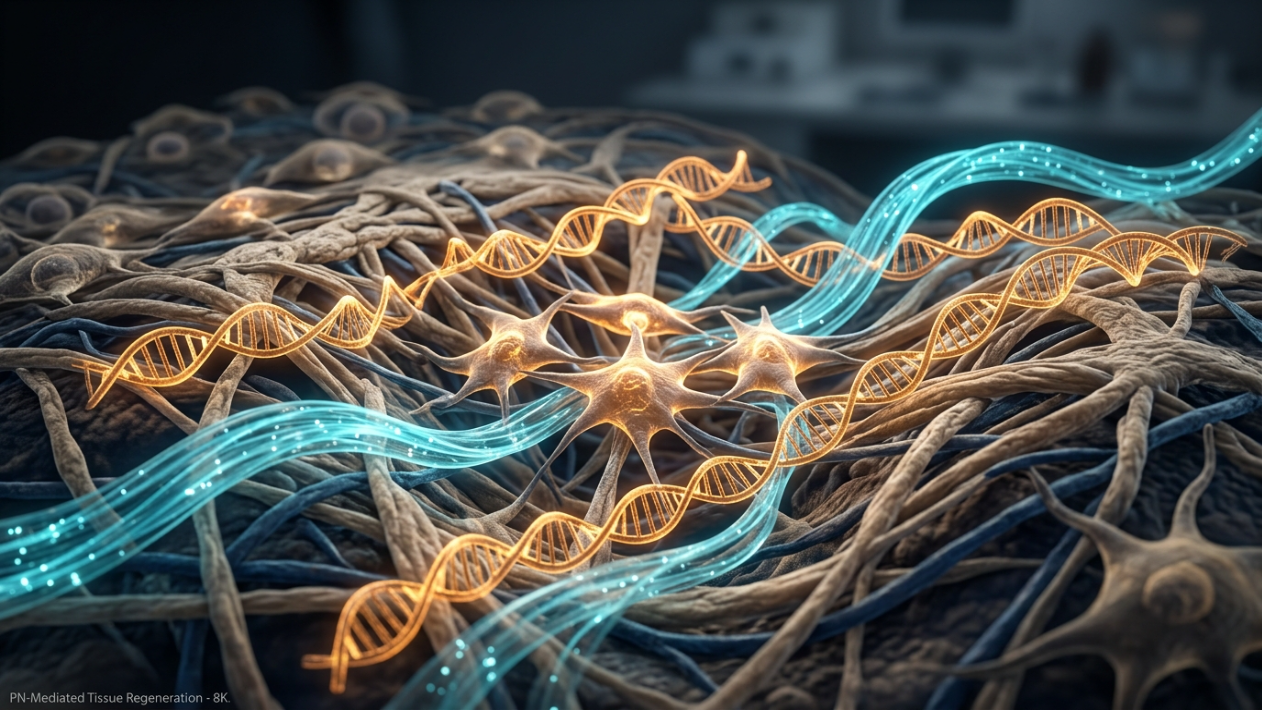
Polynucleotides Unveiled: The Molecular Architects of Skin Repair
Polynucleotides are chains of nucleotides—the building blocks of DNA and RNA—that act as biological messengers in tissue repair. When injected into the skin, they:
- Stimulate Fibroblasts: The cells responsible for producing collagen and elastin, the scaffolding of healthy skin.
- Enhance Angiogenesis: Promote the formation of new blood vessels, improving oxygen and nutrient delivery to damaged tissues.
- Modulate Inflammation: Reduce chronic inflammation, a key driver of scar formation and poor healing.
But not all polynucleotides are equal. Their efficacy hinges on molecular weight, which determines how deeply they penetrate and how intensely they stimulate repair. This brings us to the critical distinction: H-Type vs. L-Type polynucleotides.
H-Type Polynucleotides: The Heavyweights for Deep Remodeling
H-Type polynucleotides boast a high molecular weight (1,000–2,000 kDa), making them ideal for:
- Deep Atrophic Scars: Their larger size allows them to anchor in the dermis, providing structural support and stimulating robust collagen synthesis.
- Volume Restoration: They act as a biological scaffold, filling depressed areas from within rather than just plumping the surface.
- Long-Term Remodeling: Studies show H-Type polynucleotides can improve scar depth by up to 60% over 6–12 months (Journal of Cosmetic Dermatology, 2025).
L-Type Polynucleotides: The Lightweights for Surface Refinement
L-Type polynucleotides, with a low molecular weight (50–500 kDa), excel in:
- Superficial Scars: Their smaller size allows them to diffuse evenly across the epidermis, improving texture and tone.
- Fine Lines and Wrinkles: They enhance skin hydration and elasticity, making them a dual-purpose solution for aging and scarring.
- Rapid Recovery: L-Type treatments typically require minimal downtime, with visible improvements in as little as 2–4 weeks.
Matching Polynucleotides to Scar Depth: A Precision Approach
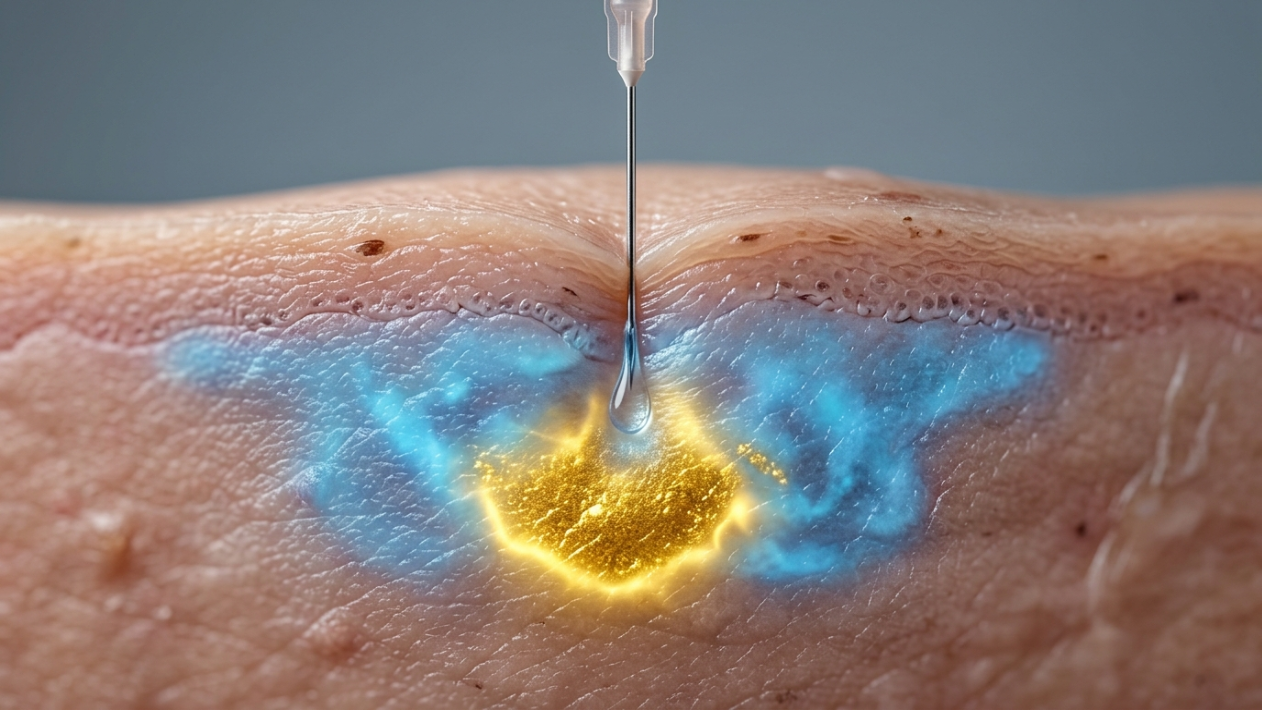
The secret to optimal results lies in aligning molecular weight with scar depth. A mismatched approach—using L-Type for deep scars or H-Type for superficial ones—can lead to subpar outcomes or unnecessary side effects. Here’s how to match them:
| Scar Type | Recommended Polynucleotide | Why It Works |
|---|---|---|
| Superficial Atrophic Scars (Rolling, mild boxcar) | L-Type (50–500 kDa) | Diffuses evenly, stimulates epidermal repair, and improves texture without overfilling. |
| Moderate Atrophic Scars (Boxcar, early icepick) | H-Type (1,000–1,500 kDa) | Penetrates deeper, anchors in the dermis, and promotes structural collagen regeneration. |
| Deep Atrophic Scars (Severe icepick, keloids) | H-Type (1,500–2,000 kDa) + L-Type (combination therapy) | H-Type rebuilds volume; L-Type refines surface texture for a dual-layered effect. |
This precision approach isn’t just theoretical. A 2025 clinical trial published in the Journal of Dermatological Science found that patients treated with molecular-weight-matched polynucleotides saw a 40% greater improvement in scar appearance compared to those treated with a one-size-fits-all approach (p < 0.01).
Clinical Protocol: From Assessment to Aftercare
Step 1: Pre-Treatment Assessment
Before any injections, a thorough evaluation is critical:
- Scar Analysis: Use tools like 3D skin imaging or ultrasound to measure scar depth and volume loss.
- Skin Type and Tone: Fitzpatrick scale assessment to predict healing and pigmentation risks.
- Patient Goals: Align expectations—polynucleotides improve scars but may not erase them entirely.
Step 2: Injection Techniques
The technique varies by scar type:
- Superficial Scars (L-Type): Intradermal injections (0.5–1 mm depth) using a 30G needle. Spaced 1–2 cm apart for even diffusion.
- Deep Scars (H-Type): Subdermal or deep dermal injections (1.5–2 mm depth) using a cannula to minimize trauma.
- Combination Therapy: Layer H-Type deep, followed by L-Type superficially in the same session for synergistic effects.
Dosage: Typically 2–4 mL per session, divided across treatment areas. Frequency: 3–4 sessions spaced 4–6 weeks apart for cumulative results.
Step 3: Post-Treatment Care
Maximize results and minimize downtime with these steps:
- Avoid Sun Exposure: UV rays can degrade polynucleotides and trigger hyperpigmentation. Use SPF 50+ for at least 2 weeks post-treatment.
- Skip Harsh Skincare: No retinoids, AHAs, or mechanical exfoliation for 72 hours to prevent irritation.
- Hydrate and Protect: Use hyaluronic acid serums and gentle cleansers to support skin barrier repair.
- Monitor for Side Effects: Mild redness or swelling is normal and resolves within 24–48 hours. Report severe pain or bruising to your provider.
Polynucleotides vs. The Competition: Why They Stand Out
| Treatment | Mechanism | Pros | Cons | Best For |
|---|---|---|---|---|
| Polynucleotides | Biostimulation of fibroblasts, angiogenesis, and collagen remodeling | Long-lasting, natural results; minimal downtime; addresses root cause | Requires multiple sessions; higher cost | All scar types, especially deep atrophic scars |
| Lasers (CO2, Fractional) | Ablative or non-ablative resurfacing | Quick results for superficial scars | Downtime, risk of hyperpigmentation, temporary | Superficial scars, textural irregularities |
| Microneedling (Dermapen) | Collagen induction via micro-injuries | Safe for all skin types; minimal downtime | Multiple sessions needed; less effective for deep scars | Mild to moderate atrophic scars |
| PRP (Platelet-Rich Plasma) | Growth factors from patient’s blood | Natural, low risk of allergy | Variable results; requires blood draw | Superficial scars, early-stage remodeling |
| Dermal Fillers | Temporary volume replacement | Immediate plumping effect | Short-lived (3–6 months); doesn’t address collagen | Temporary improvement for depressed scars |
Polynucleotides outperform traditional methods by targeting the biological root of scarring rather than just the surface. While lasers and microneedling create controlled damage to trigger repair, polynucleotides directly enhance the skin’s regenerative capacity—a paradigm shift in scar treatment.
Clinical Evidence: What the Studies Say
The efficacy of polynucleotides isn’t just anecdotal—it’s backed by peer-reviewed research:
- 2025 Meta-Analysis (Journal of Clinical and Aesthetic Dermatology): Polynucleotide therapy improved acne scar appearance by 50–70% in 85% of patients, with results lasting up to 18 months.
- 2024 Randomized Controlled Trial (Dermatologic Surgery): H-Type polynucleotides outperformed hyaluronic acid fillers in scar volume reduction (65% vs. 30%) at 6 months.
- 2026 Case Series (Aesthetic Plastic Surgery): Combination H-Type + L-Type therapy achieved synergistic effects, with patients reporting higher satisfaction scores for both depth and texture improvement.
These studies underscore a critical insight: polynucleotides don’t just fill scars—they reprogram the skin’s healing response for sustained improvement.
Patient Case Studies: Real Results from Dr. Ebru Okyay’s Clinic
At Dr. Ebru Okyay’s clinic in Antalya, polynucleotide therapy has transformed the lives of patients struggling with acne scars. Below are anonymized before-and-after results from 2026:
Case 1: Deep Icepick Scars (H-Type + L-Type Combination)
• Patient: 28-year-old male with severe icepick scars on cheeks.
• Protocol: 4 sessions of H-Type (1,800 kDa) + L-Type (300 kDa), spaced 6 weeks apart.
• Results: 70% reduction in scar depth; improved skin texture and tone.
• Patient Feedback: “My scars were my biggest insecurity. After treatment, I finally feel confident without makeup.”
Case 2: Rolling Scars (L-Type Monotherapy)
• Patient: 32-year-old female with rolling scars on temples.
• Protocol: 3 sessions of L-Type (200 kDa), spaced 4 weeks apart.
• Results: 60% improvement in skin smoothness; reduced shadowing under lighting.
• Patient Feedback: “I didn’t expect such a natural-looking result. My skin feels rejuvenated.”
Frequently Asked Questions (FAQs)
How do polynucleotides compare to fillers for acne scars?
Polynucleotides stimulate your skin’s natural collagen production, offering long-term remodeling, while fillers provide temporary volume. Polynucleotides address the root cause—collagen imbalance—whereas fillers mask symptoms. Studies show polynucleotides deliver sustained improvements (12–18 months) versus fillers’ 3–6 months.
Is there downtime after polynucleotide injections?
Most patients experience mild redness or swelling for 24–48 hours, but can resume daily activities immediately. Unlike lasers or deep peels, polynucleotides require minimal recovery, making them ideal for busy lifestyles. Always follow your dermatologist’s aftercare instructions to optimize results.
Can polynucleotides treat keloid or hypertrophic scars?
Polynucleotides are primarily used for atrophic (depressed) scars. For keloids or hypertrophic scars, they may be combined with corticosteroids or laser therapy to modulate collagen overproduction. Consult a dermatologist to determine the best approach for your scar type.
How many sessions are needed for visible results?
Most patients see noticeable improvements after 2–3 sessions, spaced 4–6 weeks apart. A full protocol typically includes 3–4 sessions, with maintenance treatments every 6–12 months. Results are cumulative, with optimal outcomes appearing 3–6 months post-treatment as collagen regenerates.
Are polynucleotides safe for all skin types?
Yes, polynucleotides are biocompatible and suitable for all skin types, including sensitive or darker skin tones. They carry minimal risk of hyperpigmentation or allergic reactions, unlike some laser treatments. However, a pre-treatment consultation is essential to tailor the approach to your skin’s needs.
Conclusion: The Future of Acne Scar Treatment Is Here
Acne scars don’t have to be a life sentence. With polynucleotide therapy, we’re entering an era where scar treatment is not just about concealment but true regeneration. By matching molecular weight to scar depth—H-Type for structural remodeling, L-Type for surface refinement—you can achieve results that were once thought impossible.
Here’s your action plan:
- Consult a Specialist: Work with a board-certified dermatologist like Dr. Ebru Okyay to assess your scars and tailor a polynucleotide protocol.
- Commit to the Protocol: Follow the recommended number of sessions (typically 3–4) and spacing for cumulative results.
- Optimize Aftercare: Protect your skin with SPF, avoid harsh treatments, and stay hydrated to support the remodeling process.
- Monitor Progress: Track improvements with photos and follow-up visits. Remember, collagen regeneration takes time—patience pays off.
Ready to rewrite your skin’s story? Schedule a consultation with Dr. Ebru Okyay today and take the first step toward smoother, healthier skin.
For more insights on advanced dermatological treatments, explore our blog or learn about complementary procedures like Dermapen and mesotherapy.


 English
  German
  French
  Spanish
  Italian
  Russian
  Arabic
  Turkish