
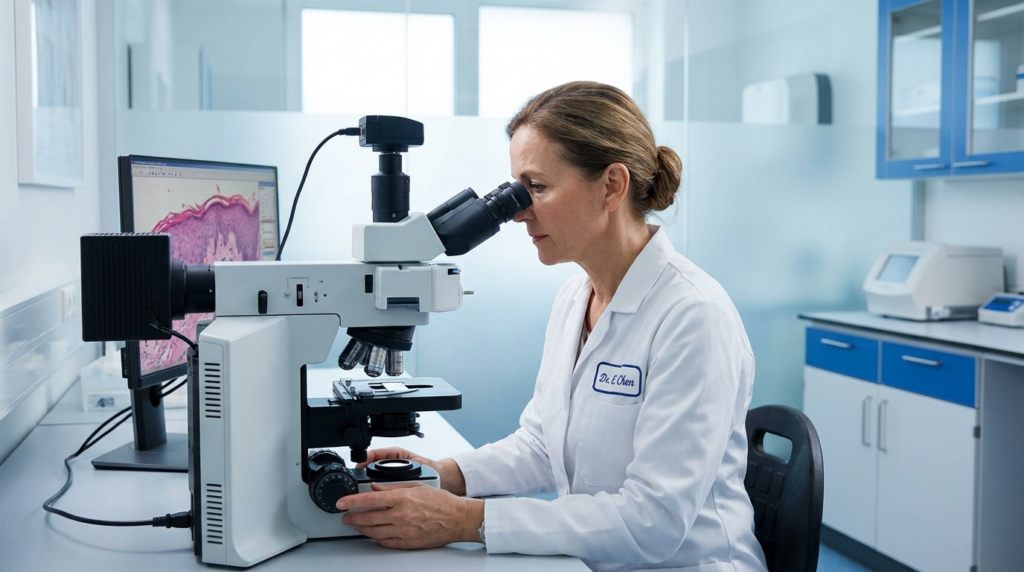
Your skin, the body’s largest organ, demands expert care. Often, questions arise regarding who truly understands its intricate needs. A dermatolog, a medical doctor specializing in skin, hair, nails, and mucous membranes, holds this vital expertise. They diagnose and treat over 3,000 conditions affecting these critical tissues.
This guide illuminates the comprehensive role of a dermatologist, detailing their extensive training and the diverse specializations within skin science. Understanding their scope empowers you to seek the precise care your skin deserves.
What Defines a Dermatologist?
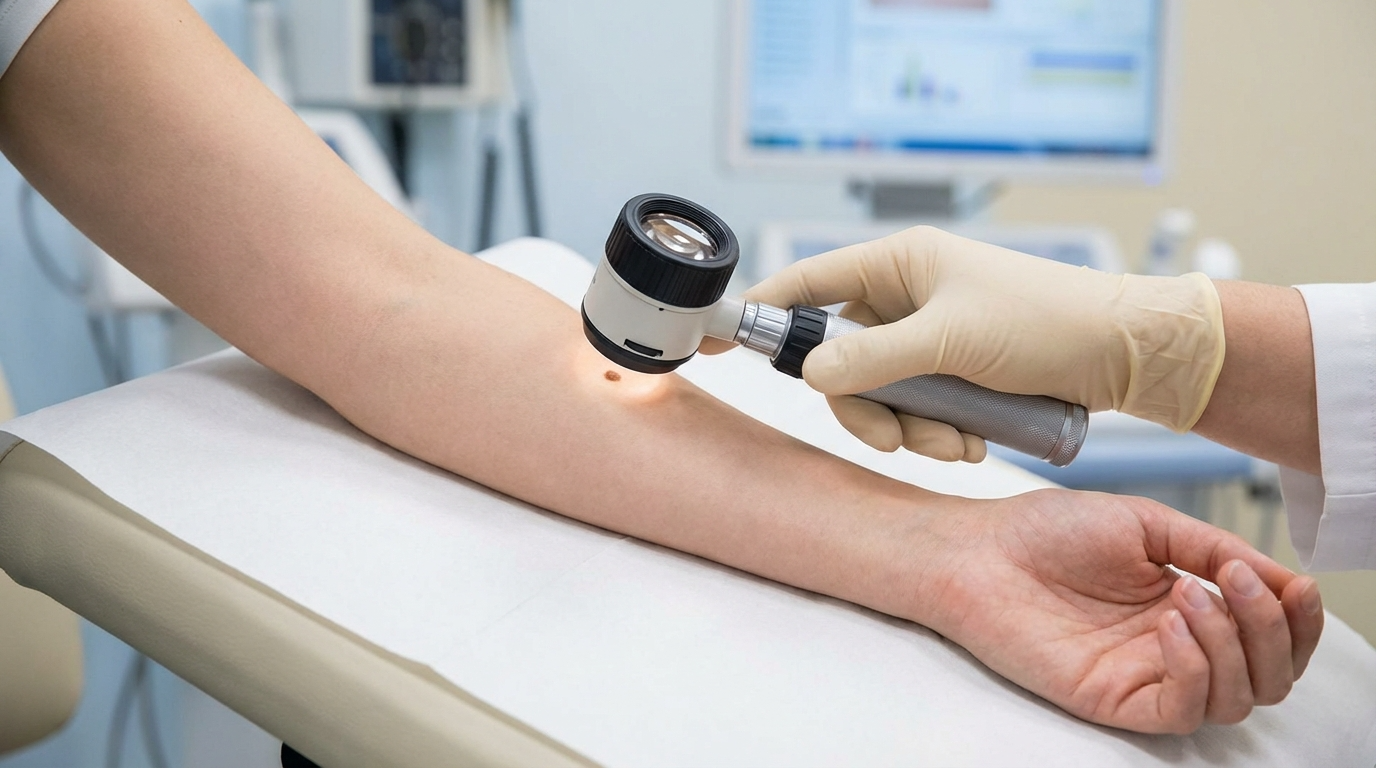
A dermatologist completes rigorous medical training, including four years of medical school, a year-long internship, and a three-year residency focused exclusively on dermatology. This extensive education equips them to manage a vast array of dermatological concerns, from common rashes to complex skin cancers. Their expertise extends beyond mere aesthetics; they are physicians first, dedicated to the health and integrity of your integumentary system.
Indeed, a dermatologist’s role is multifaceted. They are diagnosticians, surgeons, and cosmetic specialists, all rolled into one. Their profound understanding of skin biology, pathology, and treatment modalities ensures comprehensive patient care.
The Integumentary System: A Dermatologist’s Domain
The integumentary system encompasses more than just skin. It includes hair, nails, and the delicate mucous membranes lining the mouth, nose, and eyelids. Each component presents unique challenges and conditions. A dermatologist possesses the specialized knowledge to address issues across this entire spectrum.
- Cilt: Diagnosing and treating conditions like acne, eczema, psoriasis, and skin cancer.
- Hair: Addressing hair loss (alopecia), scalp conditions, and hair shaft disorders.
- Nails: Managing fungal infections, ingrown nails, and other nail diseases.
- Mucous Membranes: Treating oral lesions, genital sores, and other conditions affecting these sensitive areas.
5 Critical Specializations in Skin Science
Dermatology is a broad field, often leading practitioners to develop expertise in specific sub-specialties. These areas allow for even more focused and advanced care, addressing particular patient needs with precision.
1. Medical Dermatology: Diagnosing and Treating Skin Diseases
Medical dermatologists are the frontline experts for a vast array of skin conditions. They diagnose and manage chronic diseases such as psoriasis, eczema, and rosacea, alongside acute issues like infections and allergic reactions. Their focus remains on restoring skin health and alleviating discomfort. Complex cases, indeed, often require their keen diagnostic eye.
2. Cosmetic Dermatology: Enhancing Skin Aesthetics
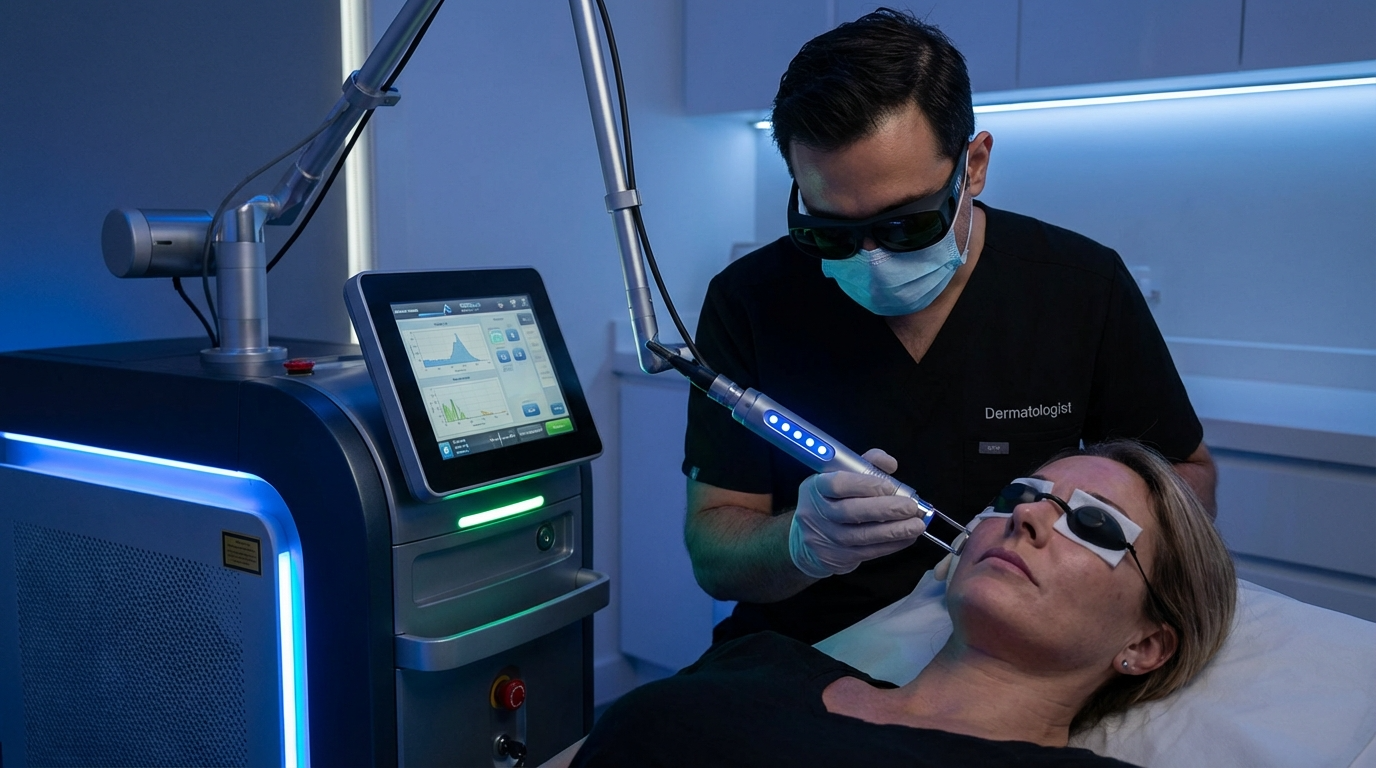
For those seeking to improve skin appearance, cosmetic dermatologists offer a range of advanced treatments. They specialize in procedures designed to reduce signs of aging, correct imperfections, and enhance natural beauty. Treatments include injectables like Botoks, dermal dolgu maddeleri, laser therapies, and chemical peels. Achieving youthful, radiant skin is their primary goal, often integrating comprehensive yaşlanma karşıtı stratejiler.
3. Surgical Dermatology: Excisions and Reconstructions
Surgical dermatologists perform procedures to remove skin cancers, benign growths, and cysts. They are adept at Mohs micrographic surgery, a highly precise technique for excising skin cancer while preserving healthy tissue. Reconstructive techniques, too, fall within their purview, ensuring optimal cosmetic and functional outcomes.
4. Pediatric Dermatology: Caring for Young Skin
Children’s skin presents unique challenges, often requiring a specialized approach. Pediatric dermatologists diagnose and treat skin conditions specific to infants, children, and adolescents. Birthmarks, congenital skin disorders, and childhood eczema are common concerns they address. Their gentle approach ensures comfort for the youngest patients.
5. Dermatopathology: The Science Behind the Diagnosis
Dermatopathologists are pathologists with specialized training in skin diseases. They analyze skin biopsies under a microscope, providing definitive diagnoses for complex conditions, including various forms of skin cancer. Their work is crucial, indeed, forming the backbone of accurate dermatological treatment plans.

Why a Dermatologist is Your Skin’s Best Ally
The intricate nature of skin, hair, and nail conditions necessitates the expertise of a dermatologist. Self-diagnosis or reliance on general practitioners often falls short, potentially delaying effective treatment. A dermatologist offers unparalleled diagnostic accuracy and a tailored treatment approach, ensuring the best possible outcomes for your skin health.
Their comprehensive understanding of the integumentary system means they address not just symptoms, but underlying causes. Trusting your skin to a specialist is, without doubt, a proactive step towards lasting health and vitality.

Çözüm
A dermatologist’s role extends far beyond surface-level concerns. They are highly trained medical professionals, specializing in the complex health of your skin, hair, nails, and mucous membranes. Their diverse specializations ensure that every dermatological need, from medical conditions to aesthetic enhancements, receives expert attention.
Prioritizing specialized care for your integumentary system is paramount. Consulting a dermatologist guarantees a precise diagnosis and an effective treatment plan, safeguarding your overall well-being. Your skin deserves nothing less than this dedicated expertise.
Önemli Noktalar
- A dermatolog specializes in diseases of the skin, hair, nails, and mucous membranes.
- Their training is extensive, encompassing medical, surgical, and cosmetic aspects of dermatology.
- Key specializations include Medical, Cosmetic, Surgical, Pediatric Dermatology, and Dermatopathology.
- Seeking expert dermatological care ensures accurate diagnosis and effective treatment for complex conditions.
- Comprehensive care from a dermatologist is crucial for maintaining long-term skin health.
Sonraki Adımlar
- Alanında uzman bir dermatoloğa danışın. for any persistent skin, hair, or nail concerns.
- Discuss your specific needs to determine the most appropriate specialization for your care.
- Schedule regular skin checks, especially if you have a history of sun exposure or skin cancer.
Sıkça Sorulan Sorular (SSS)
What specific organs do dermatologists treat?
Dermatologists specialize in the skin, hair, nails, and mucous membranes, which include the linings of the mouth, nose, and eyelids.
Is a dermatologist only for cosmetic issues?
Absolutely not. While many dermatologists offer cosmetic treatments, their primary role is diagnosing and treating medical conditions affecting the skin, hair, and nails.
When should I see a dermatologist instead of a general practitioner?
You should consult a dermatologist for persistent rashes, unusual moles, severe acne, hair loss, or any condition that a general practitioner cannot effectively diagnose or treat.
Do dermatologists treat skin cancer?
Yes, dermatologists are experts in diagnosing and treating all forms of skin cancer, often performing surgical excisions and recommending further therapies.
Güvendiğiniz Dr. Ebru Okyay'ın uzmanlığını keşfedin dermatolog. İster tıbbi cilt sorunlarınızı gidermek, ister kozmetik tedavilerle doğal güzelliğinizi artırmak isteyin, Dr. Okyay size yardımcı olmak için burada. Kişiselleştirilmiş bakım ve gelişmiş tekniklerle, cilt hedeflerinize ulaşmak hiç bu kadar kolay olmamıştı. Bize Ulaşın today to schedule your consultation.
 Turkish
  English
  German
  French
  Spanish
  Italian
  Russian
  Arabic