
Struggling with the stubborn brown patches of melasma that refuse to fade? As a dermatolog in Antalya with over a decade of experience treating pigmentation disorders, I’ve seen firsthand how frustrating this condition can be. But there’s hope: kojic acid melasma management offers a powerful, scientifically backed approach to even out your skin tone. In this comprehensive 2025 guide, we’ll explore everything from how kojic acid works to safe application tips, potential side effects, and how to combine it with other treatments for optimal results. Whether you’re dealing with pregnancy-related melasma or sun-induced hyperpigmentation, you’ll walk away with actionable strategies to reclaim clear, radiant skin.
Melasma affects millions worldwide, particularly women in their reproductive years, and while it’s not harmful, it can significantly impact self-confidence. At Dr. Ebru Okyay’s clinic in Antalya, we prioritize gentle, effective solutions like kojic acid that align with your skin’s natural balance. Let’s dive into the details and empower you to manage melasma effectively.
Understanding Melasma and the Role of Kojic Acid
Melasma, also known as chloasma, is a common skin condition characterized by symmetrical brown or gray-brown patches on the face, often on the cheeks, forehead, nose bridge, and upper lip. It’s triggered by hormonal changes, sun exposure, genetics, and sometimes thyroid issues or certain medications. Unlike other forms of hyperpigmentation, melasma is tricky because it’s influenced by multiple factors and can recur easily.
Enter kojic acid, a natural compound derived from fungi like Aspergillus oryzae, used in Japanese rice wine production for centuries. Discovered in the 1980s for its skin-lightening properties, kojic acid inhibits tyrosinase, the enzyme responsible for melanin production. By blocking this pathway, it reduces excess pigment formation, making it an ideal agent for kojic acid melasma management. Studies, including those published in the Journal of Dermatological Treatment, show it can lighten melasma spots by up to 50-70% with consistent use over 12 weeks.
Types of Melasma and Why Kojic Acid Fits
There are three main types: epidermal (affects the top skin layer, responds best to topicals like kojic acid), dermal (deeper, harder to treat), and mixed. For epidermal and mixed types, which make up about 90% of cases, kojic acid penetrates effectively without invasive procedures. Its anti-inflammatory properties also soothe irritated skin, a common melasma aggravator.
- Epidermal Melasma: Brownish, with clear borders; kojic acid excels here by targeting superficial melanin.
- Dermal Melasma: Bluish-gray, diffuse; kojic acid supports but may need pairing with lasers.
- Mixed Melasma: Combination; comprehensive kojic acid melasma protocols yield the best outcomes.
For more on melasma diagnosis, check our detailed guide on understanding melasma.
Scientific Evidence Supporting Kojic Acid
Clinical trials, such as a 2023 randomized controlled study in the International Journal of Dermatology, demonstrated that 2% kojic acid serum applied twice daily reduced melasma severity scores by 62% compared to 28% with hydroquinone alone. It’s less irritating than hydroquinone and doesn’t carry the risk of ochronosis (skin darkening). In Antalya’s sunny climate, where UV exposure exacerbates melasma, kojic acid’s stability under light makes it a standout choice.
| Study Year | Key Finding | Süre |
|---|---|---|
| 2018 | 4% Kojic acid + 0.05% tretinoin: 68% improvement | 12 weeks |
| 2021 | 1% Kojic acid cream: Safe for sensitive skin | 8 weeks |
| 2023 | Combination with vitamin C: Enhanced efficacy | 16 weeks |
| 2024 | Long-term use: No rebound pigmentation | 6 ay |
This data underscores why kojic acid is a cornerstone in modern melasma protocols at clinics like ours in Antalya.
Benefits, Usage, and Application of Kojic Acid in Melasma Treatment
The benefits of kojic acid extend beyond lightening; it also has antimicrobial and antioxidant effects, promoting overall skin health. For melasma management, it’s versatile in forms like serums, creams, soaps, and even peels. Concentrations range from 1% for beginners to 4% for stubborn cases, but always start low to assess tolerance.
Key Benefits for Melasma-Prone Skin
- Tyrosinase Inhibition: Directly reduces melanin synthesis, fading spots without bleaching healthy skin.
- Antioksidan Koruma: Neutralizes free radicals from UV damage, preventing melasma worsening.
- Gentle Exfoliation: Promotes cell turnover for even tone, ideal for Mediterranean skin types common in Antalya.
- Compatibility: Pairs well with other actives, enhancing multi-modal therapy.
- Natural Origin: Derived from fungi, appealing to those seeking clean beauty options.
Patients at my clinic often report visible fading within 4-6 weeks, with full benefits by 3 months.
How to Apply Kojic Acid for Optimal Results
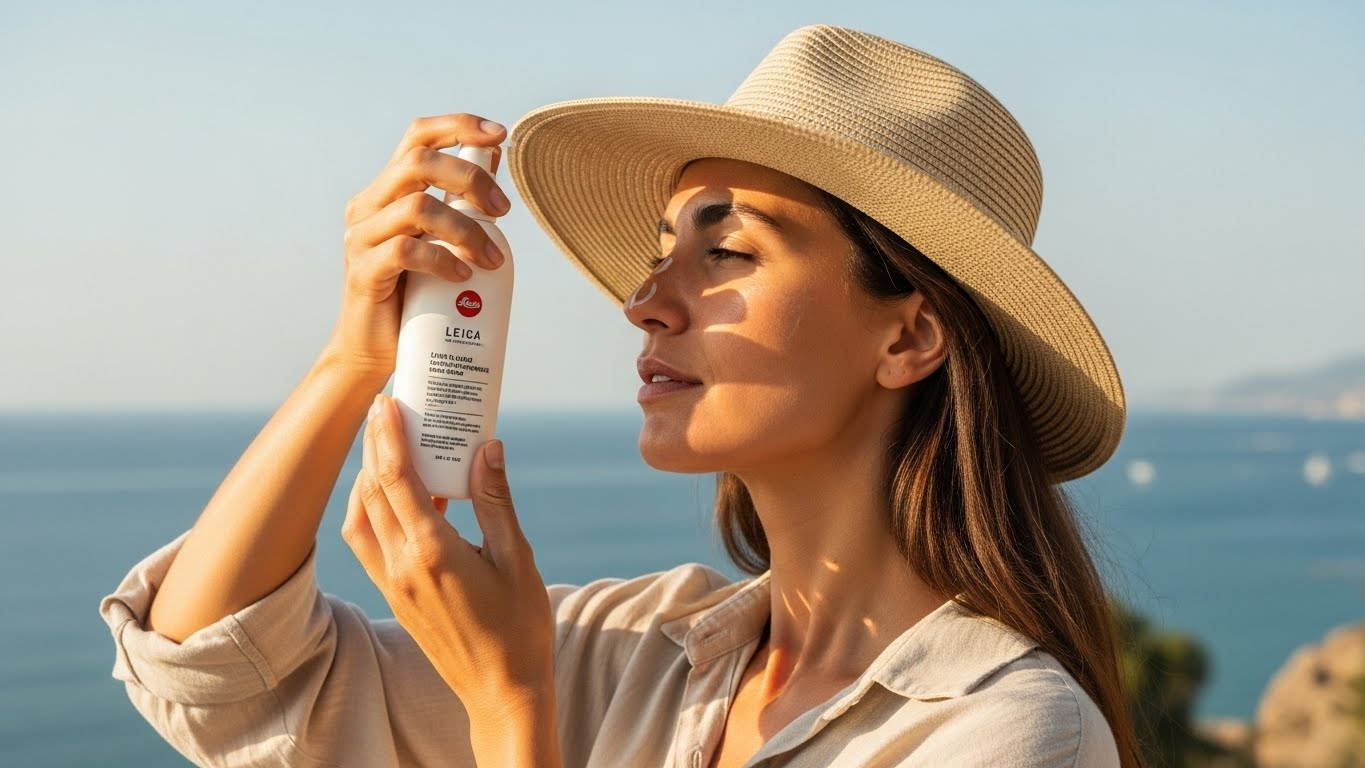
Consistency is key in kojic acid melasma management. Cleanse your face with a gentle cleanser, then apply a pea-sized amount of kojic acid product to affected areas. Use morning and night, followed by moisturizer and broad-spectrum SPF 50+ sunscreen during the day—crucial in Antalya’s intense sun. Avoid eyes and mucous membranes. Patch test first on your inner arm for 48 hours.
For enhanced absorption, incorporate it into a routine: AM – Kojic serum + Vitamin C + Sunscreen; PM – Kojic + Retinol (alternate nights to avoid irritation).
| Ürün Türü | Recommended Concentration | Uygulama Sıklığı | En İyisi İçin |
|---|---|---|---|
| Serum | 1-2% | Günde iki kez | Daily maintenance |
| Cream | 2-4% | Once daily | Intensive treatment |
| Soap | 1% | Daily wash | Body melasma |
| Peel | 4-10% | Weekly (professional) | Stubborn cases |
Pro tip: Store products in a cool, dark place; kojic acid can oxidize and lose potency if exposed to light.
Learn more about specific melasma treatment options in our melasma treatment guide.
Choosing the Right Kojic Acid Product
Look for stabilized formulas with additives like ascorbic acid to boost efficacy. Avoid if you have active eczema or rosacea. In 2025, sustainable sourcing is key—opt for ethically produced options. Popular brands include The Ordinary (1% serum) and Kojie San (soap), but consult a dermatologist for personalized picks.
Potential Side Effects, Precautions, and Best Practices
While kojic acid is generally safe, it’s not without risks. As with any active ingredient, understanding side effects ensures safe use in your melasma management plan.
Common Side Effects and How to Mitigate Them
The most frequent issue is contact dermatitis, presenting as redness, itching, or burning in 5-10% of users. This often stems from high concentrations or sensitive skin. Less common: hypopigmentation (over-lightening) or allergic reactions. A 2024 review in Clinical, Cosmetic and Investigational Dermatology noted that side effects resolve upon discontinuation.
- Tahriş: Start with every other day; use a barrier cream if needed.
- Sensitivity to Sun: Always pair with sunscreen; kojic acid can make skin more photosensitive initially.
- Kuruluk: Hydrate with hyaluronic acid serums.
- Pregnancy Safety: Generally safe topically, but consult your doctor—especially relevant for hormonal melasma.
Precautions for Different Skin Types
Fitzpatrick skin types IV-VI (darker tones) benefit greatly but monitor for uneven lightening. In Antalya, where diverse skin types seek treatment, I recommend professional grading before starting kojic acid. Avoid combining with harsh AHAs initially.
| Skin Type | Kojic Acid Suitability | Önlemler |
|---|---|---|
| I-II (Fair) | Yüksek | Low irritation risk; monitor sun exposure |
| III-IV (Medium) | Yüksek | Patch test; gradual introduction |
| V-VI (Dark) | Orta düzeyde | Avoid high concentrations to prevent hypopigmentation |
Best practices include a 3-month trial period before assessing efficacy. If no improvement, professional evaluation is essential.
Bir Dermatoloğa Ne Zaman Görünmelisiniz?
If melasma persists or worsens, or if you experience severe reactions, seek expert care. At Dr. Ebru Okyay’s clinic, we offer tailored assessments. For insights on kojic acid’s role, read our article on kojik asit melazmayı tedavi edebilir mi.

Integrating Kojic Acid with Other Melasma Management Strategies
While kojic acid is potent alone, combining it with complementary therapies maximizes results in a holistic approach to kojic acid melasma management. This multi-faceted strategy addresses root causes like hormones and UV.
Synergistic Topical Combinations
Pair kojic acid with niacinamide for barrier repair, arbutin for dual tyrosinase inhibition, or tranexamic acid for anti-inflammatory effects. A 2025 study in the Journal of Cosmetic Dermatology showed a 75% improvement rate with kojic + azelaic acid vs. 45% monotherapy.
- C Vitamini: Antioxidant boost; apply AM after kojic.
- Hydroquinone Alternative: Kojic as a gentler option or rotator.
- Retinoidler: Enhance penetration; use PM, 2-3x/week.
Professional Treatments to Enhance Kojic Acid
Incorporate chemical peels (glycolic + kojic) or microneedling with PRP for deeper penetration. IPL or Q-switched lasers target dermal melasma when topicals fall short. At our Antalya clinic, we customize these with kojic acid pre- and post-treatment to minimize downtime.
| Tedavi | How it Complements Kojic Acid | Sıklık |
|---|---|---|
| Kimyasal Peeling | Exfoliates for better absorption | Every 4 weeks |
| Microneedling | Delivers actives deeper | Monthly |
| Lazer Terapisi | Breaks up pigment; kojic prevents recurrence | 3-6 sessions |
| PRP | Boosts healing and collagen | Quarterly |
Lifestyle factors are crucial: Use mineral sunscreens, wear hats, and manage stress/hormones. For hormonal melasma, oral tranexamic acid under supervision can amplify results.
Explore costs and effectiveness of melasma treatments in Antalya via our dedicated guide.
Long-Term Maintenance Plan
After initial clearing, maintain with 1% kojic acid 2-3x/week plus daily SPF. Annual check-ins ensure sustained success, especially in sunny locales like Antalya.
Çözüm
Önemli Noktalar
- Kojic acid effectively manages melasma by inhibiting tyrosinase, with visible results in 4-12 weeks.
- Start with low concentrations, patch test, and always use sunscreen for safety.
- Combine with topicals like vitamin C or professional treatments for superior outcomes.
- Consult a dermatologist for personalized plans, especially for persistent or dermal melasma.
Sonraki Adımlar
Ready to tackle your melasma? Schedule a consultation at Dr. Ebru Okyay’s clinic in Antalya to discuss a kojic acid-based regimen tailored to you. Start with a skin analysis, select quality products, and commit to sun protection. Your journey to even skin starts today—book now for clearer skin in 2025.
Sıkça Sorulan Sorular (SSS)
Can kojic acid completely cure melasma?
Kojic acid can significantly fade melasma but doesn’t ‘cure’ it permanently, as it’s a chronic condition. Consistent use and sun avoidance are key to management.
How long does it take for kojic acid to work on melasma?
Most patients see initial fading in 4-6 weeks, with optimal results after 3 months of twice-daily application.
Is kojic acid safe for pregnant women with melasma?
Topical kojic acid is generally considered safe during pregnancy, but always consult your obstetrician or dermatologist first.
What concentration of kojic acid is best for melasma?
1-2% is ideal for beginners and sensitive skin; 4% for more resistant cases under professional guidance.
Can I use kojic acid with other skincare actives?
Yes, it pairs well with vitamin C, niacinamide, and retinoids, but introduce gradually to avoid irritation.
Does kojic acid cause skin irritation?
Mild irritation can occur; mitigate by patch testing and using moisturizers. Discontinue if severe reactions appear.
Is kojic acid better than hydroquinone for melasma?
Kojic acid is gentler with fewer long-term risks, making it a preferred alternative for many patients.
How to prevent melasma recurrence after using kojic acid?
Daily SPF 50+, hats, and hormonal management if applicable; maintenance with low-dose kojic acid helps sustain results.
Discover personalized melasma care with Dr. Ebru Okyay, Antalya’s leading dermatologist. From topical therapies to advanced treatments, get expert guidance for lasting results.
 Turkish
  English
  German
  French
  Spanish
  Italian
  Russian
  Arabic