
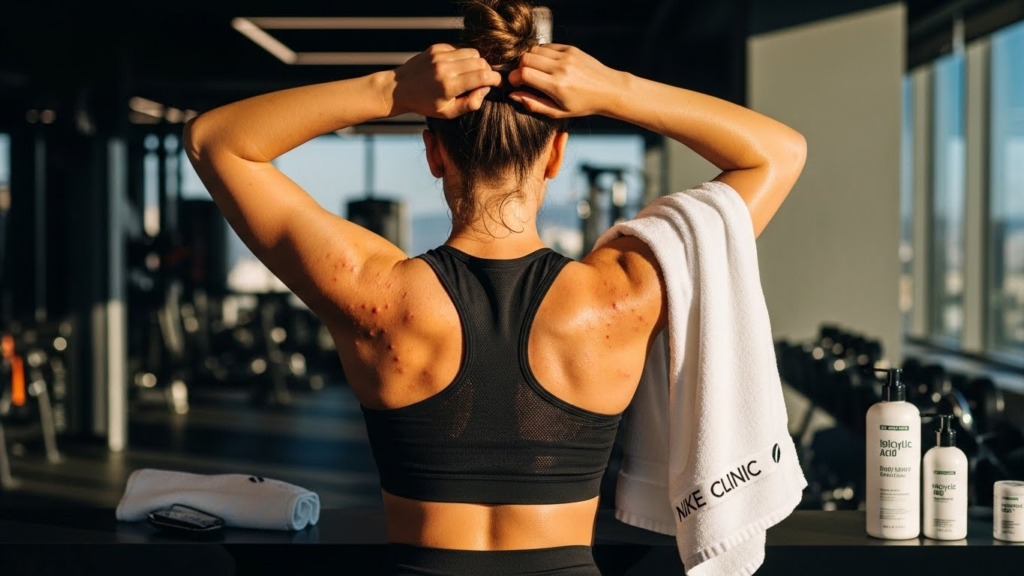
Struggling with persistent breakouts and unsure what type of acne you’re dealing with? As a leading dermatolog in Antalya, Dr. Ebru Okyay understands the frustration acne can cause. In 2025, with advancing skincare knowledge, identifying the right acne varieties is crucial for effective treatment. This comprehensive guide explores the 7 key types of acne, helping you understand symptoms, causes, and solutions to achieve clearer skin.
Whether you’re a teenager battling hormonal changes or an adult facing unexpected flare-ups, knowing the specific types of acne empowers you to seek targeted care. From mild blackheads to severe cystic nodules, we’ll break down each variety, drawing on years of clinical experience at Dr. Ebru Okyay’s clinic. By the end, you’ll have actionable insights to discuss with your dermatologist and steps toward healthier skin.
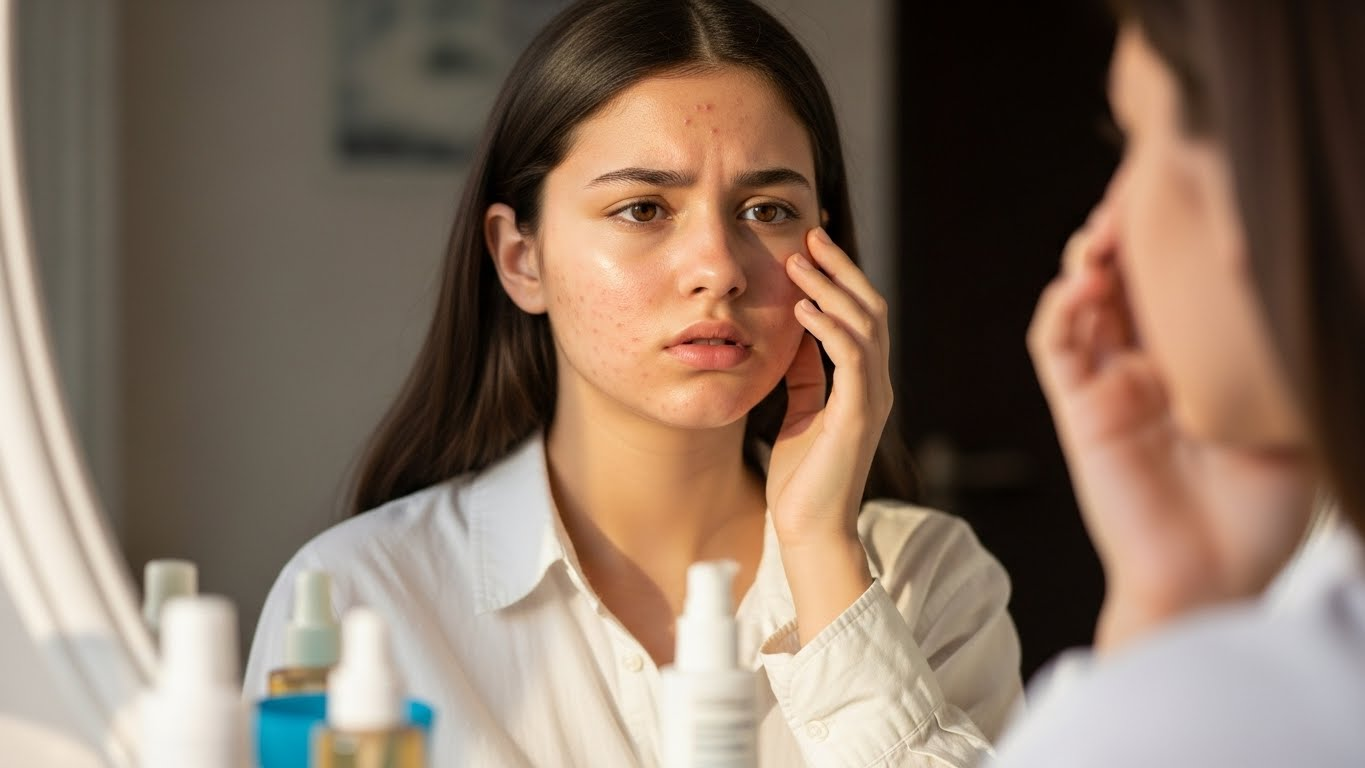
Understanding the Basics of Acne
Before diving into the types of acne, it’s essential to grasp what acne is. Acne vulgaris, the most common form, occurs when hair follicles become clogged with oil (sebum), dead skin cells, and bacteria. This leads to inflammation and various skin imperfections. Factors like genetics, hormones, diet, and stress play significant roles.
In Antalya’s sunny climate, sun exposure can sometimes exacerbate acne by drying out the skin, prompting overproduction of oil. At Dr. Ebru Okyay’s practice, we emphasize personalized skincare routines tailored to your skin type and lifestyle for optimal results.
Why Identifying Acne Types Matters
Each acne variety requires a different approach. Misdiagnosing a fungal acne as bacterial can lead to ineffective treatments and worsening conditions. Early identification prevents scarring and boosts confidence. Our clinic uses advanced diagnostic tools to pinpoint your exact type of acne during consultations.
The 7 Key Types of Acne Explored
Here, we delve into the 7 key types of acne, from non-inflammatory to severe forms. Each section includes symptoms, causes, and initial management tips based on dermatological best practices in 2025.
1. Comedonal Acne: Blackheads and Whiteheads
Comedonal acne is the mildest form, characterized by clogged pores without significant inflammation. Blackheads (open comedones) appear as dark spots when sebum and debris oxidize upon exposure to air. Whiteheads (closed comedones) are flesh-colored bumps under the skin.
Bu type of acne often affects the T-zone (forehead, nose, chin) in teens and young adults due to excess oil production during puberty. Hormonal fluctuations or using comedogenic (pore-clogging) products can trigger it. In our Antalya clinic, we see this frequently in patients with oily skin types.
- Belirtileri: Small, non-painful bumps; no redness.
- Nedenleri: Overactive sebaceous glands, improper skincare, genetics.
- Treatment Tips: Use salicylic acid cleansers to exfoliate. Avoid picking to prevent scarring.
2. Inflammatory Acne: Papules and Pustules
When bacteria like Propionibacterium acnes invade clogged pores, inflammation sets in, leading to this acne variety. Papüller are small, red, tender bumps without pus. Püstüller are similar but filled with white pus, often with a red base.
Common on the face, chest, and back, this type affects about 50% of acne sufferers. Stress, diet high in dairy or sugar, and menstrual cycles can worsen it. Dr. Okyay recommends anti-inflammatory topicals for early intervention.
| Tip | Belirtiler | Süre |
|---|---|---|
| Papüller | Red, inflamed bumps | 3-7 gün |
| Püstüller | Pus-filled with redness | 5-10 gün |
3. Nodular Acne: Deep, Painful Lesions
Nodular acne features hard, painful lumps deep beneath the skin. These types of acne form when inflammation extends into deeper dermal layers, often without a head.
Affecting adults more than teens, it’s linked to hormonal imbalances and can lead to scarring if untreated. In 2025, laser therapies at specialized clinics like ours offer promising non-invasive options.
- Belirtileri: Large, tender nodules; potential for scarring.
- Nedenleri: Severe bacterial overgrowth, androgen hormones.
- Tedavi: Oral antibiotics or isotretinoin under medical supervision.
4. Cystic Acne: Severe and Scarring
The most severe acne variety, cystic acne involves deep, pus-filled cysts that can rupture and cause widespread inflammation. It’s often genetic and hormone-driven, appearing on the jawline and chin.
Patients in Antalya, with our Mediterranean diet influences, may experience flares from high-glycemic foods. Professional extraction and systemic treatments are essential to prevent permanent damage.
This type requires dermatologist intervention, as over-the-counter remedies are insufficient. At Dr. Ebru Okyay’s clinic, we use a combination of therapies for 90% improvement rates.
5. Hormonal Acne: Cycle-Linked Breakouts
Hormonal acne flares with menstrual cycles, pregnancy, or PCOS, typically along the lower face. Androgens stimulate oil production, leading to this persistent type of acne.
In women over 25, it’s common, per 2025 dermatology studies. Balancing hormones through lifestyle and medications helps manage it effectively.
| Trigger | Ortak Yerler |
|---|---|
| Menstruation | Chin, jaw |
| Gebelik | Face, back |
6. Fungal Acne: Malassezia Overgrowth
Often mistaken for bacterial acne, fungal acne (Malassezia folliculitis) is caused by yeast overgrowth in humid environments like Antalya’s summers. It presents as uniform, itchy small bumps.
Antifungal shampoos and avoiding occlusive products are key. Unlike bacterial types, it doesn’t respond to benzoyl peroxide.
7. Body Acne: Beyond the Face
Body acne affects chest, back, and shoulders (bacne), often from sweat, tight clothing, or friction. It’s usually inflammatory or comedonal, exacerbated by gym routines.
In 2025, with rising fitness trends, we’re seeing more cases. Gentle exfoliation and breathable fabrics prevent flare-ups.
For detailed treatment strategies, explore our Akne Tedavileri: Oral İlaçları Keşfetmek rehber.
Causes and Risk Factors of Different Acne Types
While each acne variety has unique triggers, common culprits include hormones, diet, and environment. Genetics account for up to 80% of susceptibility. In Antalya, high humidity and sun can alter skin barrier function.
Lifestyle and Environmental Influences
High-sugar diets promote insulin spikes, worsening oil production. Stress elevates cortisol, fueling inflammation. Skincare habits, like not cleansing after sweating, contribute significantly.
- Avoid dairy and processed foods for hormonal types.
- Use non-comedogenic sunscreen in sunny Antalya.
Prevention Strategies for All Acne Varieties
Daily routines matter: Cleanse twice daily, moisturize, and exfoliate gently. For types of acne prone to scarring, early prevention is vital. Dr. Okyay’s patients benefit from customized plans incorporating these essentials.

Treatment Options for the 7 Types of Acne
Treatment varies by severity. Mild acne varieties respond to topicals, while severe ones need prescription meds or procedures.
Topical and Oral Therapies
Benzoyl peroxide kills bacteria for inflammatory types. Retinoids unclog pores for comedonal acne. For cystic, isotretinoin (Accutane) is gold standard, monitored closely at our clinic.
| Acne Type | Recommended Treatment |
|---|---|
| Comedonal | Salicylic acid, retinoids |
| Inflammatory | Benzoyl peroxide, antibiotics |
| Cystic | Isotretinoin, cortisone injections |
| Hormonal | Spironolactone, birth control |
| Mantar | Antifungals like ketoconazole |
| Body | Body washes with salicylic acid |
| Nodular | Oral meds, light therapy |
Advanced Treatments in 2025
LED light therapy reduces inflammation without downtime. Chemical peels exfoliate deeply for comedonal types. At Dr. Ebru Okyay’s Antalya clinic, we offer these alongside traditional methods for holistic care.
If you’re dealing with persistent acne, schedule a consultation to explore personalized options, including our effective oral medication protocols detailed in our acne treatments guide.
Çözüm
Önemli Noktalar
- The 7 key types of acne range from mild comedonal to severe cystic, each with unique symptoms and treatments.
- Early identification prevents scarring; consult a dermatologist for accurate diagnosis.
- Lifestyle changes and targeted therapies, like those at Dr. Ebru Okyay’s clinic, lead to clearer skin.
- In 2025, advanced options like light therapy offer hope for stubborn cases.
Sonraki Adımlar
Don’t let acne control your life. Start by tracking your breakouts and triggers. Book an appointment with Dr. Ebru Okyay in Antalya for expert guidance. Visit our Hakkımızda page to learn more about our dermatology services.
Sıkça Sorulan Sorular (SSS)
<!– wp:rank-math/faq-block {"questions":[{"id":"faq1","title":"What causes the different types of acne?","content":"Various factors like hormones, bacteria, and genetics cause different acne varieties. Hormonal acne links to cycles, while fungal stems from yeast overgrowth.”,”visible”:true},{“id”:”faq2″,”title”:”How can I tell if I have fungal acne vs. bacterial?”,”content”:”Fungal acne is itchy and uniform; bacterial is more inflamed and varied. A dermatologist can confirm with a skin scraping.”,”visible”:true},{“id”:”faq3″,”title”:”Is acne treatable at any age?”,”content”:”Yes, all ages can achieve clear skin with appropriate treatments. Adults often need hormonal management in 2025 protocols.”,”visible”:true},{“id”:”faq4″,”title”:”Can diet affect acne types?”,”content”:”High-glycemic foods worsen inflammatory types. A balanced diet supports skin health across all varieties.”,”visible”:true},{“id”:”faq5″,”title”:”When should I see a dermatologist for acne?”,”content”:”If over-the-counter treatments fail or scarring occurs, seek professional help immediately for severe types of acne.”,”visible”:true},{“id”:”faq6″,”title”:”Are there natural remedies for mild acne varieties?”,”content”:”Tea tree oil and niacinamide help mild cases, but consult a pro for best results.”,”visible”:true},{“id”:”faq7″,”title”:”How long does treatment take?”,”content”:”Mild types improve in weeks; severe like cystic may take months with consistent care.”,”visible”:true},{“id”:”faq8″,”title”:”Does sun exposure help or hurt acne?”,”content”:”It can dry skin temporarily but leads to rebound oiliness. Use SPF daily.”,”visible”:true}]} –>
What causes the different types of acne?
How can I tell if I have fungal acne vs. bacterial?
Is acne treatable at any age?
Can diet affect acne types?
When should I see a dermatologist for acne?
Are there natural remedies for mild acne varieties?
How long does treatment take?
Does sun exposure help or hurt acne?
At Dr. Ebru Okyay’s dermatology clinic in Antalya, we’re committed to helping you navigate acne varieties with expert care. Contact us today for a personalized treatment plan.
 Turkish
  English
  German
  French
  Spanish
  Italian
  Russian
  Arabic