
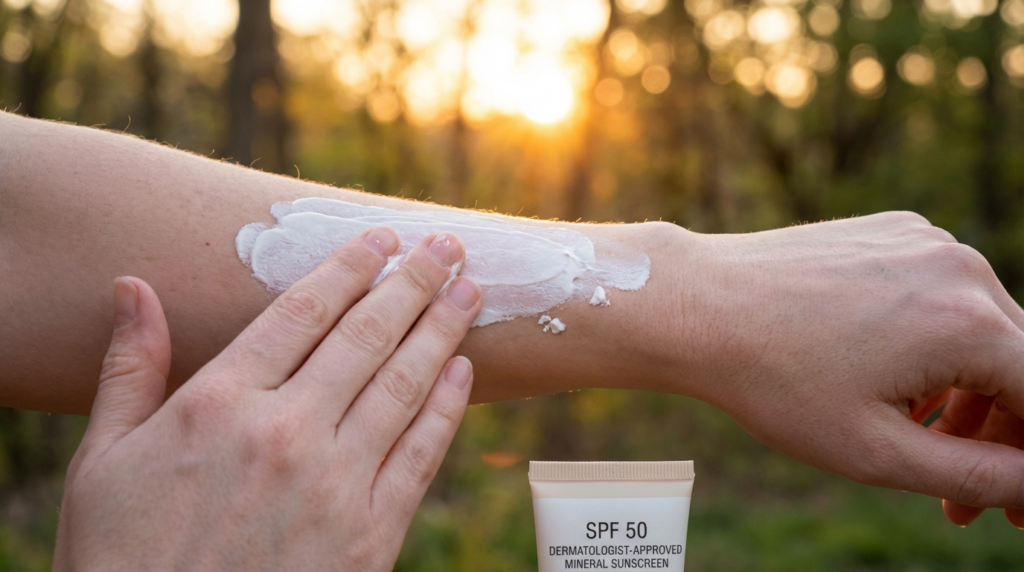
Ориентироваться в огромном мире солнцезащитных средств часто бывает непросто, ведь бесчисленное множество вариантов обещает максимальную защиту. Тем не менее, понимание основных ингредиентов, которые рекомендуют дерматологи, становится первостепенной задачей для действительно эффективной защиты от солнечных ожогов. К 2026 году взыскательные потребители потребуют ясности в вопросе о том, что действительно защищает их кожу.
В этом руководстве подробно описаны основные ингредиенты солнцезащитных средств, проведено различие между физическими и химическими фильтрами, разъяснены значения SPF и объяснено, почему дерматологи так тщательно изучают каждый компонент. Вооружитесь знаниями, чтобы сделать правильный выбор и обеспечить своей коже наилучший уход.
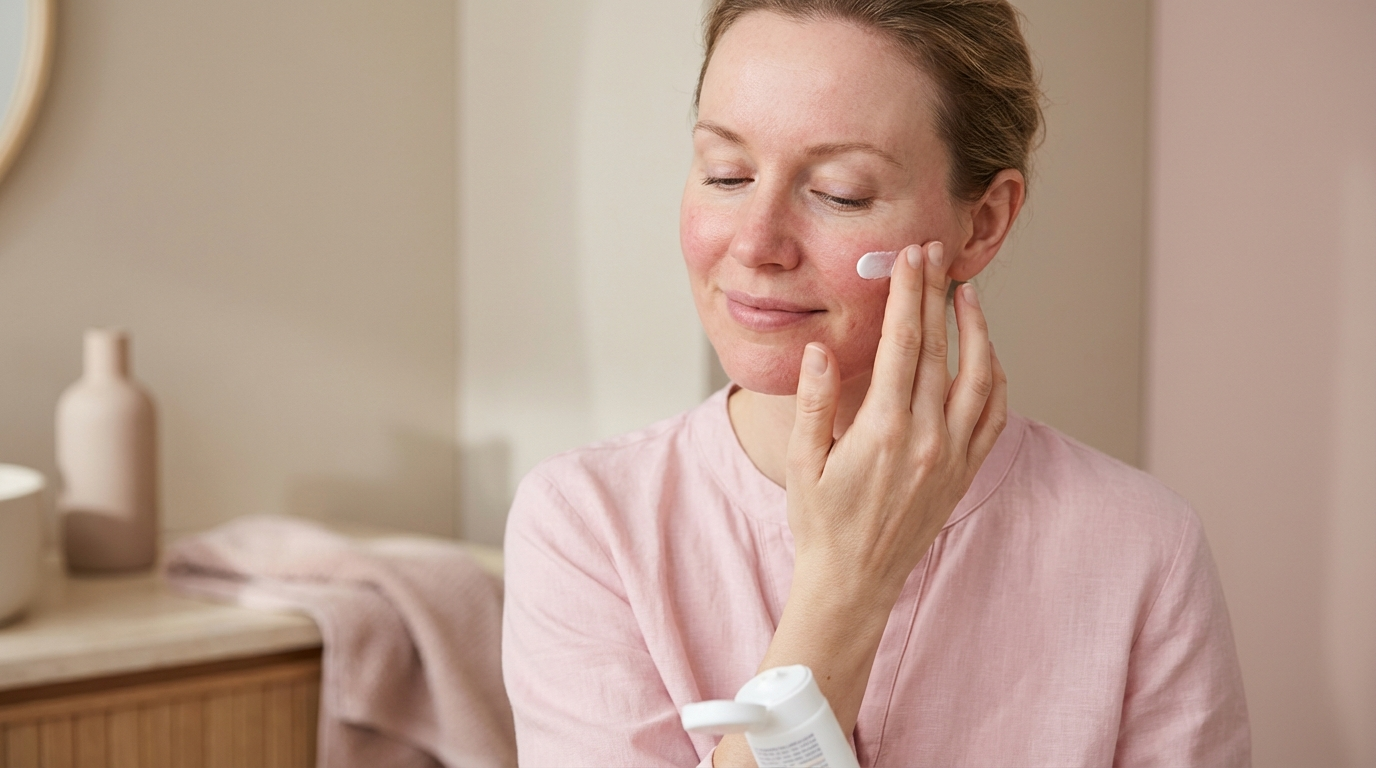
Физические и химические фильтры: понимание их принципиальной разницы.
Солнцезащитные фильтры делятся на две основные категории: физические (минеральные) и химические. Каждый из них предлагает свои механизмы защиты кожи от вредного ультрафиолетового (УФ) излучения. Знание этих различий позволит вам выбрать солнцезащитный крем, наиболее подходящий для ваших индивидуальных потребностей и типа кожи.
Физические фильтры создают защитный барьер на поверхности кожи, отклоняя и рассеивая УФ-лучи. Химические фильтры, напротив, поглощают УФ-излучение, преобразуя его в тепло, которое затем рассеивается от кожи. Оба метода эффективно предотвращают повреждение кожи от солнца, хотя их взаимодействие с кожей значительно различается.
Механизм действия минеральных солнцезащитных кремов
Минеральные солнцезащитные кремы, часто называемые физическими блокаторами, основаны на активных ингредиентах, таких как оксид цинка и диоксид титана. Эти соединения остаются на поверхности кожи, образуя защитный слой. Они обеспечивают защиту широкого спектра, предохраняя от лучей UVA и UVB сразу после нанесения. Дерматологи часто рекомендуют их для чувствительной кожи из-за их мягкого действия.
Как работают химические солнцезащитные кремы
Химические солнцезащитные средства содержат органические соединения, такие как авобензон, октиноксат и оксибензон. Эти ингредиенты проникают в кожу, поглощая УФ-излучение до того, как оно сможет нанести вред. Как правило, для достижения полной эффективности после нанесения требуется около 20 минут. Часто такие средства имеют более легкую текстуру и легко впитываются в кожу.
Расшифровка значений SPF: это не просто число.
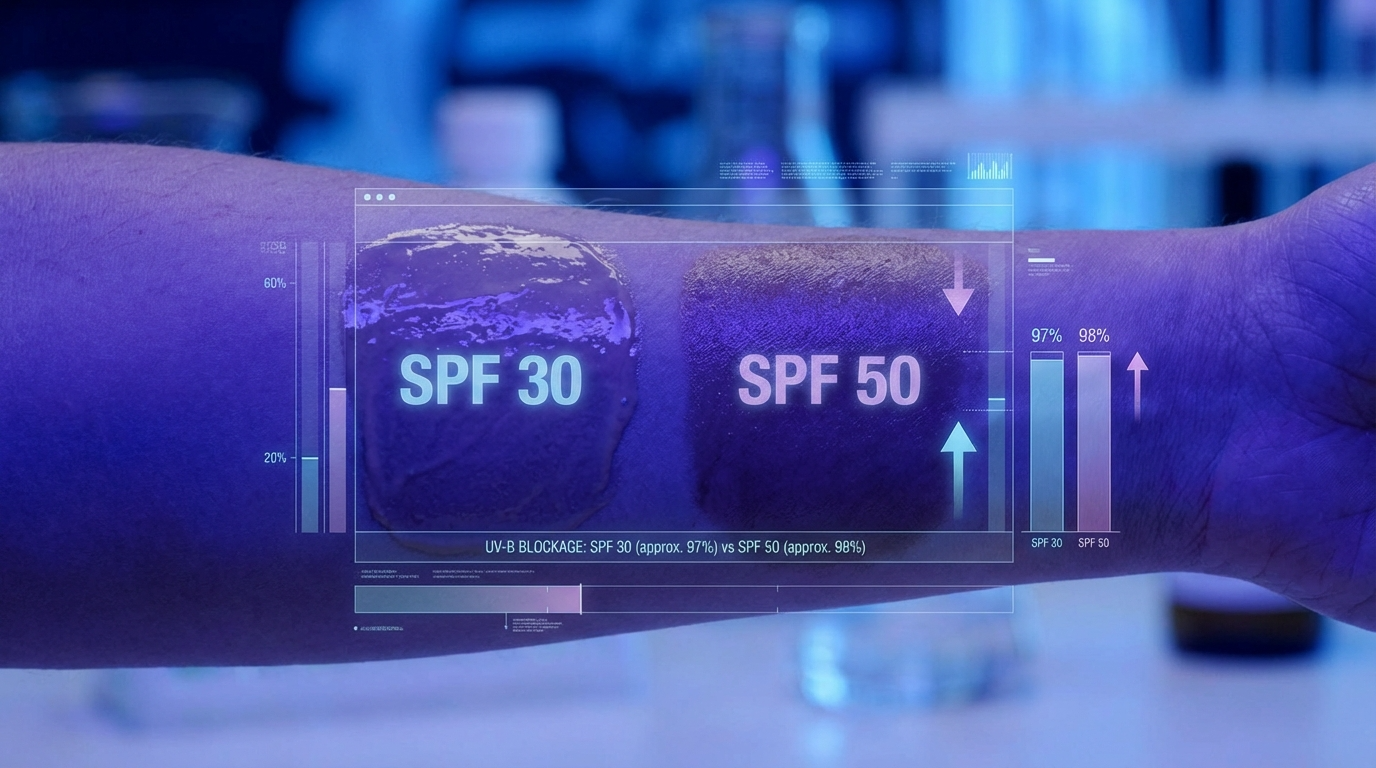
Указанный на этикетке солнцезащитного крема фактор защиты от солнца (SPF) показывает его способность защищать от УФ-лучей типа В, которые являются основной причиной солнечных ожогов. Однако более высокий SPF не означает значительно большей защиты. Понимание того, что на самом деле означают эти цифры, имеет решающее значение для адекватной защиты от солнца.
Солнцезащитный крем с SPF 15 блокирует приблизительно 931 ТП3Т УФ-лучей типа В, с SPF 30 — около 971 ТП3Т, а с SPF 50 — примерно 981 ТП3Т. Ни один солнцезащитный крем не обеспечивает защиту на 1001 ТП3Т. Поэтому регулярное повторное нанесение и другие меры защиты от солнца остаются крайне важными независимо от значения SPF.
Защита широкого спектра действия: требование дерматолога.
Помимо SPF, дерматологи настаивают на использовании солнцезащитных кремов “широкого спектра действия”. Это обозначение подтверждает, что продукт защищает как от UVA, так и от UVB лучей. UVA-лучи способствуют фотостарению и раку кожи, а UVB-лучи вызывают солнечные ожоги. Комплексная защита требует защиты от обоих типов лучей.
Всегда ищите этикетки с четкой пометкой “широкий спектр действия”. Это гарантирует защиту от всего спектра вредного УФ-излучения, что является важным шагом в предотвращении преждевременного старения и снижении риска рака кожи. Для получения дополнительных рекомендаций по поддержанию молодости кожи, ознакомьтесь с нашей информацией. Решения против старения.

Ингредиенты солнцезащитных кремов, рекомендованные дерматологами на 2026 год.
Дерматологи отдают приоритет ингредиентам, доказавшим свою безопасность и эффективность, учитывая различные типы кожи и потенциальную чувствительность. Их рекомендации часто склоняются к формулам, обеспечивающим надежную защиту широкого спектра действия с минимальным раздражением. Вот 5 ингредиентов, которые они неизменно рекомендуют:
- Оксид цинка: Оксид цинка, являющийся физическим блокатором, обеспечивает превосходную защиту широкого спектра действия. Он мягкий, не вызывает раздражения и подходит для чувствительной кожи, детей и людей, склонных к акне.
- Диоксид титана: Еще один минеральный фильтр, диоксид титана, также обеспечивает защиту широкого спектра. Часто в сочетании с оксидом цинка, он хорошо переносится большинством типов кожи и редко вызывает аллергические реакции.
- Авобензон: Авобензон, являющийся химическим фильтром, очень эффективно поглощает лучи UVA. Он входит в состав многих солнцезащитных средств широкого спектра действия, обеспечивая жизненно важную защиту от фотостарения.
- Экамсул (Мексорил SX): Этот химический фильтр обеспечивает стабильную и эффективную защиту от UVA-излучения. Часто встречающийся в европейских и канадских составах, он приобретает все большую популярность во всем мире благодаря своей эффективности и фотостабильности.
- Бис-этилгексилоксифенол метоксифенилтриазин (Тиносорб S): Высокофотостабильный химический фильтр широкого спектра действия Tinosorb S обеспечивает превосходную защиту от UVA и UVB-лучей. Он известен своими высокими показателями и минимальным проникновением в кожу.
Эти ингредиенты составляют основу эффективной защиты от солнца, предлагая сочетание физических и современных химических средств. Всегда проверяйте список ингредиентов, чтобы убедиться, что выбранный вами солнцезащитный крем содержит эти компоненты. дерматолог-сертифицированные компоненты.

Почему дерматологи так тщательно изучают состав солнцезащитных кремов
Внимательное изучение дерматологами состава косметических средств обусловлено глубоким пониманием физиологии кожи и потенциальных раздражителей. Они отдают приоритет формулам, которые не только эффективно защищают, но и поддерживают здоровье кожи, избегая нежелательных реакций. Благополучие пациента диктует такой скрупулезный подход.
При составлении рекомендаций они учитывают такие факторы, как стабильность ингредиентов, потенциальные аллергические реакции и воздействие на окружающую среду. Они выступают за продукты, обеспечивающие стабильную и надежную защиту без ущерба для целостности кожи. Такая бдительность гарантирует оптимальные результаты для каждого пациента.
Основные моменты, которые следует учитывать дерматологам.
- Широкоспектральная эффективность: Комплексная защита от лучей UVA и UVB является обязательной.
Этот строгий процесс оценки гарантирует, что только самые полезные и безопасные солнцезащитные средства получают одобрение дерматолога. Их экспертная оценка помогает потребителям выбирать продукты, которые действительно способствуют долговременному здоровью кожи.

Заключение: Приоритизация защиты с учетом рекомендаций экспертов.
Выбор правильного солнцезащитного крема — важнейший шаг в любой комплексной программе ухода за кожей. Понимание различий между физическими и химическими фильтрами, истинного значения SPF и конкретных ингредиентов, рекомендуемых дерматологами, позволит вам принимать обоснованные решения. Ваша кожа заслуживает только превосходной защиты.
Выбирая формулы широкого спектра действия, содержащие оксид цинка, диоксид титана, авобензон, экамсул или Тиносорб S, вы руководствуетесь рекомендациями опытных врачей. Регулярное применение этих одобренных дерматологами ингредиентов обеспечивает надежную защиту от вредного воздействия солнца, сохраняя здоровье и внешний вид вашей кожи на долгие годы.
Основные выводы для оптимальной защиты от солнца
- Минеральные фильтры (оксид цинка, диоксид титана) обеспечивают мягкую защиту широкого спектра действия, идеально подходящую для чувствительной кожи.
- Химические фильтры (авобензон, экамсул, Тиносорб S) поглощают УФ-лучи, обеспечивая эффективную защиту, часто с более легкой текстурой.
- значения SPF Укажите уровень защиты от UVB-излучения; для защиты от UVA и UVB-излучения всегда выбирайте средства широкого спектра действия.
- Дерматологи отдают приоритет фотостабильность, некомедогенный и гипоаллергенный. составы.
- Последовательное повторное применение остается крайне важным, независимо от SPF-фактора или типа фильтра.
Следующие шаги для здоровья вашей кожи
- Проконсультируйтесь с дерматологом. чтобы определить, какой солнцезащитный крем лучше всего подходит именно для вашего типа кожи и имеющихся проблем.
- Ознакомьтесь с составом вашего солнцезащитного крема. против фильтров, рекомендованных дерматологами.
- Используйте солнцезащитные средства. в качестве ежедневного, обязательного шага в вашей программе ухода за кожей.
Часто задаваемые вопросы (FAQ)
В чём основное различие между физическими и химическими солнцезащитными средствами?
Физические солнцезащитные средства (оксид цинка, диоксид титана) создают барьер, отражающий УФ-лучи, в то время как химические солнцезащитные средства (авобензон, экамсул) поглощают УФ-излучение и преобразуют его в тепло.
Какой уровень SPF обычно рекомендуют дерматологи?
Дерматологи обычно рекомендуют ежедневно использовать солнцезащитный крем широкого спектра действия с SPF 30 или выше, нанося его повторно каждые два часа или после купания/потоотделения.
Есть ли определенные ингредиенты в солнцезащитных кремах, которые лучше подходят для чувствительной кожи?
Да, физические солнцезащитные кремы, содержащие оксид цинка и диоксид титана, часто предпочтительнее для чувствительной кожи из-за их мягкого действия и меньшей вероятности вызвать раздражение.
Почему дерматологи делают акцент на защите широкого спектра действия?
Защита широкого спектра действия обеспечивает защиту как от лучей UVA (вызывающих старение и рак кожи), так и от лучей UVB (вызывающих солнечные ожоги), обеспечивая комплексную защиту от всех видов повреждений, вызванных солнцем.
Откройте для себя опыт доктора Эбру Окьяй, вашего доверенного лица. дерматолог. Если вы хотите решить медицинские проблемы с кожей или улучшить свою естественную красоту с помощью косметических процедур, доктор Окьяй здесь, чтобы помочь. Благодаря индивидуальному уходу и передовым методикам достижение ваших целей по уходу за кожей никогда не было таким простым. Связаться с нами Запишитесь на консультацию сегодня.

 Russian
  English
  German
  French
  Spanish
  Italian
  Arabic
  Turkish