
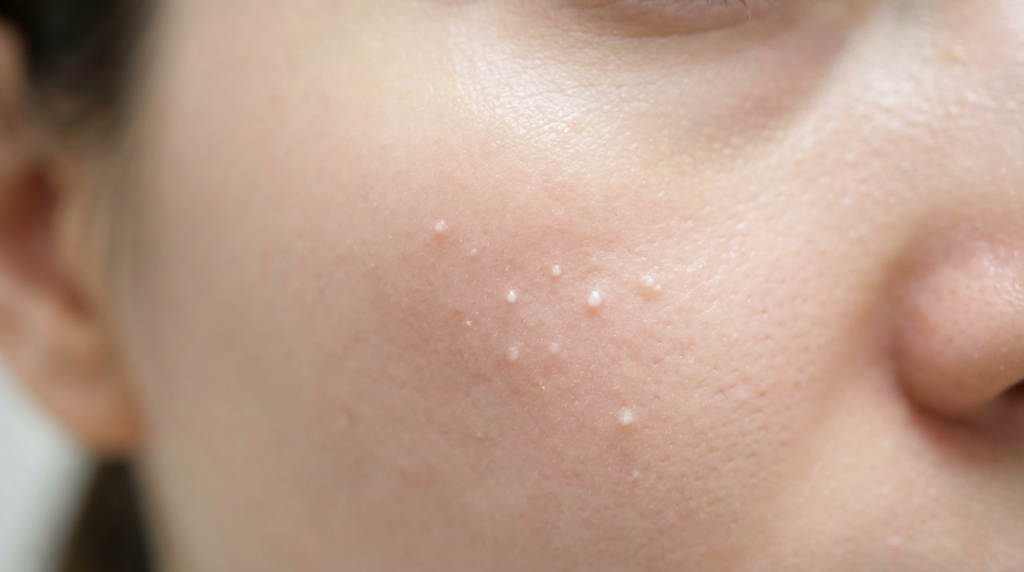
Those tiny white bumps on your face—often mistaken for stubborn acne—are likely milia, a common skin concern affecting all ages. Unlike pimples, milia are keratin-filled cysts that don’t respond to typical acne treatments. The good news? They’re harmless, but their persistence can be frustrating. This guide cuts through the confusion, offering dermatologist-approved methods to safely remove milia and prevent their return, whether you’re dealing with newborn milia or adult-onset keratin cysts.
Milia form when dead skin cells become trapped beneath the skin’s surface, creating small, firm cysts. While they often resolve on their own, improper extraction attempts can lead to scarring or infection. Here’s how to address them safely and effectively—without compromising your skin’s health.
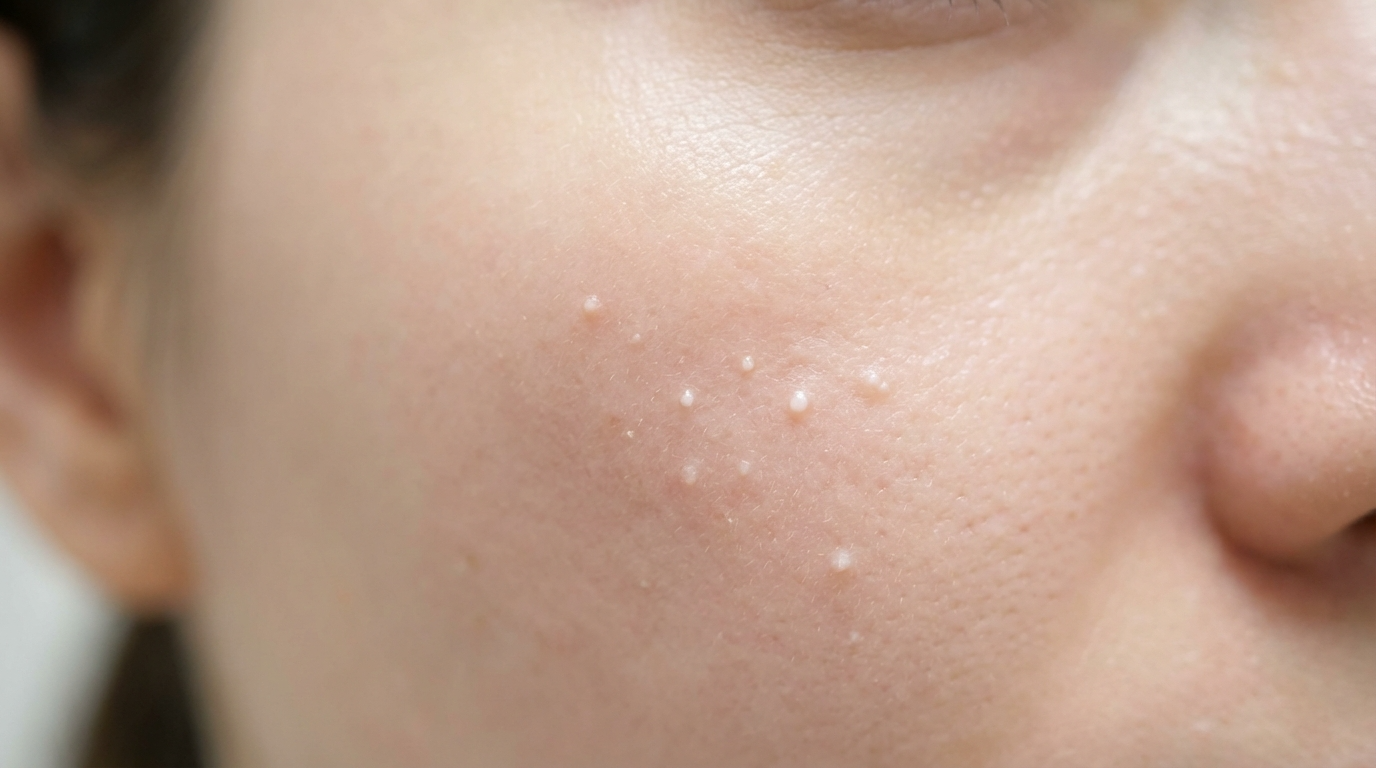
What Are Milia? The Science Behind Tiny White Bumps
Milia are small, dome-shaped cysts filled with keratin, a protein naturally found in skin, hair, and nails. They commonly appear on the face and eyelids but can develop anywhere on the body. Unlike acne, milia lack a pore opening, making them resistant to squeezing or popping. There are two primary types:
- Primary Milia: Form directly from trapped keratin, often seen in newborns (newborn milia) and adults with sun-damaged skin.
- Secondary Milia: Develop after skin trauma, such as burns or aggressive treatments like dermabrasion.
Milia are not caused by clogged pores or excess oil but by improper skin cell turnover. Factors like sun damage, heavy makeup clogging pores, or inadequate exfoliation can contribute to their formation.
7 Safe Methods to Remove Milia at Home and Professionally
While milia often resolve on their own, persistent cases may require intervention. Below are safe, effective methods—from at-home care to professional treatments—ranked by efficacy and skin safety.
1. Gentle Exfoliation with Retinoids
Retinoids, derived from vitamin A, accelerate cell turnover and prevent keratin buildup. Over-the-counter options like adapalene or prescription-strength tretinoin can help milia fade over time. Start with a low concentration (0.025%) to avoid irritation, and apply 2–3 nights weekly. Pair with a gentle skincare routine to minimize sensitivity.
Pro Tip: Avoid physical scrubs, which can worsen milia by causing micro-tears in the skin. Instead, opt for chemical exfoliants like lactic acid or mandelic acid to dissolve dead skin cells gently.
2. Warm Compress for Natural Drainage
A warm compress softens the skin and encourages milia to surface naturally. Soak a clean washcloth in warm water, wring it out, and hold it against the affected area for 5–10 minutes, 2–3 times daily. This method is particularly effective for newborn milia, which typically resolve without intervention.
3. Professional Extraction by a Dermatologist
For stubborn milia, a dermatologist can perform a sterile extraction procedure using a fine needle or lancet. This should never be attempted at home, as improper technique risks infection and scarring. During the procedure:
- The skin is cleansed and numbed with a topical anesthetic.
- A sterile needle creates a tiny opening in the milia.
- The cyst is gently expressed, and the area is disinfected.
Recovery is minimal, with slight redness subsiding within hours. For those in Antalya, consulting a specialist ensures safe and precise removal.
4. Chemical Peels for Deeper Exfoliation
Professional chemical peels containing glycolic acid or salicylic acid dissolve the bonds between dead skin cells, promoting milia clearance. Superficial peels (20–30% concentration) are ideal for milia, while deeper peels may be recommended for severe cases. Always follow with SPF 30+ to prevent sun damage contribution to milia formation.
5. Microneedling for Skin Renewal
Microneedling, such as Dermapen treatments, stimulates collagen production and enhances skin cell turnover. This process helps release trapped keratin and prevents future milia. Sessions are spaced 4–6 weeks apart, with visible improvements after 3–4 treatments.
6. Avoid Pore-Clogging Products
Heavy creams, comedogenic makeup, and silicone-based primers can exacerbate milia by trapping keratin. Opt for non-comedogenic, oil-free products labeled “won’t clog pores.” Mineral-based makeup is an excellent alternative for those prone to makeup clogging.
7. Sun Protection to Prevent Recurrence
UV exposure thickens the skin’s outer layer, increasing the risk of keratin buildup. Apply a broad-spectrum SPF 30+ daily, even on cloudy days. For added protection, wear hats and seek shade during peak sun hours. This step is critical in preventing sun damage contribution to milia formation.
When to See a Dermatologist: Red Flags and Risks
While milia are generally harmless, certain signs warrant professional evaluation:
- Persistent milia that don’t improve with at-home care after 2–3 months.
- Inflamed or painful milia, which may indicate infection.
- Widespread milia covering large areas of the face or body.
- Milia in sensitive areas, such as the eyelids, where DIY removal is risky.
Attempting to pop or squeeze milia at home can lead to:
- Scarring: Permanent pits or dark spots.
- Infection: Bacterial entry through broken skin.
- Worsened milia: Trauma can cause more cysts to form.
For safe and effective removal, schedule a consultation with a board-certified dermatologist.
Preventing Milia: A Long-Term Skincare Strategy
Prevention hinges on maintaining healthy skin cell turnover and avoiding pore-clogging products. Incorporate these habits into your routine:
- Cleanse twice daily with a mild, non-comedogenic cleanser.
- Exfoliate 2–3 times weekly using chemical exfoliants like AHAs or BHAs.
- Moisturize with lightweight, oil-free formulas to support skin barrier function.
- Remove makeup thoroughly before bed to prevent makeup clogging.
- Use sunscreen daily to protect against sun damage contribution.
For those prone to milia, consider professional treatments like mesotherapy or derma fillers to enhance skin renewal and reduce keratin buildup.
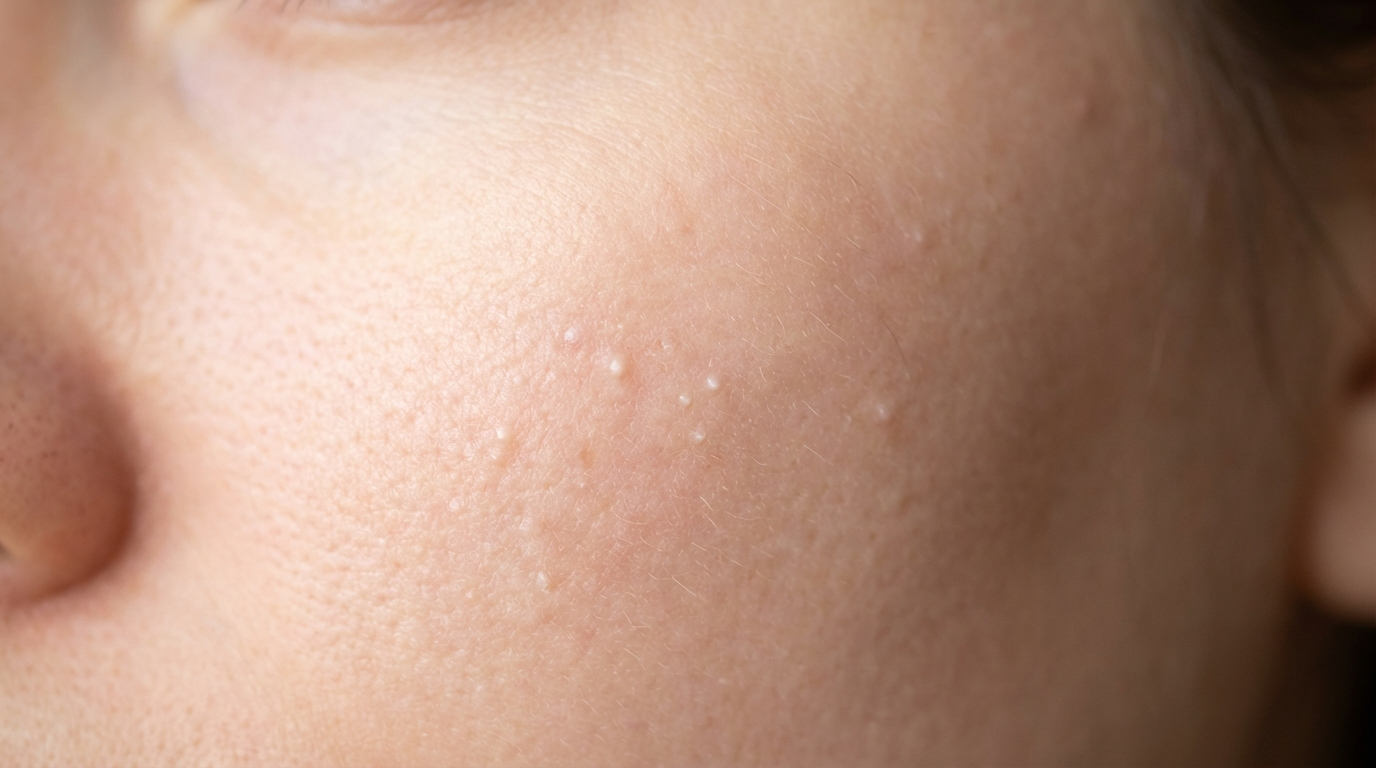
Conclusion: Clear Skin Starts with Safe Milia Removal
Milia may be stubborn, but they’re manageable with the right approach. Gentle exfoliation, professional treatments, and sun protection form the cornerstone of effective milia care. Remember: never pick or squeeze milia at home. Instead, opt for dermatologist-approved methods to ensure your skin remains healthy and blemish-free.
For personalized advice, book a consultation with Dr. Ebru Okyay, a trusted dermatologist in Antalya specializing in anti-aging and skin rejuvenation.
Key Takeaways
- Milia are keratin cysts, not acne, and require targeted treatment.
- Retinoids and chemical exfoliants promote cell turnover to clear milia.
- Professional extraction is the safest method for stubborn milia.
- Sun protection and non-comedogenic products prevent recurrence.
- Avoid DIY extraction to prevent scarring and infection.
Next Steps
- Start a gentle exfoliation routine with retinoids or AHAs.
- Schedule a dermatologist visit for persistent or widespread milia.
- Switch to non-comedogenic skincare to prevent clogged pores.
- Apply sunscreen daily to protect against sun-induced keratin buildup.
Frequently Asked Questions (FAQs)
Can I pop milia like a pimple?
No, milia lack a pore opening, so popping them can cause scarring or infection. Always opt for professional extraction or gentle exfoliation instead.
Are milia contagious?
No, milia are not caused by bacteria or viruses and cannot spread from person to person.
How long do milia last?
Milia often resolve on their own within a few weeks to months. Persistent cases may require professional treatment.
Can makeup cause milia?
Yes, heavy or comedogenic makeup can clog pores and contribute to milia formation. Opt for non-comedogenic, oil-free products.
For expert guidance on milia and other skin concerns, trust Dr. Ebru Okyay, your dedicated dermatologist in Antalya. Explore our blog for more insights on achieving healthy, radiant skin.
 English
  German
  French
  Spanish
  Italian
  Russian
  Arabic
  Turkish