

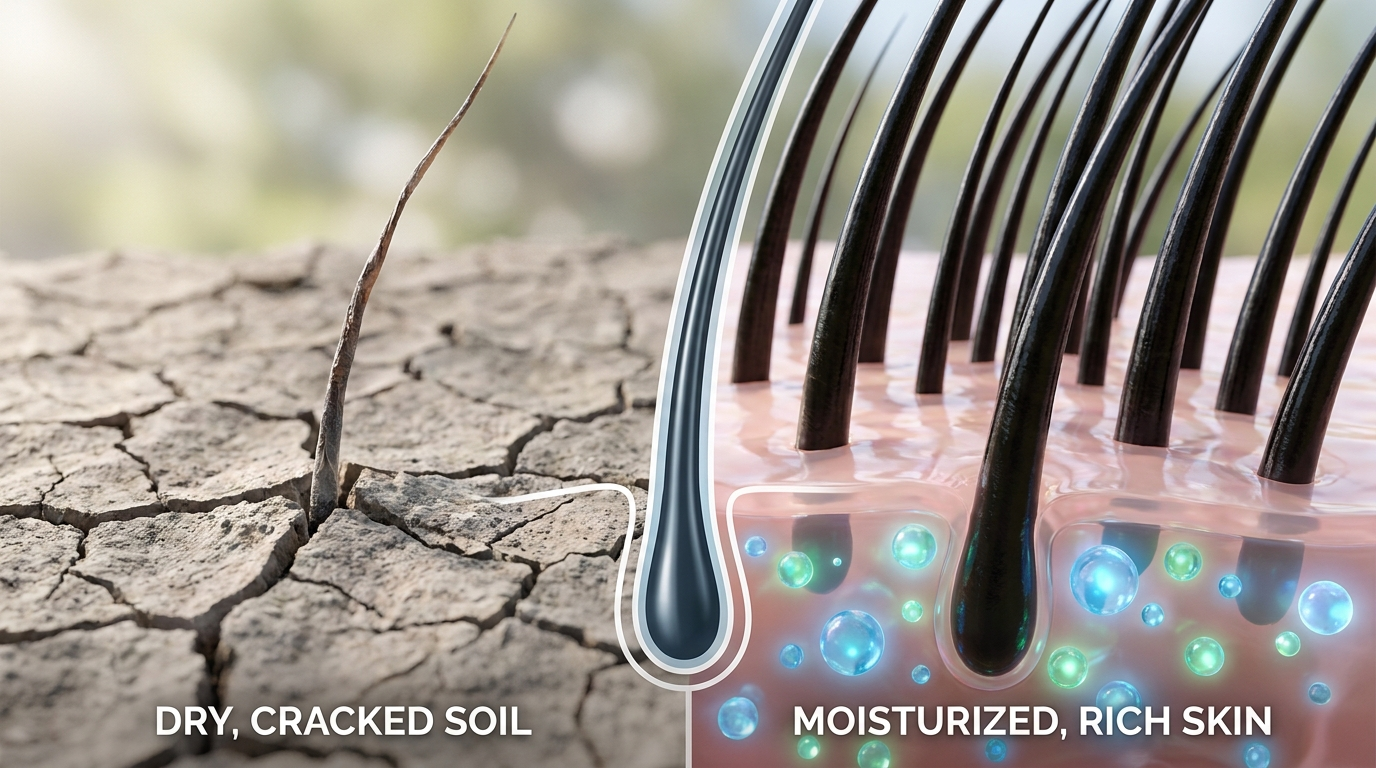
Most women battling thinning hair are told the same story: it is your genetics, it is your hormones, or it is just “part of aging.” You try the DHT blockers and the standard serums, yet the mirror tells a different tale. What if the primary obstacle to your hair regrowth isn’t actually an androgen surge, but a suffocating scalp microenvironment? When the “soil” of your scalp becomes scarred and oxygen-deprived, no amount of hormone suppression can force a follicle to thrive.
This guide dismantles the DHT-only narrative. We examine why hair mesotherapy for female pattern hair loss is shifting from a simple nutrient boost to a sophisticated structural remodel. By the time you finish reading, you will understand how specific compounds like pentoxifylline and hyaluronic acid reset perifollicular fibrosis and why clinical data now shows a 30% increase in hair density when the microenvironment is prioritized over the androgen count.
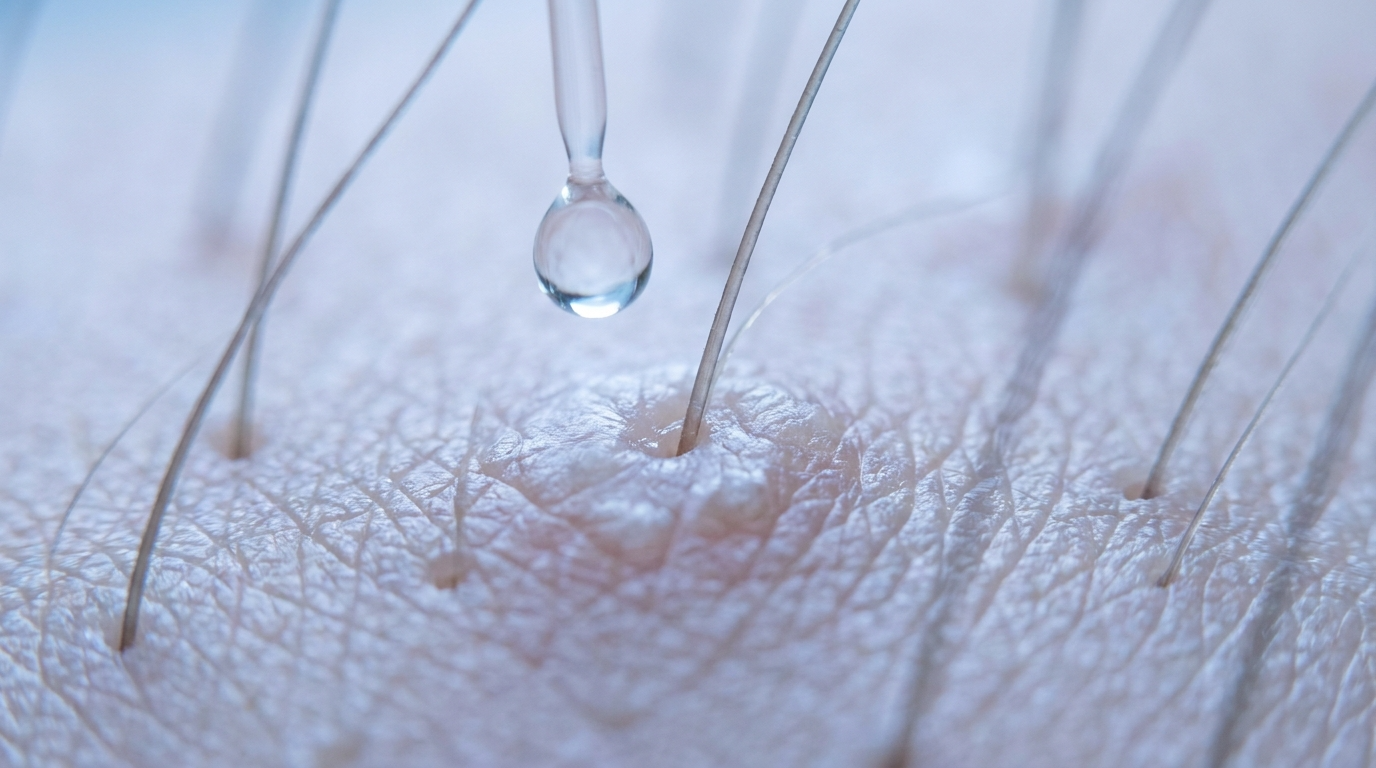
The Suffocation Mechanism: Beyond Androgens in FPHL
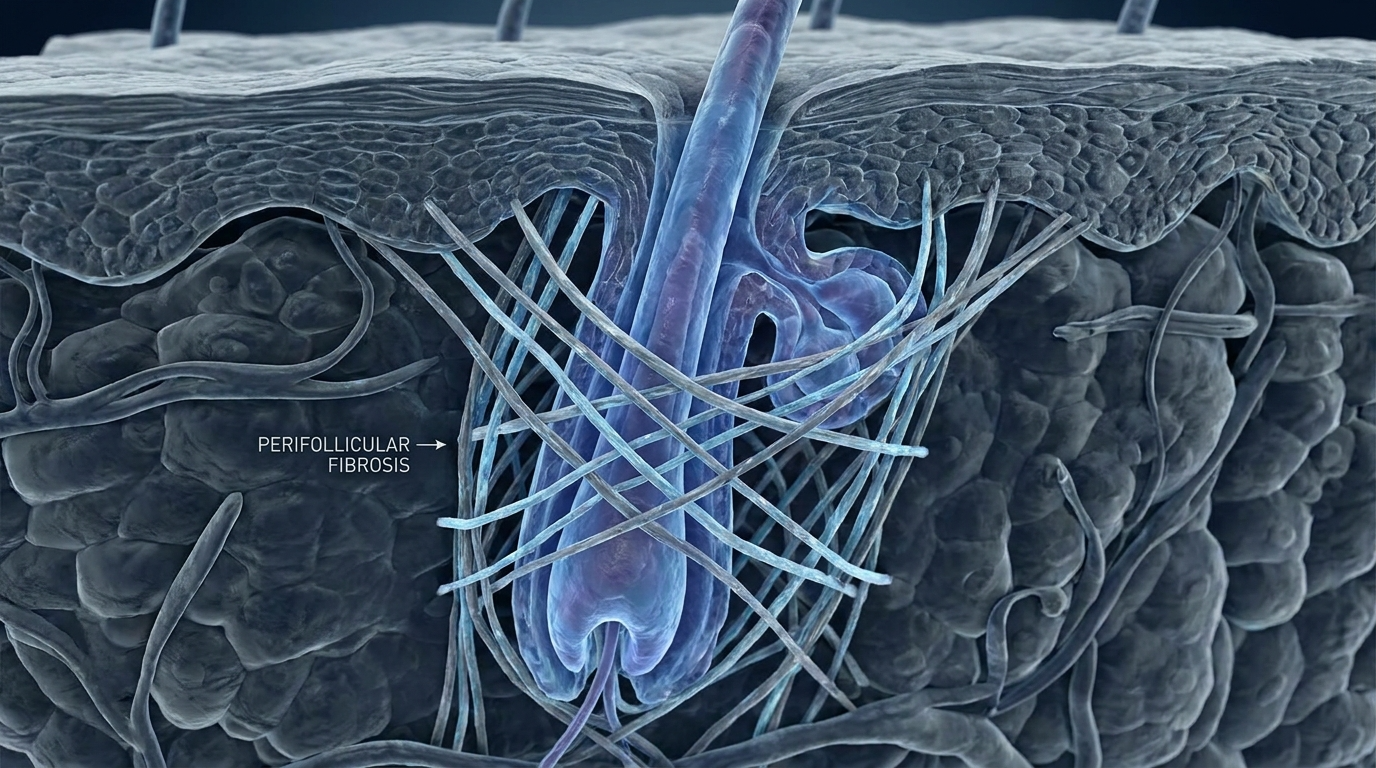
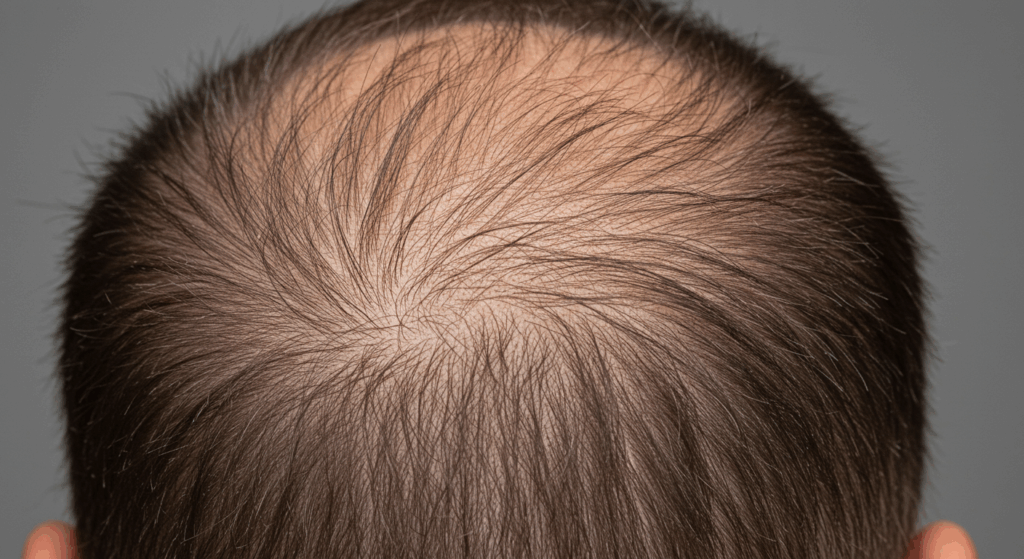
In male pattern baldness, DHT is the undisputed villain. In women, the story is far more nuanced. Female Pattern Hair Loss (FPHL) often involves chronic low-grade inflammation that leads to a process called perifollicular fibrosis. Think of this as a tightening of the tissues surrounding the hair follicle. As this tissue hardens, it physically constricts the follicle, miniaturizing it regardless of your hormone levels.
This is where extracellular matrix (ECM) remodeling becomes the secret to success. Traditional treatments often ignore the structural stiffening of the scalp. However, advanced mesotherapy protocols now target this “scalp tension.” By delivering anti-fibrotic agents directly into the dermal layer, we can soften the hardened tissue, allowing the follicle to breathe and expand again. This isn’t just about feeding the hair; it is about physically clearing the path for its return.
The 30% Density Breakthrough: What the 2023 Evidence Reveals
Credibility in hair restoration comes from data, not just anecdotes. A landmark 2023 study published in the Journal of Cosmetic Dermatology (DOI: 10.1111/jocd.15678) has redefined our expectations for hair mesotherapy for female pattern hair loss. The research demonstrated that patients receiving hyaluronic acid-based mesotherapy saw a 30% improvement in hair density over a six-month period.
The reason for this surge is not magic—it is vascular endothelial growth factor (VEGF) and ECM integrity. Hyaluronic acid does more than hydrate; it acts as a scaffold that triggers the scalp to rebuild its capillary network. When you combine this with the Sinclair Scale—a clinical tool used to grade the severity of hair loss—we can now customize cocktails based on the exact stage of microenvironment disruption. A Sinclair Grade 3 scalp requires a vastly different biochemical intervention than a Grade 1.
| Feature | Traditional DHT Blockers | Microenvironment Mesotherapy |
|---|---|---|
| Primary Target | Hormone receptors | Scalp “Soil” (ECM & Vasculature) |
| Mechanism | Prevents thinning | Reverses fibrosis & increases density |
| Key Ingredients | Minoxidil / Finasteride | VEGF, Hyaluronic Acid, Pentoxifylline |
| Results Focus | Maintenance | Structural Regeneration (30% density gain) |
| Scalp Impact | Systemic / Surface only | Deep dermal remodeling |
The Anti-Fibrotic Cocktail: Why Your Mesotherapy Ingredients Matter
Not all mesotherapy is created equal. Many “standard” treatments are just a mix of B-vitamins and minerals. While helpful, these do nothing to address the scalp tension that halts growth in advanced FPHL. To truly move the needle, the cocktail must be designed for non-androgenic hair loss mechanisms.
- Pentoxifylline: A potent anti-fibrotic agent that breaks down the stiffened collagen fibers suffocating the follicle.
- Hyaluronic Acid: Restores the extracellular matrix, providing the cushion and hydration needed for cell signaling.
- VEGF (Vascular Endothelial Growth Factor): Stimulates angiogenesis (new blood vessel formation) to deliver oxygen to starved follicles.
Integrating these into a personalized anti-aging hair protocol ensures that we are treating the scalp as a living organ, not just a surface. This approach is particularly effective during menopause or postpartum periods, where systemic shifts make the scalp environment more volatile and prone to inflammation.
5 Steps to Reclaiming Your Hair Density
If you are ready to move beyond generic shampoos and address the root cause of thinning, follow this clinical roadmap:
- Identify Your Sinclair Grade: Consult a board-certified dermatologist to determine your Sinclair Scale position. This dictates the intensity of the treatment.
- Analyze Scalp Tension: Professional assessment can identify areas of perifollicular fibrosis that require specific anti-fibrotic agents.
- Select a Bio-Active Cocktail: Ensure your treatment includes hyaluronic acid and growth factors like VEGF, rather than just simple vitamins.
- Commit to the 6-Month Protocol: Tissue remodeling takes time. The 30% density gains noted in clinical studies manifest after consistent ECM restoration.
- Maintain the Microenvironment: Use gentle, medical-grade home care to prevent the return of chronic low-grade inflammation.
Stop fighting an uphill battle against your hormones alone. By addressing the physical environment of your scalp, you unlock the dormant potential of every follicle. If you are seeking specialized hair mesotherapy for female pattern hair loss in Antalya, contact Dr. Ebru Okyay to begin your structural hair restoration journey.
Frequently Asked Questions
How does mesotherapy differ from typical hair loss lotions?
Most lotions stay on the surface of the scalp, providing temporary stimulation. Hair mesotherapy for female pattern hair loss delivers bio-active ingredients directly into the dermis. This allows the treatment to break down perifollicular fibrosis and remodel the extracellular matrix, which surface lotions cannot reach.
Is this treatment only for hormonal hair loss?
No. While hormones play a role, this approach specifically targets non-androgenic hair loss mechanisms like scalp tension and chronic inflammation. This makes it a vital tool for women who haven’t seen results from traditional DHT blockers alone.
What kind of results should I realistically expect?
Based on a 2023 study in the Journal of Cosmetic Dermatology, women can expect up to a 30% increase in hair density over six months. Results depend on your initial Sinclair Scale grade and the health of your scalp microenvironment.
Does the procedure hurt?
Mesotherapy involves micro-injections using very fine needles. Most patients describe the sensation as a light tapping or pinching. Dr. Ebru Okyay prioritizes patient comfort, ensuring the process is quick and well-tolerated.
Experience the precision of clinical dermatology. At Dr. Ebru Okyay’s clinic, we combine the latest research with a gentle, personalized touch. Whether you need Dermapen therapy or a customized mesotherapy cocktail, we are here to restore your confidence through science.
 English
  German
  French
  Spanish
  Italian
  Russian
  Arabic
  Turkish