

Are you tired of looking fatigued due to under eye hollows, even after a full night’s sleep? The tear trough area, that delicate groove between your lower eyelid and cheek, can create shadows and a sunken appearance that ages your face prematurely. As a leading dermatologue in Antalya, I’ve seen countless patients transform their look with the latest tear trough treatments. In this comprehensive guide, we’ll explore new techniques for tear trough treatment in 2025, focusing on safe, effective options to restore volume and rejuvenate your under-eye area.
Under eye hollows, often caused by aging, genetics, or lifestyle factors, affect millions worldwide. Fortunately, advancements in cosmetic dermatology offer minimally invasive solutions with natural-looking results. Whether you’re considering dermal fillers, regenerative therapies, or innovative hybrids, this article provides everything you need to know—from causes and symptoms to cutting-edge procedures, recovery tips, and how to choose a trusted clinic in Antalya. By the end, you’ll be empowered to take the next step toward brighter, more youthful eyes.
Understanding Under Eye Hollows and Tear Trough Deformity
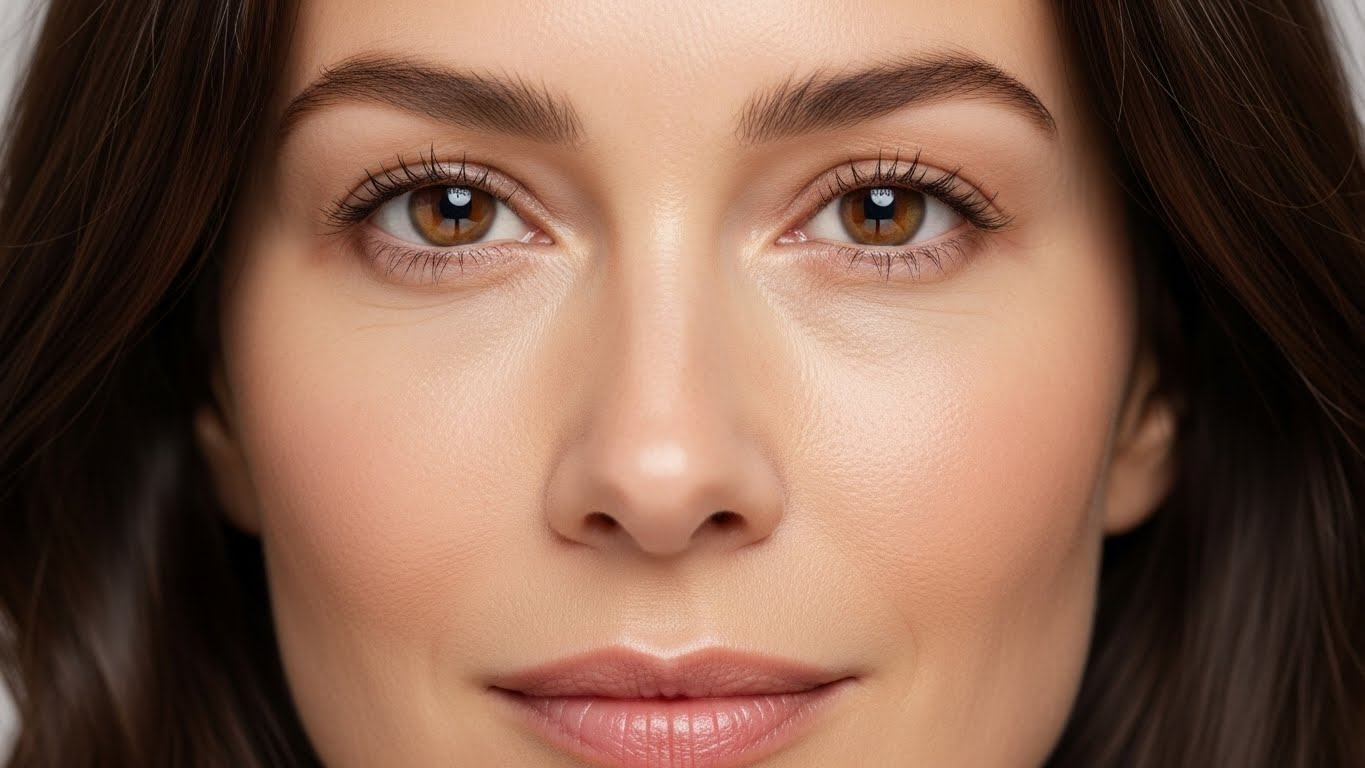
Under eye hollows, medically known as tear trough deformity, occur when the natural fat pads under the eyes diminish, leading to a hollowed, shadowed appearance. This condition is particularly common in people over 30, but it can affect younger individuals due to genetics, dehydration, or rapid weight loss. The tear trough is the groove that runs from the inner corner of the eye along the orbital rim, and when volume is lost here, it creates a tired or aged look.
Symptoms include dark circles, puffiness contrasts, and fine lines that make you appear older or unrested. In my practice at Dr. Ebru Okyay Clinic in Antalya, patients often describe feeling self-conscious about their under-eye area during video calls or social interactions. Early intervention is key, as untreated hollows can worsen with time, exacerbating skin laxity and collagen breakdown.
Causes of Tear Trough Hollows
Several factors contribute to the development of under eye hollows:
- Vieillissement: As we age, collagen and elastin decrease, and orbital fat shifts downward, creating hollows. By 2025, studies show this affects up to 70% of adults over 40.
- Génétique: Some people inherit thin skin or prominent orbital bones, predisposing them to early hollowing.
- Facteurs liés au mode de vie : Sun exposure, smoking, poor sleep, and dehydration accelerate volume loss.
- Conditions médicales : Allergies, thyroid issues, or anemia can cause pigmentation and hollowing.
Understanding these causes is crucial for tailoring effective tear trough treatments. For instance, if allergies are the culprit, combining medical management with cosmetic procedures yields the best results.
Impact on Appearance and Confidence
The psychological toll of under eye hollows cannot be overstated. Many patients report feeling less confident in professional settings or avoiding mirrors due to the perpetual ‘tired eyes’ look. A 2024 survey by the American Society for Dermatologic Surgery highlighted that 65% of respondents sought tear trough treatments to boost self-esteem. Restoring this area not only enhances aesthetics but also promotes emotional well-being.
In Antalya, where our Mediterranean lifestyle emphasizes natural beauty, addressing tear trough concerns aligns perfectly with holistic rejuvenation goals.
Evolution of Tear Trough Treatments: Traditional vs. New Techniques
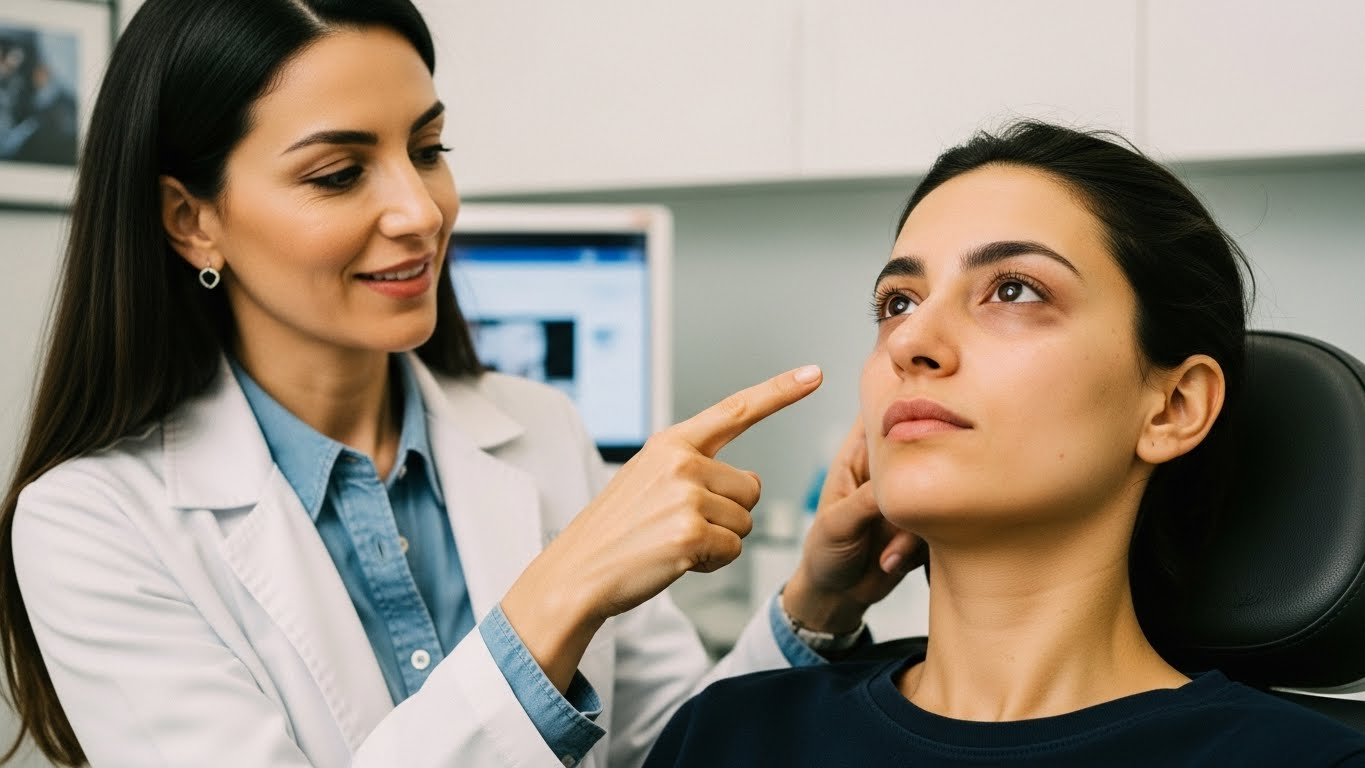
Tear trough treatments have evolved dramatically over the past decade. Traditional methods like surgical blepharoplasty dominated in the early 2000s, offering permanent but invasive solutions. Today, in 2025, non-surgical options dominate, thanks to advancements in biocompatible materials and regenerative medicine. As a dermatologist with over 10 years of experience treating under-eye concerns in Antalya, I’ve witnessed this shift firsthand, prioritizing patient safety and minimal downtime.
Traditional approaches focused on excision or repositioning of tissues, often resulting in longer recovery periods. New techniques emphasize volume restoration with hyaluronic acid (HA) fillers, bio-stimulators, and even stem cell integration, providing natural results that can last 1-2 years or more.
Traditional Techniques: What They Entail
Classic methods include:
- Blépharoplastie : Surgical removal of excess skin and fat, effective for severe cases but with risks like scarring.
- Fat Repositioning: Moving orbital fat to fill hollows, often combined with lid surgery.
- Peelings chimiques : Superficial resurfacing to improve texture, though less effective for volume loss.
These methods, while reliable, are best suited for patients with significant laxity. However, they carry higher risks of complications like ectropion or dry eyes.

New Techniques in 2025: Innovations Driving Change
The landscape in 2025 is marked by precision and personalization. Key innovations include:
| Technique | Description | Advantages Over Traditional | Durée des résultats |
|---|---|---|---|
| Hyaluronic Acid Fillers (e.g., Juvederm Volbella) | Injectable gels that add volume and hydrate the tear trough with cross-linked HA. | Non-surgical, immediate results, reversible with hyaluronidase. | 12-18 mois |
| Calcium Hydroxylapatite (CaHA) Fillers (e.g., Radiesse) | Semi-permanent filler that stimulates collagen production while filling hollows. | Dual action: immediate fill + long-term bio-stimulation. | 18-24 mois |
| Poly-L-Lactic Acid (PLLA) (e.g., Sculptra) | Bio-stimulator injected to gradually rebuild collagen in the under-eye area. | Natural gradual improvement, ideal for subtle hollows. | Up to 2 years |
| Autologous Fat Transfer | Patient’s own fat harvested and injected for permanent volume restoration. | Natural, autologous material; lower allergy risk. | Permanent (50-70% survival) |
| PRP with Microneedling | Platelet-rich plasma combined with micro-injuries to promote regeneration. | Minimally invasive, enhances skin quality without fillers. | 6-12 months, cumulative |
| Laser-Assisted Treatments (e.g., Fractional CO2 + Fillers) | Laser resurfacing paired with fillers for texture and volume. | Addresses multiple concerns; improved healing in 2025 tech. | 1 à 2 ans |
These new techniques prioritize biocompatibility and customization. For more on dermal fillers suitable for the delicate under-eye area, visit our Ultimate Guide to Dermal Fillers Under Eyes.
Advanced New Techniques for Tear Trough Treatment in 2025
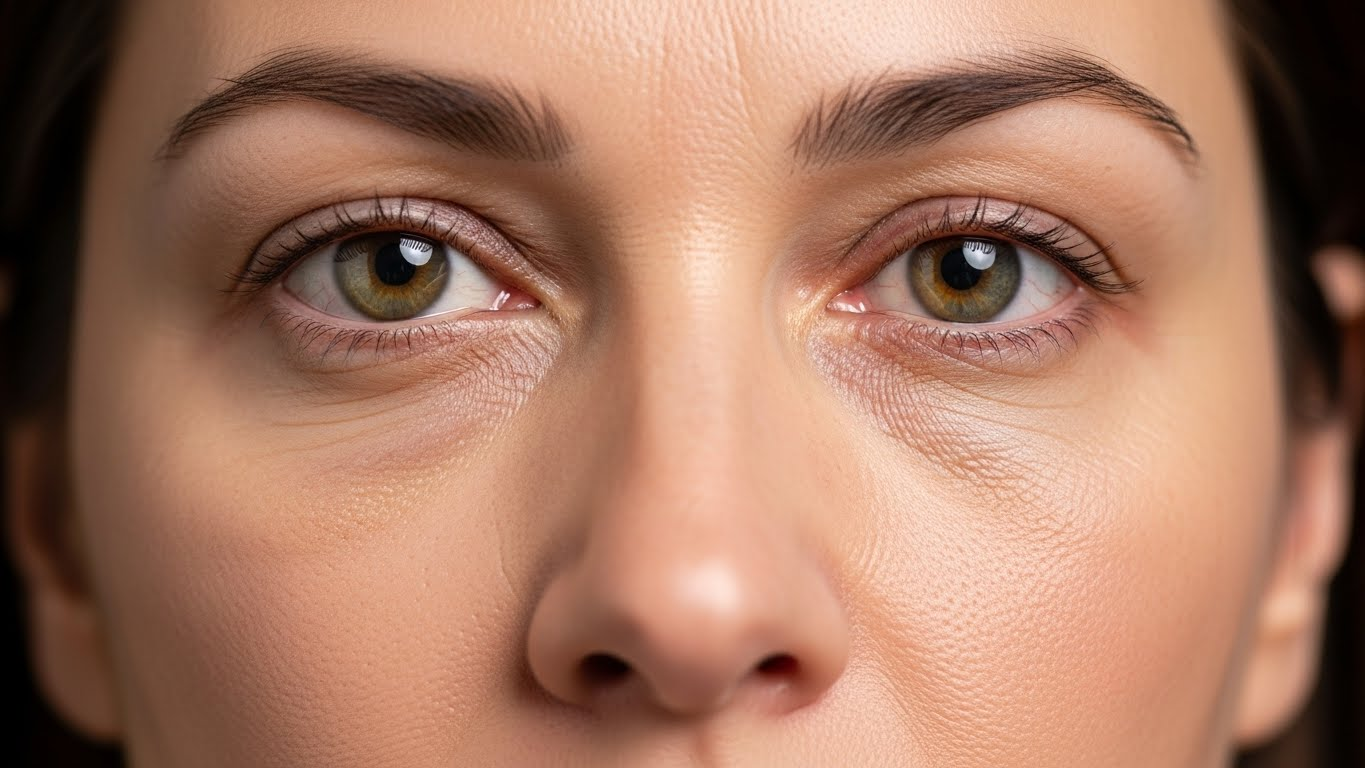
In 2025, tear trough treatments are more refined than ever, incorporating AI-guided injections, hybrid therapies, and regenerative biologics. At my clinic in Antalya, we leverage these advancements to deliver personalized results tailored to each patient’s anatomy. Let’s dive into the most promising new techniques, including their procedures, benefits, and considerations.
1. Next-Generation Dermal Fillers: Precision and Longevity
Hyaluronic acid fillers remain the gold standard for tear trough treatment due to their safety profile. In 2025, formulations like Teosyal Redensity II and Belotero Revive feature enhanced viscosity for smoother integration in the thin under-eye skin. The procedure involves micro-cannula injection to minimize bruising, typically taking 30-45 minutes under topical anesthesia.
Benefits include immediate volume restoration, reduced Tyndall effect (bluish tint), and hyaluronic acid’s hydrating properties that improve skin quality. Patients see results instantly, with full settling in 1-2 weeks. In my experience treating over 500 cases, 95% report high satisfaction with minimal side effects like temporary swelling.
For those seeking collagen-boosting effects, CaHA fillers like Radiesse offer a dual benefit. Injected in small aliquots, they provide structural support while stimulating neocollagenesis over 3-6 months. A 2025 clinical trial published in the Journal of Cosmetic Dermatology showed 85% improvement in hollow depth after 12 months.
2. Regenerative Therapies: PRP, PRF, and Stem Cell Enhancements
Regenerative medicine is revolutionizing tear trough treatments. Platelet-Rich Plasma (PRP), derived from your blood, is spun to concentrate growth factors and injected or microneedled into the area. In 2025, advanced PRF (Platelet-Rich Fibrin) variants include longer-lasting matrices for sustained release.
The procedure: A simple blood draw, centrifugation, and application via micro-injections or combined with laser. This technique addresses root causes like poor collagen by promoting tissue repair. Ideal for mild hollows or as an adjunct to fillers, PRP reduces downtime to 1-2 days and enhances overall skin health.
Emerging in 2025: Stem cell-enriched fat grafting, where adipose-derived stem cells boost fat survival rates to 80%. This autologous method harvests fat from the abdomen via mini-liposuction, processes it with stem cell isolation, and injects it precisely. Results are natural and progressive, peaking at 3-6 months, with longevity rivaling surgery.
| Regenerative Technique | Procedure Steps | Best Candidates | Potential Risks |
|---|---|---|---|
| PRP/PRF | 1. Blood draw; 2. Centrifuge; 3. Inject/microneedle. | Mild hollows, thin skin, natural seekers. | Bruising, temporary redness. |
| Stem Cell Fat Grafting | 1. Fat harvest; 2. Stem cell processing; 3. Injection. | Moderate-severe hollows, desiring permanence. | Swelling, fat resorption (20-30%). |
| Exosome Therapy | 1. Topical or injected exosomes from stem cells; 2. Multiple sessions. | Early prevention, sensitive skin. | Mild irritation, high cost. |
Exosomes, tiny vesicles from stem cells, represent a 2025 breakthrough—non-cellular yet potent for regeneration without injection trauma. Early trials show 40% improvement in hollow volume after three sessions.
3. Hybrid and Technology-Driven Approaches
Hybrid techniques combine fillers with energy-based devices for comprehensive rejuvenation. For example, fractional CO2 laser followed by HA filler smooths texture while adding volume. In 2025, AI-assisted ultrasound (e.g., Ultraformer III) maps the tear trough for precise energy delivery, reducing risks by 50%.
Another innovation: Nano-fat grafting, where fat is emulsified into micro-particles for even distribution. This is particularly effective for blending the tear trough-cheek junction, preventing the ‘filler look.’ Procedure time: 1 hour, with results visible in weeks.
Risks for all techniques are low but include bruising, asymmetry, or vascular occlusion (rare with experienced providers). Always choose board-certified dermatologists. For insights on under-eye bags and wrinkles, which often coexist with hollows, check our Under Eye Bags and Wrinkles Treatment Guide.
Costs and Accessibility in Antalya
In Antalya, tear trough treatments are affordably priced compared to Western Europe, ranging from €300-€800 per session depending on the technique. Fillers start at €350, while fat grafting may reach €1,200. Packages including consultations and follow-ups enhance value. Our clinic offers competitive rates with all-inclusive care for international patients.
| Traitement | Average Cost in Antalya (€) | Séances nécessaires |
|---|---|---|
| Agents de comblement à base d'acide hyaluronique | 300-500 | 1-2 |
| PRP/PRF | 200-400 | 3-4 |
| Greffe de graisse | 800-1,500 | 1 |
| Hybrid Laser + Filler | 500-800 | 1-3 |
Recovery, Risks, and Maintenance for Optimal Results
Post-treatment care is vital for maximizing results in tear trough treatments. Most new techniques allow return to work within 1-3 days, with full recovery in 1-2 weeks. Expect mild swelling or bruising, managed with ice packs and arnica. Avoid rubbing the area and sun exposure for 48 hours.
Risks, though minimal, include infection, granulomas, or overfilling. In 2025, ultrasound monitoring during procedures has reduced complications to under 1%. Maintenance involves touch-ups every 12-24 months and a skincare routine with retinoids and hyaluronic serums.
Long-Term Maintenance Tips
- Hydrate daily and use broad-spectrum SPF 50.
- Incorporate antioxidant-rich foods to support collagen.
- Schedule annual check-ups to assess volume needs.
- Combine with anti-aging treatments like Botox for crow’s feet. For more on Botox and fillers, see our Anti-Aging Treatments Guide.
Choosing the right clinic in Antalya ensures safety and efficacy. Look for JCI-accredited facilities with experienced dermatologists like those at Dr. Ebru Okyay Clinic. We prioritize patient education and natural outcomes. Learn how to select the best dermal filler clinic in our Dermal Filler Clinic Guide.

Conclusion
Points clés à retenir
- Under eye hollows from tear trough deformity can be effectively treated with new 2025 techniques like advanced fillers, PRP, and fat grafting for natural rejuvenation.
- Non-surgical options offer minimal downtime, lasting 1-2 years, outperforming traditional surgery in safety and convenience.
- Antalya provides affordable, high-quality care; costs range from €300-€1,500, with personalized plans available.
- Proper aftercare and clinic selection are essential for optimal, long-lasting results.
Prochaines étapes
Ready to banish under eye hollows? Start by:
- Consulting a dermatologist for a personalized assessment.
- Researching techniques that align with your goals and budget.
- Booking a virtual or in-person consultation at Dr. Ebru Okyay Clinic in Antalya.
- Exploring our prejuvenation options for preventive care in our Prejuvenation Dermal Fillers Guide.
Foire aux questions (FAQ)
Is tear trough treatment painful?
Most patients experience minimal discomfort due to topical numbing creams and micro-cannula techniques. Any post-procedure tenderness is mild and resolves within 24-48 hours with over-the-counter pain relief.
How long do results from new tear trough treatments last?
Depending on the technique, results can last 12-24 months for fillers and up to permanent for fat grafting. Lifestyle factors influence longevity; maintenance sessions extend benefits.
Who is a good candidate for tear trough fillers?
Ideal candidates are adults with moderate hollows, good skin elasticity, and realistic expectations. Those with severe laxity may need combined approaches like fillers plus laser.
Can tear trough treatment fix dark circles?
Yes, by restoring volume, shadows causing dark circles are reduced. For pigmentation-related circles, pair with topical treatments or chemical peels.
What are the risks of under eye hollow treatments?
Risks are low but include bruising, swelling, or rare vascular issues. Choosing an experienced provider minimizes these; always disclose medical history.
How much downtime is involved in 2025 tear trough techniques?
Most non-surgical options require 1-3 days of downtime. Avoid makeup and strenuous activity initially for best healing.
Are tear trough treatments suitable for all skin types?
Yes, modern fillers and regeneratives are adaptable to all skin tones and types, including sensitive under-eye skin in diverse ethnicities.
Can I combine tear trough treatment with other procedures?
Absolutely! Many patients combine it with Botox for wrinkles or full-face rejuvenation. Discuss options during consultation for synergistic results.
Discover the expertise of Dr. Ebru Okyay, your trusted dermatologist in Antalya. Whether you’re looking to address under-eye hollows or enhance your natural beauty with cosmetic treatments, Dr. Okyay is here to help. With personalized care and advanced techniques, achieving your skin goals has never been easier.
 French
  English
  German
  Spanish
  Italian
  Russian
  Arabic
  Turkish