

Eczema, a pervasive skin condition, challenges countless individuals daily. Its varied forms demand precise understanding and targeted intervention. Effective management, therefore, hinges on distinguishing between types and applying expert protocols.
This guide illuminates the core differences among atopic, seborrheic, and contact dermatitis. Furthermore, it details the physician-led strategies crucial for controlling flare-ups, ultimately enhancing patient quality of life.
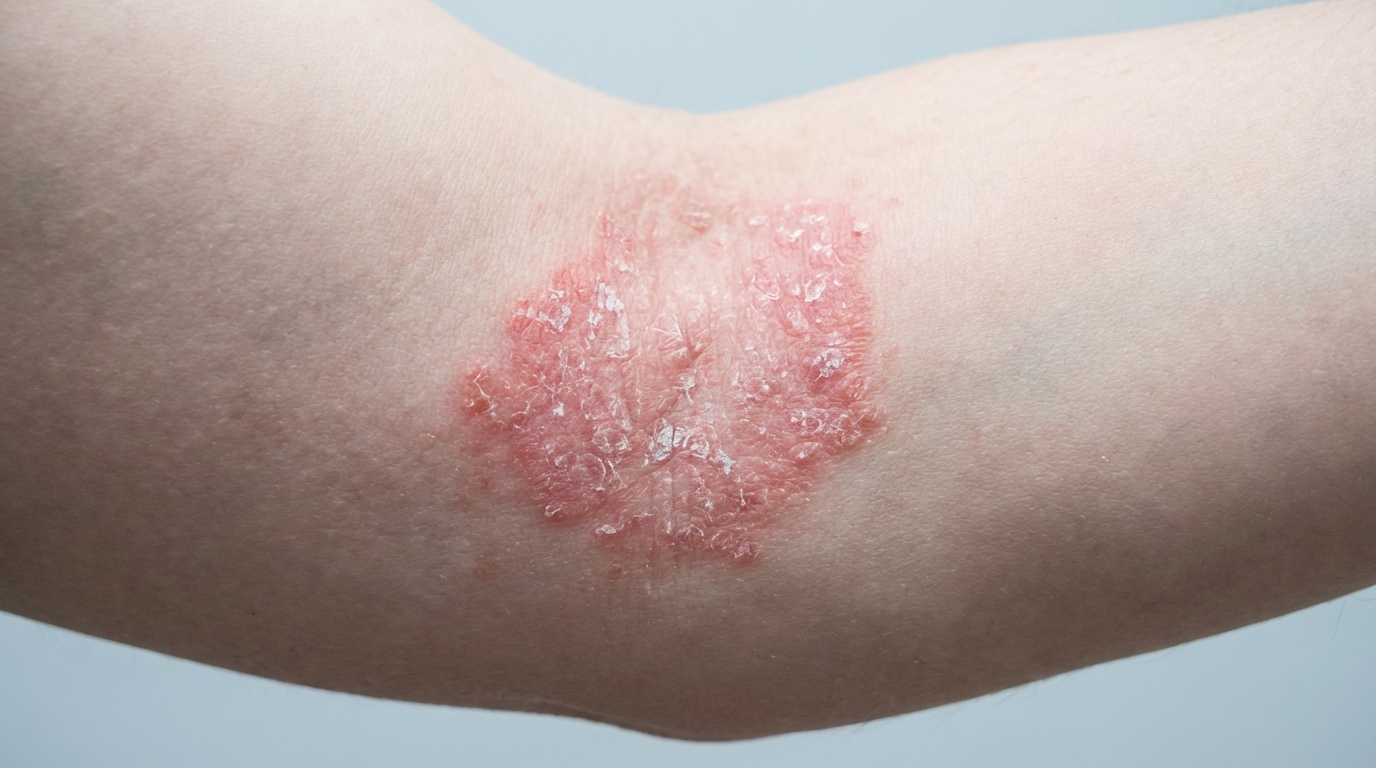
Understanding Eczema: A Spectrum of Skin Inflammation
Eczema, or dermatitis, describes a group of conditions causing skin inflammation. Characterized by itching, redness, and dryness, it often manifests as rashes. Chronic, this condition impacts daily life significantly.
Accurate diagnosis, a cornerstone of treatment, dictates the therapeutic path. Each type presents unique triggers and requires specific management approaches. For comprehensive skin health insights, visit our blog.
Atopic Dermatitis: The Chronic Itch
Atopic dermatitis, a common form, often begins in childhood. It links closely with asthma and hay fever, forming the “atopic triad.” Genetic predisposition plays a significant role.
Intense itching, dry skin, and red, scaly patches define its presentation. These patches frequently appear on the face, scalp, elbows, and knees. Environmental allergens and irritants often trigger flare-ups.
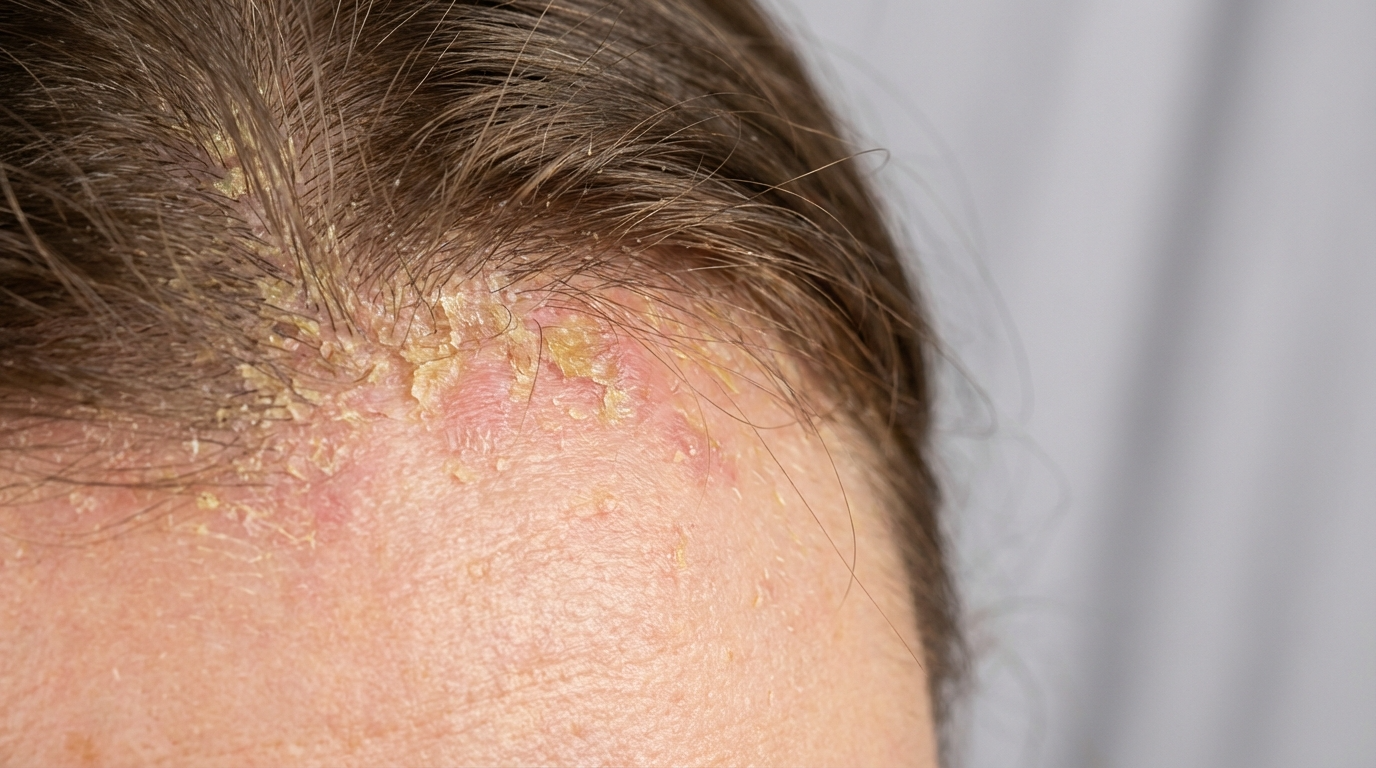
Seborrheic Dermatitis: Scalp and Oily Areas
Seborrheic dermatitis primarily affects oily areas of the body. The scalp, face, and chest are common sites. Cradle cap in infants, a mild form, often resolves spontaneously.
Redness, greasy scales, and dandruff characterize this condition. A yeast called Malassezia, naturally present on the skin, contributes to its development. Stress and hormonal changes exacerbate symptoms.
Contact Dermatitis: Reaction to Irritants
- Dermatite de contact irritante : Direct exposure to harsh chemicals, soaps, or solvents causes this. Damage to the skin barrier occurs immediately.
- Dermatite de contact allergique : An immune reaction to an allergen, such as nickel, poison ivy, or certain cosmetics, defines this type. Delayed, the reaction appears hours or days after exposure.
Itching, redness, and blistering mark contact dermatitis. Identifying and avoiding the offending substance proves paramount for resolution. Patch testing, a diagnostic tool, helps pinpoint specific allergens.

Dermatologist Protocols: Navigating Eczema Flare-Ups
During an eczema flare-up, a dermatologue employs a structured approach. The goal remains symptom control and prevention of recurrence. Patient education, a vital component, empowers individuals.
Crucial for effective management, early diagnosis stands. A personalized treatment plan, tailored to the specific eczema type and severity, is then formulated. This ensures optimal outcomes.
5 Key Strategies for Flare-Up Management
- Corticostéroïdes topiques : These anti-inflammatory creams reduce redness and itching. Potency varies, requiring careful physician guidance.
- Emollients and Moisturizers: Essential for skin barrier repair, these hydrate and protect. Regular application, even during remission, is mandatory.
- Inhibiteurs topiques de la calcineurine : Non-steroidal options, these suppress immune responses. They prove effective for sensitive areas and long-term use.
- Traitements systémiques : For severe cases, oral corticosteroids, immunosuppressants, or biologics may be prescribed. Close medical supervision is imperative.
- Photothérapie : Controlled exposure to UV light can reduce inflammation. This treatment, administered in a clinic, offers significant relief for some.
Lifestyle adjustments, often overlooked, prove vital. Avoiding known triggers, managing stress, and maintaining a consistent skincare regimen are paramount. For advanced skin solutions, consider exploring traitements anti-âge that complement overall skin health.

Conclusion: Empowering Patients Against Eczema
Eczema management demands a multifaceted approach. Understanding its various forms and adhering to dermatologist-prescribed protocols are key. Improved quality of life, a primary objective, is achievable.
Proactive engagement with your dermatologist ensures the most effective treatment plan. Do not hesitate to seek expert guidance. Your skin health, after all, deserves utmost attention.
Key Takeaways for Eczema Care
- Atopic, seborrheic, and contact dermatitis each require distinct diagnostic and treatment strategies.
- Dermatologist protocols during flare-ups focus on symptom control and recurrence prevention.
- Topical and systemic medications, alongside emollients, form the backbone of treatment.
- Lifestyle modifications and trigger avoidance significantly impact long-term management.
- Intervention précoce and consistent care improve patient outcomes and comfort.
Next Steps for Clearer Skin
- Consultez un dermatologue agréé. for an accurate diagnosis and personalized treatment plan.
- Maintain a detailed log of your symptoms and potential triggers to share with your physician.
- Adhere strictly to prescribed medications and skincare regimens.
Foire aux questions (FAQ)
Can eczema be cured permanently?
Currently, no permanent cure for eczema exists. However, effective management strategies can control symptoms and prevent flare-ups, leading to long periods of remission.
What triggers eczema flare-ups?
Triggers vary by eczema type. Common culprits include allergens (pollen, dust mites), irritants (harsh soaps, detergents), stress, certain foods, and environmental factors like dry air or sweat.
Is eczema contagious?
No, eczema is not contagious. It is a non-infectious inflammatory skin condition. You cannot catch it from another person.
How long does an eczema flare-up last?
The duration of a flare-up varies greatly. With proper treatment, symptoms can subside within days to weeks. Without intervention, they may persist longer or worsen.
Découvrez l'expertise du Dr Ebru Okyay, votre médecin de confiance dermatologue. Whether addressing chronic skin conditions or enhancing natural beauty, Dr. Okyay provides personalized care. Achieving your skin goals, therefore, becomes a clear path. Contactez-nous today for a consultation.
 French
  English
  German
  Spanish
  Italian
  Russian
  Arabic
  Turkish