
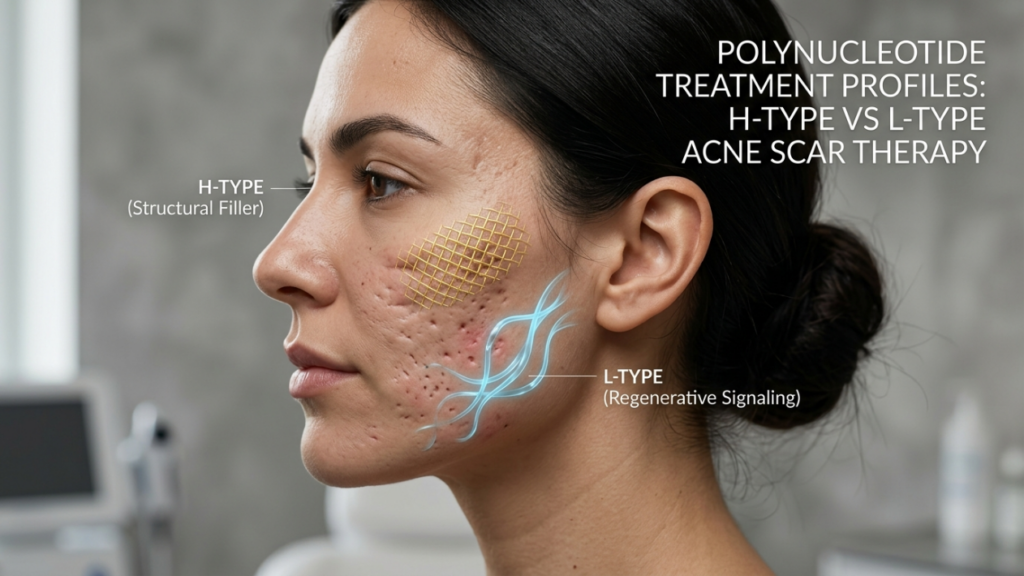
تخيّل أن تنظر في المرآة ولا ترى فقط آثار حب الشباب، بل خريطة لمعارك خاضتها بشرتك - حفر عميقة، وندوب عنيدة، وملمس غير متجانس لا يبدو أن أي كريم أو سيروم يمحوه. بالنسبة للملايين، تُعدّ ندبات حب الشباب أكثر من مجرد مشكلة تجميلية؛ إنها تذكير يومي بحالة تستمر لفترة طويلة بعد زوال البثور. ولكن ماذا لو كان مفتاح تحويل هذه الندبات لا يكمن في العلاجات السطحية، بل في... البنية الجزيئية هل تعانين من مشاكل في نظام إصلاح بشرتك؟ مرحباً بكِ في عالم جديد من العلاج بالبولينوكليوتيدات, حيث يلتقي العلم بالدقة لإعادة تشكيل الندوب من جذورها.
لا يكتفي هذا الدليل لعام 2026 بالخوض في السطح فحسب، بل يتعمق في التفاصيل. تمييز رائد بين عديدات النوكليوتيدات من النوع H والنوع L, ، مما يكشف كيف يمكن مطابقة أوزانها الجزيئية بشكل استراتيجي مع عمق الندبة لـ نتائج إعادة تصميم غير مسبوقة. سواء كنت طبيبًا متخصصًا في الأمراض الجلدية تسعى لتحسين أسلوبك أو شخصًا يبحث عن الحل الأمثل لندبات حب الشباب، فإن هذا الدليل يربط بين أحدث الأبحاث والتطبيق العملي. في النهاية، ستفهم ليس فقط ماذا يعمل، لكن لماذا إنه فعال - وكيفية تخصيصه ليناسب بشرتك الفريدة.

علم ندبات حب الشباب: لماذا تقصر العلاجات التقليدية؟
ندبات حب الشباب هي الأضرار الجانبية ندبة الالتهاب - محاولة الجلد للشفاء بعد ظهور حب الشباب الشديد. لكن ليست كل الندبات متشابهة. يصنفها أطباء الجلد إلى ثلاثة أنواع رئيسية:
- الندبات الضامرة: الأكثر شيوعاً، والذي يتميز بـ الاكتئاب تظهر هذه الندوب على الجلد (ندوب تشبه ندوب ثقوب الجليد، وندوب تشبه ندوب عربات القطار، وندوب متدحرجة). وتتشكل هذه الندوب عندما يفشل الجلد في تجديد كمية كافية من الأنسجة أثناء عملية الشفاء.
- الندبات الضخامية: ندوب مرتفعة وسميكة ناتجة عن الكولاجين الزائد إنتاج. أقل شيوعاً ولكنه صعب العلاج.
- الجُدرات: شكل حاد من أشكال التندب المتضخم الذي يمتد إلى ما وراء الجرح الأصلي. وهو أكثر شيوعاً لدى ذوي البشرة الداكنة.
غالباً ما تعالج العلاجات التقليدية - الليزر، أو الوخز بالإبر الدقيقة، أو الحشوات - الأعراض بدلاً من السبب الجذري: اختلال توازن الكولاجين. تعمل أشعة الليزر على تجديد سطح الجلد، وتملأ الحشوات التجاويف مؤقتًا، ويحفز الوخز بالإبر الدقيقة إنتاج الكولاجين، ولكن لا شيء من ذلك إعادة برمجة آلية إصلاح الجلد. هذا هو المكان الذي عديدات النوكليوتيدات يدخل المشهد، ويقدم التحفيز الحيوي نهج يستهدف المستوى الجزيئي.
الكشف عن عديدات النوكليوتيدات: المهندسون الجزيئيون لإصلاح الجلد
النيوكليوتيدات المتعددة هي سلاسل من النيوكليوتيدات—اللبنات الأساسية للحمض النووي DNA والحمض النووي الريبي RNA—التي تعمل كـ الرسل البيولوجية في ترميم الأنسجة. عند حقنها في الجلد، فإنها:
- تحفيز الخلايا الليفية: الخلايا المسؤولة عن إنتاج الكولاجين والإيلاستين، وهما دعامة الجلد الصحي.
- تعزيز تكوين الأوعية الدموية: تعزيز تكوين أوعية دموية جديدة، مما يحسن توصيل الأكسجين والمغذيات إلى الأنسجة التالفة.
- تعديل الالتهاب: تقليل الالتهاب المزمن، وهو عامل رئيسي في تكوين الندبات وضعف التئام الجروح.
لكن ليست كل عديدات النوكليوتيدات متساوية. وتعتمد فعاليتها على الوزن الجزيئي, وهذا ما يحدد مدى عمق اختراقها ومدى شدة تحفيزها لعملية الترميم. وهذا يقودنا إلى التمييز الحاسم: النيوكليوتيدات من النوع H مقابل النيوكليوتيدات من النوع L.
عديدات النوكليوتيدات من النوع H: العناصر الأساسية لإعادة التشكيل العميق
تتميز عديدات النوكليوتيدات من النوع H بـ الوزن الجزيئي العالي (1000-2000 كيلو دالتون), مما يجعلها مثالية لـ:
- ندوب ضمورية عميقة: حجمهم الأكبر يسمح لهم بـ مِرسَاة في الأدمة، مما يوفر الدعم الهيكلي ويحفز تخليق الكولاجين القوي.
- استعادة الحجم: إنهم يعملون كـ سقالة بيولوجية, ، حيث يتم ملء المناطق المنخفضة من الداخل بدلاً من مجرد نفخ السطح.
- إعادة تصميم طويلة الأمد: تشير الدراسات إلى أن عديدات النوكليوتيدات من النوع H يمكن أن تحسن عمق الندبة عن طريق حتى 60% على مدى 6-12 شهرًا (مجلة الأمراض الجلدية التجميلية، 2025).
عديدات النوكليوتيدات من النوع L: خفيفة الوزن لتحسين الأسطح
عديدات النوكليوتيدات من النوع L، مع الوزن الجزيئي المنخفض (50-500 كيلو دالتون), ، التفوق في:
- ندوب سطحية: يسمح حجمها الأصغر لها بالانتشار بالتساوي عبر البشرة، مما يحسن ملمسها ولونها.
- الخطوط الدقيقة والتجاعيد: فهي تعزز ترطيب البشرة ومرونتها، مما يجعلها حلاً مزدوج الغرض للشيخوخة والندبات.
- التعافي السريع: تتطلب علاجات النوع L عادةً أقل وقت توقف ممكن, مع تحسنات ملحوظة في غضون أسبوعين إلى أربعة أسابيع فقط.
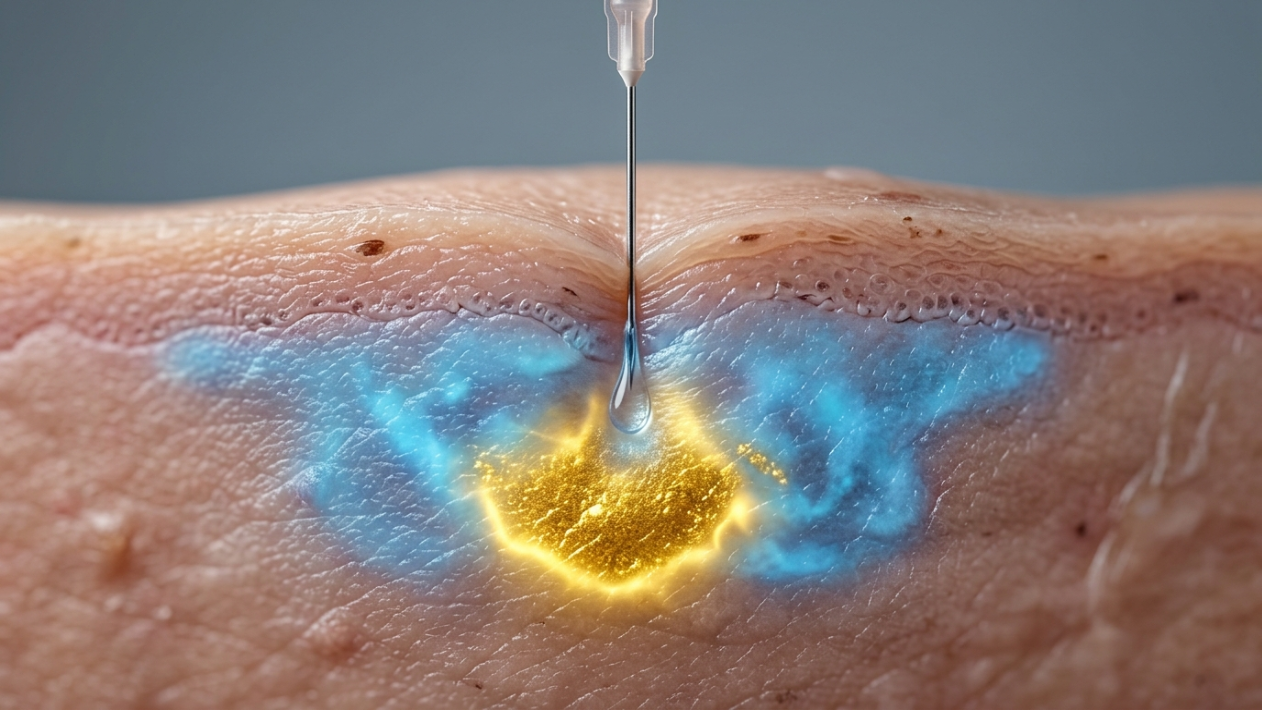
مطابقة النيوكليوتيدات المتعددة مع عمق الندبة: نهج دقيق
يكمن سر تحقيق أفضل النتائج في مواءمة الوزن الجزيئي مع عمق الندبة. قد يؤدي استخدام أسلوب غير مناسب - كاستخدام النوع L للندبات العميقة أو النوع H للندبات السطحية - إلى نتائج دون المستوى المطلوب أو آثار جانبية غير ضرورية. إليك كيفية اختيار الأنسب:
| نوع الندبة | النيوكليوتيدات الموصى بها | لماذا ينجح؟ |
|---|---|---|
| ندبات ضمورية سطحية (عربة شحن خفيفة متحركة) | النوع L (50-500 كيلو دالتون) | ينتشر بالتساوي، ويحفز إصلاح البشرة، ويحسن ملمسها دون الإفراط في التعبئة. |
| ندبات ضمورية متوسطة (عربة قطار، فأس جليدي قديم) | النوع H (1000-1500 كيلو دالتون) | يتغلغل بعمق أكبر، ويثبت في الأدمة، ويعزز تجديد الكولاجين الهيكلي. |
| ندوب ضمورية عميقة (ندبات حادة تشبه ثقب الجليد، ندبات جدرة) | النوع H (1500-2000 كيلو دالتون) + النوع L (العلاج المركب) | يعيد النوع H بناء الحجم؛ بينما يعمل النوع L على تحسين ملمس السطح للحصول على تأثير مزدوج الطبقات. |
إن هذا النهج الدقيق ليس مجرد نهج نظري. تجربة سريرية لعام 2025 نُشر في مجلة العلوم الجلدية وجد أن المرضى الذين عولجوا بـ عديدات النوكليوتيدات المتطابقة في الوزن الجزيئي رأيت 40% تحسن أكبر في مظهر الندبة مقارنة بتلك التي عولجت بنهج واحد يناسب الجميع (p < 0.01).
البروتوكول السريري: من التقييم إلى الرعاية اللاحقة
الخطوة الأولى: التقييم قبل العلاج
قبل أي حقن، يُعد التقييم الشامل أمراً بالغ الأهمية:
- تحليل الندبات: استخدم أدوات مثل التصوير ثلاثي الأبعاد للجلد أو استخدام الموجات فوق الصوتية لقياس عمق الندبة وفقدان الحجم.
- نوع البشرة ولونها: تقييم مقياس فيتزباتريك للتنبؤ بمخاطر الشفاء والتصبغ.
- أهداف المريض: يجب مراعاة التوقعات - تعمل البولينوكليوتيدات على تحسين الندوب ولكنها قد لا تمحوها تمامًا.
الخطوة الثانية: تقنيات الحقن
تختلف التقنية باختلاف نوع الندبة:
- الندبات السطحية (النوع L): الحقن داخل الأدمة (عمق 0.5-1 مم) باستخدام إبرة قياس 30. يتم وضع الإبرة على مسافة 1-2 سم لضمان انتشار متساوٍ.
- الندوب العميقة (النوع H): الحقن تحت الجلد أو الحقن العميقة في الجلد (عمق 1.5-2 مم) باستخدام قنية لتقليل الصدمة.
- العلاج المركب: طبقة من النوع H عميقة، تليها طبقة من النوع L سطحية في نفس الجلسة للحصول على تأثيرات تآزرية.
الجرعة: عادةً ما يتم استخدام 2-4 مل لكل جلسة، موزعة على مناطق العلاج. تكرار: 3-4 جلسات تفصل بينها 4-6 أسابيع للحصول على نتائج تراكمية.
الخطوة الثالثة: الرعاية بعد العلاج
حقق أقصى قدر من النتائج وقلل وقت التوقف باتباع هذه الخطوات:
- تجنب التعرض لأشعة الشمس: يمكن للأشعة فوق البنفسجية أن تُحلل عديدات النوكليوتيدات وتُسبب فرط التصبغ. استخدم واقيًا من الشمس بعامل حماية 50+ لمدة أسبوعين على الأقل بعد العلاج.
- تجنبي منتجات العناية بالبشرة القاسية: تجنب استخدام الريتينويدات أو أحماض ألفا هيدروكسي أو التقشير الميكانيكي لمدة 72 ساعة لمنع التهيج.
- ترطيب وحماية البشرة: استخدمي سيرومات حمض الهيالورونيك ومنظفات لطيفة لدعم إصلاح حاجز البشرة.
- مراقبة الآثار الجانبية: يُعدّ الاحمرار أو التورم الطفيف أمراً طبيعياً ويزول خلال 24-48 ساعة. أبلغ طبيبك عن أي ألم شديد أو كدمات.
البولينوكليوتيدات في مواجهة المنافسة: لماذا تتميز؟
| علاج | الآلية | الايجابيات | سلبيات | الأفضل لـ |
|---|---|---|---|---|
| عديدات النوكليوتيدات | التحفيز الحيوي للخلايا الليفية، وتكوين الأوعية الدموية، وإعادة تشكيل الكولاجين | نتائج طبيعية تدوم طويلاً؛ فترة توقف قصيرة؛ يعالج السبب الجذري | يتطلب الأمر جلسات متعددة؛ تكلفة أعلى | جميع أنواع الندبات، وخاصة الندبات الضمورية العميقة |
| الليزر (ثاني أكسيد الكربون، الجزئي) | إعادة تسطيح الأسنان بالاستئصال أو بدون استئصال | نتائج سريعة للندبات السطحية | فترة توقف عن العمل، خطر فرط التصبغ، مؤقت | ندوب سطحية، وعدم انتظام في الملمس |
| الوخز بالإبر الدقيقة (ديرمابين) | تحفيز إنتاج الكولاجين عبر الإصابات الدقيقة | آمن لجميع أنواع البشرة؛ فترة نقاهة قصيرة | جلسات متعددة مطلوبة؛ أقل فعالية للندبات العميقة | ندبات ضمورية خفيفة إلى متوسطة |
| البلازما الغنية بالصفائح الدموية (PRP) | عوامل النمو من دم المريض | طبيعي، خطر منخفض للحساسية | نتائج متفاوتة؛ يتطلب سحب عينة دم | ندوب سطحية، إعادة تشكيل في المراحل المبكرة |
| الحشوات الجلدية | استبدال مؤقت للحجم | تأثير فوري في تكبير القضيب | تأثيره قصير الأمد (من 3 إلى 6 أشهر)؛ ولا يعالج الكولاجين | تحسن مؤقت للندبات الغائرة |
تتفوق سلاسل البولينوكليوتيدات على الطرق التقليدية من خلال استهداف الجذر البيولوجي لا يقتصر الأمر على التندب السطحي فحسب، بل يشمل التندب الموضعي. فبينما تُحدث أشعة الليزر والوخز بالإبر الدقيقة ضررًا مُتحكمًا به لتحفيز عملية الإصلاح، فإن البولينوكليوتيدات مباشرة تعزيز قدرة الجلد على التجدد - وهو تحول جذري في علاج الندبات.
الأدلة السريرية: ماذا تقول الدراسات
إن فعالية عديدات النوكليوتيدات ليست مجرد روايات متناقلة، بل هي مدعومة بـ بحث خاضع لمراجعة الأقران:
- التحليل التلوي لعام 2025 (مجلة الأمراض الجلدية السريرية والتجميلية): أدى العلاج بالبولينوكليوتيدات إلى تحسين مظهر ندبات حب الشباب عن طريق 50–70% في 85% من المرضى، مع نتائج استمرت حتى 18 شهرًا.
- تجربة عشوائية مضبوطة لعام 2024 (جراحة الأمراض الجلدية): تفوقت عديدات النوكليوتيدات من النوع H على حشوات حمض الهيالورونيك في تقليل حجم الندبات (65% مقابل 30%) عند 6 أشهر.
- سلسلة حالات 2026 (الجراحة التجميلية): تم تحقيق العلاج المركب من النوع H + النوع L التأثيرات التآزرية, ، حيث أبلغ المرضى عن درجات رضا أعلى فيما يتعلق بتحسن كل من العمق والملمس.
تؤكد هذه الدراسات على رؤية بالغة الأهمية: لا تقتصر وظيفة عديدات النوكليوتيدات على ملء الندوب فحسب، بل تعيد برمجة استجابة الجلد للشفاء. لتحقيق تحسين مستدام.
دراسات حالة المرضى: نتائج حقيقية من عيادة الدكتورة إبرو أوكياي
في عيادة الدكتورة إبرو أوكياي في أنطاليا، أحدث العلاج بالبولينوكليوتيدات نقلة نوعية في حياة المرضى الذين يعانون من ندبات حب الشباب. فيما يلي نتائج قبل وبعد العلاج (مع إخفاء هوية المرضى) من عام 2026:
الحالة 1: ندوب عميقة تشبه آثار ثقب الجليد (مزيج من النوع H والنوع L)
• مريض: رجل يبلغ من العمر 28 عامًا يعاني من ندوب شديدة ناتجة عن وخزات جليدية على خديه.
• بروتوكول: 4 جلسات من النوع H (1800 كيلو دالتون) + النوع L (300 كيلو دالتون)، تفصل بينها 6 أسابيع.
• نتائج: 70% تقليل عمق الندبة؛ تحسين ملمس البشرة ولونها.
• ملاحظات المرضى: “"كانت ندوبي أكبر مصدر لعدم ثقتي بنفسي. بعد العلاج، أشعر أخيراً بالثقة بدون مكياج."”
الحالة الثانية: ندبات متدحرجة (العلاج الأحادي من النوع L)
• مريض: امرأة تبلغ من العمر 32 عامًا تعاني من ندوب متموجة على الصدغين.
• بروتوكول: 3 جلسات من النوع L (200 كيلو دالتون)، يفصل بينها 4 أسابيع.
• نتائج: 60% تحسين نعومة البشرة؛ تقليل الظلال تحت الإضاءة.
• ملاحظات المرضى: “"لم أتوقع نتيجة طبيعية المظهر كهذه. أشعر أن بشرتي قد تجددت."”
الأسئلة الشائعة
كيف تتم مقارنة البولينوكليوتيدات بحشوات ندبات حب الشباب؟
تحفز البولينوكليوتيدات إنتاج الكولاجين الطبيعي في البشرة، مما يوفر تجديدًا طويل الأمد، بينما توفر الحشوات حجمًا مؤقتًا. تعالج البولينوكليوتيدات السبب الجذري - وهو اختلال توازن الكولاجين - في حين أن الحشوات تخفي الأعراض فقط. تُظهر الدراسات أن البولينوكليوتيدات تُحقق تحسينات مستدامة (من 12 إلى 18 شهرًا) مقارنةً بـ 3 إلى 6 أشهر للحشوات.
هل هناك فترة توقف عن العمل بعد حقن البولينوكليوتيدات؟
يعاني معظم المرضى من احمرار أو تورم طفيف لمدة تتراوح بين 24 و48 ساعة، ولكن يمكنهم استئناف أنشطتهم اليومية فورًا. على عكس الليزر أو التقشير العميق، تتطلب علاجات البولينوكليوتيدات فترة نقاهة قصيرة، مما يجعلها مثالية لأنماط الحياة المزدحمة. اتبع دائمًا تعليمات طبيبك. طبيب امراض جلدية’تعليمات العناية اللاحقة لتحسين النتائج.
هل يمكن للبولينوكليوتيدات علاج الندبات الجدرية أو الندبات الضخامية؟
تُستخدم عديدات النوكليوتيدات بشكل أساسي لعلاج الندبات الضامرة (المنخفضة). أما بالنسبة للندبات الجدرية أو الندبات الضخامية، فيمكن دمجها مع الكورتيكوستيرويدات أو العلاج بالليزر لتعديل فرط إنتاج الكولاجين. استشر طبيب جلدية لتحديد أفضل طريقة علاجية لنوع ندبتك.
كم عدد الجلسات اللازمة للحصول على نتائج ملموسة؟
يلاحظ معظم المرضى تحسناً ملحوظاً بعد جلستين إلى ثلاث جلسات، يفصل بينها من 4 إلى 6 أسابيع. يتضمن البروتوكول الكامل عادةً من 3 إلى 4 جلسات، مع جلسات علاجية دورية كل 6 إلى 12 شهراً. النتائج تراكمية، وتظهر أفضل النتائج بعد 3 إلى 6 أشهر من العلاج مع تجدد الكولاجين.
هل البولينوكليوتيدات آمنة لجميع أنواع البشرة؟
نعم، البولينوكليوتيدات متوافقة حيوياً ومناسبة لجميع أنواع البشرة، بما في ذلك البشرة الحساسة أو الداكنة. وهي تحمل خطراً ضئيلاً للإصابة بفرط التصبغ أو ردود الفعل التحسسية، على عكس بعض علاجات الليزر. مع ذلك، تُعد استشارة ما قبل العلاج ضرورية لتحديد العلاج الأنسب لاحتياجات بشرتك.
الخلاصة: مستقبل علاج ندبات حب الشباب قد بدأ.
لا يجب أن تكون ندوب حب الشباب بمثابة حكم مدى الحياة. العلاج بالبولينوكليوتيدات, إننا ندخل حقبةً لم يعد فيها علاج الندبات يقتصر على إخفائها فحسب، بل التجديد الحقيقي. من خلال مطابقة الوزن الجزيئي مع عمق الندبة - النوع H لإعادة تشكيل الهيكل، والنوع L لتحسين السطح - يمكنك تحقيق نتائج كانت تعتبر مستحيلة في السابق.
إليك خطة عملك:
- استشر أخصائيًا: استشر طبيب أمراض جلدية معتمد من المجلس الطبي، مثل الدكتورة إبرو أوكياي لتقييم ندوبك وتصميم بروتوكول علاجي باستخدام البولينوكليوتيدات.
- الالتزام بالبروتوكول: اتبع عدد الجلسات الموصى به (عادةً 3-4) والتباعد بينها للحصول على نتائج تراكمية.
- تحسين الرعاية اللاحقة: احمي بشرتك باستخدام واقي الشمس، وتجنبي العلاجات القاسية، واحرصي على شرب كمية كافية من الماء لدعم عملية إعادة بناء البشرة.
- مراقبة التقدم: تابعي التحسنات بالصور والزيارات الدورية. تذكري أن تجديد الكولاجين يستغرق وقتاً، والصبر يؤتي ثماره.
هل أنتِ مستعدة لإعادة كتابة قصة بشرتك؟ جدولة استشارة استشيري الدكتورة إبرو أوكياي اليوم واتخذي الخطوة الأولى نحو بشرة أكثر نعومة وصحة.
للحصول على مزيد من المعلومات حول العلاجات الجلدية المتقدمة، استكشف موقعنا الإلكتروني. مدونة أو التعرف على الإجراءات التكميلية مثل ديرمابن و الميزوثيرابي.

 Arabic
  English
  German
  French
  Spanish
  Italian
  Russian
  Turkish