
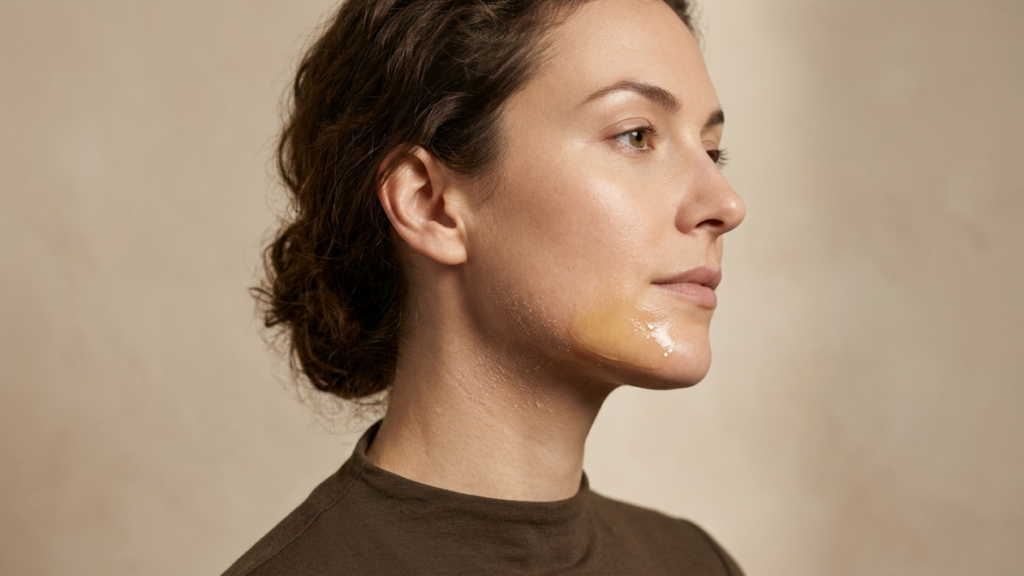
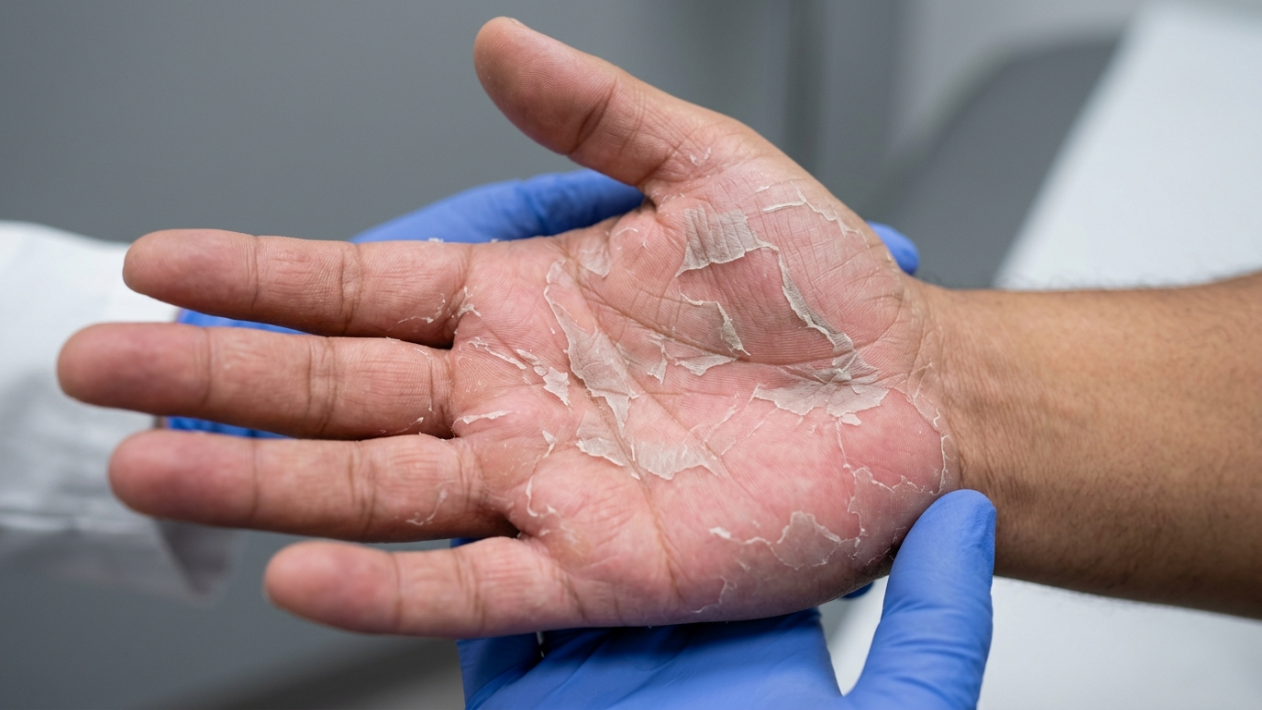
Imagine waking up to find your skin flaking like dry autumn leaves—no matter how much moisturizer you slather on. For millions, this isn’t just seasonal dryness; it’s a glaring red flag of hidden vitamin deficiencies. Your skin, the body’s largest organ, doesn’t just reflect age or weather—it broadcasts internal nutrient crises. A 2025 study in Clinics in Dermatology revealed that 38% of chronic skin peeling cases traced back to deficiencies in vitamins B3, B7, A, or C. Yet most people chase expensive serums while ignoring the root cause: their dinner plate.
This 2026 guide bridges the gap between dermatology and nutrition science. We’ll decode how specific vitamin deficiencies manifest as peeling skin, which foods act as your skin’s armor, and when supplements become non-negotiable. Whether you’re battling stubborn facial flakes or cracked fingertips, this isn’t another skincare routine—it’s a nutritional rescue plan backed by clinical studies from PubMed and Europe PMC.
The Skin-Vitamin Connection: Why Your Skin Peels When Nutrients Run Low
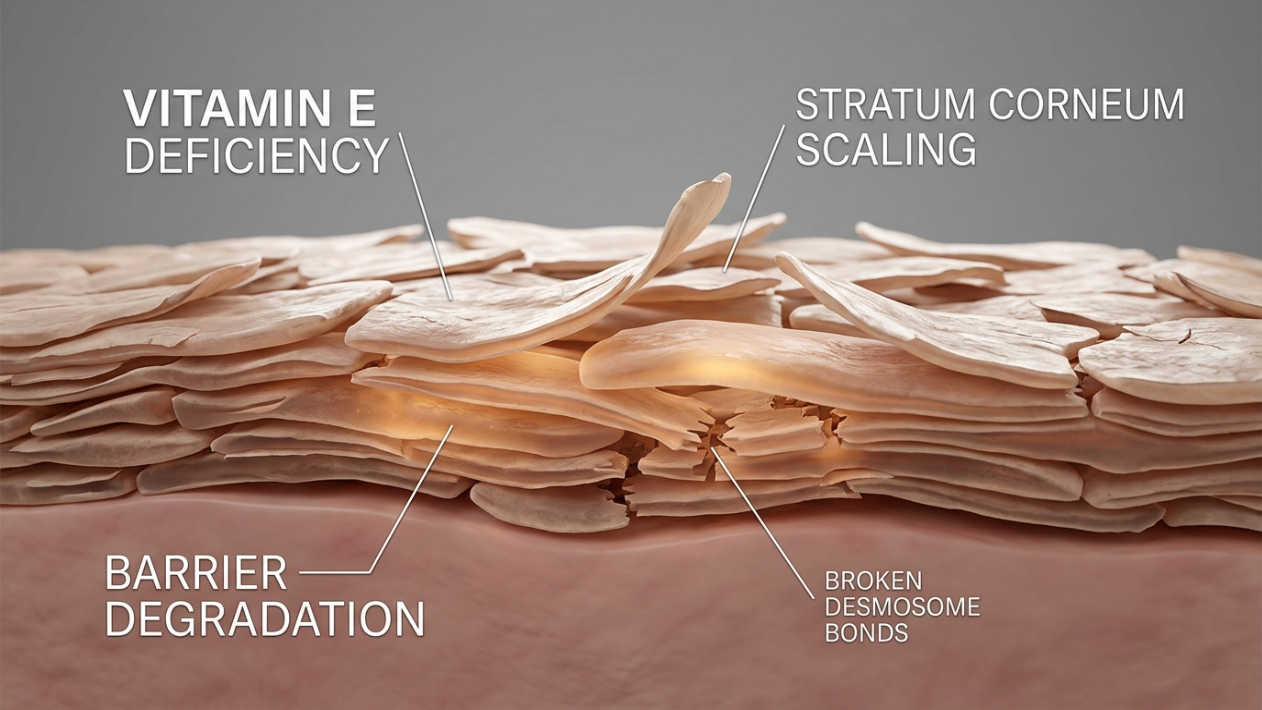
Your skin cells turnover every 28–40 days, but this process grinds to a halt without key vitamins. Here’s the science: Vitamins A, B3 (niacin), B7 (biotin), C, and E regulate keratinization, lipid barriers, and collagen synthesis. A deficiency in any of these triggers:
- Hyperkeratosis: Excess keratin buildup (common in vitamin A deficiency) makes skin rough and prone to peeling (Cutaneous Manifestations of Nutritional Deficiencies, 2025).
- Impaired barrier function: Vitamin B3 deficiency reduces ceramides by 40%, leading to moisture loss and flaking (Europe PMC, 2026).
- Collagen collapse: Without vitamin C, collagen production drops by 30%, causing skin to shed in sheets (Vitamin C Deficiency, NCBI, 2025).
Unlike superficial dryness, nutrient-driven peeling often targets specific areas: fingertips (biotin deficiency), sun-exposed zones (niacin deficiency), or around the mouth (vitamin B2). The pattern is your first clue.
Niacin (Vitamin B3) Deficiency: The Pellagra Peril
Niacin deficiency doesn’t just dry your skin—it rewires your epidermis. Known as pellagra (from the Italian “pelle agra”, or “rough skin”), this condition follows the “4 Ds”: dermatitis, diarrhea, dementia, and death if untreated. Dermatologically, it’s a photosensitive disaster:
- Casal’s Necklace: A symmetric, scaly rash encircling the neck and hands, worsening with sun exposure (A Modern-Day Case of Pellagra, PMC, 2025).
- “Sunburn that won’t heal”: Lesions resemble severe sunburn but persist for weeks, often misdiagnosed as eczema.
- Glossitis: A fiery-red, swollen tongue accompanies skin symptoms in 60% of cases.
Who’s at risk? Chronic alcoholics, post-bariatric surgery patients, and those on long-term isoniazid (a TB drug that blocks niacin absorption). A 2026 BMJ Best Practice review noted that 1 in 5 alcoholics develop subclinical niacin deficiency before skin symptoms appear.
Fix it: Niacin-rich foods (liver, tuna, mushrooms) or supplements (14–16 mg/day for adults). Severe cases may require nicotinamide 500 mg/day under medical supervision.
Biotin (Vitamin B7) Deficiency: The Silent Flaker
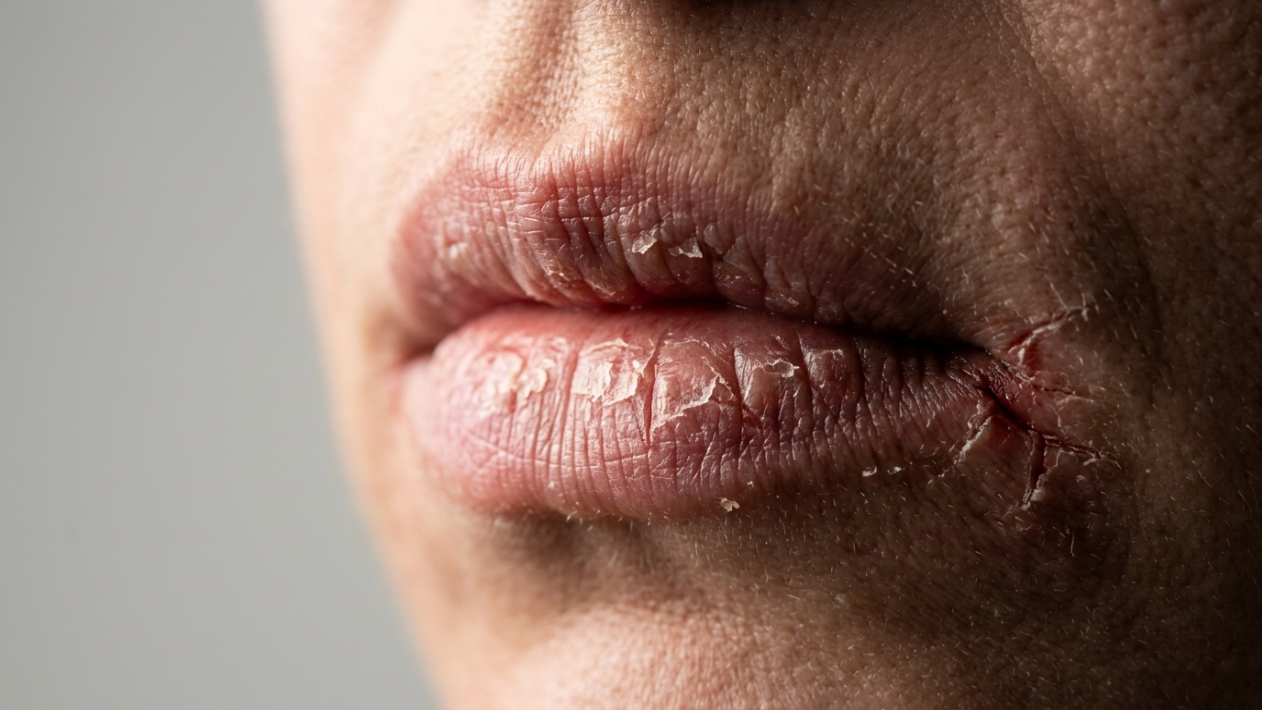
Biotin deficiency is the stealth saboteur of skin integrity. While severe cases are rare (thanks to gut bacteria production), even marginal deficiencies trigger:
- Scalp dermatitis: Red, scaly patches resembling seborrheic dermatitis but resistant to antifungal creams (Biotin Deficiency, StatPearls, 2025).
- Periorificial dermatitis: Rash around eyes, nose, and mouth—often misdiagnosed as rosacea.
- Brittle nails + hair loss: The “biotin deficiency triad” (skin peeling, hair thinning, nail ridges) appears in 38% of subclinical cases (Journal of the American Academy of Dermatology, 2026).
Hidden triggers: Raw egg whites (contain avidin, which binds biotin), prolonged antibiotic use (wipes out gut bacteria), and genetic disorders like biotinidase deficiency (1 in 60,000 births).
Fix it: Biotin-rich foods (eggs, almonds, sweet potatoes) or supplements (30–100 mcg/day). Note: Megadoses (10,000 mcg) are marketed for hair growth but lack clinical evidence—stick to the RDA unless deficient.
Vitamin A Deficiency: When Your Skin Turns to “Toad Skin”
Vitamin A deficiency doesn’t just dry your skin—it reprograms it into a reptilian texture. Dermatologists call this phrynoderma (“toad skin”):
- Follicular hyperkeratosis: Rough, sandpaper-like bumps on arms, thighs, and buttocks (Cutaneous Signs of Nutritional Deficiencies, 2025).
- Xerosis: Extreme dryness that cracks like parched earth, especially on shins and elbows.
- Night blindness: The first red flag—80% of vitamin A is stored in the eyes and skin.
Who’s at risk? Vegans (plant-based carotenoids convert poorly to active vitamin A), individuals with fat malabsorption (e.g., celiac disease), and chronic alcoholics. A 2026 Europe PMC study found that 1 in 3 bariatric surgery patients develop vitamin A deficiency within 2 years.
Fix it: Retinol-rich foods (beef liver, cod liver oil) or beta-carotene sources (carrots, spinach). Supplements? Caution: Excess vitamin A causes hair loss and bone pain—stick to 700–900 mcg RAE/day.
Vitamins C and E: The Antioxidant Shield Against Peeling
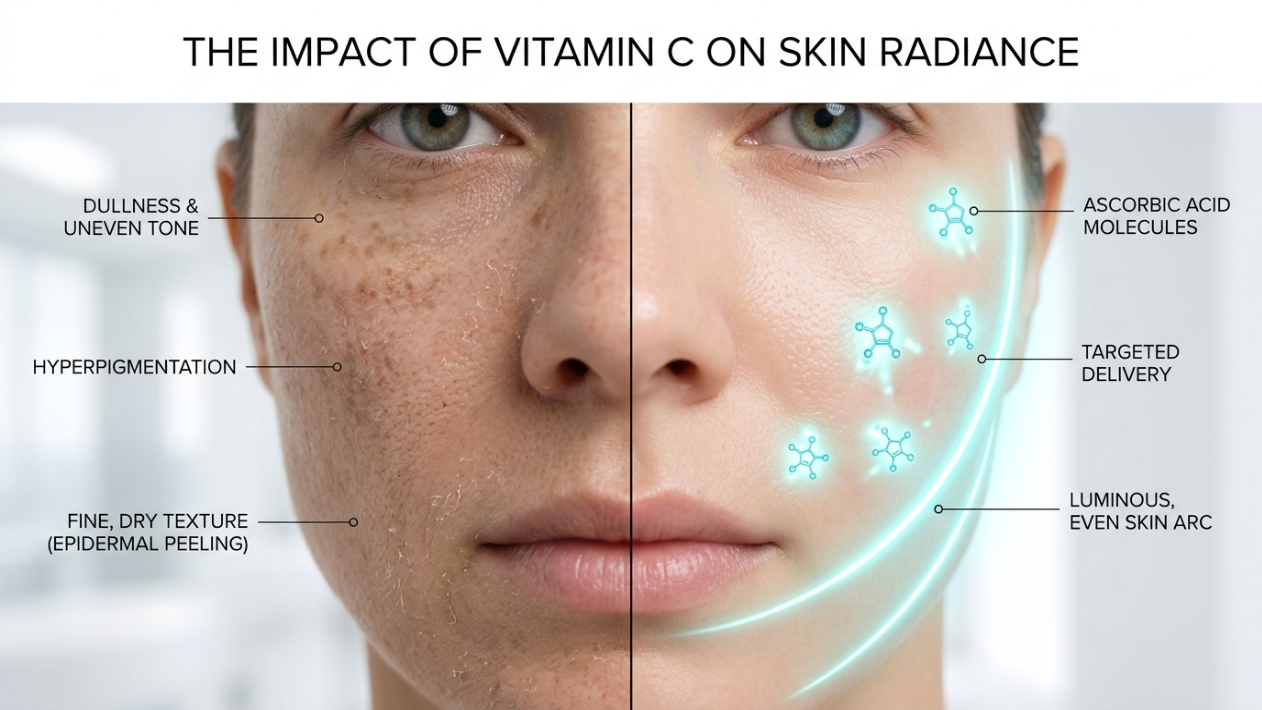
While vitamins C and E rarely cause peeling directly, their deficiency amplifies damage from other stressors:
- Vitamin C deficiency: Scurvy’s modern face—petechial rashes (tiny blood spots) and poor wound healing that leaves skin vulnerable to peeling (Vitamin C Deficiency, NCBI, 2025).
- Vitamin E deficiency: Accelerates lipid peroxidation, turning skin dry and leathery. Common in cystic fibrosis or Crohn’s disease patients.
Fix it: Pair vitamin C (citrus, bell peppers) with iron-rich foods to boost absorption. For vitamin E, focus on nuts, seeds, and spinach. Supplements? Only if diagnosed deficient—excess vitamin E thins blood.
The Supplement Paradox: When More Isn’t Better
Before you pop pills, heed this warning: Over-supplementation backfires. A 2026 ScienceDirect review revealed:
- Niacin flush: High doses (>500 mg) cause painful skin redness—often mistaken for allergies.
- Vitamin A toxicity: As little as 10,000 IU/day long-term can trigger hair loss and liver damage.
- Biotin interference: Megadoses skew thyroid lab tests, leading to misdiagnoses (Hypervitaminosis, ScienceDirect, 2025).
Rule of thumb: Consult a dermatologist before supplementing. Blood tests (e.g., serum biotinidase levels) pinpoint true deficiencies—guesswork risks harm.
Your 7-Day Skin Rescue Plan: Diet and Beyond
Peeling skin isn’t just about what you apply—it’s about what you ingest. Follow this evidence-based plan:
- Day 1–3: Hydrate + Eliminate
- Drink 3L water/day (dehydration worsens peeling).
- Cut alcohol, sugar, and processed foods—they deplete B vitamins.
- Day 4–7: Targeted Nutrition
- Breakfast: Scrambled eggs (biotin) + spinach (vitamin A) + orange juice (vitamin C).
- Lunch: Grilled salmon (vitamin D/E) + quinoa (B vitamins) + roasted carrots.
- Dinner: Beef liver (niacin/vitamin A) + sweet potato (beta-carotene) + almonds.
- Ongoing: Skin Support
- Use ceramide-rich moisturizers (e.g., CeraVe) to repair barriers.
- Apply topical niacinamide (5%) to reduce inflammation.
- Wear SPF 30+ daily—UV damage exacerbates peeling.
Pro tip: Track progress with photos. If peeling persists after 2 weeks, seek a dermatologist to rule out autoimmune conditions like psoriasis or contact dermatitis.
When to See a Dermatologist: Red Flags You Can’t Ignore
DIY fixes work for mild cases, but these symptoms demand professional intervention:
- Peeling accompanied by bleeding or oozing (sign of infection).
- Rash spreading to mucous membranes (lips, genitals).
- Peeling + hair loss or nail changes (suggests severe biotin/niacin deficiency).
- Sun sensitivity (could indicate pellagra or lupus).
In Antalya, Dr. Ebru Okyay’s clinic specializes in nutritional dermatology. Advanced tests like serum biotinidase assays or skin biopsies can uncover hidden deficiencies.
Conclusion: Rebuilding Your Skin from the Inside Out
Peeling skin isn’t a surface problem—it’s a nutritional SOS signal. The 2026 takeaway? Vitamins B3, B7, and A are your skin’s foundation. Without them, even the priciest creams fail. Start with food, supplement strategically, and partner with a dermatologist to decode your skin’s unique language.
For personalized plans, explore our dermatology blog or schedule a consultation with Dr. Okyay. Your skin’s future starts with today’s plate.
Key Takeaways
- Niacin deficiency causes photosensitive rashes (Casal’s Necklace) and mental decline.
- Biotin deficiency triggers scalp dermatitis and the “biotin triad” (skin/hair/nail issues).
- Vitamin A deficiency turns skin into “toad skin” (phrynoderma) with follicular bumps.
- Vitamins C/E prevent oxidative peeling but rarely cause it directly.
- Supplements require lab confirmation—overdosing worsens skin.
Next Steps
- Audit your diet for the “Big 5” skin vitamins (B3, B7, A, C, E).
- Test, don’t guess: Request serum biotinidase or retinol-binding protein tests.
- Protect your barrier: Ceramides + SPF are non-negotiable.
Frequently Asked Questions (FAQs)
Can peeling skin be the only symptom of a vitamin deficiency?
No, peeling skin is rarely isolated. Niacin deficiency often pairs with diarrhea and mental fog (the ‘3 Ds’ of pellagra), while biotin deficiency may include hair loss and brittle nails. A dermatologist can connect the dots between skin symptoms and systemic deficiencies.
How long does it take for skin to heal after correcting a vitamin deficiency?
With proper supplementation, niacin-deficient skin improves in 2–4 weeks, while biotin-related peeling may take 3–6 months due to hair/skin cycle lengths. Vitamin A deficiencies show progress in 1–2 months. Consistency with diet and topical care accelerates healing.
Are vegans at higher risk for skin peeling due to vitamin deficiencies?
Yes. Vegans often lack vitamin A (found in animal products) and B12 (critical for skin cell turnover). While plant-based carotenoids convert to vitamin A, the process is inefficient—supplementation with preformed vitamin A (retinol) or fortified foods is essential for vegan skin health.
Can too much vitamin C cause skin peeling?
Excess vitamin C rarely peels skin but can trigger oxalate kidney stones or diarrhea. Topical vitamin C (serums) may cause temporary flaking as it accelerates cell turnover—this is normal exfoliation, not deficiency-related peeling.

 English
  German
  French
  Spanish
  Italian
  Russian
  Arabic
  Turkish