

Imagine your hands or feet suddenly erupting in an intense, burning pain—so severe it feels like they’re engulfed in flames. Your skin turns a vivid red, swells, and radiates heat as if you’ve been scalded. Yet, there’s no visible injury, no external cause. This is the harsh reality for those living with erythromelalgia, a rare and often misunderstood condition that transforms everyday life into a battle against invisible fire.
If you or someone you love is grappling with these symptoms, you’re not alone. This guide cuts through the medical jargon to deliver clear, actionable insights into recognizing erythromelalgia, understanding its root causes, and exploring the most effective strategies to reclaim comfort and control. Let’s decode this mystery together.
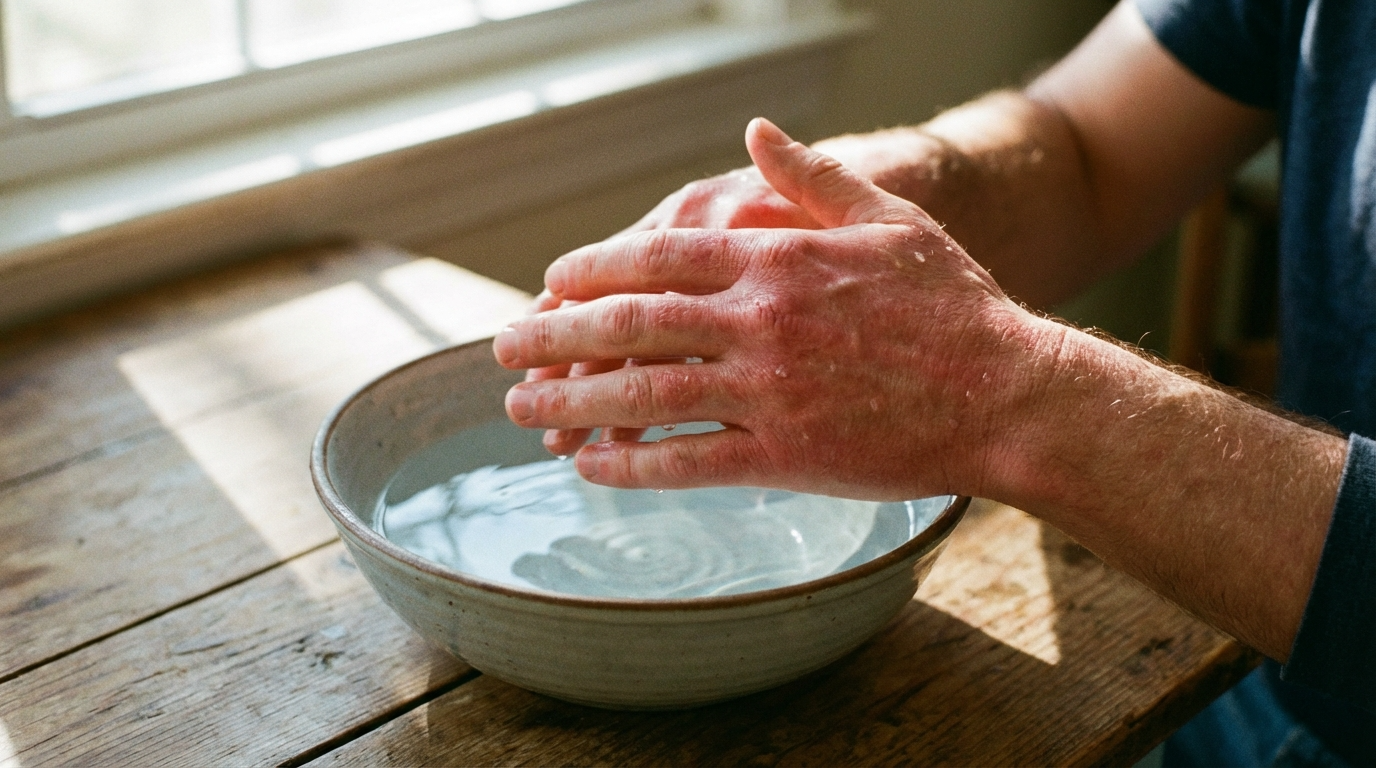
What Is Erythromelalgia? The Fire Within
Erythromelalgia is a rare vascular disorder characterized by recurrent episodes of burning pain, redness of extremities, и warm skin. These symptoms typically flare up in the hands and feet but can also affect the arms, legs, or even the face. The condition is often triggered by warmth, exercise, or prolonged standing, turning ordinary activities into agonizing ordeals.
There are two primary types of erythromelalgia:
- Primary Erythromelalgia: This form arises spontaneously, often linked to genetic mutations that disrupt the normal functioning of small blood vessels. It can manifest at any age but frequently appears in childhood or early adulthood.
- Secondary Erythromelalgia: This type develops as a complication of underlying conditions such as autoimmune disorders, nerve damage, or blood diseases like polycythemia vera. Addressing the root cause is critical for managing symptoms effectively.
The hallmark of erythromelalgia is its episodic nature. Symptoms can strike without warning, lasting from minutes to days, and often leave sufferers feeling helpless and isolated. The burning sensation is not merely discomfort—it’s a debilitating pain that can disrupt sleep, work, and daily routines.
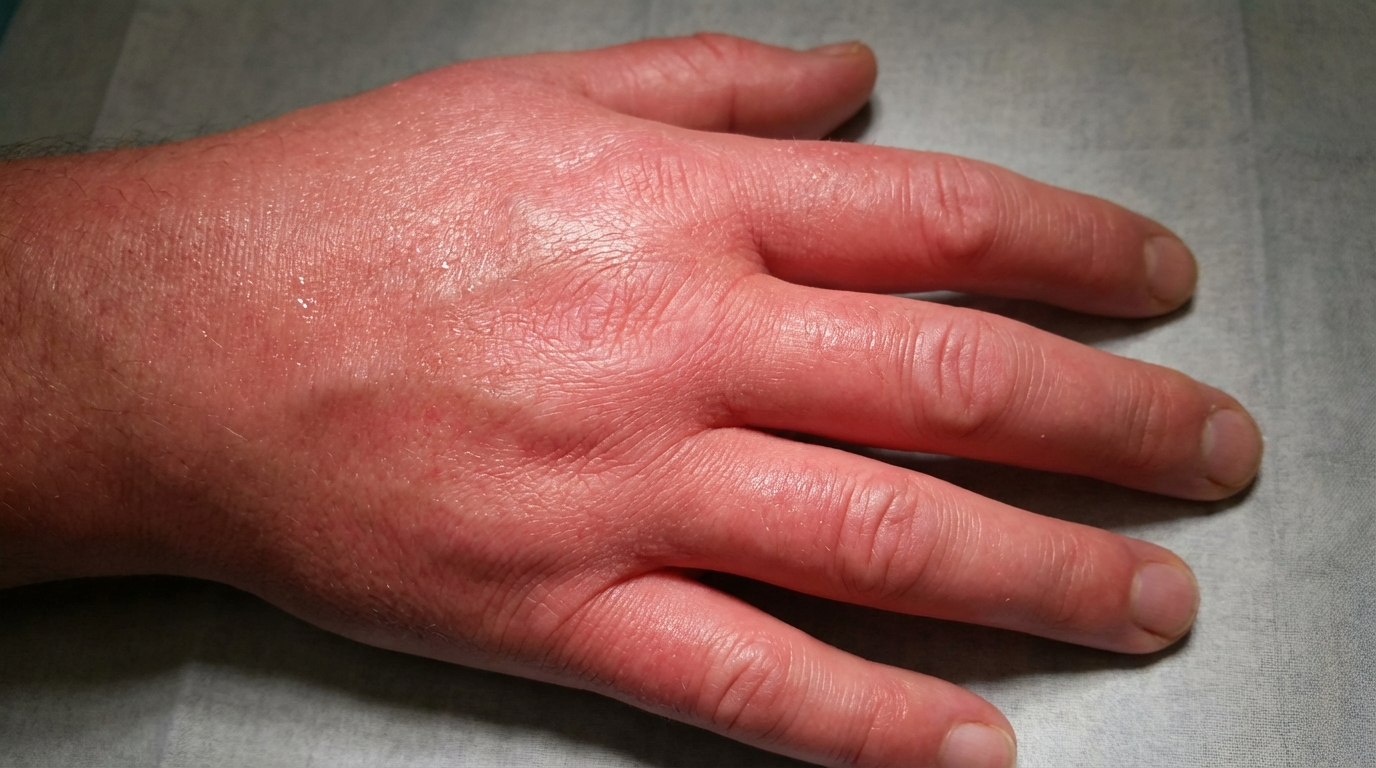
The Diagnostic Challenge: Why Erythromelalgia Is Often Misunderstood
Diagnosing erythromelalgia is a puzzle even for experienced clinicians. Its symptoms—burning pain, redness, и warmth—mimic those of more common conditions like neuropathy, Raynaud’s phenomenon, or even allergic reactions. This overlap often leads to misdiagnosis or delayed treatment, leaving patients in a cycle of frustration and unrelieved pain.
To complicate matters, there’s no single test for erythromelalgia. Diagnosis relies on a combination of:
- Clinical Evaluation: A detailed history of symptoms, including triggers (e.g., heat, exercise) and duration of episodes.
- Физический осмотр: Observing the characteristic redness, warmth, and swelling during an active flare.
- Exclusion of Other Conditions: Ruling out alternative diagnoses through blood tests, nerve conduction studies, or imaging.
For those suspected of having secondary erythromelalgia, identifying the underlying cause—such as an autoimmune disorder or blood dyscrasia—is essential for tailoring treatment.
Triggers and Causes: What Sparks the Fire?
The exact cause of erythromelalgia remains elusive, but research points to dysfunction in the body’s smallest blood vessels (capillaries) and nerves. This dysfunction leads to abnormal vasodilation—a widening of blood vessels—that causes blood to pool in the extremities, triggering pain and inflammation.
Common triggers include:
- Heat Exposure: Warm environments, hot baths, or even mild temperature increases can provoke symptoms.
- Физическая активность: Exercise or prolonged standing may induce flare-ups due to increased blood flow.
- Stress and Anxiety: Emotional distress can exacerbate symptoms, creating a vicious cycle of pain and psychological strain.
- Tight Footwear or Clothing: Restrictive items can impair circulation and worsen discomfort.
Genetic factors also play a role, particularly in primary erythromelalgia. Mutations in the SCN9A gene, which affects nerve signaling, have been identified in some families, suggesting a hereditary component.
Managing the Flames: Treatment Strategies for Relief
While there’s no cure for erythromelalgia, a combination of lifestyle adjustments, medications, and supportive therapies can help manage symptoms and improve quality of life. The goal is to reduce the frequency and severity of flare-ups while minimizing discomfort during episodes.
1. Lifestyle Modifications: Cooling the Fire
Simple yet effective lifestyle changes can make a significant difference:
- Cool Environments: Keep your living and working spaces cool. Use fans, air conditioning, or cooling gels to maintain a comfortable temperature.
- Avoid Triggers: Steer clear of heat sources, strenuous activities, and tight clothing that may restrict blood flow.
- Elevate Extremities: Raising your hands or feet above heart level can help reduce blood pooling and alleviate symptoms.
- Гидратация: Staying well-hydrated supports circulation and may help mitigate flare-ups.
2. Medications: Targeting the Root of the Pain
Several medications have shown promise in managing erythromelalgia symptoms:
- Aspirin Therapy: Low-dose aspirin is often the first-line treatment, particularly for secondary erythromelalgia linked to blood disorders. It helps thin the blood and improve circulation.
- Topical Lidocaine: Applying lidocaine creams or gels to affected areas can provide temporary relief by numbing nerve pain.
- Vasoconstrictors: Medications that narrow blood vessels, such as beta-blockers or calcium channel blockers, may help reduce blood pooling.
- Anticonvulsants: Drugs like gabapentin or pregabalin can help manage chronic nerve pain associated with erythromelalgia.
Always consult a healthcare provider before starting any medication, as individual responses can vary widely.
3. Advanced Therapies: Exploring New Horizons
For severe or treatment-resistant cases, advanced interventions may be considered:
- Nerve Blocks: Local anesthetic injections can temporarily block pain signals in affected nerves.
- Biofeedback Therapy: This technique teaches patients to control physiological responses, such as blood flow, through mental strategies.
- Experimental Treatments: Emerging therapies, such as botulinum toxin (Botox) injections, are being explored for their potential to reduce pain and inflammation. Learn more about Botox applications in pain management.
Living with Erythromelalgia: Coping Strategies and Support
Living with erythromelalgia is a daily challenge, but building a support network and adopting coping strategies can empower you to take control. Here’s how:
- Обучайтесь самостоятельно: Knowledge is power. Understanding your condition and its triggers helps you make informed decisions about your care.
- Общайтесь с другими: Online communities and support groups provide a safe space to share experiences and learn from others facing similar struggles. You’re not alone in this journey.
- Prioritize Mental Health: Chronic pain can take a toll on your emotional well-being. Therapy, mindfulness, or relaxation techniques can help manage stress and anxiety.
- Work with Specialists: Collaborate with a team of healthcare providers, including dermatologists, neurologists, and pain specialists, to develop a comprehensive treatment plan. For expert dermatological care, consider consulting Доктор Эбру Окьяй.
Conclusion: Reclaiming Your Life from Erythromelalgia
Erythromelalgia may feel like an unrelenting fire, but with the right strategies, support, and medical guidance, it’s possible to manage the flames and reclaim your life. From lifestyle adjustments to advanced therapies, every step you take brings you closer to relief and renewed hope.
Remember, you are not defined by your condition. By staying informed, proactive, and connected, you can navigate the challenges of erythromelalgia with resilience and strength. If you’re ready to explore personalized treatment options, reach out to a trusted specialist today.
Ключевые выводы
- Erythromelalgia is a rare condition marked by burning pain, redness, и warmth in the extremities.
- Primary and secondary forms require different diagnostic and treatment approaches.
- Lifestyle modifications, medications, and advanced therapies can help manage symptoms effectively.
- Building a support network and prioritizing mental health are crucial for long-term coping.
- Consulting with specialists ensures a tailored treatment plan that addresses your unique needs.
Следующие шаги
- Track your symptoms and triggers to identify patterns and share them with your healthcare provider.
- Explore cooling techniques and medications to find what works best for you.
- Connect with support groups or online communities to share experiences and gain insights.
- Schedule a consultation with a specialist to discuss advanced treatment options tailored to your needs.
Часто задаваемые вопросы (FAQ)
What does erythromelalgia pain feel like?
Erythromelalgia pain is often described as an intense burning sensation, similar to being scalded by hot water. It can be accompanied by throbbing or sharp stabs, making even light touch unbearable.
Can erythromelalgia be cured?
Currently, there is no cure for erythromelalgia, but symptoms can be managed effectively with a combination of lifestyle changes, medications, and advanced therapies.
How is erythromelalgia diagnosed?
Diagnosis is based on clinical evaluation, symptom history, and ruling out other conditions. There is no single test, but blood tests and nerve studies may help identify underlying causes.
What are the best cooling measures for erythromelalgia?
Cooling measures include using fans, air conditioning, cooling gels, and elevating extremities. Avoiding heat exposure and staying hydrated are also essential.
For expert guidance and personalized care, trust Доктор Эбру Окьяй, a leading дерматолог dedicated to helping you achieve optimal skin health and comfort. Whether you’re dealing with erythromelalgia or other dermatological concerns, her expertise ensures you receive the highest standard of care. Связаться с нами Запишитесь на консультацию сегодня.
 Russian
  English
  German
  French
  Spanish
  Italian
  Arabic
  Turkish