
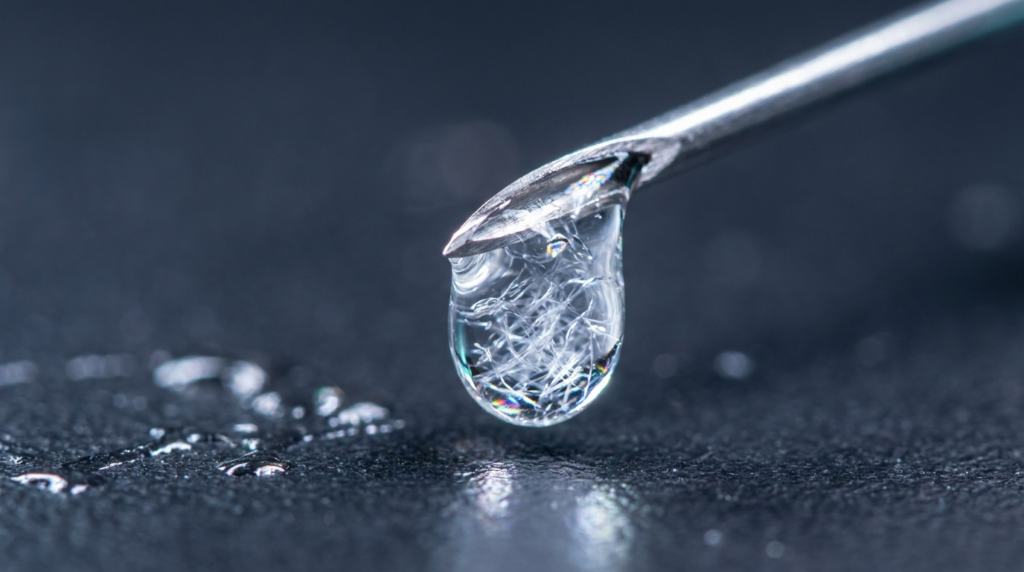
Эффект “полки”. Мы все его видели — щеки остаются статичными и неподвижными, в то время как остальная часть лица улыбается, говорит или выражает эмоции. В 2026 году неудача эстетики скуловой области заключается уже не в количестве используемого продукта, а в вопиющем игнорировании реологии лица. Долгие годы специалисты рассматривали скуловую дугу как статичную кость, которую нужно прикрыть. Однако слои кожи и мышц над этой костью представляют собой зону интенсивного движения динамических векторов. Когда вы игнорируете биомеханическое взаимодействие между филлером и тканью, вы не создаете красоту — вы создаете анатомический якорь, который стягивает ваши естественные выражения лица.
Этот глубокий анализ выходит за рамки поверхностного обсуждения вопроса “что такое наполнитель”. Вместо этого мы разбираем, как реологические свойства наполнители для скуловой дуги— В частности, G-Prime и вязкость — определяют, будут ли результаты выглядеть как омолаживающая подтяжка или как хирургическая маска. Если вы когда-либо задавались вопросом, почему одни филлеры исчезают в течение нескольких месяцев, а другие выглядят “бугристыми” при движении, ответ кроется в динамической упругости материала. К концу этого руководства вы поймете, как требовать процедуры, которая учитывает движения вашей анатомии, гарантируя, что подтяжка останется незаметной для неподготовленного глаза, но при этом преобразит ваш профиль.
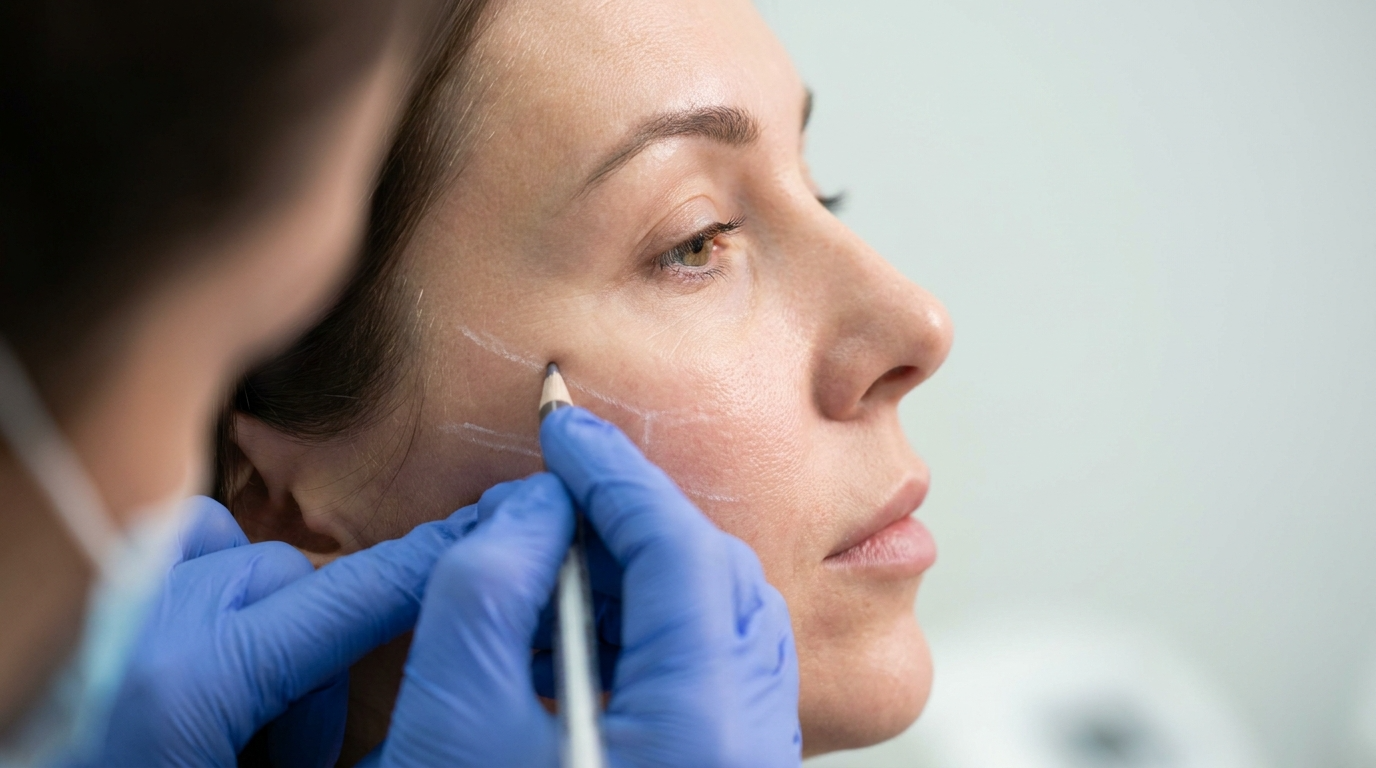
Помимо объема: реологическая модель эстетики скуловой области 2026 года.
Раньше цель увеличения объема щек была проста: добавить объем до тех пор, пока не исчезнут впадины. Эта логика 2014 года привела к “синдрому переполнения”, который преследует современную эстетику. Сегодня акцент сместился с объема на векторный подъем. Скуловая дуга служит своего рода подвесным мостом для лица. Для поддержки средней части лица без создания тяжеловесного, “бурундукового” вида, наполнители для скуловой дуги должны обладать определенными механическими свойствами, позволяющими им противостоять силе тяжести, плавно взаимодействуя с большой и малой скуловыми мышцами.
При выборе продукта мы обращаем внимание на внутреннюю структуру геля гиалуроновой кислоты (ГК). Речь идет не только о “мягких” или “твердых” филлерах. Важно учитывать технологию сшивания, которая определяет, как гель реагирует на сжатие, растяжение или сжатие во время смеха. Наполнители для скуловой дуги Она должна выступать в качестве биологического каркаса — достаточно прочного, чтобы имитировать костную ткань, но достаточно эластичного, чтобы имитировать глубокие жировые отложения. Достижение этого баланса — это разница между лицом, которое выглядит “искусственно обработанным”, и лицом, которое выглядит естественно свежим.
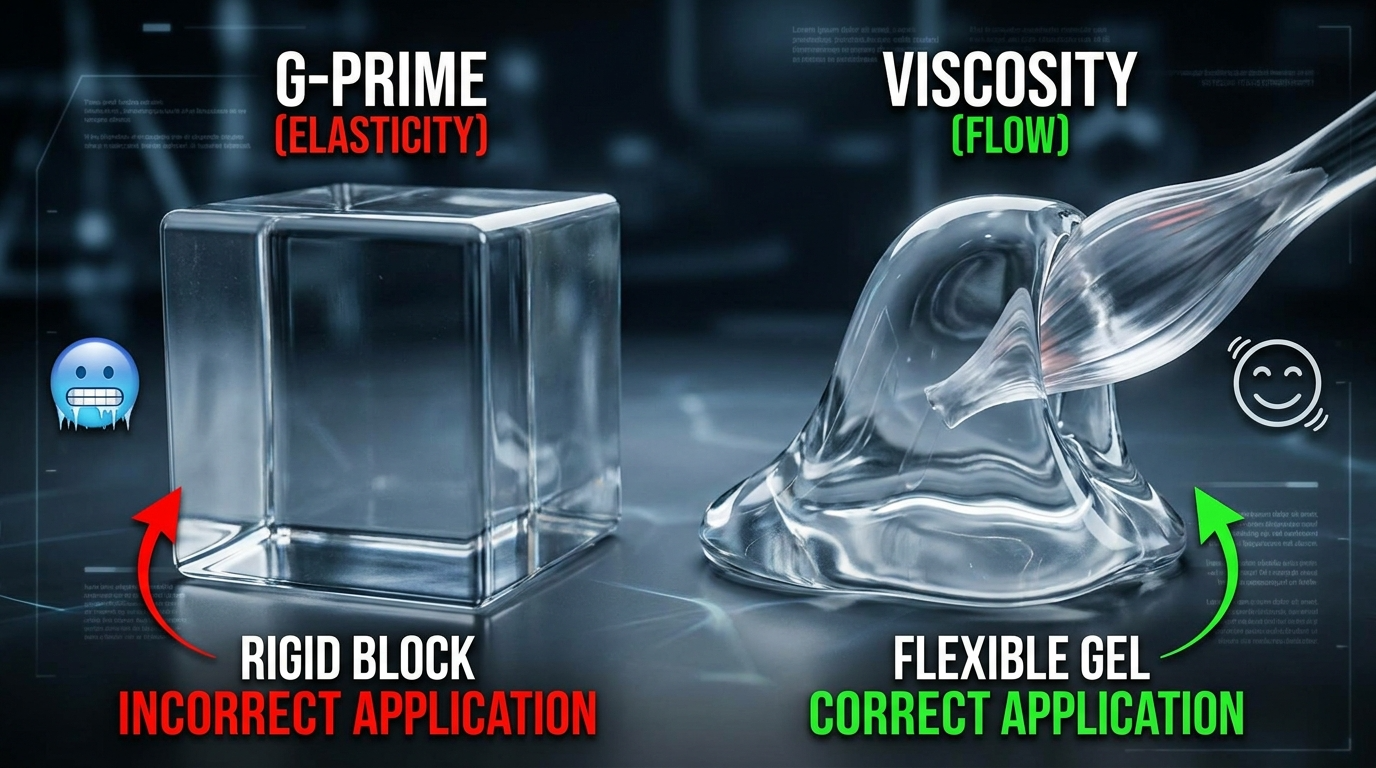
G-Prime против вязкости: физика невидимого лифта
Чтобы понять, почему определенные дермальные наполнители Если в скуловой области не удается достичь желаемого результата, необходимо обратить внимание на два технических параметра: G-Prime (эластичность) и вязкость. Большинство пациентов никогда не слышат об этих терминах, но именно они являются секретом каждого успешного результата. G-Prime отражает способность филлера сохранять свою форму под давлением. В области скуловой дуги высокий показатель G-Prime необходим, поскольку филлер должен располагаться глубоко, часто на кости (надкостнично), и выталкивать вышележащие ткани вверх.
Однако высокое значение G-Prime само по себе является ловушкой. Если филлер эластичен, но имеет низкую вязкость, со временем он может “просачиваться” или мигрировать в окружающие ткани средней части лица, размывая четкие контуры скул. И наоборот, если он слишком вязкий, но неэластичный, он превращается в жесткий комок, который не смещается при улыбке. Стандарт 2026 года требует “двухфазной гармонии” — продукта, который остается точно там, где он был введен, и ведет себя как жидкость во время мимики.
| Реологические свойства | Низкие требования (мягкие зоны) | Высокие требования (скуловидная дуга) | Влияние на результат |
|---|---|---|---|
| G-Prime (модуль упругости) | Губы / Мелкие морщины | Скуловая дуга / Подбородок | Обеспечивает структурную подъемную силу, противодействующую силе тяжести. |
| Вязкость | Слезоотводящие борозды | Регион Малар / Храмы | Предотвращает миграцию филлера и “размытие” свода стопы. |
| Сплоченность | Поверхностная гидратация | Глубокая структурная поддержка | Определяет, насколько хорошо гель сцепляется друг с другом под натяжением. |
| Тан Дельта | Высокий (жидкообразный) | Низкий (как твердое тело) | Обеспечивает поведение наполнителя скорее как твердого каркаса, чем как жидкости. |
Динамическая мышечная нагрузка: почему движение меняет всё
Одна из самых частых жалоб в эстетической медицине — это “исчезновение филлера”. Пациенты часто чувствуют, что их наполнители для скуловой дуги Исчезли всего через три месяца. На самом деле филлер не растворился, а вытеснился. Каждый раз, когда вы улыбаетесь, ваши скуловые мышцы сокращаются, оказывая боковое и верхнее давление на филлер. Если филлеру не хватает необходимой когезивности, это повторяющееся механическое напряжение вдавливает гель в щечное пространство или в подглазничную жировую ткань (SOOF).
Именно это смещение объясняет, почему так сложно добиться “естественных результатов”. Филлер может выглядеть идеально во время процедуры, но как только пациент выходит и начинает жить своей жизнью, движения мышц начинают действовать как замедленное разминание. Подход 2026 года предполагает введение наполнители для скуловой дуги в определенных “безопасных зонах”, где прикрепление мышц минимально, или с использованием технологии нового поколения “RHA” (эластичная гиалуроновая кислота), специально разработанной для растяжения и сокращения вместе с кожей. Это предотвращает превращение филлера в статичное препятствие в движущемся пространстве.
План коррекции скуловой области: 5 шагов к точной трансформации скуловой кости.
Для создания изысканной, высококлассной формы скул требуется нечто большее, чем просто инъекции. Необходим математический подход к лицу. Следуйте этим шагам, чтобы обеспечить успех в вашем деле. наполнители для скуловой дуги дает результаты, которых вы заслуживаете:
- Проанализируйте малярный вектор: Перед любой инъекцией ваш врач должен оценить “линии Хиндерера” или “векторы Огилви”. Это позволяет определить точную точку максимального выступа, необходимую для подтяжки нижней части лица без чрезмерного расширения головы.
- Выберите каркас High-G-Prime: Требуйте филлер, специально предназначенный для глубокой структурной поддержки. В 2026 году мы отдаем приоритет филлерам с высокой степенью сшивания гиалуроновой кислоты для самой дуги, а для перехода в область щек используем более мягкие варианты.
- Техника послойной инъекции: Вместо одного “болюса” препарата мы используем технику “сэндвича”. На кость наносится плотный слой, за которым следует более легкий, более плотный слой в глубоких жировых отложениях для сглаживания перехода.
- Динамический стресс-тест: После установки имплантата вас попросят улыбнуться, прищуриться и надуть губы. Это позволит врачу оценить, подходит ли вам имплантат. наполнители для скуловой дуги создавать любые неестественные тени или “полки” во время анимации.
- Стабилизация состояния после лечения: В течение первых 48 часов крайне важно избегать чрезмерного массажа лица. Это позволит филлеру “закрепиться” в тканевых волокнах, снижая риск преждевременного смещения.
Интеграция этих шагов с более широким подходом. стратегия против старения Это гарантирует, что ваши скулы будут выглядеть не как изолированная черта, а как гармоничная часть молодого лица. Если вы готовы отказаться от стандартных процедур и испытать на себе высокоточную эстетику в Анталии, следующим шагом станет профессиональная консультация.
Когда следует проводить коррекцию: переосмысление понятия «успех» в применении филлеров для скуловых областей.
Успех измеряется не количеством филлера в шприце, а тем, насколько восстановилась уверенность в себе. Если вы испытываете что-либо из перечисленного ниже, возможно, пришло время пересмотреть структуру вашей скуловой кости:
- При улыбке появляются видимые бугорки (признак низкой когезивности).
- “Плоский” вид уже через несколько недель после процедуры (признак смещения филлера).
- Расширенная поверхность, лишенная вертикального подъема (признак неправильного векторного планирования).
Вмешательство специалистов может исправить эти проблемы, растворив старый, мигрировавший продукт и заменив его современным, обладающим высокими реологическими свойствами. наполнители для скуловой дуги. Для тех, кто хочет полностью освежить кожу лица, Свяжитесь с доктором Эбру Окьяй. назначить детальное анатомическое обследование.
Часто задаваемые вопросы (FAQ)
Как долго на самом деле сохраняются результаты применения филлеров для скуловых дуг?
Хотя многие производители заявляют о 12-18 месяцах, в реальности это зависит от скорости метаболизма и реологических свойств филлера. В области скул с высокой подвижностью филлер с высоким содержанием G-prime обычно сохраняет видимый лифтинг в течение 9-12 месяцев, после чего рекомендуется небольшая коррекция для противодействия естественной миграции жировых подушечек.
Сделает ли филлеры для скуловых дуг мое лицо визуально шире?
Нет, если инъекция выполнена правильно. Точная инъекция фокусируется на боковой дуге, создавая вектор ‘подтяжки’. Расширение лица происходит только тогда, когда препарат вводится слишком далеко вперед или в избыточном количестве, игнорируя естественную структуру костей пациента и соотношение ширины и роста.
Что такое ‘эффект полки’ в филлерах для щек?
Эффект ‘полки’ возникает, когда филлер с высоким содержанием G-прайма вводится слишком поверхностно или в область с высокой мышечной активностью. Это создает видимый гребень или «полку», которая выглядит оторванной от остальной части лица при мимических движениях. Выбор более плотного филлера предотвращает это.
Могут ли филлеры для скуловой области помочь при впадинах под глазами?
Да, косвенно. Восстанавливая поддержку скуловой дуги, мы часто натягиваем кожу и ткани под глазами, что может уменьшить видимость носослезных борозд. Этот ‘косвенный лифтинг’ часто безопаснее и естественнее, чем прямые инъекции в деликатную область под глазами.
Для тех, кто пытается разобраться в сложностях современной эстетики в Анталии, Доктор Эбру Окьяй Предлагает уникальное сочетание медицинской точности и художественного видения. Сосредоточившись на науке о наполнители для скуловой дуги Благодаря учету физических особенностей лица, мы гарантируем, что результаты будут не только видимы, но и ощутимы, подчеркивая вашу естественную элегантность.


 Russian
  English
  German
  French
  Spanish
  Italian
  Arabic
  Turkish