
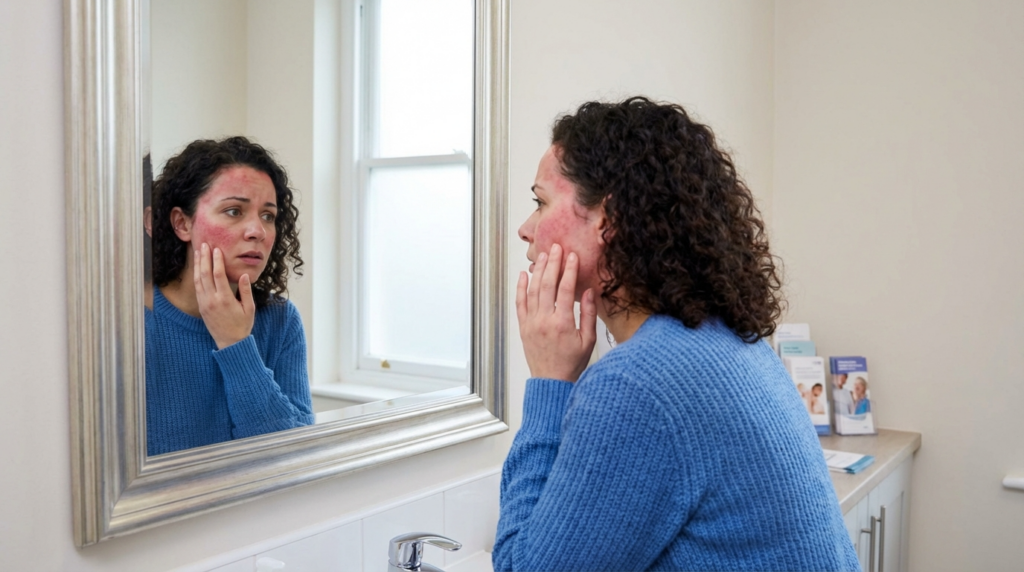
Представьте, что вы просыпаетесь с постоянной сыпью на лице или коже головы, которая не проходит, несмотря на кремы и мази. Для многих это не просто мимолетное раздражение — это первый признак кожная красная волчанка (ККВ), Хроническая красная волчанка (ХКВ) — это форма волчанки, поражающая кожу. В отличие от системной формы, ХКВ часто не затрагивает внутренние органы, но требует не меньшей бдительности. Без лечения она может привести к образованию постоянных рубцов, выпадению волос и даже сигнализировать о риске системного поражения. Хорошая новость? При наличии необходимых знаний и лечения вы можете вернуть контроль над состоянием своей кожи и уверенностью в себе.
Это руководство 2026 года помогает разобраться в медицинской терминологии и предоставляет... четкие и практически применимые выводы о CLE — исходя из признания его разнообразных проявлений (например, дискоидная красная волчанка или подострый кожный люпусот освоения стратегий лечения до совершенствования подхода к терапии. Независимо от того, недавно ли вам поставили диагноз или вы хотите усовершенствовать свой подход, это руководство предоставит вам доступ к новейшим дерматологическим знаниям.
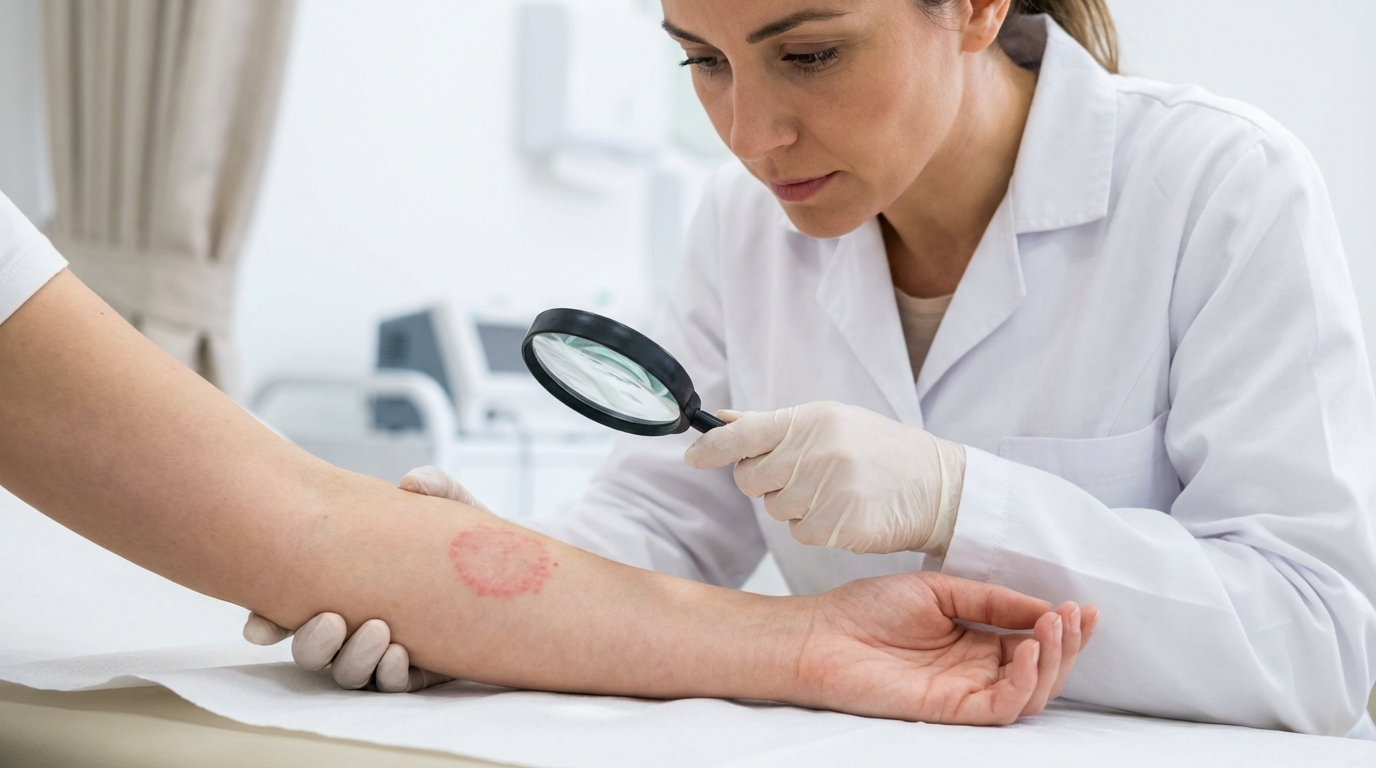
Понимание кожной красной волчанки: это не просто сыпь.
Кожная красная волчанка (ККВ) — это аутоиммунное заболевание, при котором иммунная система ошибочно атакует здоровые клетки кожи. Она проявляется в различных формах, каждая из которых имеет уникальные триггеры и симптомы:
- Дискоидная красная волчанка (ДКВ): Наиболее распространенный тип, характеризующийся рубцовые поражения На лице, коже головы или ушах. Эти поражения часто оставляют необратимые следы, если их не лечить.
- Подострая кожная красная волчанка (SCLE): Проявляется в виде не оставляющих рубцов красных, шелушащихся пятен или кольцеобразных высыпаний, часто вызываемых различными факторами. светочувствительность.
- Острый кожный люпус: Как правило, это заболевание связано с системной красной волчанкой и включает в себя классическую форму. скуловая сыпь (сыпь в виде бабочек) на щеках и носу.
Хотя кожная кожная лейкемия в основном поражает кожу, крайне важно следить за появлением признаков риск системного поражения. Ранняя диагностика и индивидуально подобранное лечение могут предотвратить осложнения и улучшить качество жизни.
Три фактора, провоцирующие КЛЭ: солнечный свет, стресс и травмы кожи.
Три основных фактора усугубляют симптомы кожной красной волчанки:
- Светочувствительность: Воздействие ультрафиолетового излучения является триггером обострений кожной красной волчанки (ККВ). Даже минимальное количество солнечного света может спровоцировать сыпь или усугубить существующие поражения. Защита от солнца Это не выбор, а спасательный круг.
- Стресс: Эмоциональный или физический стресс ослабляет иммунную регуляцию, делая кожу более уязвимой для обострений кожной красной волчанки.
- Травмы кожи: Порезы, ожоги или даже агрессивный уход за кожей могут спровоцировать феномен Кёбнера, при котором в местах повреждений образуются поражения, характерные для хронической кожной красной волчанки.
Понимание этих триггеров позволяет вам предпринимать упреждающие шаги. Например, интеграция солнцезащитный крем широкого спектра действия Включение хронических заболеваний в вашу повседневную жизнь – это не только способ борьбы со старением, но и важнейшая стратегия управления ими.

Диагностика: как дерматологи подтверждают ХЛЭ
Для диагностики ХЛЭ необходим многоэтапный подход:
- Клиническое обследование: Дерматолог оценивает местоположение, форму и потенциал образования рубцов при сыпи. Поражение кожи головы, Например, часто указывается на DLE.
- Биопсия кожи: Небольшой образец ткани подтверждает диагноз CLE, выявляя активность иммунных клеток и другие микроскопические изменения.
- Анализы крови: Хотя такие тесты, как АНА или антитела анти-Ro/SSA, не являются окончательным диагнозом ХКВ, они помогают исключить системную красную волчанку.
Ранняя диагностика имеет решающее значение. Если вы заметили стойкую сыпь, особенно на участках кожи, подверженных воздействию солнца, обратитесь к врачу. дерматолог Незамедлительно. Задержка лечения увеличивает риск образования необратимых рубцов.
Индивидуальный подход к лечению: от местных растворов до системной поддержки.
Лечение CLE направлено на контроль симптомов, предотвращение обострений и минимизация образования рубцов.. Подход зависит от тяжести и типа ХЛЭ:
Первая линия защиты: местная терапия
- Местные кортикостероиды: Высокоэффективные кремы или мази уменьшают воспаление и ускоряют заживление. Идеально подходят для лечения легких и умеренных поражений при дискоидной красной волчанке.
- Ингибиторы кальциневрина: Для чувствительных зон (например, лица) можно использовать нестероидные препараты, такие как такролимус или пимекролимус.
- Ретиноиды: Помощь в лечении гиперкератоза (утолщения кожи) при хронических поражениях кожи при дискоидной красной волчанке.
Системные решения для лечения тяжелой или резистентной ХЛЭ
- Противомалярийные препараты: Гидроксихлорохин является золотым стандартом лечения ХЛЭ, снижая частоту обострений до 701 TP3T. Он также обеспечивает защита от солнца преимущества.
- Оральные кортикостероиды: Кратковременное применение возможно при тяжелых обострениях, но длительное использование сопряжено с риском побочных эффектов.
- Иммунодепрессанты: Метотрексат или микофенолат мофетил для лечения резистентных случаев.
Ваш дерматолог подберет лечение, исходя из подтипа вашей кожной красной волчанки, тяжести симптомов и истории болезни. Например, поражение кожи головы При дискоидной красной волчанке может потребоваться интенсивная терапия для предотвращения необратимой потери волос.
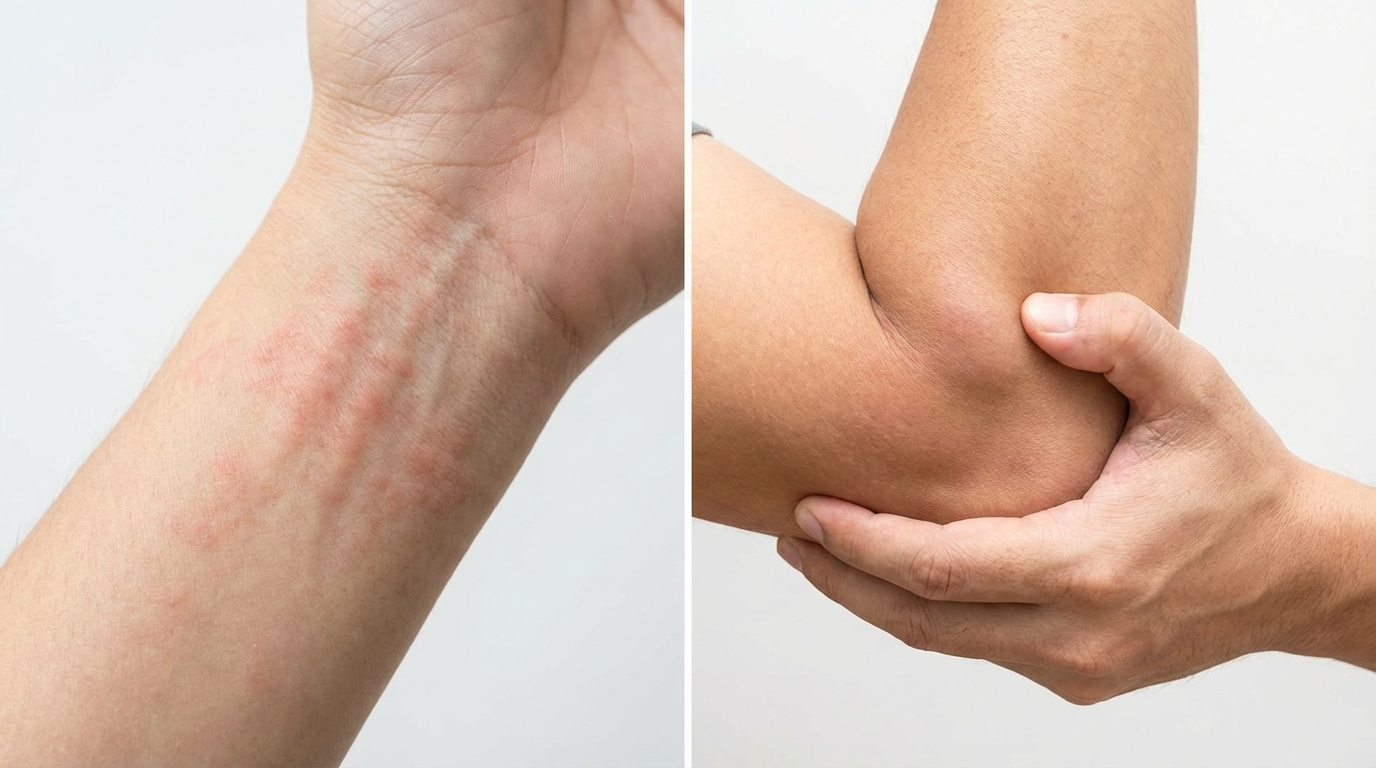
Хроническая красная волчанка против системной красной волчанки: ключевые различия, которые вам необходимо знать.
Один из наиболее распространенных вопросов — перерастет ли хроническая красная волчанка (ХКВ) в системную красную волчанку (СКВ). Вот что говорят последние исследования:
| Характеристика | Кожная красная волчанка (ККВ) | Системная красная волчанка (СКВ) |
|---|---|---|
| Основная цель | Только кожа | Множество органов (почки, суставы, мозг) |
| Риск системного вовлечения | Низкий уровень (прогресс до СКВ примерно от 5 до 10%) | Всегда присутствует |
| Распространенные симптомы | Сыпь, рубцы, выпадение волос | Усталость, боли в суставах, лихорадка, повреждение органов. |
| Диагноз | Биопсия кожи + клинический осмотр | Анализы крови (АНА, антитела к двуспиральной ДНК) + клинические критерии |
| Фокус лечения | Местные/противомалярийные препараты | Иммуносупрессанты, биологические препараты |
Хотя ХЛЭ в основном поражает кожу, регулярный мониторинг системных симптомов (например, боли в суставах, усталость) крайне важен. Раннее вмешательство может предотвратить прогрессирование заболевания.
Жизнь с ХЛЭ: Практические советы по ежедневному управлению
Лечение ХЛЭ выходит за рамки медикаментозной терапии. Следующие изменения образа жизни могут значительно уменьшить количество обострений:
- Защита от солнца: Использовать солнцезащитный крем широкого спектра действия SPF 50+ Ежедневно, даже в помещении (УФ-излучение А проникает через окна). Повторно наносите каждые 2 часа. Носите защитную одежду и широкополые шляпы.
- Управление стрессом: Для смягчения обострений, вызванных стрессом, практикуйте осознанность, йогу или терапию.
- Нежный уход за кожей: Избегайте агрессивных отшелушивающих средств и отдушек. Отдавайте предпочтение гипоаллергенным, некомедогенным продуктам.
- Диетическая поддержка: Противовоспалительные продукты (омега-3, куркума) могут дополнить лечение. Перед началом приема добавок проконсультируйтесь с дерматологом.
Для получения индивидуальных рекомендаций по уходу за кожей ознакомьтесь с нашим ассортиментом. дерматологический блог, где мы более подробно рассмотрим методики, удобные для использования в рамках программы CLE.
Когда следует обратиться к дерматологу: тревожные признаки, которые нельзя игнорировать.
Запишитесь на прием, если у вас наблюдаются следующие симптомы:
- Появление новых или усиление высыпаний, особенно на лице или коже головы.
- Повреждения, которые не заживают в течение 2–3 недель.
- Признаки инфекции (гной, сильная боль или отек).
- Системные симптомы, такие как лихорадка, усталость или боли в суставах (потенциальные предупреждающие признаки системной красной волчанки).
Своевременное вмешательство предотвращает осложнения. Если вы находитесь в Анталии, Свяжитесь с доктором Эбру Окьяй. для всесторонней оценки.
Заключение: Возьмите под контроль свой путь к получению сертификата о повышении квалификации юристов.
Кожная красная волчанка представляет собой уникальную проблему, но при наличии необходимых знаний и поддержки вы можете эффективно справляться с симптомами. Помните:
- Ранняя диагностика минимизирует образование рубцов и системные риски.
- Защита от солнца Это не подлежит обсуждению — воздействие УФ-излучения является триггером #1.
- Индивидуальный подход к лечению (Местные кортикостероиды, противомалярийные препараты) могут контролировать обострения и улучшать качество жизни.
- Регулярный мониторинг обеспечивает выявление любых системных нарушений на ранней стадии.
Вы не одиноки на этом пути. Благодаря достижениям в дерматологии и проактивному подходу, ХЛЭ можно успешно контролировать. Для получения дополнительной информации ознакомьтесь с нашими рекомендациями. экспертные ресурсы или записаться на консультацию сегодня.
Ключевые выводы
- Хроническая кожная красная волчанка в основном поражает кожу, но требует бдительности. риск системного поражения.
- Дискоидная красная волчанка (ДКВ) и подострая кожная красная волчанка (SCLE) являются наиболее распространенными подтипами.
- Светочувствительность является основным фактором, вызывающим проблему — расставьте приоритеты. защита от солнца.
- Противомалярийные препараты Такие препараты, как гидроксихлорохин, являются препаратами первой линии для лечения большинства случаев кожной красной волчанки.
- Раннее вмешательство предотвращает рубцовые поражения и улучшает долгосрочные результаты.
Следующие шаги
- Проконсультируйтесь с дерматологом. для составления индивидуального плана управления программой непрерывного медицинского образования.
- Придерживайтесь строгих мер защиты от солнца. для предотвращения вспышек.
- Следите за появлением системных симптомов. и незамедлительно сообщать об изменениях.
Часто задаваемые вопросы (FAQ)
Может ли кожная красная волчанка перерасти в системную красную волчанку?
Хотя кожная красная волчанка в основном поражает кожу, примерно в 5–101% случаев она может прогрессировать до системной красной волчанки (СКВ). Регулярное наблюдение помогает выявить ранние признаки системного поражения.
Какой солнцезащитный крем лучше всего подходит при КЛЕ?
Выбирайте солнцезащитные кремы широкого спектра действия с SPF 50+ и защитой от UVA/UVB-лучей. Физические блокаторы (оксид цинка, диоксид титана) идеально подходят для чувствительной кожи. Наносите повторно каждые 2 часа, даже в пасмурные дни.
Как мне понять, является ли моя сыпь кожной лейкемией или чем-то другим?
Сыпь при ХЛЭ часто бывает стойкой, шелушащейся и локализуется на участках кожи, подверженных воздействию солнца. Дерматолог может подтвердить диагноз с помощью биопсии кожи и клинического осмотра.
Существуют ли народные средства от кожной лейкемии?
Хотя никакие натуральные средства не заменят медикаментозное лечение, противовоспалительные диеты (богатые омега-3 жирными кислотами) и методы управления стрессом могут способствовать общему здоровью кожи. Всегда сначала консультируйтесь с дерматологом.
Для получения квалифицированной медицинской помощи в Анталии доверьтесь нам. Доктор Эбру Окьяй, Ведущий дерматолог, специализирующийся на аутоиммунных заболеваниях кожи. Независимо от того, лечите ли вы ХЛЭ или рассматриваете косметические процедуры, такие как... Ботокс или дермальные наполнители, Вас ждут персонализированные решения.

 Russian
  English
  German
  French
  Spanish
  Italian
  Arabic
  Turkish