
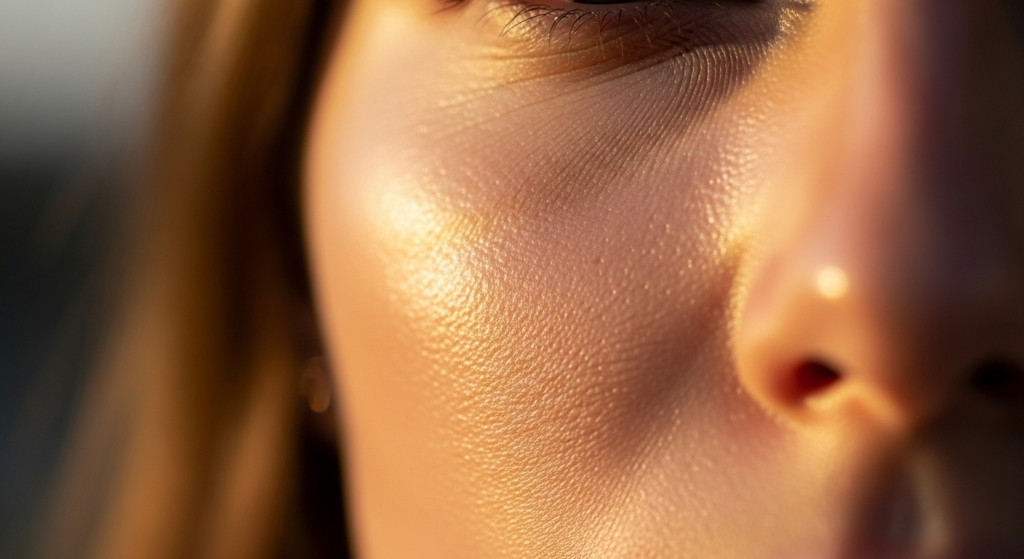
Rapid weight loss, often accelerated by modern pharmacological interventions like Ozempic, brings forth a unique aesthetic challenge: the phenomenon colloquially termed “Ozempic Face.” This swift reduction in subcutaneous fat can leave the facial skin appearing lax, hollowed, and significantly aged, often defying the rejuvenated feeling of weight loss. Restoring facial volume and elasticity requires a nuanced, multi-faceted medical approach.
By 2026, the convergence of advanced aesthetic technologies offers precise, non-surgical solutions to address this specific concern. Esteemed dermatologists and aesthetic physicians are now employing sophisticated, combined treatment protocols, notably Radiofrequency and Mesotherapy, to revitalize the skin’s architecture. This comprehensive guide unveils the forefront of medical solutions, ensuring a harmonious balance between your health achievements and aesthetic aspirations.
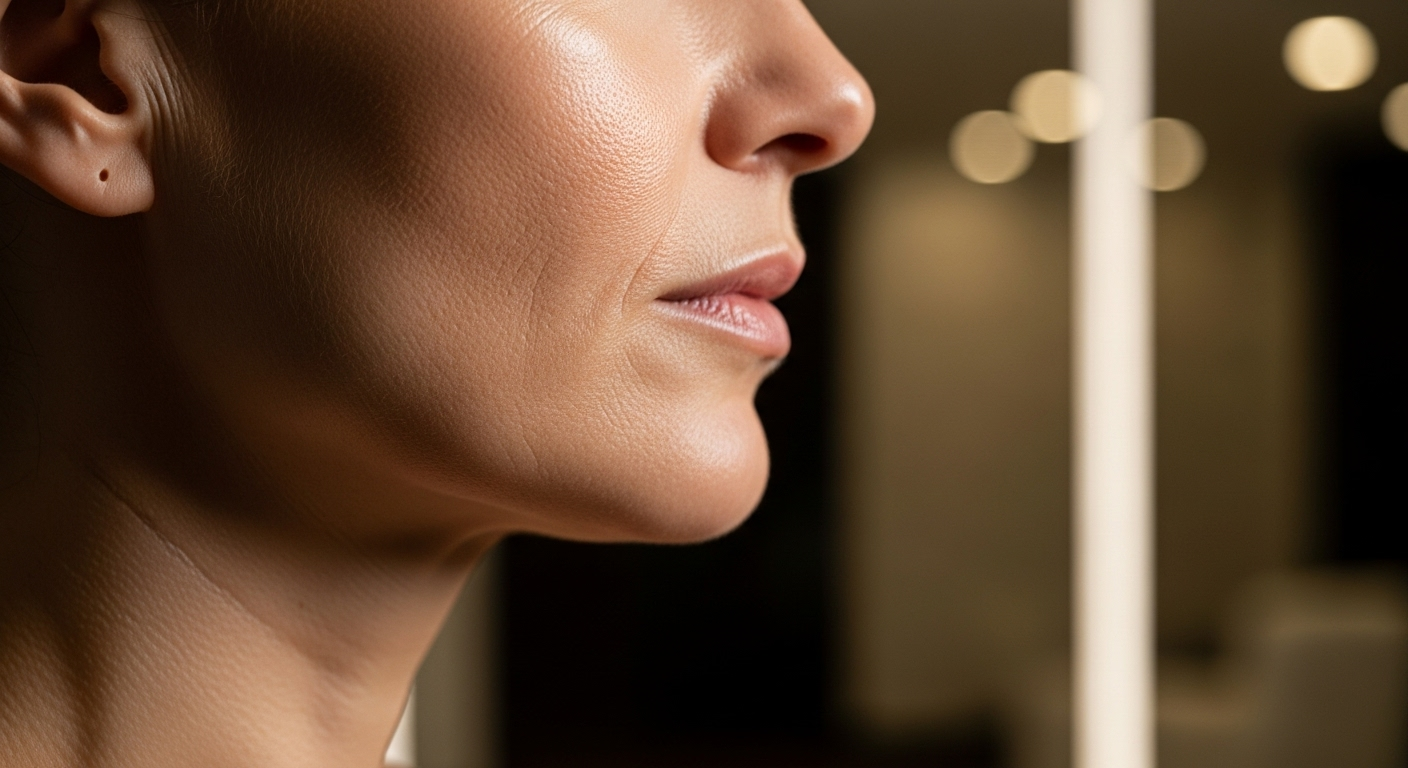
Understanding “Ozempic Face” and Rapid Weight Loss Impact
The journey of significant weight loss is undeniably transformative, promising enhanced health and vitality. However, when this transformation occurs rapidly, particularly with the aid of glucagon-like peptide-1 (GLP-1) receptor agonists such as Ozempic, the face often bears an unintended consequence. This accelerated fat loss, while beneficial for overall health, does not allow the skin ample time to adapt and retract. The result is a visibly deflated, often gaunt appearance, frequently accompanied by an exacerbation of wrinkles and folds.
The subcutaneous fat layer provides crucial structural support to the facial skin. Its sudden depletion removes this underlying scaffolding, causing the skin to lose its tautness and succumb to gravity. Areas such as the cheeks, temples, and periorbital region (around the eyes) are particularly susceptible to this volume depletion. This effect can paradoxically make individuals appear older and more fatigued, counteracting the positive psychological impact of their weight loss.
Furthermore, the integrity of the skin’s extracellular matrix plays a pivotal role in maintaining its youthful contour. Collagen and elastin, the primary structural proteins, are responsible for skin firmness and elasticity. When substantial weight is shed quickly, these fibers are subjected to rapid mechanical changes. Their innate ability to recoil and adapt to the new facial dimensions becomes compromised, leading to noticeable laxity.
The Science Behind Skin Sagging After Rapid Weight Loss
Our skin is a dynamic organ, capable of remarkable adaptation. Yet, its capacity has limits. Rapid alterations in underlying tissue volume challenge its inherent resilience. The primary culprits behind post-weight loss skin sagging are the changes to collagen and elastin.
This biological reality means that even individuals with excellent skin quality before weight loss may still experience some degree of facial sagging. The damage referred to is often not literal “damage” in a pathological sense, but rather an overstretching or cumulative fatigue of these fibers. Their diminished ability to spring back into place results in the characteristic loose, crepey texture seen on the face and neck.
Moreover, the supportive connective tissues that anchor the skin to deeper structures can also weaken or lose their efficiency. This allows for gravitational pull to exert a more pronounced effect, leading to jowls, nasolabial folds, and a less defined jawline. Addressing these complex changes demands a strategic, multi-modal treatment approach that not only tightens the existing skin but also stimulates its intrinsic regenerative capabilities.

2026’s Forefront: Combined Medical Protocols for Rejuvenation
In response to the growing prevalence of “Ozempic Face,” aesthetic medicine has rapidly evolved, offering sophisticated, non-invasive solutions. The year 2026 marks a significant advancement in integrated treatment protocols, moving beyond single-modality approaches to embrace synergistic combinations. These protocols are meticulously designed to counteract both volume depletion and skin laxity, delivering comprehensive facial rejuvenation.
The cornerstone of these advanced strategies often involves a powerful alliance between energy-based devices and targeted bio-stimulating injections. This combination ensures treatment at multiple depths within the skin, addressing both superficial texture and deeper structural support. The objective is not merely to “fill” or “tighten” but to encourage the skin’s natural repair mechanisms, promoting lasting improvements.
Personalization remains paramount. Each patient presents a unique facial anatomy, skin quality, and degree of sagging. Therefore, a thorough initial assessment by a board-certified dermatologist is indispensable. This diagnostic phase guides the selection and customization of the most appropriate combined protocol, ensuring optimal and natural-looking outcomes.
1. Radiofrequency: Revitalizing Skin from Within
Radiofrequency (RF) therapy stands as a powerful tool in non-surgical skin tightening. This technology operates by delivering controlled thermal energy deep into the dermis, the skin’s foundational layer. The heat generated causes existing collagen fibers to contract immediately, resulting in an instant, albeit subtle, tightening effect. More critically, this thermal stimulus triggers the body’s natural wound-healing response, initiating the production of new collagen and elastin.
The regenerative process unfolds over several weeks to months, gradually enhancing skin firmness and elasticity. RF treatments are celebrated for their ability to remodel the skin’s underlying architecture, leading to a smoother, more youthful contour. Modern RF devices incorporate advanced cooling mechanisms and precise energy delivery systems, ensuring patient comfort and safety while maximizing therapeutic efficacy.
Types of Radiofrequency Systems
- Monopolar RF: Delivers energy to deeper tissues, ideal for significant tightening and contouring.
- Bipolar RF: Targets more superficial layers, excellent for fine lines and skin texture improvement.
- Multipolar RF: Combines multiple electrodes for broader, more uniform heating across treatment areas.
- Fractional RF Microneedling: Integrates microneedling with RF energy, creating micro-channels that amplify collagen stimulation and drug delivery. This method is particularly effective for textural irregularities alongside laxity.
Choosing the appropriate RF technology depends on the individual’s specific needs and the extent of skin laxity. An experienced practitioner meticulously assesses these factors to determine the most effective modality or combination of RF techniques. Multiple treatment sessions are typically recommended to achieve optimal and enduring results, spaced several weeks apart to allow for proper tissue remodeling.
2. Mesotherapy: Targeted Nutrient Delivery for Volume and Glow
Mesotherapy involves the micro-injection of bespoke cocktails of vitamins, minerals, amino acids, hyaluronic acid, and other bio-active compounds directly into the mesoderm—the middle layer of the skin. This highly targeted delivery bypasses the superficial epidermal barrier, ensuring that therapeutic agents reach their intended targets with maximal efficacy. The aim is to nourish, hydrate, and stimulate the skin at a cellular level, restoring its innate vitality.
For individuals experiencing “Ozempic Face,” Mesotherapy offers a unique advantage. It can address superficial volume loss by hydrating the skin intensely with non-crosslinked hyaluronic acid. More importantly, the bio-stimulating ingredients within the mesotherapy cocktails actively encourage fibroblast activity, thereby promoting the production of new collagen and elastin. This helps to improve skin quality, texture, and elasticity from within.
Key Mesotherapy Ingredients and Their Benefits
- Hyaluronic Acid (Non-crosslinked): Provides deep hydration, plumping the skin and improving its turgor without adding significant structural volume like dermal fillers.
- Vitamins (e.g., C, E, A, B complex): Act as powerful antioxidants, protecting the skin from oxidative stress and supporting cellular repair and collagen synthesis.
- Amino Acids: Essential building blocks for collagen and elastin, facilitating the skin’s structural repair and regeneration.
- Minerals (e.g., Zinc, Copper): Cofactors for enzymatic reactions crucial to skin health and collagen formation.
- Peptides: Signal molecules that communicate with skin cells, encouraging them to produce more collagen, elastin, and hyaluronic acid.
A series of Mesotherapy sessions is typically recommended to achieve progressive and noticeable improvements. The treatment revitalizes dull, tired-looking skin, diminishes fine lines, and restores a healthy, radiant glow. It complements other treatments by optimizing the skin’s health and responsiveness. To delve deeper into this revitalizing procedure, explore our dedicated section on Mesotherapy.
3. The Synergy of Radiofrequency and Mesotherapy: A Powerful Combination
The true innovation in treating “Ozempic Face” lies in combining Radiofrequency and Mesotherapy. Individually potent, these treatments unlock remarkable synergy when utilized within a carefully orchestrated protocol. RF technology addresses the deep structural laxity by stimulating robust collagen and elastin regeneration. Simultaneously, Mesotherapy bathes the dermis in essential nutrients, optimizing the cellular environment for repair and replenishment.
Consider the process: RF energy initiates a controlled thermal injury, prompting the body to heal itself by producing new, stronger collagen. The subsequent Mesotherapy injections then deliver the precise building blocks—vitamins, amino acids, hyaluronic acid—that these newly activated fibroblasts require to efficiently synthesize high-quality collagen and elastin. This dual action is akin to preparing the ground (RF) and then fertilizing it with the best nutrients (Mesotherapy) for superior growth.
This combined approach yields a more comprehensive and enduring outcome than either treatment alone. RF tightens and lifts, while Mesotherapy enhances skin quality, hydration, and subtle volume. The results include improved facial contour definition, reduced fine lines and wrinkles, enhanced skin luminosity, and a noticeable increase in overall skin firmness. Patients observe a more refreshed, youthful appearance that harmonizes with their improved body contour following weight loss.
Complementary Treatments for Comprehensive Facial Rejuvenation
While Radiofrequency and Mesotherapy form a robust foundation for addressing “Ozempic Face,” a truly comprehensive rejuvenation strategy often incorporates additional complementary treatments. These modalities target specific concerns, allowing for a fully customized approach to restore facial harmony and youthfulness. Integrating these treatments ensures that every aspect of facial aging due to rapid weight loss is meticulously addressed.
4. Dermal Fillers: Restoring Lost Volume with Precision
One of the most immediate and impactful solutions for the hollowing and deflation characteristic of “Ozempic Face” involves the strategic placement of dermal fillers. These injectable gels, primarily composed of hyaluronic acid, are designed to restore lost volume in specific facial areas. By carefully augmenting regions such as the cheeks, temples, undereye troughs, and jawline, fillers can re-establish youthful contours and a smoother profile.
A skilled injector uses different filler consistencies and injection techniques to achieve natural-looking results, avoiding an overfilled appearance. The goal is to subtly lift and support the overlying skin, diminishing the appearance of sagging and recreating a more vibrant facial structure. Dermal fillers are temporary, typically lasting from 6 to 18 months, and require periodic maintenance for sustained effects. For comprehensive information on how these treatments can refine your facial aesthetics, visit our page on Dermal Fillers.
5. Neurotoxins (Botox): Smoothing Dynamic Lines for a Refreshed Look
Botulinum Toxin Type A, commonly known as Botox, addresses dynamic wrinkles—those formed by repetitive muscle movements. While not directly treating skin laxity, Botox plays a crucial role in overall facial rejuvenation. Rapid weight loss can sometimes make existing fine lines and wrinkles appear more prominent due to the reduction of underlying fat padding. Botox effectively relaxes the muscles responsible for expressions, softening lines on the forehead, between the eyebrows (glabellar lines), and around the eyes (crow’s feet).
By judiciously smoothing these dynamic lines, Botox contributes to a more rested and youthful facial appearance. It complements skin tightening treatments by improving the overall skin texture and reducing the visual impact of aging. The effects typically last three to four months, necessitating regular treatments to maintain the desired smoothness. To understand the full scope of benefits and applications, explore our detailed resource on Botox.
6. Platelet-Rich Plasma (PRP) Therapy: Harnessing Natural Healing
Platelet-Rich Plasma (PRP) therapy leverages the body’s own regenerative capabilities. A small sample of the patient’s blood is processed to concentrate platelets, which are rich in growth factors. This concentrated plasma is then reinjected into the skin, stimulating collagen production, improving skin texture, and promoting cellular renewal. PRP can enhance the skin’s overall health and resilience, making it a valuable adjunct to treatments for “Ozempic Face.”
PRP can be administered via direct injections or in conjunction with microneedling, allowing for deeper penetration of growth factors. It contributes to skin thickening, improved elasticity, and a reduction in the appearance of fine lines. While results are gradual, PRP offers a natural method to enhance skin vitality and support the effects of other aesthetic procedures.
7. Advanced Skincare Regimens: Sustaining Results Post-Procedure
No medical aesthetic procedure can completely replace the benefits of a diligently followed, professional-grade skincare regimen. Post-treatment maintenance is crucial for sustaining and enhancing the outcomes achieved through in-office procedures. A customized regimen, often including retinoids, peptides, antioxidants (like Vitamin C), and potent hydrators, actively supports skin health.
These medical-grade products help to continue the stimulation of collagen, protect against environmental damage, and maintain optimal skin hydration. Regular use of high-SPF sunscreen is also non-negotiable, safeguarding the skin from UV-induced degradation of collagen and elastin. A dermatologist designs a regimen tailored to individual skin type and concerns, extending the longevity of aesthetic improvements. For an in-depth understanding of how comprehensive care combats the signs of aging, refer to our section on Anti-Aging Solutions.
Crafting Your Personalized Treatment Journey: The Expert Approach
Addressing “Ozempic Face” demands more than a one-size-fits-all solution; it requires a meticulous, patient-centric approach. A highly skilled aesthetic physician acts as an architect, designing a bespoke treatment plan that harmonizes with your unique facial anatomy, skin characteristics, and aesthetic goals. This personalized journey begins with a comprehensive evaluation.
Initial Consultation and Comprehensive Assessment
Your initial consultation represents the cornerstone of your treatment success. During this crucial appointment, the specialist conducts a thorough facial analysis. This includes assessing skin elasticity, the degree of volume loss across different facial compartments, and the presence of fine lines or deep wrinkles. Your medical history, including your weight loss journey and any medications, is carefully reviewed. Transparent discussions about your expectations and desired outcomes are paramount, ensuring alignment between your vision and what is medically achievable.
Designing Your Bespoke Protocol
Following the assessment, a tailored treatment protocol is meticulously formulated. This protocol details the specific combination of procedures—Radiofrequency, Mesotherapy, Dermal Fillers, Neurotoxins, or PRP—along with the precise sequencing and number of sessions required. Emphasis is placed on gradual, natural-looking improvements rather than drastic changes. The objective is to restore youthful volume and firmness, enhancing your natural beauty while honoring your weight loss achievement.
Navigating Expectations: Results, Recovery, and Longevity
Embarking on any aesthetic treatment journey requires a clear understanding of what to expect regarding results, recovery, and the longevity of the improvements. For “Ozempic Face,” treatments are typically non-surgical, meaning downtime is minimal, but patience is key to appreciating the full benefits.
Results: Immediate effects from treatments like dermal fillers are visible, providing instant volume restoration. However, treatments stimulating collagen, such as Radiofrequency and Mesotherapy, yield gradual results. New collagen production takes several weeks to months, meaning the full tightening and skin quality improvements become evident over a period of 3-6 months. The outcome is a more youthful, firm, and radiant complexion, harmonizing with your body’s transformation.
Recovery: Most non-surgical treatments for “Ozempic Face” involve minimal discomfort and short recovery periods. You may experience some temporary redness, swelling, or mild bruising at injection sites, which typically resolves within a few days. Specific post-treatment care instructions are provided, designed to optimize healing and ensure safety. Most individuals can resume their regular activities almost immediately.
Longevity: The duration of results varies depending on the specific treatments employed and individual physiological factors. Dermal fillers last from 6 to 18 months, while neurotoxins generally require refreshment every 3-4 months. The collagen-stimulating effects of Radiofrequency and Mesotherapy can be long-lasting, but maintenance sessions are often recommended annually or bi-annually to sustain optimal skin health and prevent future laxity. Adhering to a robust medical-grade skincare regimen further prolongs the benefits.
Conclusion
The aesthetic challenge of “Ozempic Face” need not diminish the triumph of significant weight loss. By 2026, a sophisticated array of medical aesthetic solutions offers precise, effective remedies for facial volume loss and skin sagging. The combined power of advanced Radiofrequency and targeted Mesotherapy, bolstered by complementary treatments like dermal fillers and neurotoxins, provides a strategic pathway to restore facial youthfulness and harmony.
Key Takeaways
- “Ozempic Face” results from rapid fat loss causing skin laxity and volume depletion, often making individuals appear older.
- Advanced combined protocols, such as Radiofrequency and Mesotherapy, effectively address both skin tightening and revitalizing the dermis.
- Radiofrequency stimulates collagen and elastin production, leading to firmer, more elastic skin.
- Mesotherapy delivers a potent blend of nutrients directly into the skin, enhancing hydration, glow, and cellular regeneration.
- Complementary treatments like Dermal Fillers, Neurotoxins (Botox), and PRP therapy complete a holistic rejuvenation strategy.
- A personalized treatment plan, meticulously crafted by an expert, is essential for achieving natural and enduring results.
- Ongoing medical-grade skincare is crucial for maintaining and extending the benefits of in-office procedures.
Next Steps
Ready to rediscover a face that reflects your inner vitality? Consider these actions:
- Consult a board-certified dermatologist to assess your specific concerns and discuss suitable treatment options.
- Review before-and-after portfolios of clinics specializing in facial rejuvenation post-weight loss.
- Inquire about integrated treatment packages that combine energy-based therapies with bio-stimulating injections.
- Commit to a tailored skincare regimen to support and prolong your treatment results.
Frequently Asked Questions (FAQs)
How quickly can one see results from these combined treatments?
While some initial improvements in skin texture and firmness can be observed within a few weeks, the full benefits, driven by new collagen production, typically become visible over u003cstrongu003e3 to 6 monthsu003c/strongu003e. Dermal fillers provide immediate volume restoration.
Are these treatments suitable for all skin types?
Yes, most Radiofrequency and Mesotherapy protocols are u003cstrongu003esafe and effective for all skin types and tonesu003c/strongu003e. However, a detailed consultation is crucial to ensure suitability and customize parameters for optimal safety and efficacy.
How long do the results of combined treatments last?
The longevity varies. Dermal fillers last 6-18 months. Collagen stimulation from RF and Mesotherapy can yield u003cstrongu003elong-lasting improvements for several yearsu003c/strongu003e, especially with annual maintenance sessions and a consistent medical-grade skincare regimen.
Is there significant downtime associated with these procedures?
Generally, there is u003cstrongu003eminimal to no significant downtimeu003c/strongu003e. Patients may experience mild redness, swelling, or bruising for a few days, easily managed with simple care instructions. Most individuals can resume normal activities immediately.
Discover the expertise of Dr. Ebru Okyay, your trusted dermatologist in Antalya. Whether you’re looking to address medical skin concerns or enhance your natural beauty with cosmetic treatments, Dr. Okyay is here to help. With personalized care and advanced techniques, achieving your skin goals has never been easier.
 English
  German
  French
  Spanish
  Italian
  Russian
  Arabic
  Turkish