
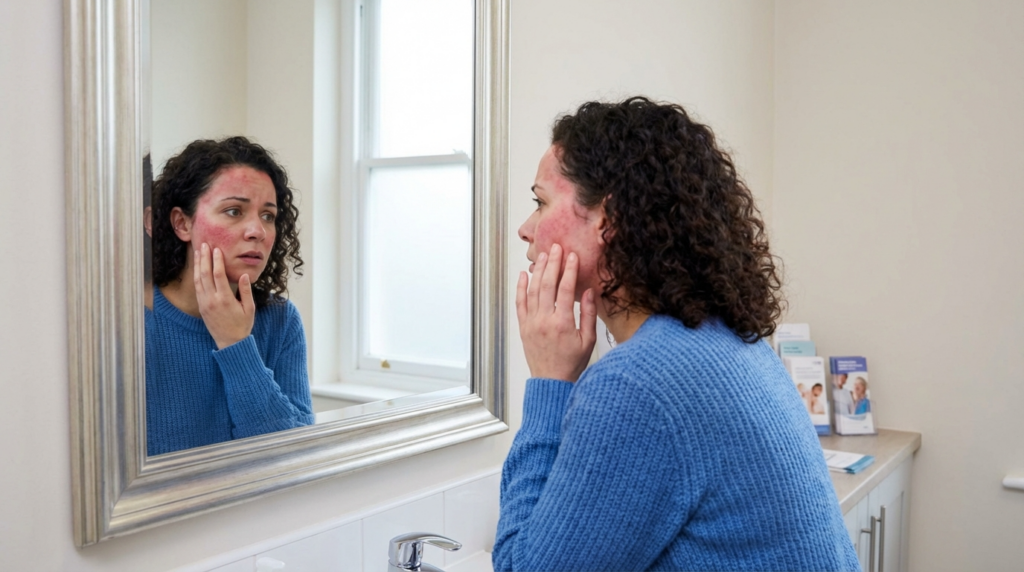
تخيّل أن تستيقظ لتجد طفحًا جلديًا مستمرًا على وجهك أو فروة رأسك، طفحًا يرفض الاختفاء رغم استخدام الكريمات والمراهم. بالنسبة للكثيرين، لا يُعد هذا مجرد تهيج عابر، بل هو العلامة الأولى لـ الذئبة الحمامية الجلدية (CLE), الذئبة الجلدية، وهي نوع من الذئبة يستهدف الجلد. على عكس الذئبة الجلدية الجهازية، غالبًا ما تتجنب الذئبة الجلدية الأعضاء الداخلية، لكنها تتطلب عناية فائقة. إذا تُركت دون علاج، فقد تؤدي إلى ندوب دائمة، وتساقط الشعر، بل وقد تُشير إلى خطر إصابة أعضاء أخرى في الجسم. الخبر السار؟ بالمعرفة والعلاج المناسبين، يمكنكِ استعادة السيطرة على بشرتكِ وثقتكِ بنفسكِ.
يُبسّط هذا الدليل الصادر عام 2026 المصطلحات الطبية المعقدة ليقدم... رؤى واضحة وقابلة للتنفيذ في التعليم المستمر - بدءًا من التعرف على عروضه المتنوعة (مثل الذئبة الحمامية القرصية أو الذئبة الجلدية تحت الحادة) لإتقان استراتيجيات الإدارة. سواء كنت قد شُخِّصت حديثًا أو تسعى إلى تحسين أسلوبك، فإن هذا الدليل يزودك بأحدث الخبرات في مجال الأمراض الجلدية.
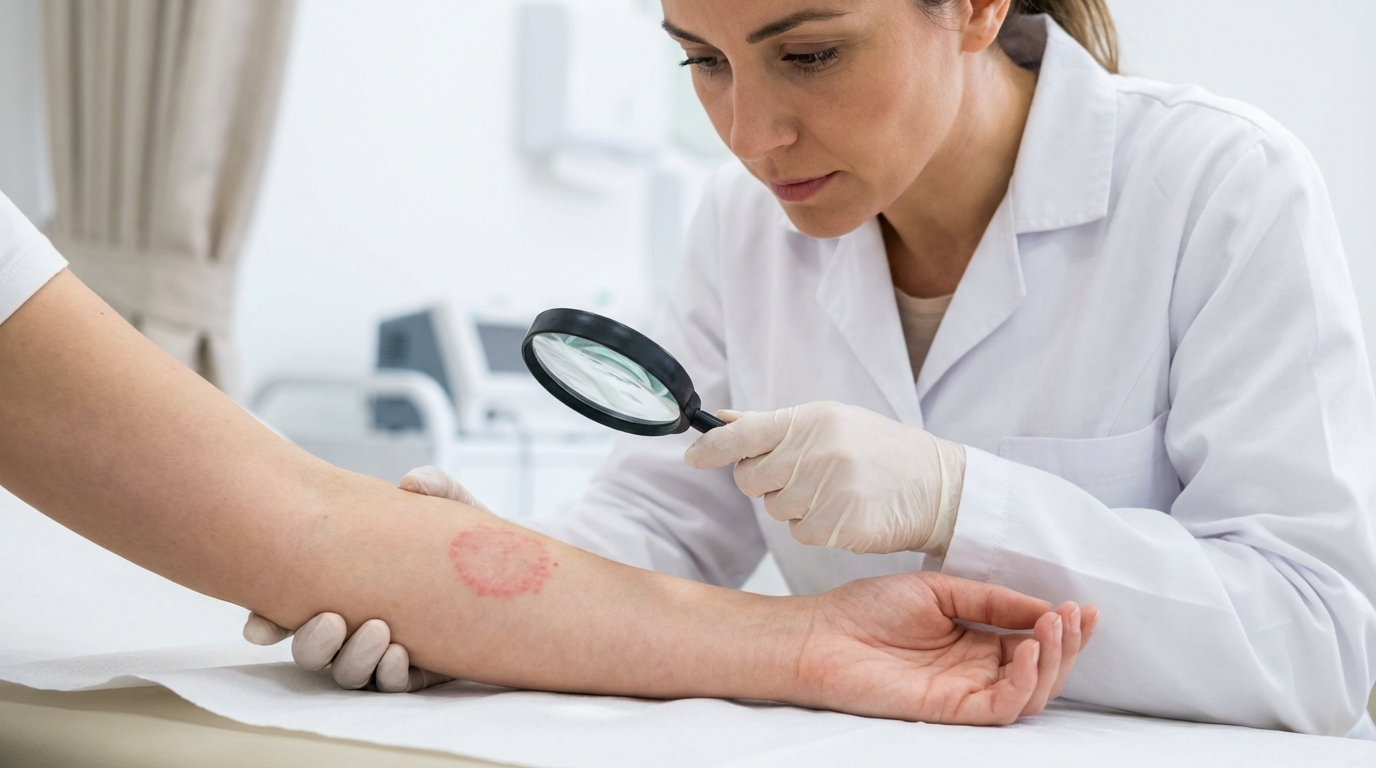
فهم مرض الذئبة الحمراء الجلدية: أكثر من مجرد طفح جلدي
الذئبة الحمامية الجلدية (CLE) هي حالة مناعية ذاتية يهاجم فيها الجهاز المناعي خلايا الجلد السليمة عن طريق الخطأ. وتظهر بأشكال مختلفة، لكل منها محفزات وأعراض فريدة:
- الذئبة الحمامية القرصية (DLE): النوع الأكثر شيوعاً، والذي يتميز بـ آفات ندبية تظهر هذه الآفات على الوجه أو فروة الرأس أو الأذنين. وغالبًا ما تترك علامات دائمة إذا لم يتم علاجها.
- الذئبة الجلدية تحت الحادة (SCLE): يظهر على شكل بقع حمراء متقشرة غير ندبية أو طفح جلدي حلقي الشكل، وغالبًا ما يكون سببه الحساسية للضوء.
- الذئبة الجلدية الحادة: يرتبط عادةً بمرض الذئبة الحمراء الجهازية، ويتضمن الأعراض الكلاسيكية طفح جلدي على الخدين (طفح جلدي يشبه الفراشة) على الخدين والأنف.
على الرغم من أن مرض الذئبة الحمامية الجلدية يؤثر بشكل أساسي على الجلد، فمن الضروري مراقبة ظهور علاماته. خطر التورط الجهازي. يمكن للتشخيص المبكر والعلاج المصمم خصيصًا أن يمنع المضاعفات ويحسن نوعية الحياة.
العوامل الثلاثة المسببة لمرض التهاب الجلد التماسي التحسسي: ضوء الشمس، والتوتر، وإصابات الجلد
ثلاثة عوامل رئيسية تُفاقم أعراض التهاب الجلد التماسي الضموري:
- حساسية للضوء: يُعد التعرض للأشعة فوق البنفسجية المحفز الرئيسي لتفاقم التهاب الجلد الذئبي. حتى التعرض لأشعة الشمس بشكل طفيف قد يُسبب طفحًا جلديًا أو يُفاقم الآفات الموجودة. الحماية من الشمس ليس اختيارياً، بل هو شريان حياة.
- الإجهاد: يؤدي الإجهاد العاطفي أو الجسدي إلى إضعاف تنظيم المناعة، مما يجعل الجلد أكثر عرضة لنوبات الذئبة الحمامية الجلدية.
- إصابات الجلد: يمكن أن تؤدي الجروح أو الحروق أو حتى العناية القاسية بالبشرة إلى ظهور ظاهرة كوبنر، حيث تتشكل آفات CLE في مواقع الإصابة.
إن فهم هذه المحفزات يمكّنك من اتخاذ خطوات استباقية. على سبيل المثال، دمج واقي شمس واسع الطيف إن إدخالها في روتينك اليومي لا يقتصر فقط على مكافحة الشيخوخة، بل هو استراتيجية حاسمة لإدارة مرض التهاب الجلد التماسي.
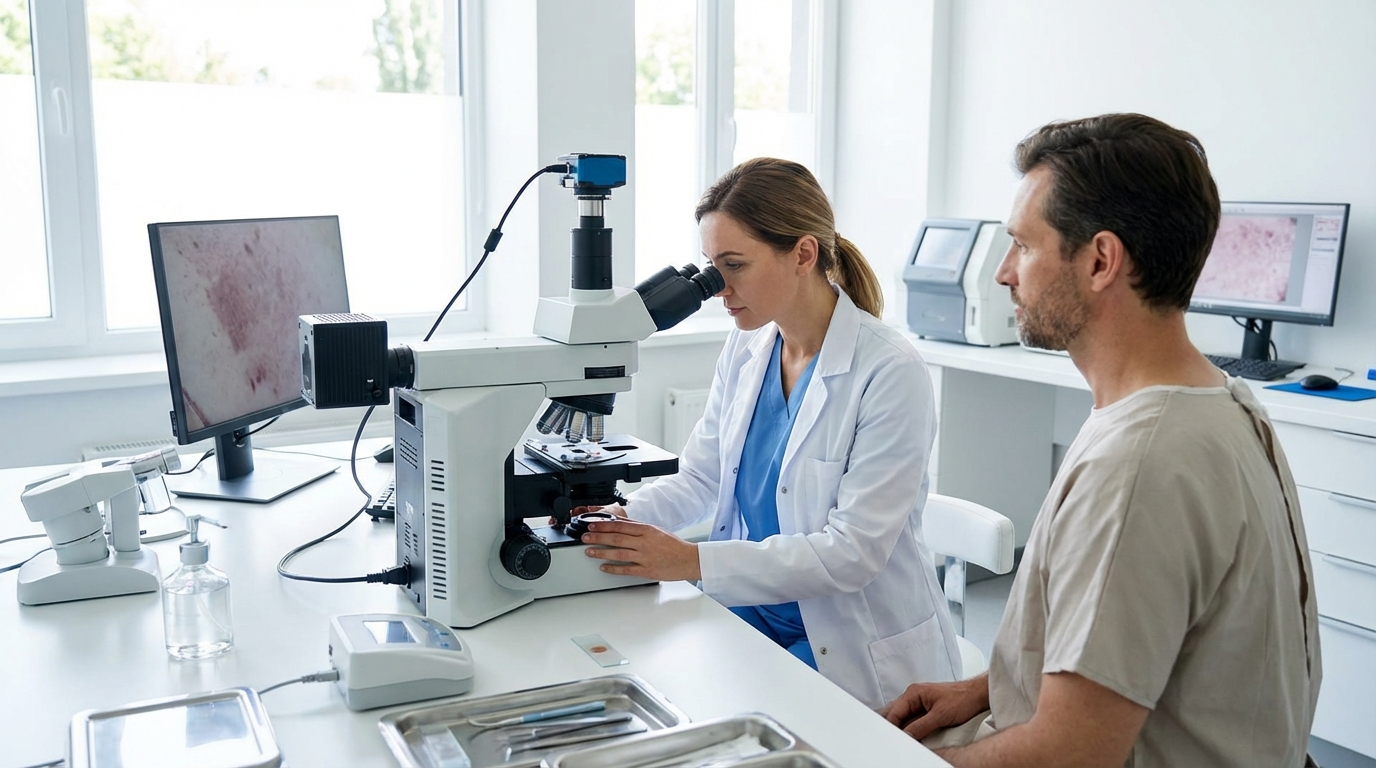
التشخيص: كيف يؤكد أطباء الجلد تشخيص الذئبة الحمامية الجلدية
يتطلب تشخيص التهاب القرنية الضموري اتباع نهج متعدد الخطوات:
- الفحص السريري: يقوم طبيب الأمراض الجلدية بتقييم موقع الطفح الجلدي وشكله واحتمالية حدوث ندبات. إصابة فروة الرأس, على سبيل المثال، غالباً ما يشير إلى DLE.
- خزعة الجلد: تؤكد عينة صغيرة من الأنسجة الإصابة بمرض الذئبة الحمامية الجلدية عن طريق الكشف عن نشاط الخلايا المناعية والتغيرات المجهرية الأخرى.
- فحوصات الدم: على الرغم من أنها ليست قاطعة لتشخيص الذئبة الحمامية الجلدية، إلا أن اختبارات مثل ANA أو الأجسام المضادة لـ Ro/SSA تساعد في استبعاد الذئبة الجهازية.
التشخيص المبكر هو المفتاح. إذا لاحظت طفحًا جلديًا مستمرًا، خاصة في المناطق المعرضة للشمس، فاستشر طبيبًا. طبيب امراض جلدية على الفور. تأخير العلاج يزيد من خطر حدوث ندبات دائمة.
العلاج المصمم خصيصاً: من الحلول الموضعية إلى الدعم الجهازي
يركز علاج CLE على السيطرة على الأعراض، ومنع تفاقم الحالة، وتقليل الندوب. يعتمد النهج على شدة ونوع التهاب القرنية اللمفاوي المزمن:
خط الدفاع الأول: العلاجات الموضعية
- الكورتيكوستيرويدات الموضعية: تعمل الكريمات أو المراهم عالية الفعالية على تقليل الالتهاب وتسريع الشفاء. وهي مثالية لحالات الذئبة الحمامية القرصية الخفيفة إلى المتوسطة.
- مثبطات الكالسينيورين: الخيارات غير الستيرويدية مثل تاكروليموس أو بيميكروليموس للمناطق الحساسة (مثل الوجه).
- الرتينويدات: يساعد في إدارة فرط التقرن (تسمك الجلد) في آفات الذئبة الحمامية القرصية المزمنة.
حلول جهازية لعلاج الذئبة الحمامية الجلدية الشديدة أو المقاومة
- الأدوية المضادة للملاريا: يُعدّ هيدروكسي كلوروكين المعيار الذهبي لعلاج التهاب الجلد التماسي المزمن، حيث يقلل من حدة التوهجات بنسبة تصل إلى 70%. كما أنه يوفر الحماية من الشمس فوائد.
- الكورتيكوستيرويدات القشرية الفموية: يُستخدم على المدى القصير لعلاج النوبات الحادة، لكن الاعتماد عليه على المدى الطويل ينطوي على مخاطر الآثار الجانبية.
- مثبطات المناعة: الميثوتريكسات أو ميكوفينولات موفيتيل للحالات المستعصية.
سيقوم طبيب الأمراض الجلدية بتخصيص العلاج بناءً على نوع الذئبة الحمامية الجلدية لديك، وشدة الأعراض، وتاريخك الطبي. على سبيل المثال،, إصابة فروة الرأس قد يتطلب علاج الذئبة الحمامية القرصية علاجًا مكثفًا لمنع تساقط الشعر الدائم.
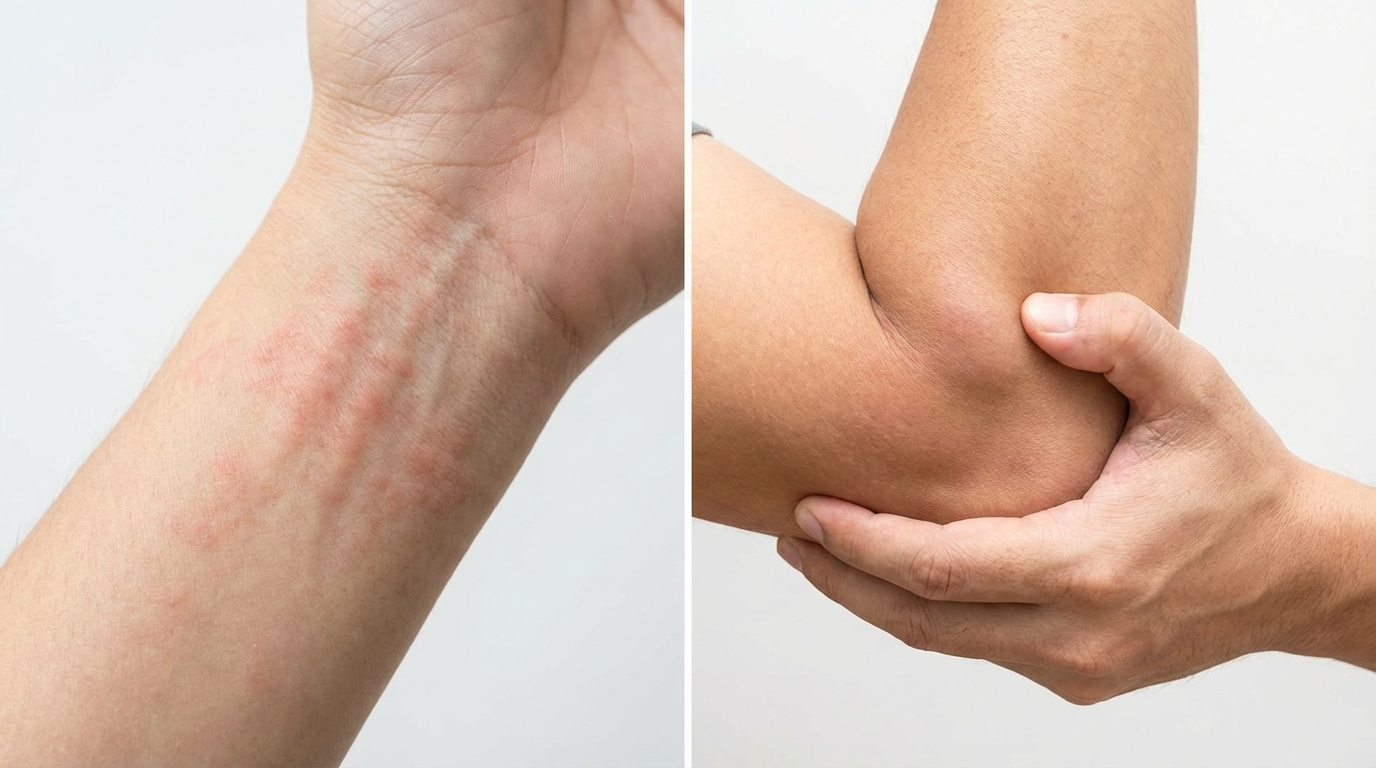
الذئبة الحمامية الجلدية مقابل الذئبة الجهازية: الاختلافات الرئيسية التي يجب معرفتها
من أكثر المخاوف شيوعاً هو ما إذا كان مرض الذئبة الحمراء الجلدية (CLE) سيتطور إلى مرض الذئبة الحمراء الجهازية (SLE). إليكم ما توصلت إليه أحدث الأبحاث:
| الميزة | الذئبة الجلدية (CLE) | الذئبة الحمامية الجهازية (SLE) |
|---|---|---|
| الهدف الرئيسي | الجلد فقط | أعضاء متعددة (الكليتان، المفاصل، الدماغ) |
| مخاطر التورط النظامي | منخفض (~5–10% يتطور إلى مرض الذئبة الحمراء الجهازية) | حاضر دائمًا |
| الأعراض الشائعة | طفح جلدي، ندوب، تساقط الشعر | التعب، وآلام المفاصل، والحمى، وتلف الأعضاء |
| التشخيص | خزعة جلدية + فحص سريري | فحوصات الدم (ANA، الأجسام المضادة لـ dsDNA) + المعايير السريرية |
| محور العلاج | مضادات الملاريا الموضعية | مثبطات المناعة، العلاجات البيولوجية |
على الرغم من أن الذئبة الحمامية الجلدية تؤثر بشكل أساسي على الجلد، إلا أن المراقبة المنتظمة للأعراض الجهازية (مثل آلام المفاصل والإرهاق) ضرورية. التدخل المبكر يمكن أن يمنع تفاقم الحالة.
التعايش مع التهاب الشفة الضموري المزمن: نصائح عملية للإدارة اليومية
لا يقتصر علاج الذئبة الحمامية الجلدية على الأدوية فقط، بل يمكن لهذه التعديلات في نمط الحياة أن تقلل بشكل كبير من حدة النوبات:
- الحماية من الشمس: يستخدم واقي شمس واسع الطيف بعامل حماية من الشمس 50+ يومياً، حتى في الأماكن المغلقة (لأن الأشعة فوق البنفسجية تخترق النوافذ). أعد وضعه كل ساعتين. ارتدِ ملابس واقية وقبعات واسعة الحواف.
- إدارة الإجهاد: مارس التأمل الذهني أو اليوغا أو العلاج النفسي للتخفيف من حدة النوبات الناتجة عن التوتر.
- عناية لطيفة للبشرة: تجنبي المقشرات القاسية أو العطور. اختاري منتجات مضادة للحساسية وغير مسببة للرؤوس السوداء.
- الدعم الغذائي: قد تُكمّل الأطعمة المضادة للالتهابات (مثل أوميغا 3 والكركم) العلاج. استشر طبيب الأمراض الجلدية قبل البدء بتناول المكملات الغذائية.
للحصول على توصيات مخصصة للعناية بالبشرة، استكشف مجموعتنا مدونة طب الأمراض الجلدية, ، حيث نتعمق أكثر في الروتينات الملائمة للتعليم المستمر.
متى يجب زيارة طبيب الأمراض الجلدية: علامات تحذيرية لا ينبغي تجاهلها
حدد موعدًا إذا كنت تعاني مما يلي:
- ظهور طفح جلدي جديد أو تفاقم الطفح الموجود، خاصة على الوجه أو فروة الرأس.
- الآفات التي لا تلتئم في غضون أسبوعين إلى ثلاثة أسابيع.
- علامات العدوى (الصديد، أو الألم المفرط، أو التورم).
- أعراض جهازية مثل الحمى أو التعب أو آلام المفاصل (علامات تحذيرية محتملة لمرض الذئبة الحمراء).
التدخل المبكر يمنع حدوث المضاعفات. إذا كنت في أنطاليا،, للتواصل مع الدكتورة إبرو أوكياي لإجراء تقييم شامل.
الخلاصة: التحكم في رحلتك في التعليم القانوني المستمر
يُمثل مرض الذئبة الحمراء الجلدية تحديات فريدة، ولكن بالمعرفة والدعم المناسبين، يُمكنك السيطرة على الأعراض بفعالية. تذكر:
- التشخيص المبكر يقلل من التندب والمخاطر الجهازية.
- الحماية من الشمس لا مجال للتفاوض - التعرض للأشعة فوق البنفسجية هو المحفز #1.
- علاج مصمم خصيصاً يمكن أن تتحكم (الكورتيكوستيرويدات الموضعية، ومضادات الملاريا) في نوبات المرض وتحسن نوعية الحياة.
- المراقبة المنتظمة يضمن ذلك الكشف المبكر عن أي تورط منهجي.
لست وحدك في هذه الرحلة. مع التطورات في طب الأمراض الجلدية والنهج الاستباقي، يمكن إدارة الذئبة الحمامية الجلدية بنجاح. لمزيد من الإرشادات، استكشف موقعنا الإلكتروني. موارد الخبراء أو حدد موعدًا للاستشارة اليوم.
النقاط الرئيسية
- يؤثر مرض الذئبة الحمامية الجلدية بشكل أساسي على الجلد، ولكنه يتطلب اليقظة من أجل خطر التورط الجهازي.
- الذئبة الحمامية القرصية (DLE) و الذئبة الجلدية تحت الحادة (SCLE) وهي أكثر الأنواع الفرعية شيوعاً.
- الحساسية الضوئية هو المحفز الرئيسي - أعطِ الأولوية الحماية من الشمس.
- أدوية مضادة للملاريا تعتبر الأدوية مثل هيدروكسي كلوروكين من العلاجات الخط الأول لمعظم حالات الذئبة الحمامية الجلدية.
- التدخل المبكر يمنع آفات ندبية ويحسن النتائج على المدى الطويل.
الخطوات التالية
- استشر طبيب أمراض جلدية للحصول على خطة إدارة مخصصة للتعليم القانوني المستمر.
- اتبعي إجراءات صارمة للحماية من الشمس لمنع التوهجات.
- مراقبة الأعراض الجهازية والإبلاغ عن التغييرات فوراً.
الأسئلة الشائعة
هل يمكن أن يتحول الذئبة الحمامية الجلدية إلى ذئبة حمامية جهازية؟
على الرغم من أن الذئبة الحمامية الجلدية تؤثر بشكل أساسي على الجلد، إلا أن حوالي 5-10% من الحالات قد تتطور إلى الذئبة الحمامية الجهازية. ويساعد الرصد المنتظم على اكتشاف العلامات المبكرة للإصابة الجهازية.
ما هو أفضل واقي شمسي لمدينة كليفلاند؟
اختاري واقيات الشمس واسعة الطيف بعامل حماية 50+ مع حماية من الأشعة فوق البنفسجية بنوعيها UVA وUVB. تُعدّ الحواجز الفيزيائية (مثل أكسيد الزنك وثاني أكسيد التيتانيوم) مثالية للبشرة الحساسة. أعيدي وضع الواقي كل ساعتين، حتى في الأيام الغائمة.
كيف أعرف ما إذا كان الطفح الجلدي الذي أعاني منه هو مرض الذئبة الحمراء الجلدية أم شيء آخر؟
غالباً ما تكون طفح الجلد الناتج عن الذئبة الحمامية الجلدية مستمراً ومتقشراً، ويظهر في المناطق المعرضة للشمس. ويمكن لطبيب الجلدية تأكيد التشخيص عن طريق خزعة الجلد والفحص السريري.
هل توجد علاجات طبيعية لمرض الذئبة الحمامية الجلدية؟
مع أن العلاج الطبيعي لا يغني عن العلاج الطبي، إلا أن اتباع نظام غذائي مضاد للالتهابات (غني بأحماض أوميغا-3 الدهنية) وتقنيات إدارة التوتر قد تدعم صحة الجلد بشكل عام. استشر طبيب الجلدية أولاً.
للحصول على رعاية طبية متخصصة في أنطاليا، ثق الدكتورة إبرو أوكياي, طبيب أمراض جلدية رائد متخصص في أمراض المناعة الذاتية الجلدية. سواء كنتِ تعانين من الذئبة الحمامية الجلدية أو تبحثين عن علاجات تجميلية مثل البوتوكس أو حشوات الجلد, حلول شخصية بانتظاركم.

 Arabic
  English
  German
  French
  Spanish
  Italian
  Russian
  Turkish