
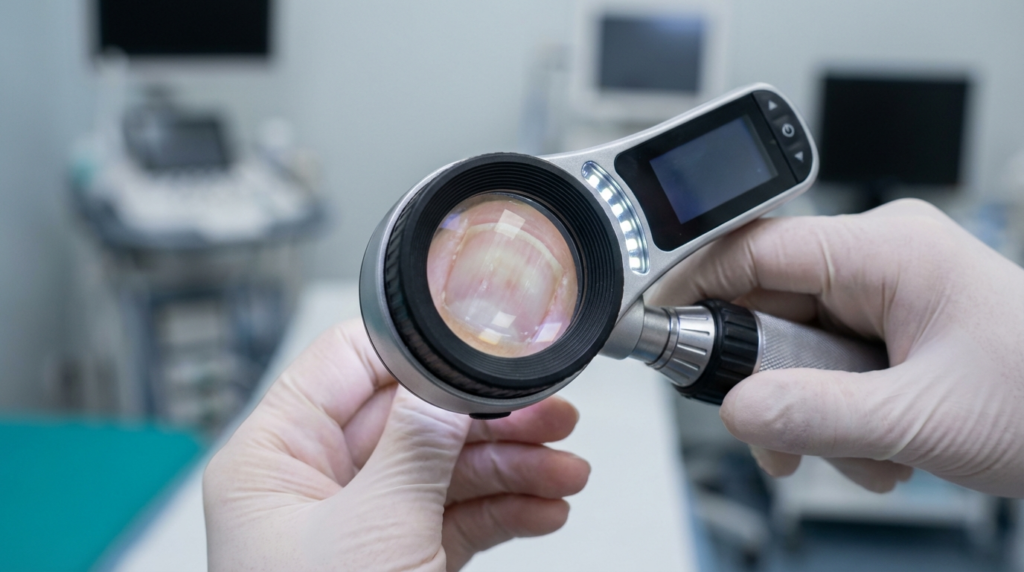
تُعدّ الأظافر، التي غالباً ما يتم تجاهلها، مؤشرات حيوية لصحتنا العامة. فالتغيرات الطفيفة في مظهرها - من حيث اللون أو الملمس أو النمو - غالباً ما تُشير إلى أمراض جهازية كامنة أو اضطرابات محددة في الأظافر. وتجاهل هذه العلامات يُعرّض التشخيصات الحاسمة للتأخير.
يُعدّ فهم متى يستدعي تغير شكل الظفر عناية طبية متخصصة أمراً بالغ الأهمية. طبيب امراض جلدية, يتمتع هذا الطبيب المتخصص في الجلد والشعر والأظافر بالخبرة اللازمة لتشخيص هذه الحالات وعلاجها بدقة. يُسلط هذا الدليل الضوء على العلامات الهامة التي تستدعي تقييمًا من قبل أخصائي.
صحة الأظافر: نافذة على صحتك الداخلية
لا تعكس حالة أظافرك مجرد مظهرها الجمالي فحسب، بل تقدم رؤى عميقة حول الحالة الصحية الداخلية لجسمك. فنقص التغذية والالتهابات، وحتى الأمراض المزمنة الخطيرة، تظهر من خلال أعراض مميزة في الأظافر. والتشخيص المبكر يُمكّن من التدخل في الوقت المناسب.
يتجاوز الفحص الشامل الذي يجريه طبيب الجلدية صفيحة الظفر، ليشمل تقييم سرير الظفر، وجذره، والجلد المحيط به. يضمن هذا النهج الشامل تحديدًا دقيقًا للسبب الجذري، سواء أكانت مشكلة موضعية أم عرضًا لمشكلة صحية أوسع. لمزيد من المعلومات حول العناية بالجلد، تفضل بزيارة موقعنا الإلكتروني. مدونة.
لماذا تتطلب تغييرات الأظافر فحصًا دقيقًا من قبل الخبراء؟
يتجاهل الكثيرون تغيرات الأظافر باعتبارها عيوبًا تجميلية بسيطة. مع ذلك، غالبًا ما تمثل هذه التغيرات التي تبدو غير مهمة أولى العلامات الظاهرة لحالات تتراوح بين التهابات فطرية حميدة واضطرابات مناعية ذاتية حادة. ويمنع الفحص الدقيق من قبل المختصين التشخيص الخاطئ.
لا يستطيع تمييز الفروق الدقيقة بين الكدمة غير الضارة والورم الميلانيني تحت الظفر إلا خبيرٌ مُدرَّب. هذه الدقة في التشخيص ضرورية للعلاج الفعال، وفي بعض الحالات، للتدخلات المنقذة للحياة. لا تُقلِّل أبدًا من شأن فحص الظفر في التشخيص.
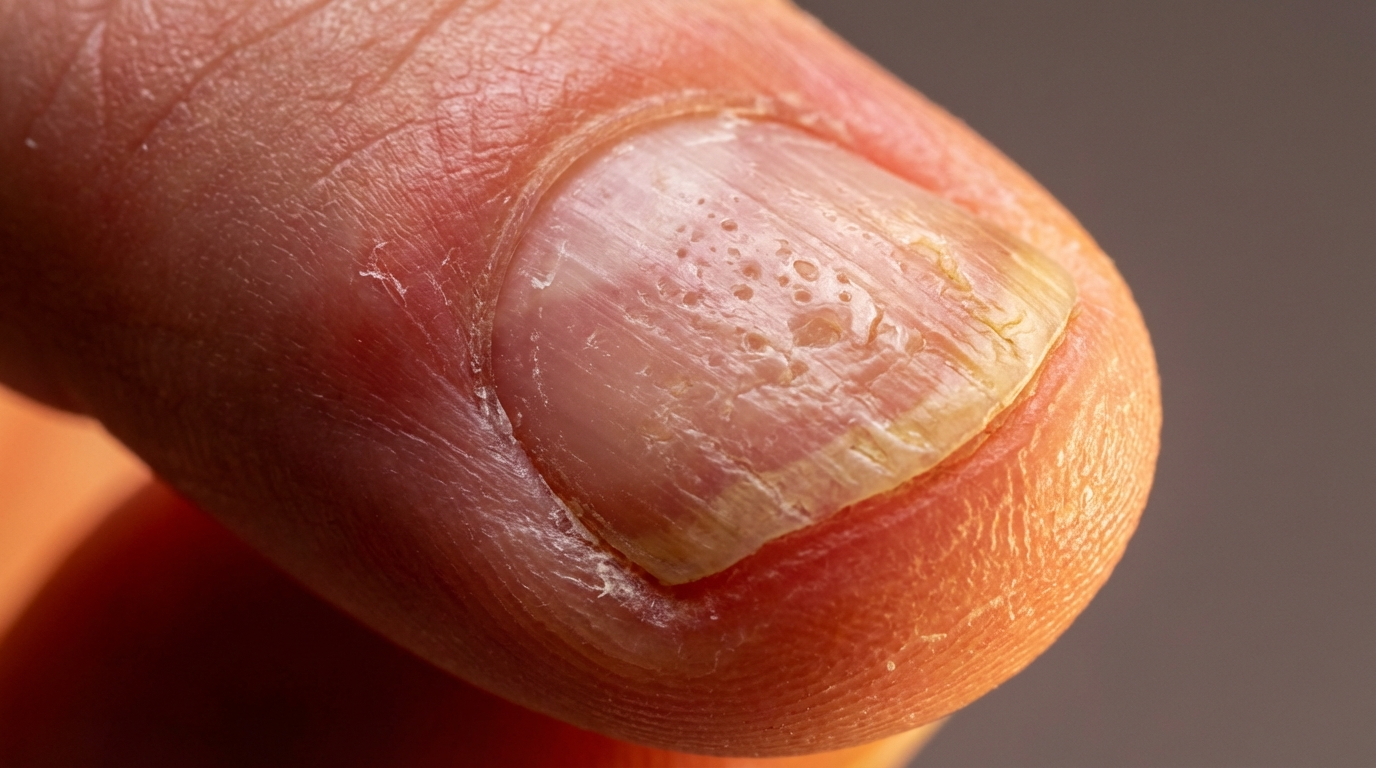
7 تغيرات خطيرة في الأظافر تتطلب تقييم طبيب الأمراض الجلدية
تستدعي بعض أعراض الأظافر استشارة الطبيب المختص بشكل قاطع. غالباً ما تشير هذه العلامات إلى حالات تتجاوز العلاجات المنزلية البسيطة، مما يستلزم تشخيصاً طبياً دقيقاً ووضع خطط علاجية مصممة خصيصاً لكل حالة. لذا، احرص على التعرف على هذه العلامات فوراً.
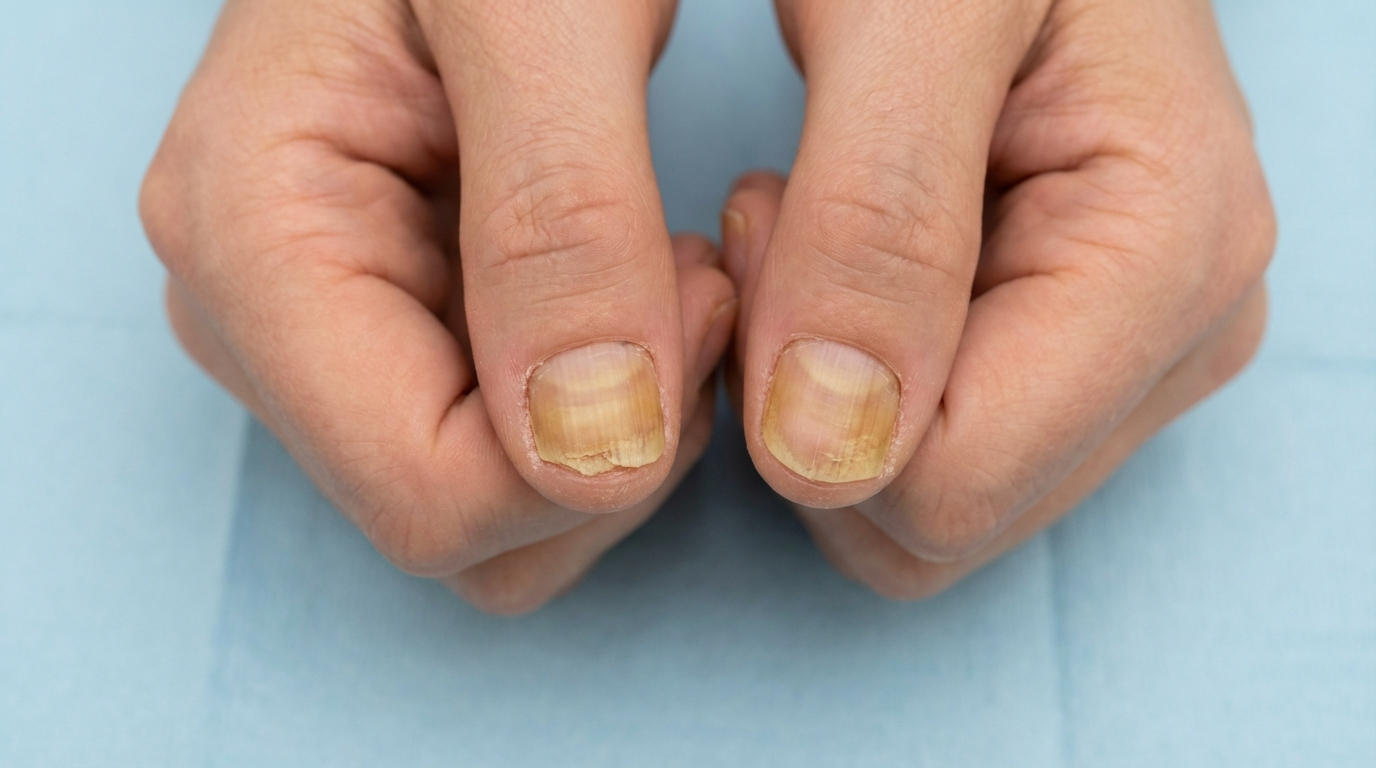
- تغير مستمر في اللون: تشير الأظافر الصفراء أو الخضراء أو البنية أو السوداء، وخاصة إذا كانت تنتشر، إلى الإصابة بالعدوى الفطرية (فطريات الأظافر) أو، في حالات نادرة، إلى الإصابة بسرطان الجلد.
- التكاثف أو التفتت: غالباً ما تشير الأظافر التي تصبح سميكة بشكل غير عادي، أو هشة، أو تتفتت عند الحواف إلى الإصابة بالعدوى الفطرية، أو الصدفية، أو غيرها من الحالات الالتهابية.
- انفصال الظفر عن فراش الظفر (انحلال الظفر): عندما تنفصل صفيحة الظفر عن فراش الظفر، فقد يكون ذلك نتيجة إصابة أو عدوى أو صدفية أو مرض الغدة الدرقية.
- حفر أو نتوءات: قد تشير الانخفاضات الصغيرة (التنقر) أو الحواف الأفقية/الرأسية إلى الصدفية أو الأكزيما أو حتى نقص الحديد.
- تورم أو احمرار أو ألم حول الظفر: تشير هذه الأعراض إلى التهاب حول الظفر (عدوى طية الظفر)، أو الأظافر الناشبة، أو عمليات التهابية أخرى.
- خطوط أو بقع داكنة (ميلانونيشيا): تستدعي الخطوط الداكنة الجديدة أو المتغيرة تحت الظفر تقييمًا فوريًا، لأنها قد تكون علامة على الإصابة بسرطان الجلد تحت الظفر، وهو سرطان جلدي خطير.
- السهر في النوادي الليلية: قد يشير انحناء الأظافر حول أطراف الأصابع، والذي غالباً ما يكون مصحوباً بتورم، إلى أمراض الرئة أو أمراض القلب أو أمراض الأمعاء الالتهابية.
لكلٍّ من هذه التغييرات آثارٌ بالغة الأهمية على صحتك. يقوم طبيب الجلدية بتفسير هذه العلامات بدقة، ويرشدك إلى الرعاية الطبية المناسبة. لا تتأخر في طلب المشورة الطبية.

ما وراء الفطريات: الأمراض الجهازية التي تنعكس على أظافرك
لا تقتصر التغيرات التي تطرأ على الأظافر على الالتهابات الموضعية فحسب، بل غالباً ما تكون بمثابة إشارات إنذار مبكرة لحالات مرضية جهازية تؤثر على مختلف أجهزة الجسم. ويُعدّ إدراك هذه الروابط تخصصاً من تخصصات أطباء الجلدية.
فعلى سبيل المثال، غالباً ما تشير الأظافر المقعرة (قعر الأظافر) إلى فقر الدم الناتج عن نقص الحديد. وترتبط متلازمة الأظافر الصفراء، التي تتميز بنمو بطيء وأظافر سميكة ومتغيرة اللون، بأمراض الجهاز التنفسي أو الوذمة اللمفية. وتؤكد هذه الروابط المعقدة أهمية التقييم الطبي المتخصص.
الروابط الجهازية الشائعة لأعراض الأظافر
- اضطرابات الغدة الدرقية: غالباً ما يصاحب فرط نشاط الغدة الدرقية أو قصورها هشاشة الأظافر، أو انفصال الظفر، أو بطء نموها.
- داء السكري: تُعد الأظافر الصفراء السميكة أو زيادة القابلية للإصابة بالعدوى الفطرية من الأعراض الشائعة لدى مرضى السكري.
- مرض كلوي: تشير الأظافر ذات اللونين (أظافر ليندسي)، حيث يكون الجزء القريب من الظفر أبيض والجزء البعيد أحمر/بني، إلى الفشل الكلوي المزمن.
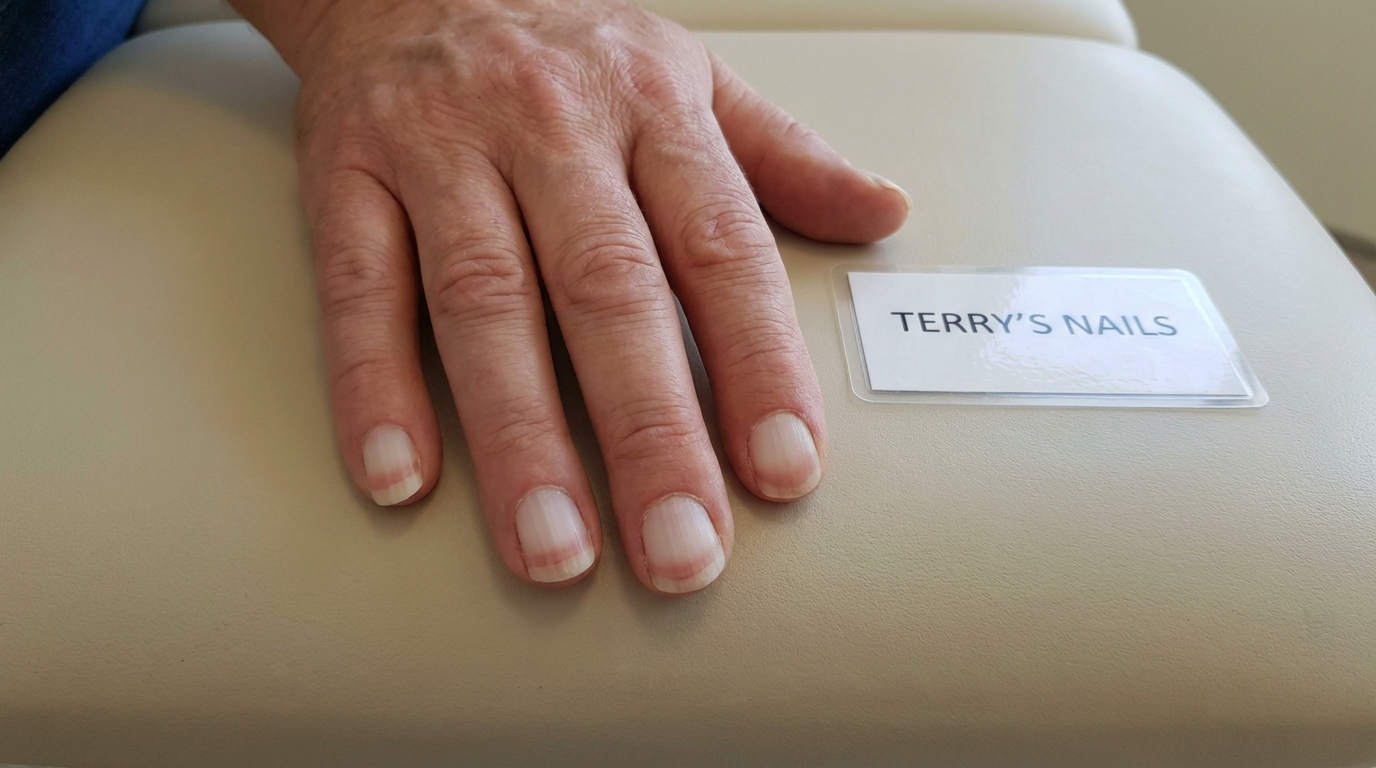
- أمراض الكبد: تظهر أظافر تيري، التي تتميز بأظافر بيضاء معتمة مع شريط وردي ضيق عند الطرف، بشكل متكرر لدى الأفراد المصابين بتليف الكبد.
- أمراض القلب: كما ذكرنا، يمكن أن يكون تضخم أطراف الأظافر علامة على مشاكل قلبية وعائية مختلفة.
تُبرز هذه الأمثلة الدور المحوري الذي تلعبه الأظافر في التشخيص الطبي. فقدرة طبيب الجلدية على تفسير هذه الإشارات الدقيقة تُعدّ بالغة الأهمية للكشف المبكر عن المشاكل الصحية الخطيرة وإدارتها. لذا، فإن صحة أظافرك تستحق هذا الاهتمام المتخصص.
دور طبيب الأمراض الجلدية في تشخيص وعلاج اضطرابات الأظافر
عند ظهور أي تغيرات في الأظافر، يقدم طبيب الجلدية خبرة لا مثيل لها. فهو يستخدم مجموعة من أدوات التشخيص وطرائق العلاج، مما يضمن رعاية دقيقة. غالباً ما يؤدي التشخيص الذاتي أو تأخير العلاج إلى تفاقم الحالة.
بدءًا من الفحص المجهري لقصاصات الأظافر لتحديد الفطريات، وصولًا إلى أخذ خزعة من الظفر في حال وجود آفات مشبوهة، يتميز نهجهم بالشمولية والدقة. تُصمم خطط العلاج خصيصًا لكل مريض، مع مراعاة أعراض الظفر وأي سبب جهازي كامن. ثقوا بخبرتهم المتخصصة.
أساليب التشخيص والعلاج
- الفحص السريري: فحص بصري مفصل للأظافر والجلد والتاريخ الطبي.
- علم الفطريات (زراعة الفطريات): تحليل عينات الأظافر في المختبر لتحديد مسببات الأمراض الفطرية المحددة.
- خزعة الظفر: عينة نسيجية صغيرة مأخوذة للفحص النسيجي، وخاصة في حالات الاشتباه بالأورام أو الحالات الالتهابية.
- الأدوية الموضعية والفموية: وصف الأدوية المضادة للفطريات، أو المضادة للالتهابات، أو غيرها من الأدوية الموجهة.
- العلاج بالليزر: بالنسبة لبعض أنواع العدوى الفطرية، توفر علاجات الليزر بديلاً فعالاً.
يضمن فهم طبيب الجلدية الشامل لتشريح الأظافر وأمراضها أفضل النتائج. فهو لا يقدم العلاج فحسب، بل يقدم أيضًا إرشادات بالغة الأهمية حول العناية المستمرة بالأظافر واستراتيجيات الوقاية. للحصول على رعاية شخصية، ننصحك بالتواصل مع أخصائي. يمكنك معرفة المزيد عن خدماتنا على معلومات عنا صفحة.
خاتمة
نادراً ما تكون تغيرات الأظافر مجرد مشكلة تجميلية، بل غالباً ما تكون مؤشراً هاماً على مشاكل صحية كامنة، تتراوح بين التهابات موضعية وأمراض جهازية خطيرة. لذا، فإن استشارة طبيب جلدية على الفور ليست مجرد نصيحة، بل هي ضرورية في كثير من الأحيان للتشخيص الدقيق والعلاج الفعال.
إن إيلاء الأولوية لصحة أظافرك يعني إدراك هذه العلامات الحيوية والتماس العناية الطبية المتخصصة دون تأخير. تُعدّ أظافرك نافذة فريدة على صحة جسمك؛ لذا انتبه لإشاراتها التحذيرية. اتخذ إجراءً حاسماً من أجل صحتك.
النقاط الرئيسية
- تغييرات الأظافر غالباً ما تشير إلى أمراض جهازية كامنة أو اضطرابات محددة في الأظافر.
- أطباء الجلدية يمتلكون الخبرة المتخصصة اللازمة للتشخيص الدقيق وعلاج حالات الأظافر.
- تغير مستمر في اللون، أو زيادة في السماكة، أو انفصال، أو تنقر، أو خطوط داكنة يطالب بتقييم مهني فوري.
- ترتبط العديد من أعراض الأظافر بحالات مثل اضطرابات الغدة الدرقية، أو داء السكري، أو أمراض الكلى، أو أمراض الكبد.
- التدخل المبكر يمنع التدخل من قبل أخصائي حدوث مضاعفات ويضمن نتائج صحية مثالية.
الخطوات التالية
- افحصي أظافرك بانتظام لأي أعراض جديدة أو متغيرة.
- جدولة استشارة استشر طبيب أمراض جلدية مؤهل إذا لاحظت أي تغيرات مثيرة للقلق في الأظافر.
- ناقش تاريخك الطبي الكامل مع طبيبك المختص للمساعدة في التشخيص الشامل.
الأسئلة الشائعة
هل يمكن علاج فطريات الأظافر في المنزل؟
على الرغم من وجود بعض العلاجات التي لا تستلزم وصفة طبية، إلا أن فطريات الأظافر الشديدة أو المستمرة غالباً ما تتطلب أدوية موضعية أو فموية بوصفة طبية من طبيب الأمراض الجلدية من أجل التخلص منها بشكل فعال.
هل تُعدّ الأظافر الهشة دائماً علامة على حالة مرضية خطيرة؟
ليس دائماً. قد تنتج هشاشة الأظافر عن التقدم في السن، أو التعرض المتكرر للماء، أو المواد الكيميائية القاسية. ومع ذلك، قد تشير أيضاً إلى نقص في التغذية أو مشاكل في الغدة الدرقية، مما يستدعي زيارة الطبيب.
ماذا يعني وجود خط داكن تحت الظفر؟
قد يكون الخط الداكن (تصبغ الأظافر) شامة حميدة أو كدمة. والأهم من ذلك، أنه قد يكون أيضًا ورمًا ميلانيًا تحت الظفر، وهو سرطان جلدي خطير. لذا، يُعد التقييم الجلدي الفوري ضروريًا لاستبعاد وجود ورم خبيث.
متى يجب عليّ مراجعة طبيب الأمراض الجلدية بسبب تغيرات في الأظافر؟
في حال ظهور أعراض مفاجئة أو مؤلمة أو متغيرة بسرعة في الأظافر، يُرجى مراجعة الطبيب فوراً. أما في حال وجود تغيرات مزمنة ولكنها مثيرة للقلق، فيُرجى تحديد موعد خلال بضعة أسابيع. تتطلب الخطوط الداكنة أو علامات العدوى استشارة عاجلة.
اكتشف خبرة الدكتورة إبرو أوكياي، طبيبتك الموثوقة طبيب امراض جلدية في أنطاليا. سواء كنتِ تبحثين عن علاج لمشاكل جلدية طبية أو ترغبين في تعزيز جمالكِ الطبيعي من خلال العلاجات التجميلية، فإن الدكتور أوكياي هنا لمساعدتكِ. مع الرعاية الشخصية والتقنيات المتقدمة، أصبح تحقيق أهدافكِ المتعلقة ببشرتكِ أسهل من أي وقت مضى. اتصل بنا اليوم للاستشارة.

 Arabic
  English
  German
  French
  Spanish
  Italian
  Russian
  Turkish