
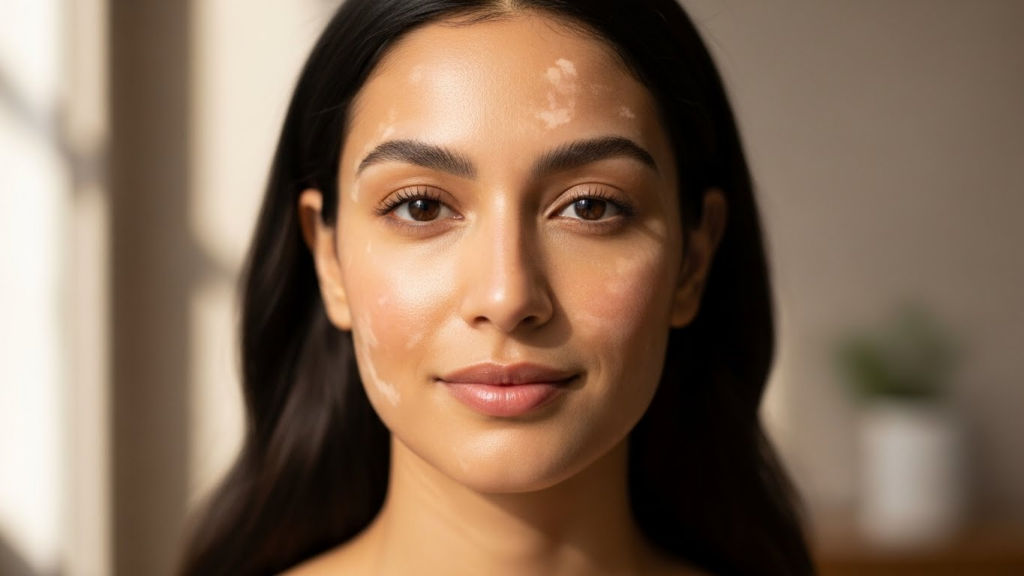
Struggling with stubborn dark patches on your face that just won’t fade? You’re not alone. Melasma affects millions worldwide, and understanding its melasma triggers is the first step toward clearer skin. As a leading طبيب امراض جلدية in Antalya, Dr. Ebru Okyay has helped countless patients identify and manage these triggers for lasting results. In this comprehensive 2025 guide, we’ll reveal the primary causes of melasma, backed by the latest research, and provide actionable strategies to minimize flare-ups. Whether you’re dealing with hormonal shifts, sun exposure, or genetic predispositions, this article equips you with the knowledge to take control of your skin health.
Melasma is more than a cosmetic concern—it’s a chronic condition that can impact confidence and quality of life. By decoding the primary causes of melasma, you can prevent worsening and explore effective treatments. Let’s dive into the science behind this pigmentation disorder and how to address it effectively.
Understanding Melasma: A Quick Overview
Melasma, also known as chloasma, is a common skin condition characterized by brown or gray-brown patches, typically on the face. It predominantly affects women, especially those with darker skin tones, and is often linked to hormonal influences. While not harmful, melasma can be persistent and challenging to treat without addressing its root melasma triggers.
According to recent studies in 2025, melasma impacts up to 50% of pregnant women and is increasingly seen in men due to lifestyle factors. The condition arises from overproduction of melanin by melanocytes, triggered by various internal and external stimuli. For more on melasma basics, check out our detailed guide on what is melasma.
Types of Melasma
Melasma presents in three main patterns:
- مركز الوجه: The most common, affecting the forehead, cheeks, upper lip, nose, and chin.
- مالار: Limited to the cheeks and nose bridge.
- الفك السفلي: Along the jawline and chin.
Understanding your type helps in targeting specific triggers for melasma and tailoring treatments.
Primary Triggers of Melasma: The Core Causes
إن primary causes of melasma revolve around factors that stimulate melanin production. These are the most impactful triggers, supported by dermatological research from sources like the American Academy of Dermatology. Identifying and mitigating them is crucial for management.
1. Sun Exposure: The Number One Culprit
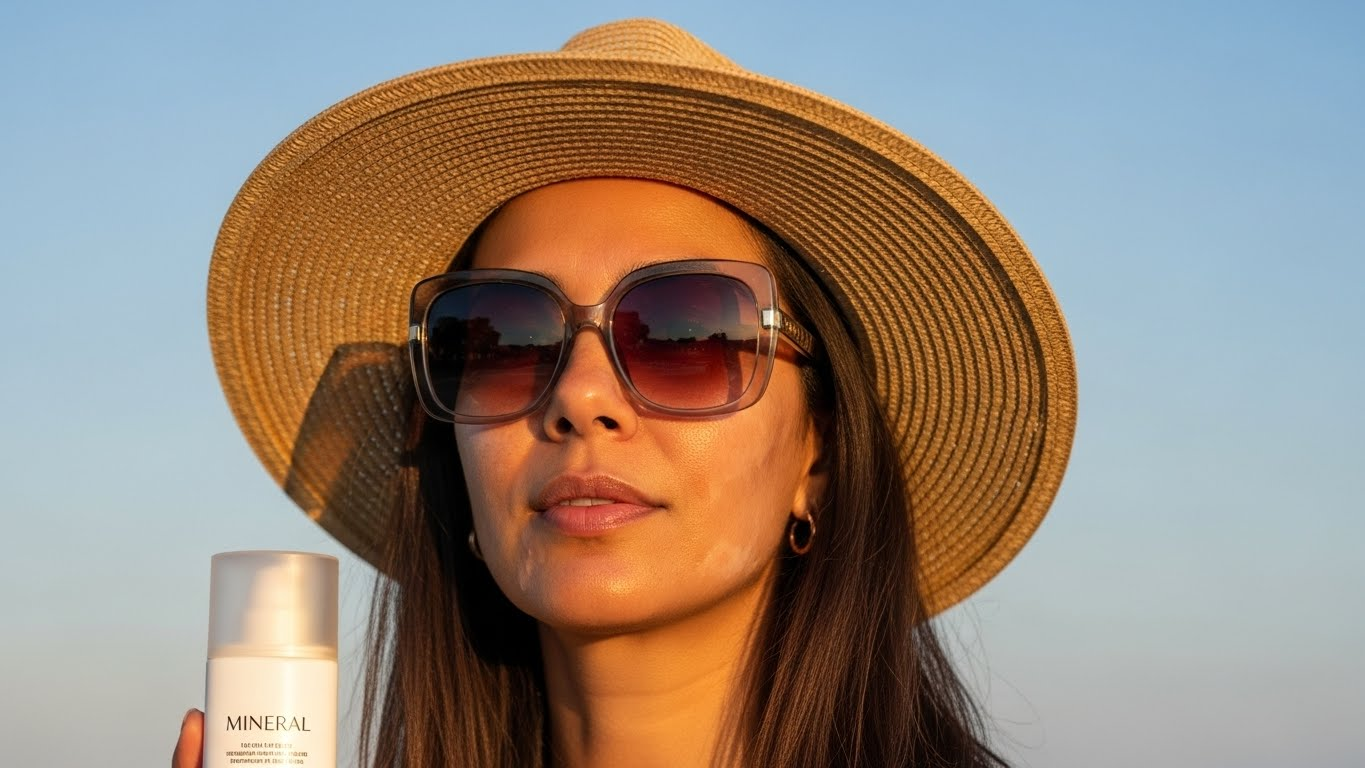
Ultraviolet (UV) radiation from the sun is the most significant melasma trigger, responsible for up to 90% of cases worsening. UVA and UVB rays penetrate the skin, stimulating melanocytes to produce excess melanin. Even brief exposure can exacerbate patches, making sunscreen non-negotiable.
In 2025, with increasing global temperatures, sun protection has become even more critical. Studies show that consistent use of broad-spectrum SPF 50+ reduces melasma severity by 50% within months. Heat from infrared radiation also plays a role, so seek shade during peak hours (10 AM-4 PM).
| Sun Protection Strategy | فوائد | Recommended Products |
|---|---|---|
| Broad-Spectrum Sunscreen | Blocks UVA/UVB rays | Mineral-based with zinc oxide |
| Hats and Sunglasses | Physical barrier | Wide-brim, UPF 50+ |
| Antioxidant Serums | Neutralizes free radicals | Vitamin C or E formulations |
Incorporate these into your routine to combat sun-induced melasma causes.
2. Hormonal Changes: Pregnancy, Birth Control, and Beyond
Hormonal fluctuations are a major primary trigger for melasma, often dubbed the “mask of pregnancy” due to its prevalence in expectant mothers. Estrogen and progesterone surges increase melanin production, particularly in the facial area.
Besides pregnancy, oral contraceptives, hormone replacement therapy (HRT), and thyroid disorders can spark melasma. In postmenopausal women, declining hormones paradoxically trigger it via compensatory mechanisms. Recent 2025 endocrine research highlights how these shifts interact with genetic predispositions.
- Pregnancy: Peaks in second and third trimesters.
- Birth Control: Estrogen-dominant pills are riskier.
- HRT: Consult your doctor for low-estrogen options.
If hormones are your melasma trigger, tracking cycles and discussing alternatives with a specialist like Dr. Okyay can help.
3. Genetic Predisposition: The Inherited Factor
If your family history includes melasma, you’re at higher risk—genetics account for about 20-30% of cases. Specific gene variants affect melanin regulation, making skin more reactive to triggers like UV or hormones.
Ethnicity plays a role too; Fitzpatrick skin types III-VI (olive to dark) are more susceptible. A 2025 genomic study identified polymorphisms in the MC1R gene as key contributors. While you can’t change your DNA, awareness allows proactive prevention.
4. Medications and Cosmetics: Hidden Aggravators
Certain medications, like anticonvulsants, antihypertensives, and photosensitizing drugs (e.g., NSAIDs), can induce melasma by altering skin sensitivity. Cosmetics with irritants—fragrances, alcohols, or hydroquinone overuse—worsen it via the “rebound” effect.
Phototoxic reactions from perfumes or essential oils applied before sun exposure are common culprits. Always patch-test new products and opt for gentle, non-comedogenic formulas.
| Potential Trigger | Examples | Avoidance Tips |
|---|---|---|
| الأدوية | Birth control pills, Dilantin | Consult dermatologist for alternatives |
| Cosmetics | Fragranced lotions, harsh scrubs | Choose hypoallergenic, mineral-based |
| Other | Perfumes on skin | Apply to clothes, not face |
Review your regimen to eliminate these melasma causes. For personalized advice, visit our main causes of melasma guide.

Secondary Factors and Lifestyle Influences on Melasma
Beyond primaries, secondary triggers for melasma include stress, diet, and environmental pollutants. These amplify the core causes, making holistic management essential.
Stress and Oxidative Damage
Chronic stress elevates cortisol, which disrupts skin barrier function and boosts inflammation, indirectly triggering melanin overproduction. A 2025 study in the Journal of Dermatology linked high-stress levels to 25% more melasma flares.
Combat this with mindfulness, exercise, and antioxidant-rich foods like berries and green tea.
Dietary and Nutritional Imbalances
Deficiencies in vitamins B12, D, or E can exacerbate pigmentation. Conversely, high-glycemic diets promote insulin spikes that mimic hormonal triggers. Incorporate omega-3s and copper-rich foods (nuts, shellfish) for skin support.
Environmental and Inflammatory Triggers
Pollution, blue light from screens, and thyroid issues add to the burden. In urban Antalya, air quality fluctuations can worsen melasma—use air-purifying plants and blue-light filters.
For insights on permanence, see our article on هل الكلف دائم.
Managing and Preventing Melasma Triggers: Practical Strategies
Preventing melasma triggers requires a multi-faceted approach. Start with daily sun protection, hormonal balance, and gentle skincare. Dr. Okyay recommends consulting for customized plans.
Daily Skincare Routine
- Cleanse gently with pH-balanced products.
- Apply vitamin C serum for brightening.
- Moisturize and seal with SPF.
- Evening: Use niacinamide or tranexamic acid topicals.
Professional Treatments to Address Triggers
Topicals like hydroquinone (under supervision), chemical peels, and laser therapies target root causes. IPL and fractional lasers reduce melanin without aggravating triggers. Explore options in our melasma treatment guide.
| علاج | Targets | الفعالية |
|---|---|---|
| Topical Hydroquinone | Hormonal/UV triggers | 70-80% improvement |
| التقشير الكيميائي | Surface pigmentation | Quick results, minimal downtime |
| العلاج بالليزر | Deep triggers | Long-term remission |
Lifestyle tweaks like stress reduction and diet optimization enhance outcomes. Avoid known irritants and monitor for changes.
خاتمة
النقاط الرئيسية
- Sun exposure remains the top melasma trigger—prioritize SPF daily.
- Hormonal changes, genetics, and medications form the primary causes; address them proactively.
- Secondary factors like stress and diet amplify risks—adopt a holistic approach.
- Effective management combines prevention, skincare, and professional treatments for optimal results.
الخطوات التالية
Ready to fade your melasma? Schedule a consultation with Dr. Ebru Okyay today. Track your triggers with a journal, update your sun protection, and explore treatments tailored to you.
- احجز موعدك عبر موقعنا الإلكتروني.
- Start a trigger diary for patterns.
- Incorporate recommended skincare changes.
الأسئلة الشائعة
<!– wp:rank-math/faq-block {"questions":[{"id":"faq-1","title":"What is the most common melasma trigger?","content":"Sun exposure is the most common melasma trigger, as UV rays directly stimulate melanin production. Consistent sunscreen use is essential for prevention.”,”visible”:true},{“id”:”faq-2″,”title”:”Can hormones cause melasma?”,”content”:”Yes, hormonal changes like those during pregnancy or from birth control pills are primary causes of melasma. Balancing hormones through medical advice can help manage it.”,”visible”:true},{“id”:”faq-3″,”title”:”Is melasma genetic?”,”content”:”Genetics play a significant role in melasma triggers, increasing susceptibility. Family history warrants extra caution with environmental factors.”,”visible”:true},{“id”:”faq-4″,”title”:”How does stress affect melasma?”,”content”:”Stress elevates cortisol, which can worsen melasma causes by promoting inflammation. Stress management techniques are recommended.”,”visible”:true},{“id”:”faq-5″,”title”:”Can diet influence melasma triggers?”,”content”:”Yes, deficiencies in vitamins or high-sugar diets can trigger flares. A nutrient-rich diet supports skin health and reduces risks.”,”visible”:true},{“id”:”faq-6″,”title”:”What medications cause melasma?”,”content”:”Photosensitizing drugs like certain contraceptives and anticonvulsants are known melasma triggers. Always disclose medications to your dermatologist.”,”visible”:true},{“id”:”faq-7″,”title”:”How to prevent melasma from worsening?”,”content”:”Prevent primary causes of melasma by using SPF 50+, avoiding irritants, and seeking professional treatment early.”,”visible”:true},{“id”:”faq-8″,”title”:”Is melasma curable in 2025?”,”content”:”While not always curable, advanced 2025 treatments can achieve long-term remission by addressing underlying triggers for melasma.”,”visible”:true}]} –>
What is the most common melasma trigger?
Can hormones cause melasma?
Is melasma genetic?
How does stress affect melasma?
Can diet influence melasma triggers?
What medications cause melasma?
How to prevent melasma from worsening?
Is melasma curable in 2025?
As Antalya’s trusted dermatologist, Dr. Ebru Okyay specializes in treating conditions like melasma with cutting-edge, personalized care. Visit drebruokyay.com للتعرف على المزيد حول خدماتنا.
 Arabic
  English
  German
  French
  Spanish
  Italian
  Russian
  Turkish