
The enduring quest for youthful skin, a universal human aspiration, drives countless innovations in aesthetic medicine. From ancient remedies to modern science, the desire to preserve a vibrant complexion remains constant. Yet, navigating the vast landscape of anti-aging solutions often proves challenging, with promises of rejuvenation echoing from every corner.
Among the most popular choices stand anti-aging night creams, readily available and seemingly convenient. They offer a daily ritual, a comforting promise of smoother, firmer skin. Conversely, facial mesotherapy presents a more advanced, clinical intervention, often perceived as a significant step beyond routine skincare. A critical question arises: can these two approaches truly deliver comparable results?
The answer, rooted deeply in dermatological science, hinges on a fundamental biological reality: molecular size. This often-overlooked factor dictates precisely how effectively active ingredients penetrate the skin. Understanding this scientific truth is paramount for anyone seeking genuine, lasting anti-aging benefits, moving beyond mere surface-level improvements.
Our skin, a marvel of biological engineering, serves as the body’s primary protective shield. Its outermost layer, the stratum corneum, forms a formidable barrier. Composed of tightly packed, flattened cells embedded in a lipid matrix, this layer meticulously regulates what enters and exits the body. This protective function, while vital for health, simultaneously presents a significant hurdle for topical skincare products.
For an active ingredient to exert its intended effect, it must first traverse this intricate epidermal architecture. Many compounds, despite their potent claims, possess molecular structures simply too large to pass through the microscopic intercellular spaces of the stratum corneum. They remain on the surface, offering only transient benefits, unable to reach the deeper dermal layers where true cellular rejuvenation occurs.
This inherent limitation of topical application often leads to frustration. Consumers invest in expensive creams, hoping for dramatic transformations, only to find their expectations unmet. The visible signs of aging—fine lines, wrinkles, and loss of elasticity—stem from changes within the dermis, specifically the degradation of collagen and elastin fibers. Addressing these requires a method capable of reaching these foundational structures.
Facial mesotherapy, by contrast, employs a direct delivery system. It bypasses the epidermal barrier entirely, introducing a bespoke cocktail of therapeutic agents precisely into the mesoderm. This targeted approach ensures maximum bioavailability and allows for the direct stimulation of fibroblasts, the cells responsible for producing collagen and elastin. Thus, a clear scientific divergence emerges between these two popular anti-aging modalities.
This article delves into the scientific rationale behind this critical difference. We will explore why the molecular size of ingredients in anti-aging night creams inherently limits their efficacy. Furthermore, we will illuminate how mesotherapy, through its precise delivery, offers a superior pathway to deep skin revitalization, providing results that creams simply cannot achieve. Informed choices, after all, stem from understanding the science.
The Unseen Barrier: Why Most Creams Fall Short
The skin’s primary function is protection. This biological imperative means it actively resists the entry of foreign substances. The stratum corneum, a layer of dead skin cells embedded in a lipid matrix, forms an almost impenetrable wall. This design, while essential for survival, severely limits the therapeutic potential of many anti-aging creams.
Consider the active ingredients found in typical night creams: collagen, elastin, hyaluronic acid, and various peptides. While these compounds are crucial for youthful skin, their molecular structures are often too large. They simply cannot pass through the tightly packed cells and lipids of the stratum corneum in significant quantities. Their benefits, therefore, remain largely on the surface.
Topical application provides superficial hydration and a temporary smoothing effect. This cosmetic improvement, though welcome, does not address the deeper cellular processes of aging. Collagen synthesis, elastin repair, and fibroblast stimulation—the true drivers of rejuvenation—occur in the dermis. Reaching these deeper layers demands a different approach.
Even advanced delivery systems in creams, such as liposomes or nanoparticles, face considerable hurdles. While they improve penetration slightly, they rarely achieve the therapeutic concentrations required for profound biological change. The skin’s natural defenses prove remarkably efficient at keeping most large molecules out.
The Molecular Size Imperative: A Scientific Reality
For a molecule to effectively penetrate the skin, its size must generally be below 500 Daltons. Most beneficial anti-aging ingredients, such as collagen (around 300,000 Daltons) or even many forms of hyaluronic acid (tens of thousands to millions of Daltons), far exceed this threshold. This scientific fact underscores the inherent limitation of topical application.
Smaller molecules, like certain vitamins (e.g., Vitamin C derivatives) or retinoids, do exhibit better penetration. Yet, even these often struggle to reach optimal concentrations in the deeper dermis. The sheer volume of active ingredients needed for significant structural repair cannot be delivered reliably through surface application alone.
Thus, while night creams offer valuable surface benefits—hydration, antioxidant protection, and mild exfoliation—they cannot fundamentally alter the skin’s architecture. They serve as excellent adjuncts to professional treatments, but never as replacements for interventions designed to work beneath the epidermal barrier.
Mesotherapy: Direct Delivery for Deep Rejuvenation
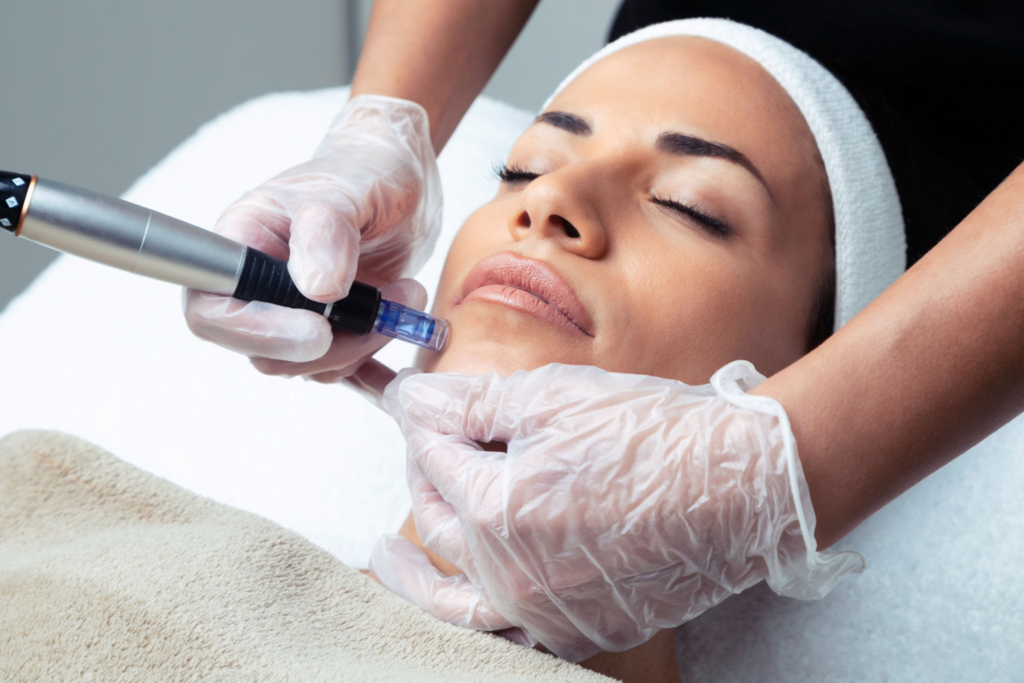
Facial mesotherapy offers a paradigm shift in anti-aging treatment. This technique involves the micro-injection of a customized cocktail of vitamins, minerals, amino acids, enzymes, and non-crosslinked hyaluronic acid directly into the mesoderm. This strategic delivery bypasses the skin’s formidable barrier, ensuring active ingredients reach their intended cellular targets.
The precision of mesotherapy allows for highly concentrated doses of beneficial compounds. These ingredients, often smaller in molecular size or delivered in a manner that circumvents the penetration issue, can then actively stimulate fibroblasts. This, in turn, promotes the natural production of new collagen and elastin, the very scaffolding of youthful skin.
Beyond mere surface effects, mesotherapy works at a cellular level. It nourishes the skin from within, improving its overall health, hydration, and elasticity. The micro-trauma induced by the injections also triggers a natural healing response, further enhancing cellular regeneration and blood circulation. This dual action leads to profound and lasting rejuvenation.
Patients observe a noticeable improvement in skin texture, tone, and luminosity. Fine lines diminish, and the skin regains a healthy, radiant glow. For a deeper understanding of this transformative procedure, explore our dedicated section on Mesotherapy.
Key Ingredients and Their Targeted Action in Mesotherapy
- Non-crosslinked Hyaluronic Acid: Provides intense hydration, plumping the skin and restoring its natural turgor. It does not add structural volume like dermal fillers, but significantly improves skin quality.
- Vitamins (e.g., C, E, A, B complex): Potent antioxidants, these protect skin cells from oxidative stress. They also support collagen synthesis and cellular repair mechanisms, vital for anti-aging.
- Amino Acids: Essential building blocks for proteins, including collagen and elastin. Their direct delivery facilitates the skin’s structural repair and regeneration processes.
- Minerals (e.g., Zinc, Copper): Act as cofactors for numerous enzymatic reactions critical to skin health. They play a role in collagen formation and overall cellular function.
- Peptides: These short chains of amino acids act as signaling molecules. They communicate with skin cells, encouraging them to produce more collagen, elastin, and hyaluronic acid, thereby boosting natural rejuvenation.
The precise combination of these ingredients is tailored to individual needs. This personalized approach maximizes efficacy, addressing specific concerns such as dullness, fine lines, or loss of elasticity. A series of sessions typically yields the most comprehensive and enduring results.
The Real Difference: Penetration, Efficacy, and Lasting Results
The fundamental distinction between anti-aging night creams and facial mesotherapy boils down to one critical factor: delivery mechanism. Creams rely on passive diffusion through a highly resistant barrier. Mesotherapy actively places therapeutic agents directly into the target tissue. This difference profoundly impacts efficacy and the nature of the results achieved.
Creams offer surface-level benefits. They hydrate the epidermis, provide antioxidant protection, and can offer a temporary smoothing effect. Their impact on collagen and elastin production in the dermis remains minimal due to molecular size limitations. Results are often subtle and transient, requiring continuous application for maintenance.
Mesotherapy, conversely, initiates deep cellular change. By delivering essential nutrients and bio-stimulants directly, it actively encourages the skin’s regenerative processes. This leads to increased collagen and elastin synthesis, improved skin elasticity, and enhanced overall skin health. The results are more pronounced, longer-lasting, and address the root causes of aging.
Consider the investment: creams represent a daily ritual with incremental, often superficial, gains. Mesotherapy, while requiring professional sessions, offers a strategic investment in profound skin restructuring. It provides a foundation of health and vitality that creams simply cannot replicate. For a holistic approach to combating the signs of aging, understanding these distinctions is paramount. Explore comprehensive Anti-Aging Solutions to learn more.
Complementary Care: Maximizing Your Anti-Aging Journey
While mesotherapy stands as a superior method for deep skin rejuvenation, a comprehensive anti-aging strategy often integrates various treatments. Night creams, though limited in deep penetration, still play a valuable role in maintaining epidermal health. They provide daily hydration, barrier support, and deliver smaller active ingredients that can complement professional procedures.
Other advanced aesthetic treatments further enhance and sustain mesotherapy’s benefits. Dermal fillers, for instance, restore lost volume with precision, addressing deeper structural changes. Neurotoxins, like Botox, smooth dynamic wrinkles, refining overall facial aesthetics. These modalities, when combined judiciously, create a synergistic effect, yielding optimal and natural-looking results.
A personalized treatment plan, crafted by an experienced dermatologist, ensures every aspect of facial aging is addressed. This integrated approach maximizes the longevity of results, providing a truly revitalized and harmonious appearance. For detailed information on volume restoration, visit our page on Dermal Fillers.
Conclusion: Choose Science, Not Just Surface Promises
The distinction between facial mesotherapy and anti-aging night creams is clear. Molecular size dictates efficacy. Creams, despite their promises, largely remain on the skin’s surface, offering temporary hydration and minimal deep cellular change. Mesotherapy, through direct micro-injections, bypasses the epidermal barrier, delivering potent nutrients precisely where they are needed for true rejuvenation.
Key Takeaways
- Molecular size is the primary factor limiting the deep penetration of anti-aging cream ingredients.
- Anti-aging night creams provide superficial hydration and temporary cosmetic benefits.
- Facial mesotherapy delivers bio-active compounds directly into the dermis, bypassing the skin barrier.
- Mesotherapy actively stimulates collagen and elastin production, leading to profound and lasting skin rejuvenation.
- A personalized approach, combining mesotherapy with complementary treatments and professional skincare, yields optimal results.
Next Steps for Lasting Radiance
- Consult a board-certified dermatologist to assess your skin and discuss the most effective treatment plan.
- Inquire about mesotherapy as a primary solution for deep skin revitalization.
- Develop a professional skincare regimen that complements in-office procedures.
Frequently Asked Questions (FAQs)
Why can’t anti-aging creams penetrate deeply?
Most active ingredients in creams, such as collagen and hyaluronic acid, have molecular sizes too large to effectively pass through the skin’s protective outer layer, the stratum corneum. Their benefits remain largely superficial.
How does mesotherapy overcome this limitation?
Mesotherapy directly micro-injects a customized cocktail of vitamins, minerals, amino acids, and non-crosslinked hyaluronic acid into the mesoderm, the middle layer of the skin. This bypasses the skin barrier, ensuring deep delivery and cellular stimulation.
Are the results from mesotherapy permanent?
Mesotherapy stimulates the body’s natural collagen and elastin production, leading to long-lasting improvements. However, maintenance sessions are often recommended to sustain optimal results and counteract ongoing aging processes.
Can I still use my anti-aging night cream with mesotherapy?
Yes, anti-aging night creams can complement mesotherapy by providing surface hydration, barrier support, and delivering smaller active ingredients. They work synergistically to maintain overall skin health, but do not replace mesotherapy’s deep action.
Discover the expertise of Dr. Ebru Okyay, your trusted dermatologist in Antalya. Whether you’re looking to address medical skin concerns or enhance your natural beauty with cosmetic treatments, Dr. Okyay is here to help. With personalized care and advanced techniques, achieving your skin goals has never been easier.
 English
  German
  French
  Spanish
  Italian
  Russian
  Arabic
  Turkish