

Facial redness and spider veins, often exacerbated by factors such as rapid weight loss, hormonal fluctuations, or genetic predispositions, present a persistent aesthetic challenge. These vascular irregularities not only affect skin appearance but can also signal underlying circulatory concerns. By 2026, advancements in medical aesthetics have refined capillary treatment protocols, particularly through Mesotherapy, to address these issues with precision. Central to this innovation is the strategic use of Vitamin K, a potent bio-active compound renowned for its role in vascular health and skin rejuvenation.
This comprehensive guide explores the science behind Vitamin K-infused Mesotherapy, its mechanisms, and its transformative effects on facial redness and spider veins. Whether you are navigating the aftermath of rapid weight loss or seeking solutions for chronic vascular concerns, this article provides actionable insights into achieving a clearer, more even-toned complexion.

Understanding Facial Redness and Spider Veins: Causes and Consequences
Facial redness and spider veins, medically termed telangiectasias, arise from dilated or broken capillaries near the skin’s surface. These conditions often stem from a combination of genetic predisposition, environmental stressors, and physiological changes. Rapid weight loss, for instance, can disrupt the skin’s structural integrity, leading to visible vascular irregularities. Hormonal shifts, prolonged sun exposure, and even lifestyle factors such as alcohol consumption or smoking further exacerbate these issues.
The appearance of spider veins and persistent redness is not merely cosmetic. These symptoms can indicate compromised capillary function, where blood vessels lose their ability to constrict and dilate efficiently. Over time, this can lead to chronic inflammation, skin sensitivity, and a prematurely aged appearance. Addressing these concerns requires a multi-faceted approach that targets both the visible symptoms and their underlying causes.
The Role of Vitamin K in Vascular Health
Vitamin K, a fat-soluble vitamin, plays a pivotal role in blood coagulation and vascular integrity. Its derivatives, particularly Vitamin K1 (phylloquinone) and Vitamin K2 (menaquinone), are essential for activating proteins that regulate calcium deposition in blood vessels. This process strengthens capillary walls, reduces permeability, and minimizes the appearance of broken capillaries. In the context of Mesotherapy, Vitamin K becomes a powerful ally in restoring skin clarity and resilience.
Research indicates that topical and injectable applications of Vitamin K can significantly improve vascular-related skin concerns. By enhancing the skin’s natural repair mechanisms, Vitamin K promotes the contraction of dilated capillaries and reduces erythema (redness). This makes it an indispensable component in formulations designed to combat facial redness and spider veins.
Mesotherapy: A Targeted Solution for Vascular Skin Concerns
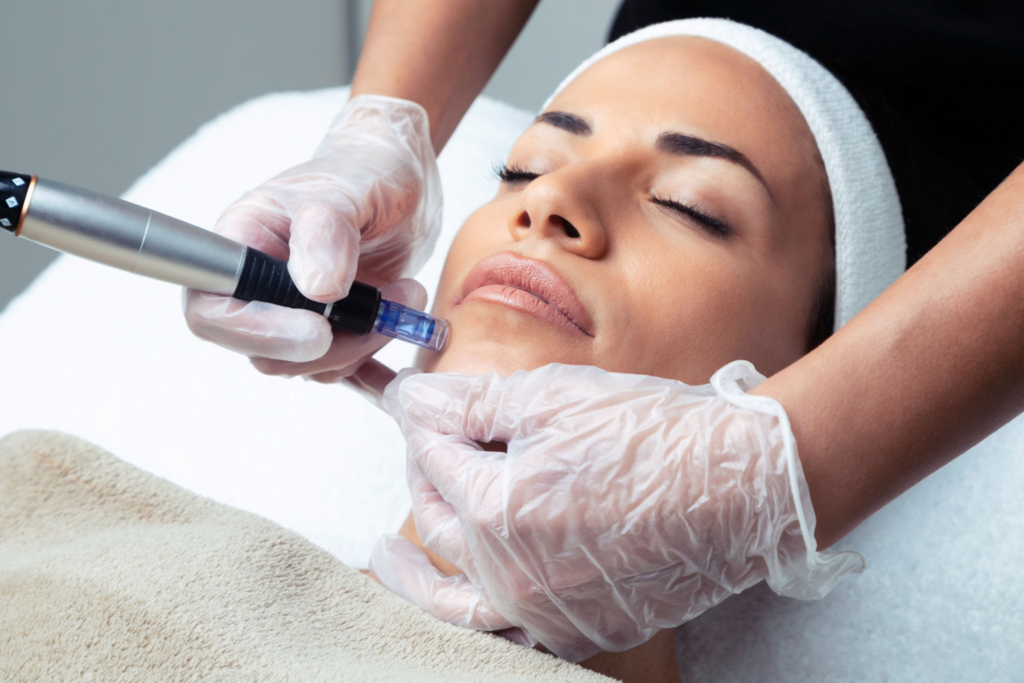
Mesotherapy, a minimally invasive procedure, involves the micro-injection of customized cocktails directly into the mesoderm—the middle layer of the skin. This technique ensures that active ingredients, such as Vitamin K, are delivered precisely where they are needed most. For individuals struggling with facial redness and spider veins, Mesotherapy offers a direct, efficient, and long-lasting solution.
The procedure begins with a thorough assessment of the skin’s condition, followed by the preparation of a tailored serum. This serum typically includes a blend of Vitamin K, hyaluronic acid, antioxidants, and other bio-stimulating compounds. When injected into the targeted areas, these ingredients work synergistically to strengthen capillary walls, reduce inflammation, and promote collagen synthesis. The result is a more even-toned, radiant complexion with minimized vascular irregularities.
The Science Behind Mesotherapy for Capillary Treatment
Mesotherapy’s efficacy lies in its ability to bypass the skin’s superficial barriers, delivering active ingredients directly to the dermis. This targeted approach ensures maximum absorption and minimal waste. For capillary treatment, the inclusion of Vitamin K is particularly transformative. Vitamin K enhances the skin’s ability to repair damaged capillaries by:
- Strengthening Capillary Walls: Vitamin K activates matrix Gla-protein (MGP), which prevents calcium buildup in blood vessels, thereby maintaining their elasticity and integrity.
- Reducing Inflammation: Its anti-inflammatory properties help calm irritated skin, reducing redness and sensitivity.
- Promoting Collagen Production: By stimulating fibroblast activity, Vitamin K supports the synthesis of collagen and elastin, essential for skin firmness and resilience.
These mechanisms collectively contribute to a visible reduction in spider veins and facial redness, restoring a more youthful and healthy appearance.
Key Ingredients in Vitamin K Mesotherapy Cocktails
The effectiveness of Mesotherapy for capillary treatment hinges on the careful selection of ingredients in the injectable cocktail. While Vitamin K serves as the cornerstone, other components enhance its benefits:
- Hyaluronic Acid: Provides deep hydration, plumping the skin and improving its overall texture.
- Vitamin C: A potent antioxidant that brightens the skin and supports collagen synthesis.
- Peptides: Signal molecules that stimulate collagen production and skin repair.
- Minerals (Zinc, Copper): Essential cofactors for enzymatic reactions that maintain skin health.
- Antioxidants (Glutathione, Vitamin E): Protect the skin from oxidative stress, which can exacerbate vascular issues.
These ingredients work in harmony to address not only the visible symptoms of capillary damage but also the underlying factors contributing to skin aging and vascular weakness.

The Mesotherapy Procedure: What to Expect
Undergoing Mesotherapy for capillary treatment is a straightforward process, typically performed in a clinical setting by a trained aesthetic physician. Here’s a step-by-step breakdown of what to expect:
- Consultation and Assessment: Your practitioner will evaluate your skin condition, discuss your concerns, and determine the most suitable cocktail of ingredients for your needs.
- Preparation: The treatment area is cleansed, and a topical anesthetic may be applied to minimize discomfort.
- Injection Process: Using a fine needle or a specialized mesotherapy gun, the customized serum is injected into the mesoderm. The procedure typically takes 30 to 60 minutes, depending on the treatment area.
- Post-Treatment Care: You may experience mild redness or swelling, which usually subsides within a few hours. Your practitioner will provide specific aftercare instructions to optimize results.
Most individuals can resume their daily activities immediately after the procedure, making Mesotherapy a convenient option for those with busy lifestyles.
Optimal Results: How Many Sessions Are Needed?
The number of Mesotherapy sessions required varies based on the severity of the vascular concerns and individual skin characteristics. Typically, a series of 4 to 6 sessions, spaced 2 to 4 weeks apart, is recommended for optimal results. Maintenance sessions may be advised every 6 to 12 months to sustain the benefits.
Visible improvements often become apparent after the first few sessions, with continued enhancement as the skin’s natural repair processes are activated. The cumulative effect of these treatments leads to a significant reduction in facial redness and spider veins, as well as an overall improvement in skin texture and tone.
Complementary Treatments for Enhanced Results
While Mesotherapy with Vitamin K offers remarkable benefits for capillary treatment, combining it with other aesthetic procedures can further enhance outcomes. Here are some complementary treatments to consider:
1. Laser Therapy for Vascular Lesions
Laser treatments, such as Pulsed Dye Laser (PDL) or Intense Pulsed Light (IPL), target hemoglobin in the blood vessels, causing them to coagulate and fade. These therapies are particularly effective for treating stubborn spider veins and diffuse redness. When combined with Mesotherapy, laser therapy can accelerate the reduction of vascular irregularities, providing a more uniform complexion.
2. Radiofrequency (RF) Skin Tightening
Radiofrequency treatments stimulate collagen production and improve skin elasticity. By delivering controlled thermal energy to the deeper layers of the skin, RF therapy enhances the structural support of capillaries, reducing their visibility. This makes it an excellent adjunct to Mesotherapy for individuals seeking comprehensive skin rejuvenation.
3. Platelet-Rich Plasma (PRP) Therapy
PRP therapy harnesses the body’s natural healing mechanisms by injecting concentrated platelets into the skin. These platelets release growth factors that promote tissue repair, collagen synthesis, and vascular health. When used in conjunction with Vitamin K Mesotherapy, PRP therapy amplifies the skin’s regenerative capacity, leading to improved texture and reduced redness.
4. Medical-Grade Skincare Regimens
A consistent skincare routine is essential for maintaining the results of Mesotherapy. Incorporating products rich in Vitamin K, antioxidants, and peptides can further support capillary health and skin resilience. Your practitioner may recommend specific serums, moisturizers, and sunscreens tailored to your skin type and concerns.
Addressing Common Concerns: Safety and Efficacy
As with any medical procedure, it is natural to have questions about the safety and efficacy of Mesotherapy for capillary treatment. Here are some key points to consider:
Is Mesotherapy Safe for All Skin Types?
Mesotherapy is generally safe for all skin types and tones. However, a thorough consultation with a qualified practitioner is essential to assess individual suitability and customize the treatment protocol. This ensures optimal safety and efficacy, particularly for individuals with sensitive skin or underlying medical conditions.
What Are the Potential Side Effects?
Common side effects of Mesotherapy include mild redness, swelling, or bruising at the injection sites. These typically resolve within a few hours to days. Serious complications are rare when the procedure is performed by an experienced practitioner using sterile techniques.
How Long Do the Results Last?
The longevity of Mesotherapy results depends on various factors, including skin type, lifestyle, and adherence to post-treatment care. With proper maintenance, the benefits of Vitamin K Mesotherapy can last for several months to a year. Regular follow-up sessions and a consistent skincare regimen can further extend these results.
Conclusion: Rediscovering Clear, Radiant Skin
Facial redness and spider veins no longer need to be a source of frustration. With advancements in Mesotherapy and the strategic use of Vitamin K, achieving a clear, even-toned complexion is within reach. This comprehensive approach not only addresses the visible symptoms of capillary damage but also promotes long-term skin health and resilience.
If you are ready to transform your skin and restore its natural radiance, consult with a board-certified dermatologist or aesthetic physician. They can design a personalized treatment plan that combines Mesotherapy with complementary therapies, ensuring optimal results tailored to your unique needs.
Key Takeaways
- Vitamin K is a powerhouse ingredient in Mesotherapy, strengthening capillaries and reducing facial redness.
- Mesotherapy delivers active ingredients directly to the skin’s middle layer, ensuring maximum efficacy.
- Combining Mesotherapy with laser therapy, RF treatments, or PRP enhances overall results.
- A personalized treatment plan is essential for addressing individual skin concerns and achieving natural-looking outcomes.
- Consistent post-treatment care and skincare regimens are crucial for maintaining long-term benefits.
Next Steps
- Schedule a consultation with a board-certified dermatologist to assess your skin and discuss treatment options.
- Explore the benefits of Mesotherapy and its role in skin rejuvenation.
- Incorporate medical-grade skincare products into your routine to support and extend your treatment results.
- Consider complementary treatments such as dermal fillers or neurotoxins for a comprehensive facial rejuvenation strategy.
Frequently Asked Questions (FAQs)
How soon can I expect to see results from Vitamin K Mesotherapy?
Initial improvements in skin texture and redness may be noticeable within a few weeks. However, the full benefits, including reduced spider veins and enhanced skin firmness, typically become evident after 3 to 6 months as collagen production increases.
Is Vitamin K Mesotherapy suitable for sensitive skin?
Yes, Vitamin K Mesotherapy is generally safe for sensitive skin. However, a detailed consultation with your practitioner is essential to customize the treatment and ensure optimal safety and efficacy.
How long do the results of Vitamin K Mesotherapy last?
The results of Vitamin K Mesotherapy can last for several months to a year, depending on individual skin characteristics and adherence to post-treatment care. Maintenance sessions are recommended to sustain the benefits.
Are there any side effects associated with Vitamin K Mesotherapy?
Common side effects include mild redness, swelling, or bruising at the injection sites, which typically resolve within a few hours to days. Serious complications are rare when performed by a qualified practitioner.
For more information on advanced aesthetic treatments, visit Dr. Ebru Okyay’s official website. Discover how personalized care and cutting-edge techniques can help you achieve your skin goals with confidence.

 English
  German
  French
  Spanish
  Italian
  Russian
  Arabic
  Turkish