
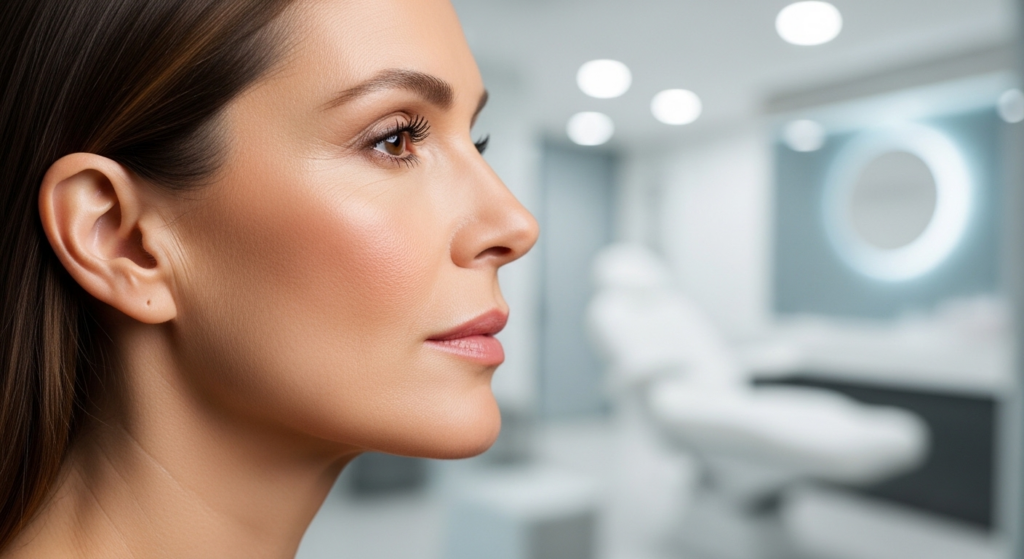
In the evolving landscape of aesthetic medicine, the distinction between hyaluronic acid (HA) in mesotherapy and dermal fillers has become a cornerstone of non-surgical facial rejuvenation. As patients increasingly seek solutions for concerns like “Ozempic Face”—a phenomenon characterized by facial volume loss and skin laxity due to rapid weight loss—the demand for precise, effective, and minimally invasive treatments has surged. This comprehensive guide elucidates the molecular, functional, and clinical differences between hyaluronic acid in mesotherapy and traditional dermal fillers, empowering you to make informed decisions about your aesthetic journey.

The Science of Hyaluronic Acid: A Dual Role in Aesthetics
Hyaluronic acid, a naturally occurring glycosaminoglycan, plays a pivotal role in skin hydration, elasticity, and volume. Its unique ability to bind and retain water molecules makes it indispensable in both mesotherapy and dermal fillers. However, the molecular weight and cross-linking of HA determine its application and efficacy in these two distinct treatments.
In mesotherapy, non-crosslinked, low-molecular-weight HA is used to deeply hydrate the skin, stimulate collagen production, and improve overall skin quality. Conversely, dermal fillers employ crosslinked, high-molecular-weight HA to restore volume, enhance contours, and provide structural support. Understanding this fundamental difference is key to selecting the right treatment for your specific needs.

Mesotherapy: Hydration and Cellular Rejuvenation
Mesotherapy is a minimally invasive procedure that delivers a customized cocktail of vitamins, minerals, amino acids, and hyaluronic acid directly into the mesoderm—the middle layer of the skin. This targeted approach ensures that active ingredients reach their intended destination, bypassing the epidermal barrier. The primary goal of mesotherapy is to hydrate, nourish, and stimulate the skin at a cellular level, promoting a radiant, youthful complexion.
How Hyaluronic Acid Works in Mesotherapy
The hyaluronic acid used in mesotherapy is non-crosslinked and has a low molecular weight. This allows it to penetrate deeply into the skin, where it binds to water molecules and plumps the skin from within. Unlike fillers, which add volume to specific areas, mesotherapy provides uniform hydration and improves skin texture, elasticity, and tone. It is particularly effective for addressing superficial fine lines, dullness, and dehydration—common concerns in patients experiencing “Ozempic Face.”
Additionally, the bio-stimulating ingredients in mesotherapy cocktails—such as vitamins, peptides, and minerals—activate fibroblasts, the cells responsible for collagen and elastin production. This dual action of hydration and stimulation results in a gradual but noticeable improvement in skin quality, making mesotherapy an ideal treatment for those seeking a natural, refreshed appearance.
Key Benefits of Mesotherapy with Hyaluronic Acid
- Deep Hydration: Non-crosslinked HA attracts and retains moisture, restoring skin turgor and reducing the appearance of fine lines.
- Collagen Stimulation: The treatment triggers the body’s natural collagen production, improving skin firmness and elasticity over time.
- Even Skin Tone: Mesotherapy cocktails often include antioxidants and brightening agents that reduce pigmentation and promote a luminous complexion.
- Minimal Downtime: Patients can resume daily activities immediately after treatment, with only mild redness or swelling that subsides within hours.
- Customizable Formulas: The ingredients can be tailored to address specific concerns, such as dehydration, dullness, or early signs of aging.
For a deeper dive into the transformative potential of mesotherapy, explore our dedicated resource on Mesotherapy.

Dermal Fillers: Volume Restoration and Structural Support
Dermal fillers, on the other hand, are designed to restore lost volume, enhance facial contours, and provide structural support. The hyaluronic acid used in fillers is crosslinked, meaning its molecules are chemically bonded to create a gel-like substance. This cross-linking process increases the HA’s viscosity and longevity, allowing it to maintain its shape and provide immediate, noticeable results.
How Crosslinked Hyaluronic Acid Works in Fillers
When injected into the skin, crosslinked HA fillers act as a scaffold, lifting and supporting tissues that have lost volume due to aging, weight loss, or other factors. The gel-like consistency of the filler integrates seamlessly with the skin’s natural tissues, providing immediate volume restoration. This makes fillers particularly effective for addressing deeper wrinkles, hollows, and contours—such as those seen in the cheeks, temples, and nasolabial folds of patients with “Ozempic Face.”
Unlike mesotherapy, which focuses on hydration and cellular rejuvenation, fillers offer instant, visible results. The effects can last anywhere from 6 to 18 months, depending on the type of filler used and the individual’s metabolic rate. Over time, the crosslinked HA gradually breaks down and is absorbed by the body, requiring periodic touch-ups to maintain the desired outcome.
Key Benefits of Dermal Fillers with Hyaluronic Acid
- Immediate Volume Restoration: Fillers provide instant results, making them ideal for patients seeking quick improvements in facial contours.
- Precision and Customization: Different filler consistencies allow for tailored treatments, from subtle enhancements to more dramatic transformations.
- Natural-Looking Results: When administered by a skilled practitioner, fillers blend seamlessly with the skin, avoiding an overfilled or artificial appearance.
- Versatility: Fillers can address a wide range of concerns, including deep wrinkles, hollows, and asymmetry, making them a versatile tool in facial rejuvenation.
- Minimal Downtime: Most patients experience only mild swelling or bruising, which resolves within a few days.
To learn more about how dermal fillers can refine your facial aesthetics, visit our page on Dermal Fillers.
Mesotherapy vs. Fillers: Which Treatment Is Right for You?
Choosing between mesotherapy and dermal fillers depends on your specific aesthetic goals, skin condition, and desired outcomes. While both treatments utilize hyaluronic acid, their mechanisms of action and results differ significantly. Below is a comparative analysis to help you determine the best option for your needs.
| Feature | Mesotherapy | Dermal Fillers |
|---|---|---|
| Primary Function | Hydration, collagen stimulation, skin rejuvenation | Volume restoration, contour enhancement, structural support |
| Type of Hyaluronic Acid | Non-crosslinked, low molecular weight | Crosslinked, high molecular weight |
| Results Timeline | Gradual improvement over weeks to months | Immediate volume restoration |
| Duration of Effects | Long-lasting skin quality improvements with maintenance | 6 to 18 months, depending on the filler type |
| Ideal Candidates | Patients with dull, dehydrated skin, fine lines, or early signs of aging | Patients with volume loss, deep wrinkles, or facial asymmetry |
| Downtime | Minimal; mild redness or swelling | Minimal; mild swelling or bruising |
| Complementary Treatments | Radiofrequency, PRP, advanced skincare | Neurotoxins (Botox), mesotherapy, laser resurfacing |
For patients experiencing “Ozempic Face,” a combined approach—utilizing both mesotherapy and dermal fillers—may offer the most comprehensive solution. Mesotherapy can address superficial dehydration and skin laxity, while fillers restore lost volume and enhance facial contours. This synergy ensures a harmonious, natural-looking rejuvenation that aligns with your overall health and aesthetic goals.
The Synergy of Mesotherapy and Fillers in Treating “Ozempic Face”
“Ozempic Face” presents a unique challenge: rapid weight loss often leads to a deflated, gaunt appearance due to the loss of subcutaneous fat. This condition requires a multi-faceted treatment strategy that addresses both skin quality and volume restoration. Combining mesotherapy and dermal fillers creates a powerful synergy that targets these concerns simultaneously.
Step 1: Restoring Volume with Dermal Fillers
The first step in treating “Ozempic Face” is to restore lost volume in key facial areas such as the cheeks, temples, and under-eye regions. Dermal fillers provide immediate structural support, lifting sagging skin and recreating youthful contours. A skilled practitioner will use a combination of filler consistencies to achieve a natural, balanced result that avoids an overfilled appearance.
Step 2: Rejuvenating Skin with Mesotherapy
Once volume is restored, mesotherapy is employed to improve skin quality. The deep hydration and collagen-stimulating effects of non-crosslinked HA enhance skin elasticity, reduce fine lines, and promote a radiant complexion. This step is crucial for addressing the superficial signs of aging and ensuring that the skin’s texture matches its newly restored volume.
Step 3: Maintaining Results with Advanced Skincare
To sustain the results achieved through mesotherapy and fillers, a personalized skincare regimen is essential. Medical-grade products containing retinoids, peptides, antioxidants, and hydrators support collagen production, protect against environmental damage, and maintain optimal skin health. Regular follow-up treatments, such as Radiofrequency or PRP therapy, can further enhance and prolong the rejuvenating effects.
Complementary Treatments for Comprehensive Rejuvenation
While mesotherapy and dermal fillers form the foundation of treating “Ozempic Face,” incorporating additional treatments can further enhance outcomes. Below are some of the most effective complementary procedures:
1. Radiofrequency (RF) Therapy
Radiofrequency therapy delivers controlled thermal energy to the deeper layers of the skin, stimulating collagen and elastin production. This treatment is particularly effective for tightening loose skin and improving overall skin firmness. When combined with mesotherapy, RF enhances the skin’s ability to retain hydration and respond to bio-stimulating ingredients.
2. Neurotoxins (Botox)
Neurotoxins, such as Botox, are used to relax the muscles responsible for dynamic wrinkles—those caused by repetitive facial expressions. While not directly addressing volume loss, Botox complements fillers and mesotherapy by softening fine lines and creating a smoother, more youthful appearance. For more information, visit our Botox page.
3. Platelet-Rich Plasma (PRP) Therapy
PRP therapy harnesses the body’s natural healing capabilities by injecting concentrated platelets into the skin. These platelets release growth factors that stimulate collagen production and promote cellular renewal. PRP is an excellent adjunct to mesotherapy and fillers, enhancing skin thickness, elasticity, and overall vitality.
4. Advanced Skincare Regimens
A medical-grade skincare regimen is essential for maintaining the results of in-office treatments. Products containing retinoids, peptides, antioxidants, and hydrators support collagen synthesis, protect against environmental damage, and ensure long-term skin health. For a deeper understanding of how skincare complements aesthetic procedures, explore our Anti-Aging Solutions.
Crafting Your Personalized Treatment Plan
Addressing “Ozempic Face” requires a customized, multi-modal approach. A board-certified dermatologist or aesthetic physician will conduct a thorough assessment of your facial anatomy, skin quality, and aesthetic goals to design a tailored treatment plan. This plan may include a combination of mesotherapy, dermal fillers, Radiofrequency, and other complementary procedures to achieve optimal, natural-looking results.
Initial Consultation: The Foundation of Success
Your initial consultation is a critical step in your aesthetic journey. During this appointment, your practitioner will evaluate your skin’s elasticity, degree of volume loss, and overall condition. They will also discuss your medical history, weight loss journey, and aesthetic aspirations. This comprehensive assessment ensures that your treatment plan is aligned with your unique needs and expectations.
Designing Your Bespoke Protocol
Following your consultation, your practitioner will create a personalized treatment protocol. This protocol will outline the specific procedures—such as mesotherapy, dermal fillers, or Radiofrequency—along with the recommended number of sessions and sequencing. The goal is to achieve gradual, natural-looking improvements that enhance your features while preserving your individuality.
Maintaining Results: The Role of Follow-Up and Skincare
To ensure long-lasting results, regular follow-up treatments and a dedicated skincare regimen are essential. Your practitioner will recommend maintenance sessions—such as annual mesotherapy or Radiofrequency treatments—to sustain collagen production and skin quality. Additionally, using medical-grade skincare products will protect your investment and keep your skin looking its best.
Navigating Expectations: Results, Recovery, and Longevity
Understanding what to expect from your treatments is crucial for a satisfying aesthetic journey. Below is an overview of the results, recovery, and longevity associated with mesotherapy and dermal fillers:
Results
Mesotherapy: Gradual improvements in skin hydration, texture, and elasticity become visible over several weeks to months. The full effects of collagen stimulation may take up to 6 months to manifest.
Dermal Fillers: Immediate volume restoration is visible post-treatment, with optimal results appearing within a few days as any initial swelling subsides.
Recovery
Both mesotherapy and dermal fillers involve minimal downtime. Patients may experience mild redness, swelling, or bruising at the injection sites, which typically resolves within a few days. Most individuals can return to their regular activities immediately after treatment.
Longevity
Mesotherapy: The collagen-stimulating effects of mesotherapy can last for several years with proper maintenance. Annual or bi-annual sessions are recommended to sustain results.
Dermal Fillers: Results typically last between 6 to 18 months, depending on the type of filler used and individual metabolic factors. Periodic touch-ups are necessary to maintain the desired volume and contour.
Conclusion: Achieving Harmonious Facial Rejuvenation
The aesthetic challenges posed by “Ozempic Face” can be effectively addressed through a strategic combination of mesotherapy and dermal fillers. By leveraging the unique properties of hyaluronic acid—whether non-crosslinked for deep hydration or crosslinked for volume restoration—patients can achieve a natural, youthful, and harmonious appearance that reflects their overall health and vitality.
Key Takeaways
- Hyaluronic acid in mesotherapy is non-crosslinked and low molecular weight, focusing on hydration and collagen stimulation.
- Hyaluronic acid in dermal fillers is crosslinked and high molecular weight, providing immediate volume restoration and structural support.
- Mesotherapy is ideal for improving skin quality, texture, and elasticity, while fillers address volume loss and contour enhancement.
- A combined approach—utilizing both mesotherapy and fillers—offers the most comprehensive solution for “Ozempic Face.”
- Complementary treatments such as Radiofrequency, Botox, and PRP enhance and prolong the results of mesotherapy and fillers.
- A personalized treatment plan, designed by a board-certified practitioner, is essential for achieving natural and enduring outcomes.
- Ongoing medical-grade skincare is crucial for maintaining and extending the benefits of in-office procedures.
Next Steps
Ready to restore your facial harmony and confidence? Take these actions:
- Consult a board-certified dermatologist to assess your specific concerns and discuss suitable treatment options.
- Review before-and-after portfolios of clinics specializing in facial rejuvenation post-weight loss.
- Inquire about integrated treatment packages that combine mesotherapy, fillers, and complementary procedures.
- Commit to a tailored skincare regimen to support and prolong your treatment results.
Frequently Asked Questions (FAQs)
How quickly can I see results from mesotherapy?
Initial improvements in skin hydration and texture may be noticeable within a few weeks. However, the full benefits of collagen stimulation typically become visible over 3 to 6 months.
Are mesotherapy and fillers suitable for all skin types?
Yes, both treatments are safe and effective for all skin types and tones. However, a detailed consultation is essential to customize the treatment parameters for optimal safety and efficacy.
How long do the results of combined treatments last?
Dermal fillers last 6 to 18 months, while the collagen-stimulating effects of mesotherapy can yield long-lasting improvements for several years with proper maintenance.
Is there significant downtime associated with these procedures?
No, both mesotherapy and dermal fillers involve minimal downtime. Patients may experience mild redness or swelling, which resolves within a few days.
Discover the expertise of Dr. Ebru Okyay, your trusted dermatologist in Antalya. Whether you’re looking to address medical skin concerns or enhance your natural beauty with cosmetic treatments, Dr. Okyay is here to help. With personalized care and advanced techniques, achieving your skin goals has never been easier.


 English
  German
  French
  Spanish
  Italian
  Russian
  Arabic
  Turkish