

Hair loss is not merely a cosmetic concern; it is a complex, emotionally charged journey that affects millions worldwide. Whether you’re in the early stages of thinning or facing advanced baldness, the decision between hair mesotherapy and hair transplant can feel overwhelming. Both treatments promise results, but their mechanisms, suitability, and long-term outcomes differ dramatically. This guide dissects the science, practicality, and strategic considerations behind each option, empowering you to make an informed choice tailored to your unique hair loss stage and lifestyle.
Hair loss doesn’t follow a linear path. It’s a dynamic process influenced by genetics, hormones, age, and even environmental factors. What works for one person may not work for another. That’s why understanding the stage of your hair loss is critical. Are you experiencing mild thinning, a receding hairline, or advanced baldness? The answer will dictate whether mesotherapy’s regenerative approach or a transplant’s permanent solution is your best first step.
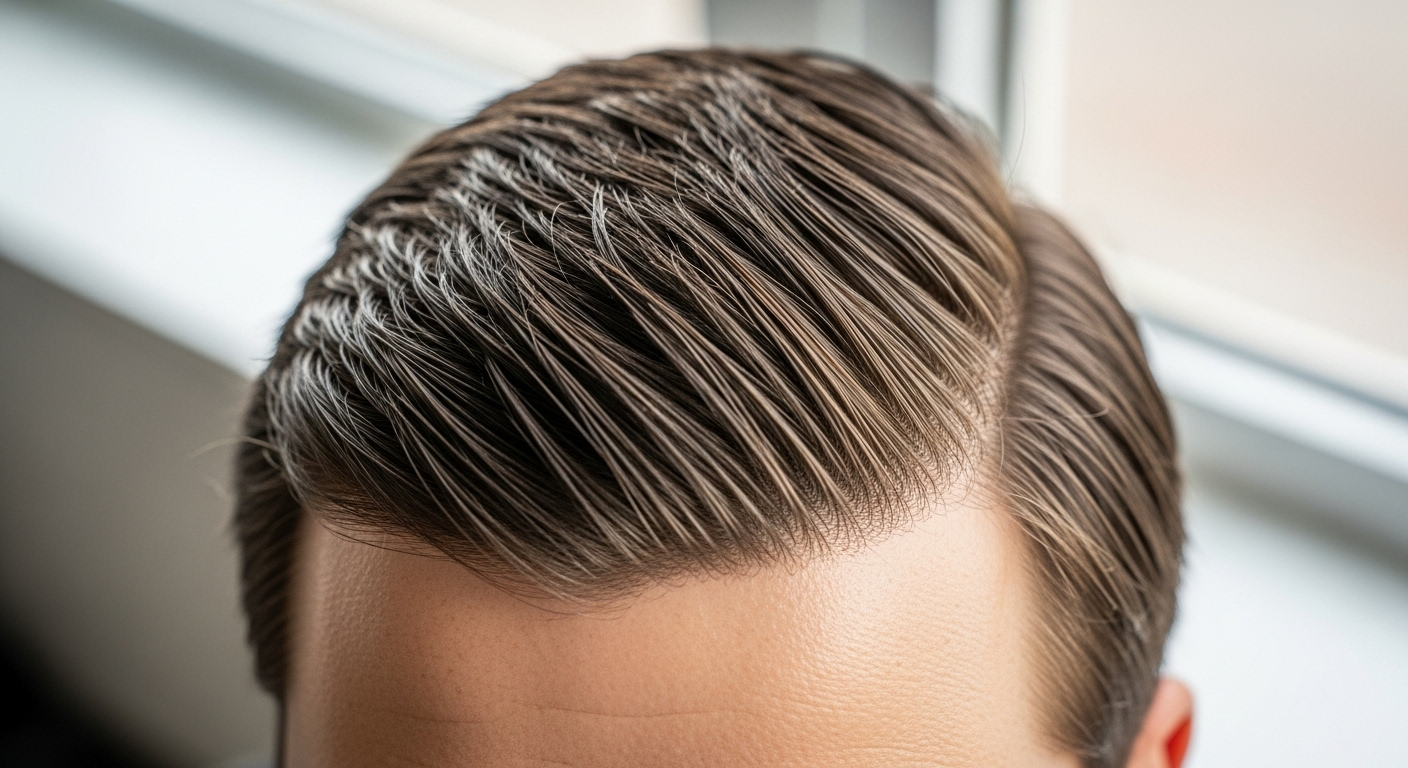
Understanding Hair Loss: The Foundation of Your Decision
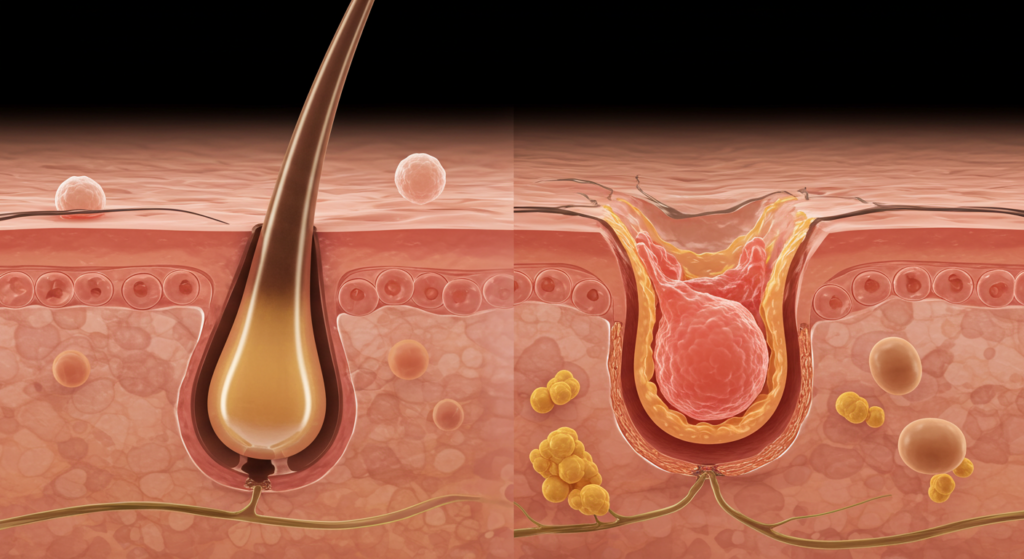
Hair loss is a multifaceted issue. It begins with the miniaturization of hair follicles, a process where follicles shrink over time, producing thinner, shorter hairs until they eventually stop growing altogether. This phenomenon is primarily driven by dihydrotestosterone (DHT), a hormone derived from testosterone that binds to hair follicles, causing them to weaken. However, other factors—such as inflammation, poor circulation, and nutritional deficiencies—can accelerate the process.
Hair loss is typically categorized using the Norwood-Hamilton Scale for men and the Ludwig Scale for women. These scales help clinicians assess the severity of hair loss and recommend appropriate treatments. For instance, someone at Stage 2 (mild recession at the temples) may benefit from mesotherapy, while someone at Stage 5 (significant balding at the crown) might require a transplant. Recognizing where you fall on this spectrum is the first step toward a rational investment in your hair restoration journey.
Hair Mesotherapy: The Regenerative Approach
Hair mesotherapy is a non-surgical, minimally invasive treatment designed to stimulate hair follicles, improve circulation, and promote hair growth. It involves the injection of a customized cocktail of vitamins, minerals, amino acids, and growth factors directly into the scalp’s mesoderm layer. This targeted delivery system ensures that the active ingredients reach the hair follicles, nourishing them and encouraging regeneration.
Unlike hair transplants, which redistribute existing hair, mesotherapy focuses on revitalizing dormant follicles. It’s particularly effective for individuals in the early stages of hair loss (Norwood-Hamilton Stages 1-3) or those experiencing diffuse thinning. The treatment is also ideal for individuals who prefer a non-surgical approach or are not yet ready for the commitment of a transplant.
How Hair Mesotherapy Works
The science behind mesotherapy lies in its ability to stimulate cellular activity within the scalp. The injected cocktail typically includes:
- Vitamins (B complex, C, E): Essential for hair follicle health and collagen production.
- Minerals (Zinc, Copper, Selenium): Support enzyme function and hair growth cycles.
- Amino Acids: Building blocks for keratin, the protein that makes up hair.
- Growth Factors (PRP, peptides): Accelerate follicle regeneration and improve hair density.
- Hyaluronic Acid: Hydrates the scalp and improves nutrient absorption.
These ingredients work synergistically to improve blood circulation, reduce inflammation, and reactivate dormant follicles. Over time, this leads to thicker, healthier hair growth. However, mesotherapy is not a one-time solution. It requires a series of sessions—typically 6 to 12, spaced 1 to 2 weeks apart—followed by maintenance treatments every few months.
Who Is an Ideal Candidate for Hair Mesotherapy?
Mesotherapy is most effective for individuals who:
- Are in the early stages of hair loss (Norwood-Hamilton Stages 1-3).
- Have diffuse thinning rather than localized bald patches.
- Prefer a non-surgical approach with minimal downtime.
- Are willing to commit to multiple sessions and ongoing maintenance.
- Do not have severe baldness or completely inactive follicles.
It’s also a viable option for those who have undergone a hair transplant and want to enhance the results or maintain the health of their existing hair. However, individuals with advanced hair loss or significant scarring may not see substantial benefits from mesotherapy alone.
The Mesotherapy Procedure: What to Expect
A typical mesotherapy session begins with a thorough scalp analysis. The practitioner then prepares a customized cocktail based on your specific needs. The scalp is cleansed, and a topical anesthetic may be applied to minimize discomfort. Using a fine needle or a specialized mesotherapy gun, the solution is injected into the scalp at precise depths.
The procedure takes about 30 to 60 minutes, depending on the area being treated. Most patients experience minimal discomfort, describing the sensation as a series of tiny pinpricks. Post-treatment, you may notice slight redness or swelling, which typically subsides within a few hours. There’s no downtime, and you can resume your daily activities immediately.
Results are not instantaneous. It takes 3 to 6 months to see noticeable improvements in hair density and thickness. Consistency is key—skipping sessions or failing to follow the recommended maintenance plan can compromise results.
Pros and Cons of Hair Mesotherapy
Like any treatment, hair mesotherapy has its advantages and limitations.
- Pros:
- Non-surgical and minimally invasive.
- No downtime; return to daily activities immediately.
- Customizable cocktails tailored to individual needs.
- Improves overall scalp health and hair quality.
- Can be combined with other treatments for enhanced results.
- Cons:
- Requires multiple sessions and ongoing maintenance.
- Results are gradual and may take months to appear.
- Not effective for advanced hair loss or completely inactive follicles.
- Mild discomfort during the procedure.
- Cost can add up over time with repeated sessions.
- Have advanced hair loss (Norwood-Hamilton Stages 4-7).
- Have a stable donor area with sufficient healthy follicles.
- Are seeking a permanent, low-maintenance solution.
- Have realistic expectations about the results and recovery process.
- Are in good overall health and do not have conditions that may interfere with healing.
- Pros:
- Provides a permanent solution to hair loss.
- Natural-looking results when performed by a skilled surgeon.
- Low maintenance compared to non-surgical treatments.
- Can restore a youthful hairline and density.
- Suitable for advanced hair loss stages.
- Cons:
- Invasive procedure with potential risks (infection, scarring, poor growth).
- Longer recovery time compared to non-surgical options.
- Higher upfront cost.
- Does not prevent future hair loss in non-transplanted areas.
- Requires careful selection of a qualified surgeon to avoid subpar results.
- Choose Mesotherapy If:
- You are in the early stages of hair loss (Norwood-Hamilton 1-3).
- You prefer a non-surgical approach with minimal downtime.
- You are willing to commit to multiple sessions and maintenance.
- You want to improve overall scalp health and hair quality.
- You are not ready for the permanence and cost of a transplant.
- Choose a Hair Transplant If:
- You have advanced hair loss (Norwood-Hamilton 4-7).
- You want a permanent, low-maintenance solution.
- You are prepared for the recovery time and upfront cost.
- You have a stable donor area with sufficient healthy follicles.
- You have realistic expectations and are committed to post-operative care.
- Consider a Combined Approach If:
- You want to maximize results by combining the regenerative benefits of mesotherapy with the permanence of a transplant.
- You are in the intermediate stages of hair loss and want to preserve existing hair while restoring density.
- You are open to a phased treatment plan that addresses both immediate and long-term needs.
- Medications: Finasteride and Minoxidil can slow hair loss and promote regrowth. They are often prescribed alongside mesotherapy or post-transplant to maintain results.
- PRP Therapy: Platelet-Rich Plasma (PRP) therapy involves injecting concentrated platelets from your blood into the scalp to stimulate hair growth. It’s a natural, non-surgical option that complements both mesotherapy and transplants.
- Low-Level Laser Therapy (LLLT): This non-invasive treatment uses red light wavelengths to stimulate hair follicles, improve circulation, and promote regrowth. It’s often used as a maintenance therapy.
- Advanced Skincare for the Scalp: Just as your face benefits from a skincare routine, your scalp does too. Use products containing peptides, antioxidants, and hydrating agents to support hair health. For more insights, explore our anti-aging solutions tailored for scalp rejuvenation.
- Mesotherapy is not a miracle cure. It requires patience and consistency. Results are gradual, and maintenance is essential to sustain improvements.
- A hair transplant is permanent but not foolproof. The success of the procedure depends on the surgeon’s skill, the quality of the donor hair, and your adherence to post-operative care. Poor technique can lead to unnatural results or poor growth.
- Hair loss is progressive. Even after a transplant, non-transplanted hair may continue to thin. Combining treatments—such as mesotherapy, medications, or PRP—can help preserve existing hair.
- Cost is a factor, but it shouldn’t be the only one. While mesotherapy may seem more affordable upfront, the cumulative cost of multiple sessions can add up. A transplant has a higher initial cost but offers long-term value.
- Your lifestyle matters. If you’re unable to commit to the downtime of a transplant or the maintenance of mesotherapy, neither treatment will yield optimal results. Choose a path that aligns with your daily routine and long-term goals.
- Scalp Analysis: The specialist will examine your scalp, assess the stage of your hair loss, and evaluate the health of your hair follicles. This may involve using a trichoscope to magnify and analyze the scalp.
- Medical History Review: Your medical history, including any medications, supplements, or underlying conditions, will be reviewed to identify potential factors contributing to your hair loss.
- Discussion of Goals: What are your expectations? Are you looking for a subtle improvement or a dramatic transformation? This conversation will help tailor the treatment plan to your needs.
- Treatment Recommendations: Based on the analysis, the specialist will recommend a personalized plan, which may include mesotherapy, a transplant, or a combination of treatments. They will also discuss the expected timeline, costs, and potential risks.
- Q&A: This is your opportunity to ask questions, voice concerns, and clarify any doubts. A good specialist will take the time to ensure you feel informed and confident in your decision.
- Hair loss is a dynamic process influenced by genetics, hormones, and lifestyle. Understanding your stage of hair loss is the first step toward choosing the right treatment.
- Hair mesotherapy is a non-surgical, regenerative treatment ideal for early-stage hair loss. It requires multiple sessions and ongoing maintenance but offers a natural, gradual improvement in hair density and scalp health.
- Hair transplants provide a permanent solution for advanced hair loss. They require a surgical procedure, downtime, and a higher upfront cost but offer long-term, low-maintenance results.
- The choice between mesotherapy and a transplant depends on your hair loss stage, lifestyle, budget, and long-term goals. A combined approach may offer the best of both worlds for some individuals.
- Complementary treatments such as medications, PRP therapy, and advanced scalp care can enhance and sustain the results of both mesotherapy and transplants.
- Setting realistic expectations and committing to the process—whether it’s maintenance sessions for mesotherapy or post-operative care for a transplant—is essential for achieving optimal results.
- A consultation with a qualified specialist is the cornerstone of your hair restoration journey. It ensures that your treatment plan is tailored to your unique needs and goals.
- Schedule a consultation with a board-certified specialist to assess your hair loss and discuss treatment options. You can start by exploring our contact page to book an appointment.
- Educate yourself further by reviewing our resources on mesotherapy and other hair restoration treatments.
- Consider your lifestyle and goals. Are you ready for the commitment of a transplant, or would you prefer to start with a non-surgical option like mesotherapy?
- Prepare for your journey by adopting a scalp-friendly routine and exploring complementary treatments that can enhance your results.

Hair Transplant: The Permanent Solution
Hair transplantation is a surgical procedure that involves relocating hair follicles from a donor area (typically the back or sides of the scalp) to the balding or thinning regions. Unlike mesotherapy, which stimulates existing follicles, a transplant provides a permanent solution by redistributing healthy, DHT-resistant follicles to areas where hair no longer grows.
This procedure is ideal for individuals with advanced hair loss (Norwood-Hamilton Stages 4-7) or those who have tried non-surgical treatments without success. It’s also suitable for individuals seeking a long-term, low-maintenance solution to their hair loss. However, it requires careful consideration, as the results are permanent, and the procedure carries risks like any surgery.
How Hair Transplants Work
There are two primary techniques for hair transplantation: Follicular Unit Transplantation (FUT) and Follicular Unit Extraction (FUE). Each has its advantages and is chosen based on the patient’s needs and the surgeon’s recommendation.
FUT (Strip Method): A strip of scalp is surgically removed from the donor area, and the follicles are dissected under a microscope before being implanted into the recipient site. This method allows for the transplantation of a large number of grafts in a single session but leaves a linear scar.
FUE: Individual follicles are extracted directly from the donor area using a specialized punch tool and then implanted into the recipient site. FUE is less invasive than FUT, leaves minimal scarring, and has a shorter recovery time. However, it can be more time-consuming and costly for large sessions.
Both techniques aim to restore natural hair density and hairline design. The success of the procedure depends on the skill of the surgeon, the quality of the donor hair, and the patient’s adherence to post-operative care instructions.
Who Is an Ideal Candidate for a Hair Transplant?
A hair transplant is most suitable for individuals who:
It’s important to note that a hair transplant does not prevent future hair loss. Existing hair may continue to thin over time, and additional procedures or maintenance treatments (such as mesotherapy or medications like finasteride) may be required to preserve results.
The Hair Transplant Procedure: What to Expect
A hair transplant is typically performed under local anesthesia and can take 4 to 8 hours, depending on the number of grafts being transplanted. The procedure begins with the extraction of follicles from the donor area. These follicles are then meticulously implanted into the recipient site, following the natural hair growth pattern to ensure a seamless, undetectable result.
Post-operatively, patients may experience swelling, redness, and scabbing in the treated areas. These side effects usually subside within a week. The transplanted hair will initially shed within the first few weeks—a normal part of the process—but new growth typically begins within 3 to 4 months. Full results are visible after 12 to 18 months.
Recovery time varies, but most patients can return to work within a week. Strenuous activities should be avoided for at least two weeks to allow the scalp to heal properly. Following the surgeon’s post-operative care instructions is crucial for optimal results.
Pros and Cons of Hair Transplants
Hair transplants offer a permanent solution but come with their own set of considerations.
Mesotherapy vs. Hair Transplant: A Comparative Analysis
Choosing between mesotherapy and a hair transplant depends on several factors, including the stage of your hair loss, your budget, lifestyle, and long-term goals. Below is a detailed comparison to help you weigh the options.
| Factor | Hair Mesotherapy | Hair Transplant |
|---|---|---|
| Stage of Hair Loss | Early stages (1-3) | Advanced stages (4-7) |
| Invasiveness | Non-surgical, minimally invasive | Surgical, invasive |
| Downtime | None | 1-2 weeks |
| Results Timeline | 3-6 months | 12-18 months |
| Permanence | Temporary; requires maintenance | Permanent |
| Cost | Moderate (per session) | High (one-time) |
| Pain/Discomfort | Mild discomfort during injections | Moderate pain post-surgery |
| Suitability for Future Loss | Can be repeated or combined with other treatments | Does not prevent future loss; may require additional procedures |
| Ideal For | Those seeking non-surgical options, early intervention, or maintenance | Those seeking a permanent solution, advanced hair loss |
Which Treatment Should You Choose?
The decision between mesotherapy and a hair transplant hinges on your hair loss stage, lifestyle, and long-term goals. Here’s a strategic approach to help you decide:
The Role of Complementary Treatments
Neither mesotherapy nor hair transplants exist in a vacuum. Both can be enhanced by complementary treatments that address underlying causes of hair loss and improve overall scalp health. Consider incorporating the following into your hair restoration plan:
Realistic Expectations: What You Need to Know
Setting realistic expectations is crucial for satisfaction with your hair restoration journey. Here’s what you should keep in mind:
The Consultation: Your First Step Toward Confidence
The most critical step in your hair restoration journey is the initial consultation with a qualified specialist. This appointment is not just about assessing your hair loss; it’s about understanding your goals, lifestyle, and expectations. Here’s what to expect:
Remember, the consultation is a two-way street. While the specialist provides expertise, you bring your unique perspective and goals. Together, you’ll craft a plan that aligns with your vision for your hair and confidence.
Conclusion: Your Path to Hair Restoration
Hair loss is a journey, not a destination. Whether you choose mesotherapy, a hair transplant, or a combination of both, the key is to approach your decision with knowledge, patience, and realistic expectations. Mesotherapy offers a non-surgical, regenerative path ideal for early-stage hair loss, while transplants provide a permanent solution for advanced cases. Both have their place in the spectrum of hair restoration, and the right choice depends on your unique circumstances.
As you move forward, remember that hair restoration is not just about aesthetics—it’s about reclaiming confidence, embracing change, and investing in yourself. With the right treatment plan and a commitment to the process, you can achieve results that reflect your inner vitality and outer strength.
Key Takeaways
Next Steps
Ready to take the first step toward restoring your hair and confidence? Here’s what you can do:
For personalized advice and treatment options, consult with Dr. Ebru Okyay, a trusted dermatologist specializing in hair restoration. Whether you’re exploring non-surgical solutions or considering a transplant, expert guidance ensures you make the best decision for your hair and confidence.

 English
  German
  French
  Spanish
  Italian
  Russian
  Arabic
  Turkish