
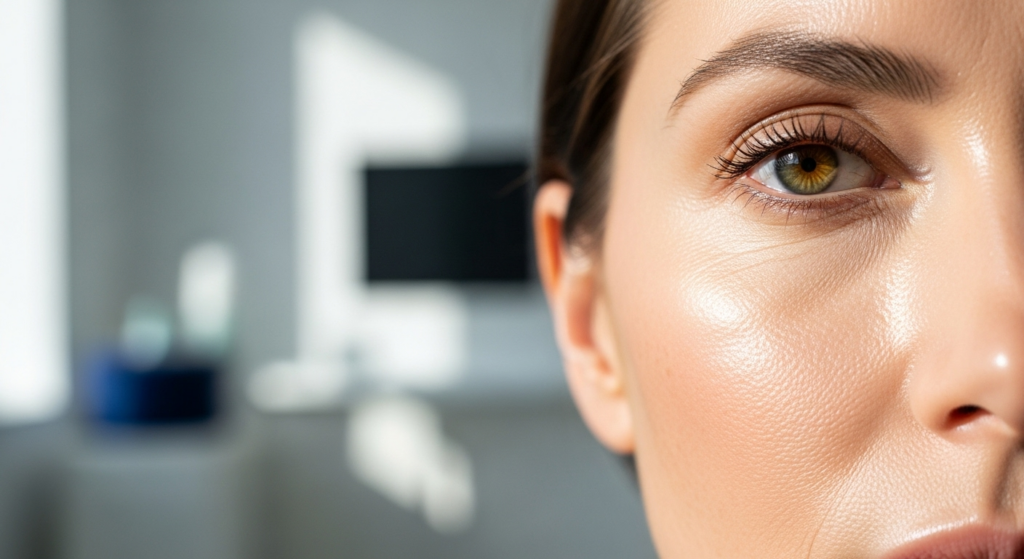
Are you yearning for a youthfulness that transcends temporary fixes—a beauty rooted in your body’s own remarkable ability to renew itself? Many feel the allure of a refreshed appearance, yet often find conventional aesthetic treatments offer only fleeting improvements, failing to address the fundamental processes of skin and tissue decline. The quest for genuine, enduring rejuvenation leads us into the burgeoning realm of regenerative aesthetics, a groundbreaking field that promises to redefine how we age gracefully and powerfully.
By 2026, this advanced discipline is no longer a distant whisper but a vibrant reality, focusing on the very cellular foundations of vitality. This comprehensive guide will illuminate the science behind cellular rejuvenation, unveiling how exosomes and stem cells are orchestrating a profound shift in anti-aging, offering authentic, long-lasting vitality that traditional methods simply cannot match. It’s an exciting new chapter, one that invites you to discover the profound difference of working with your body, not just on its surface.

Unlocking Tomorrow’s Beauty: The Promise of Regenerative Aesthetics in 2026
The landscape of aesthetic medicine is undergoing a profound transformation. For decades, the focus remained on addressing the visible signs of aging with temporary solutions: fillers to plump wrinkles, neurotoxins to smooth lines, and various lasers to refine skin texture. While these methods offer immediate gratification, they largely act as external applications, masking rather than truly reversing the deeper biological mechanisms of aging. Patients increasingly seek more than just superficial improvements; they desire a restoration that speaks to the very essence of youthful vitality, a glow that originates from within.
Enter regenerative aesthetics, a discipline built on the premise of harnessing the body’s innate healing and rejuvenating capacities. This isn’t merely a trend; it represents a paradigm shift, moving away from cosmetic camouflage towards genuine biological renewal. The year 2026 marks a pivotal moment, as scientific advancements propel exosomes and stem cells to the forefront of this revolution. These cellular powerhouses are not just ingredients; they are active biological agents capable of signaling cells, prompting repair, stimulating regeneration, and ultimately, restoring a more youthful cellular environment. This approach resonates deeply with those who value natural outcomes, a subtle yet significant enhancement that harmonizes with their inherent features, rather than altering them drastically.
The philosophical underpinning of regenerative aesthetics challenges conventional wisdom. Instead of merely patching over the wear and tear of time, it seeks to rewind the clock at a cellular level, encouraging tissues to behave and appear as they once did. This deep-seated rejuvenation yields results that are not only natural-looking but also sustainable, because they are driven by the body’s own biological machinery. Imagine skin that regenerates collagen and elastin more efficiently, hair follicles that awaken to grow thicker strands, or joints that experience reduced inflammation and improved function—all initiated by intelligent cellular communication.
However, with any frontier science, a degree of skepticism naturally accompanies the excitement:
The field of regenerative aesthetics lacks the necessary scientific rigour and regulatory compliance to be recognized as a legitimate medical specialty.
https://pubmed.ncbi.nlm.nih.gov/39198280/
This critical observation underscores the importance of evidence-based practice and ethical application. Responsible practitioners and clinics operating in 2026 are keenly aware of this imperative, prioritizing patient safety, transparent communication, and treatments grounded in robust clinical data. The ongoing research and increasing understanding of these complex biological agents are continuously building a stronger foundation, moving the field towards widely accepted protocols and clearer regulatory frameworks. It is precisely this balance between innovation and scientific scrutiny that will solidify regenerative aesthetics as a cornerstone of future anti-aging strategies. The journey into this advanced modality requires both enthusiasm for its potential and a steadfast commitment to scientific integrity, ensuring that the promise of cellular rejuvenation is delivered responsibly and effectively. This guide aims to bridge that gap, offering clarity and insights into a field that is rapidly becoming indispensable for those seeking truly transformative and lasting aesthetic improvements. The deeper dive into these modalities reveals not just a path to enhanced appearance, but to sustained wellness and vitality.
Exosomes: Tiny Messengers, Monumental Impact on Cellular Health
In the intricate symphony of our bodies, cells communicate constantly, exchanging vital information that dictates health, repair, and regeneration. Among the most fascinating conductors of this cellular orchestra are exosomes. These are not cells themselves but minuscule vesicles—tiny sacs—released by nearly all cell types. Think of them as sophisticated postal carriers, delivering packages of genetic material, proteins, and lipids from one cell to another. This biological mail system plays a pivotal role in regulating various cellular functions, including inflammation, tissue repair, and immune responses.
Derived from mesenchymal stem cells (MSCs), exosomes carry a particularly potent cargo. MSCs are renowned for their regenerative capabilities, acting as the body’s internal repair system. When MSCs release exosomes, they transfer many of these regenerative properties. These exosomes effectively “educate” recipient cells, prompting them to adopt a more youthful and functional state. For instance, they can instruct fibroblasts—the cells responsible for producing collagen and elastin—to increase their output, leading to firmer, more elastic skin. They can also calm inflammatory processes, reducing redness and irritation, which are often underlying causes of premature aging.
The power of exosomes lies in their intelligence. Unlike whole cells, which might face immune rejection, exosomes are generally well-tolerated. Their small size allows them to penetrate tissues effectively, delivering their regenerative signals precisely where needed. In aesthetic applications, this means a more targeted and nuanced approach to rejuvenation. Rather than simply filling a wrinkle, exosome therapy aims to reactivate the skin’s inherent capacity to heal and rebuild its own structural components. This results in improvements that feel organic and integrate seamlessly with the body’s natural processes, avoiding the “overdone” look that sometimes accompanies more invasive interventions.
Clinical studies in 2026 continue to expand our understanding of exosome therapy. Researchers are exploring specific exosome formulations tailored to different aesthetic concerns, from combating hair loss by stimulating dormant follicles to enhancing wound healing and minimizing scarring. The ability of exosomes to modulate cellular behavior positions them as a cornerstone of future regenerative treatments, offering a biologically sophisticated method to restore youthfulness from the inside out. Their influence extends beyond mere appearance, contributing to the overall health and resilience of the treated tissues.

Stem Cells: The Master Architects of Youthful Restoration
Stem cells are often referred to as the body’s raw materials, cells from which all other cells with specialized functions are generated. They hold an unparalleled capacity to divide and renew themselves over long periods, and crucially, they can differentiate—transform—into various specialized cell types. This unique duality makes them the master architects of tissue repair and regeneration, offering a profound toolkit for regenerative aesthetics. In essence, stem cells possess the blueprint for rebuilding and refreshing the body’s structures, from skin to bone to muscle.
In aesthetic medicine, mesenchymal stem cells (MSCs) are particularly significant. These multipotent stromal cells can be isolated from various tissues, most commonly adipose (fat) tissue and bone marrow. Adipose-derived stem cells (ADSCs) are highly favored due to their abundance and the relatively simple, minimally invasive procedure for their extraction—a process often referred to as nanofat grafting. Once harvested, these cells are prepared and reintroduced into areas requiring rejuvenation, such as the face, neck, or hands.
The magic of stem cells lies not just in their ability to replace damaged cells, but in their powerful paracrine effects. This means they release a cascade of growth factors, cytokines, and, notably, exosomes. These signaling molecules create a highly regenerative microenvironment, encouraging surrounding cells to repair, proliferate, and produce vital extracellular matrix components like collagen, elastin, and hyaluronic acid. Therefore, injecting stem cells into an aging area doesn’t just add volume; it revitalizes the underlying tissue, prompting a sustained process of natural renewal.
Consider the application in facial rejuvenation. When nanofat, rich in ADSCs, is meticulously injected, it not only restores lost volume but also profoundly improves skin quality. Patients often report enhanced texture, reduced fine lines, improved elasticity, and a more even skin tone. This is because the stem cells actively work to repair sun damage, stimulate microcirculation, and reinforce the dermal structure. Unlike synthetic fillers, which provide inert volume, stem cell treatments offer a living, biological scaffold that continuously works to improve tissue health and appearance. The results are exceptionally natural, evolving gently over time as the body integrates the new cellular activity. This approach avoids the static or artificial appearance that sometimes results from relying solely on non-biological fillers, providing instead a dynamic and authentic restoration of youth.
Beyond Traditional Fillers: The Enduring Advantages of Regenerative Medicine
For decades, traditional dermal fillers and neurotoxins have been the bedrock of non-surgical aesthetic enhancements. These treatments excel at providing immediate, visible improvements by physically plumping areas or relaxing specific muscles. However, their benefits are transient, requiring regular maintenance to sustain results. This constant need for reapplication highlights a fundamental difference between conventional methods and the transformative potential of regenerative medicine: the former manages the symptoms of aging, while the latter addresses its root causes.
The primary limitation of traditional fillers, often composed of hyaluronic acid or calcium hydroxylapatite, is their passive nature. They add volume, smoothing wrinkles and restoring contours, but they do not actively improve the biological health of the skin. Once absorbed by the body, their effect dissipates, necessitating repeat injections. Moreover, relying too heavily on synthetic fillers can sometimes lead to an unnatural appearance, particularly if proportions are not meticulously maintained over successive treatments. There is a fine line between subtle enhancement and an over-filled look, a balance that regenerative treatments inherently respect.
Regenerative aesthetics, conversely, offers a distinct advantage: it catalyzes the body’s own healing and rejuvenating processes. Treatments involving exosomes or stem cells don’t just fill space; they instruct the body to rebuild. This translates into improvements that are not only natural-looking but also enduring. When stem cells or exosomes are introduced, they stimulate fibroblasts to produce fresh collagen and elastin, enhance blood supply, and improve overall cellular function. The result is an organic renewal that harmonizes with your unique facial anatomy, fostering a refreshed look that reflects genuine biological improvement rather than superficial alteration.
Consider the long-term investment. While the initial cost of regenerative treatments might sometimes appear higher than a single syringe of filler, the longevity and quality of results often yield greater value. Patients often find they require less frequent touch-ups, and the sustained improvement in skin health means a more robust and resilient canvas over time. This holistic approach to anti-aging resonates deeply with individuals seeking authentic, long-term solutions that support their body’s intrinsic ability to maintain youthfulness. It’s a move from merely covering up to truly restoring, shifting the focus from fleeting beauty to sustained cellular vitality. For a deeper understanding of how traditional methods compare, consider exploring our insights on dermal fillers and their role in aesthetic treatments.
Key Regenerative Treatments Shaping 2026’s Aesthetic Landscape
The advancements in regenerative aesthetics have birthed a suite of sophisticated treatments, each designed to leverage the body’s internal wisdom for external radiance. By 2026, several key modalities stand out, offering tailored solutions for diverse aesthetic aspirations. These pioneering techniques represent the pinnacle of cellular rejuvenation, moving us definitively into an era where natural beauty is cultivated from within.
Exosome Therapy for Comprehensive Skin Rejuvenation
Exosome therapy is rapidly gaining prominence as a versatile tool for holistic skin revitalization. Utilized to address a spectrum of concerns, from fine lines and wrinkles to uneven texture and pigmentation, exosomes deliver a potent cocktail of growth factors, proteins, and genetic material directly to target cells. This intelligent delivery system prompts a cascade of regenerative activities, encouraging skin cells to behave as younger, healthier versions of themselves. The treatment typically involves applying a concentrated exosome solution topically, often after microneedling or laser procedures, to maximize penetration and absorption. This combination amplifies the regenerative signals, leading to remarkable improvements in skin quality, tone, and elasticity. Patients often observe a reduction in redness, minimized pore size, and an overall luminous complexion. Exosomes are also emerging as a powerful ally in scar revision and accelerating recovery post-procedure, truly embodying a multi-faceted approach to dermal renewal.
Stem Cell Applications: Nanofat Grafting and Beyond
Stem cell therapies, particularly those involving adipose-derived stem cells (ADSCs), are foundational to regenerative volume restoration and tissue enhancement. Nanofat grafting is a refined technique where a small amount of fat is harvested, typically from the abdomen or thigh, and then meticulously processed to concentrate its stromal vascular fraction—a rich source of ADSCs. This “liquid gold” is then carefully injected into areas requiring rejuvenation. Unlike traditional fat grafting, nanofat focuses less on bulk volume and more on delivering a high concentration of regenerative cells. This subtly restores youthful contours while concurrently improving the overlying skin quality.
Beyond facial rejuvenation, stem cells find applications in other challenging areas. For thinning hair, injecting concentrated stem cells into the scalp can stimulate dormant hair follicles, encouraging thicker, more robust hair growth. In the context of hand rejuvenation, stem cells not only restore lost volume but also improve the crepey texture of aging skin. The beauty of stem cell treatments lies in their ability to offer a natural, lasting solution by actively repairing and rebuilding tissues, yielding a nuanced and authentic rejuvenation that is uniquely your own. To learn more about how the body’s natural processes can be encouraged for youthful vitality, our guide on anti-aging strategies provides further context.
Synergistic Approaches: Combining Therapies for Enhanced Outcomes
The true power of regenerative aesthetics often lies in the intelligent combination of different modalities. Rather than a singular treatment, a synergistic approach allows practitioners to address multiple layers of aging and achieve more comprehensive, harmonious results. For instance, combining exosome therapy with nanofat grafting can create an unparalleled regenerative environment. The stem cells provide structural and volume restoration, while the exosomes amplify cellular communication and repair mechanisms, leading to a profound improvement in both tissue volume and surface quality.
Similarly, integrating regenerative treatments with complementary procedures like advanced laser therapies or specific microneedling protocols can significantly enhance overall outcomes. For example, a fractional laser might create micro-channels in the skin, which then become conduits for deeper penetration of exosome solutions, maximizing their regenerative impact. This strategic layering of treatments capitalizes on the strengths of each modality, paving the way for personalized rejuvenation plans that are meticulously tailored to individual needs and goals. The future of aesthetics is undeniably integrated, focusing on smart combinations that unlock the full potential of cellular regeneration for a truly revitalized appearance.

The Patient’s Journey: Navigating Regenerative Aesthetics with Confidence
Embarking on a regenerative aesthetic journey is a deeply personal decision, one that promises remarkable transformations from within. Understanding the typical patient journey can alleviate concerns and set realistic expectations, fostering a sense of confidence every step of the way. This path is less about quick fixes and more about a thoughtful partnership with your specialist, aimed at achieving natural, lasting results.
The Initial Consultation: Laying the Foundation
Every successful regenerative treatment begins with a thorough and candid consultation. This initial meeting is crucial. It’s a dedicated time for you to articulate your aesthetic concerns, discuss your desired outcomes, and understand the science behind the proposed treatments. Your specialist will perform a comprehensive assessment of your skin health, tissue quality, and overall facial anatomy. This involves examining texture, elasticity, volume loss, and any specific areas of concern. They will inquire about your medical history, lifestyle, and previous aesthetic treatments to ensure that regenerative options are suitable and safe for you. This foundational step is not just about identifying problems but about envisioning solutions that align with your unique biological profile, paving the way for a truly bespoke treatment plan.
Tailored Treatment Planning: Your Unique Blueprint
Following the assessment, a personalized treatment plan is meticulously crafted. This blueprint outlines the specific regenerative modalities recommended—whether it’s exosome therapy, nanofat grafting, or a synergistic combination—and details the expected number of sessions, intervals, and anticipated outcomes. The specialist will explain the harvesting process if stem cells are involved, clarifying the mild discomfort and recovery associated with it. Visual aids, such as before-and-after photographs of other patients with similar concerns, might be used to illustrate potential results. This stage also involves a clear discussion of the costs involved and any pre-treatment instructions you need to follow. A well-designed plan ensures that every step is purposeful, aiming for gradual yet profound improvements that look and feel completely natural. Transparency and open communication are paramount here, ensuring you are fully informed and comfortable with the proposed path forward.
The Treatment Day: Comfort and Precision
On the day of your treatment, the focus is on your comfort and the precise execution of the plan. Depending on the chosen modality, the procedure may involve local anesthesia to minimize any discomfort during harvesting (for nanofat) and injection. The regenerative agents, whether exosomes or stem cells, are then carefully prepared and administered using fine needles or cannulas. Precision is key, as the specialist artfully places the healing agents to achieve optimal distribution and stimulate regeneration in targeted areas. The duration of the treatment varies, typically ranging from one to several hours, depending on the complexity and extent of the areas being addressed. Throughout the process, the medical team prioritizes a sterile environment and your well-being, ensuring a smooth and safe experience.
Post-Treatment Care and Recovery: Nurturing Your Renewal
After your regenerative aesthetic procedure, careful post-treatment care is essential to support the healing process and maximize results. You will receive detailed instructions regarding activities to avoid, gentle cleansing routines, and any prescribed medications. Mild swelling, bruising, or redness are common and typically resolve within a few days to a week. Unlike more invasive surgeries, the downtime for most regenerative aesthetic treatments is relatively minimal, allowing for a quicker return to daily activities. However, patience is a virtue with regenerative medicine, as the true benefits unfold gradually. Cellular regeneration takes time, with visible improvements often becoming more apparent over several weeks to months as new collagen forms and tissues revitalize. Regular follow-up appointments allow your specialist to monitor your progress, address any questions, and ensure your journey towards sustained youthfulness is progressing as expected. This nurturing phase is a testament to the biological nature of these treatments, where the body’s own rhythms guide the transformation.
Safety, Efficacy, and the Evolving Regulatory Landscape
As regenerative aesthetics ascends to the forefront of anti-aging, questions regarding its safety, efficacy, and the regulatory environment naturally arise. This vanguard field, while brimming with potential, also navigates a complex terrain where scientific innovation meets the critical need for rigorous validation. Ensuring treatments are both effective and safe for patients is paramount, driving ongoing research and shaping regulatory guidelines globally.
The Foundation of Safety and Efficacy
The safety profile of regenerative aesthetic treatments, particularly those using autologous (patient’s own) cells like nanofat grafting, is generally favorable. By utilizing the patient’s own tissues, the risk of allergic reactions or immune rejection is significantly reduced. Exosome therapies, especially those derived from reputable, screened sources, also demonstrate a strong safety record. Potential side effects are typically mild and transient, mirroring those of many minimally invasive aesthetic procedures: temporary swelling, bruising, or tenderness at the injection sites. Serious complications are exceedingly rare when performed by experienced, qualified practitioners in sterile environments.
Efficacy, however, is a nuanced discussion. While anecdotal evidence and early clinical trials show promising results in skin rejuvenation, hair restoration, and volume enhancement, the depth and breadth of scientific evidence are still evolving. The intricate biological mechanisms involved—cellular signaling, growth factor release, and tissue remodeling—are complex and vary between individuals. This variability means results can differ, underscoring the importance of realistic patient expectations and a thorough understanding of the science by both practitioner and patient. Yet, the overwhelming consensus among pioneering specialists is that regenerative medicine is ushering in an era of unprecedented, natural-looking results.
Navigating the Regulatory Framework
The rapid pace of innovation in regenerative medicine presents unique challenges for regulatory bodies worldwide. Unlike traditional pharmaceuticals or medical devices, cellular and tissue-based products often fall into different regulatory categories, leading to a patchwork of guidelines that can vary significantly from one country to another. This dynamic environment can, at times, create confusion and necessitate constant vigilance from both practitioners and patients to ensure compliance with established standards. As mentioned earlier, there are calls for increased scrutiny in this evolving domain:
The field of regenerative aesthetics is revolutionizing the way we approach beauty and anti-aging treatments.
https://therha.org/regenerative-aesthetics-an-overview/
This statement, while optimistic, also subtly highlights the rapid advancement which regulators must keep pace with. Key regulatory bodies, such as the FDA in the United States and the EMA in Europe, are continuously developing frameworks to ensure that these novel therapies are rigorously tested and safely administered. Their efforts focus on ensuring product purity, potency, and preventing the spread of unproven or potentially harmful interventions. Responsible clinics and specialists proactively adhere to the strictest available guidelines, often participating in clinical trials and contributing to the body of evidence that will ultimately solidify regenerative aesthetics as a fully accredited and respected medical discipline. This commitment to ethical practice and scientific validation is the bedrock upon which the future of cellular rejuvenation is being built, ensuring that patients receive treatments that are not only innovative but also reliably safe and effective. It’s a journey of continuous refinement, where scientific discovery and patient well-being walk hand-in-hand.
Selecting Your Specialist: A Critical Step for Lasting Radiance
The success of your regenerative aesthetic journey hinges significantly on the expertise and integrity of your chosen specialist. This burgeoning field, while offering incredible promise, also demands a discerning eye when selecting a practitioner. Entrusting your rejuvenation to a highly qualified and experienced professional ensures not only your safety but also the achievement of natural, harmonious results. This decision should never be rushed, as it forms the cornerstone of your transformation.
Prioritize Board Certification and Specialized Training
At the forefront of your selection criteria should be board certification in a relevant medical specialty, such as dermatology or plastic surgery. This certification signifies that the practitioner has met stringent standards of education, training, and ethical practice. Beyond general certification, seek out specialists who possess specific, advanced training and extensive experience in regenerative medicine techniques, including exosome therapy and stem cell applications like nanofat grafting. A practitioner deeply immersed in this specific domain will possess a nuanced understanding of cellular biology, tissue dynamics, and the precise artistry required for optimal aesthetic outcomes. Do not hesitate to ask about their training background, their involvement in professional societies, and their continuous education in regenerative science.
Evaluate Experience and a Robust Portfolio
Experience is an invaluable asset in regenerative aesthetics. Inquire about the number of procedures a specialist has performed and their track record with similar cases. A reputable clinic will readily provide a portfolio of before-and-after photographs, showcasing their consistent ability to deliver natural-looking and satisfying results. Pay close attention to the subtlety of the improvements—regenerative aesthetics aims for enhancement, not drastic alteration. These visual testimonials offer a window into the practitioner’s aesthetic sensibility and technical skill, allowing you to gauge if their style aligns with your own vision of beauty. Seek evidence of sustained results over time, as this is a hallmark of truly effective regenerative interventions.
Commitment to Patient Education and Ethical Practice
A truly exceptional specialist prioritizes patient education. They will take the time to thoroughly explain the science behind each treatment, outlining the expected outcomes, potential risks, and recovery process in clear, understandable terms. They should actively encourage questions and address all your concerns with patience and transparency. Beware of clinics that promise instantaneous miracles or push treatments without a comprehensive consultation. Ethical practice in regenerative aesthetics means setting realistic expectations, ensuring informed consent, and always putting the patient’s well-being above all else. A specialist’s integrity is reflected in their willingness to be honest about what is achievable and how results will naturally unfold. This transparent approach builds trust, which is fundamental to a successful and satisfying aesthetic journey.
Clinic Standards and Technology
Beyond the individual specialist, the standards of the clinic itself are crucial. Ensure the facility operates with the highest levels of hygiene and adheres to strict medical protocols. Modern, well-maintained equipment is indicative of a clinic committed to providing cutting-edge care. Inquire about the source and processing of their regenerative products, particularly for exosome therapies, to ensure they meet stringent quality controls. A clinic that invests in advanced technology and maintains impeccable standards reflects a dedication to excellence that translates directly into safer, more effective treatments for you. This comprehensive evaluation—from the individual’s credentials to the environment they practice within—is your safeguard, ensuring your investment in regenerative aesthetics yields the radiant, lasting beauty you deserve. For any initial queries, reaching out via the contact page can provide clarity.
The Investment in Cellular Rejuvenation: Valuing Lasting Results
Deciding to embark on a regenerative aesthetic journey is an investment—an investment in your appearance, your well-being, and your long-term confidence. While the initial contemplation of costs might prompt comparisons with more traditional, often less expensive, temporary solutions, it is crucial to recognize the profound difference in value offered by cellular rejuvenation. This isn’t merely about spending money; it’s about allocating resources towards a deeper, more sustainable form of beauty that resonates from within.
Understanding the Value Proposition
The costs associated with regenerative aesthetic treatments, such as exosome therapy or nanofat grafting, can vary widely. Factors influencing the price include the specific type of treatment, the extent of the area being addressed, the number of sessions required, the geographical location of the clinic, and, critically, the expertise and reputation of the specialist. Generally, because these treatments involve sophisticated biological materials and advanced techniques, they may present a higher upfront cost compared to, for example, a single session of hyaluronic acid fillers. However, this initial outlay often translates into superior long-term value.
Consider the longevity and quality of the results. Traditional fillers typically last from six months to a year, necessitating frequent follow-up appointments and continuous expenditure. Regenerative treatments, by actively stimulating your body’s own healing and collagen production, often yield results that are far more durable and natural. The improvements evolve gracefully, integrate seamlessly with your tissues, and contribute to the fundamental health of your skin over extended periods. This means fewer repeat treatments, less frequent visits to the clinic, and a sustained enhancement that truly stands the test of time. Over several years, the cumulative cost of repeated temporary solutions can often exceed the investment in a regenerative approach, not to mention the added benefit of a more authentic and profound transformation.
Transparent Pricing and Financing Options
A reputable clinic will always provide a detailed and transparent breakdown of all costs during your initial consultation. This includes fees for the procedure itself, any necessary preparatory steps, post-treatment care, and follow-up appointments. There should be no hidden charges or surprises. Understanding the full financial picture upfront allows you to plan effectively and make an informed decision that aligns with your budget. Many clinics also offer flexible financing options or payment plans to make regenerative treatments more accessible. Discussing these possibilities can help spread the cost over time, making this advanced form of rejuvenation a realistic option for more individuals.
Ultimately, the investment in regenerative aesthetics is an investment in yourself—in a future where your beauty is not just maintained, but actively renewed at a cellular level. It’s a choice for enduring radiance, for an appearance that genuinely reflects your inner vitality, and for a lasting confidence that comes from knowing you’ve chosen the most advanced, biologically intelligent path to youthfulness. This commitment moves beyond superficial fixes, embracing a deeper, more profound narrative of self-care and authentic beauty. It’s truly about valuing what lasts.
Conclusion: The Dawn of Enduring Beauty in 2026
As we navigate the currents of 2026, the promise of enduring beauty through regenerative aesthetics shines brighter than ever. We’ve journeyed through the intricate science of exosomes and stem cells, understanding their profound capacity to communicate with and revitalize our body’s tissues at a fundamental level. This is not merely an evolution in anti-aging; it’s a revolution, shifting the focus from temporary camouflage to genuine cellular renewal. The era of regenerative medicine beckons, offering a future where youthful radiance is cultivated from within, yielding results that are both natural and sustainable.
The contrast with traditional fillers is stark: while conventional methods offer fleeting improvements, regenerative treatments initiate a biological renaissance, stimulating collagen production, enhancing tissue health, and restoring a vibrancy that truly stands the test of time. Choosing this path means investing in a holistic approach to beauty, one that respects and amplifies your body’s innate wisdom. The journey requires a discerning eye in selecting a qualified specialist and a commitment to understanding the science, yet the rewards are profound: an authentic, lasting rejuvenation that reflects your inner vitality. This guide serves as your compass, illuminating the exciting possibilities and empowering you to embrace the future of aesthetic medicine with confidence and clarity.


 English
  German
  French
  Spanish
  Italian
  Russian
  Arabic
  Turkish